


 English
 中文简体
中文简体 Español
 русский
NBC-315Y 220V/380V 300A IGBT Inverter Portable welder Built-in wire feeder 2T/4T MIG/MAG(GMAW)
Cat:Gas shielded welding machine
1、The machine adopts a phase-shifted full-bridge inverter main circuit...
See DetailsContent
Laser welding machines are advanced welding tools that use concentrated laser beams to join metals with high precision and speed. They are widely used in automotive, aerospace, electronics, and metal fabrication industries. One common question is whether these machines can efficiently weld materials such as stainless steel and aluminum, which have different thermal properties and welding challenges.
Stainless steel is widely used in manufacturing due to its corrosion resistance, strength, and aesthetic appeal. Laser welding offers several advantages for stainless steel compared to traditional welding methods.
Laser welding provides high precision and minimal heat input, which reduces the risk of warping or distortion. It also produces clean, aesthetically pleasing welds with narrow heat-affected zones. These features make laser welding ideal for thin stainless steel sheets and intricate designs.
Common techniques for welding stainless steel include laser conduction welding and laser keyhole welding. Conduction welding is suitable for thinner materials, while keyhole welding allows deeper penetration and faster welds on thicker sections. Proper shielding gas, typically argon, is essential to prevent oxidation and maintain weld quality.
Aluminum poses more challenges than stainless steel due to its high thermal conductivity and reflectivity. Laser welding can still be effective if the right parameters and techniques are applied.
Aluminum requires higher laser power because it quickly dissipates heat. Its reflective surface can also scatter the laser beam, reducing efficiency. Additionally, aluminum is prone to porosity and cracking if the weld pool solidifies too rapidly.
Using fiber laser machines with high peak power and short pulses can improve penetration and reduce defects. Preheating the aluminum can also help reduce thermal stress. Laser welding combined with filler materials may be necessary for thicker sections to ensure strong, defect-free welds.
| Feature | Stainless Steel | Aluminum |
| Thermal Conductivity | Low | High |
| Reflectivity | Moderate | High |
| Weld Speed | Moderate to High | High with proper laser settings |
| Heat-Affected Zone | Narrow | Moderate, requires careful control |
| Weld Appearance | Smooth and shiny | Shiny, may require post-processing |
Several factors influence the quality of laser welds on stainless steel and aluminum:
Laser welding stainless steel and aluminum is widely applied across industries:
Laser welding machines are highly effective for both stainless steel and aluminum when appropriate techniques, laser types, and settings are applied. Stainless steel welds benefit from narrow heat-affected zones and clean finishes, while aluminum requires careful control of laser power, beam focus, and preheating to prevent defects. With proper preparation and parameter optimization, laser welding provides fast, precise, and durable joints suitable for automotive, aerospace, electronics, and industrial applications.
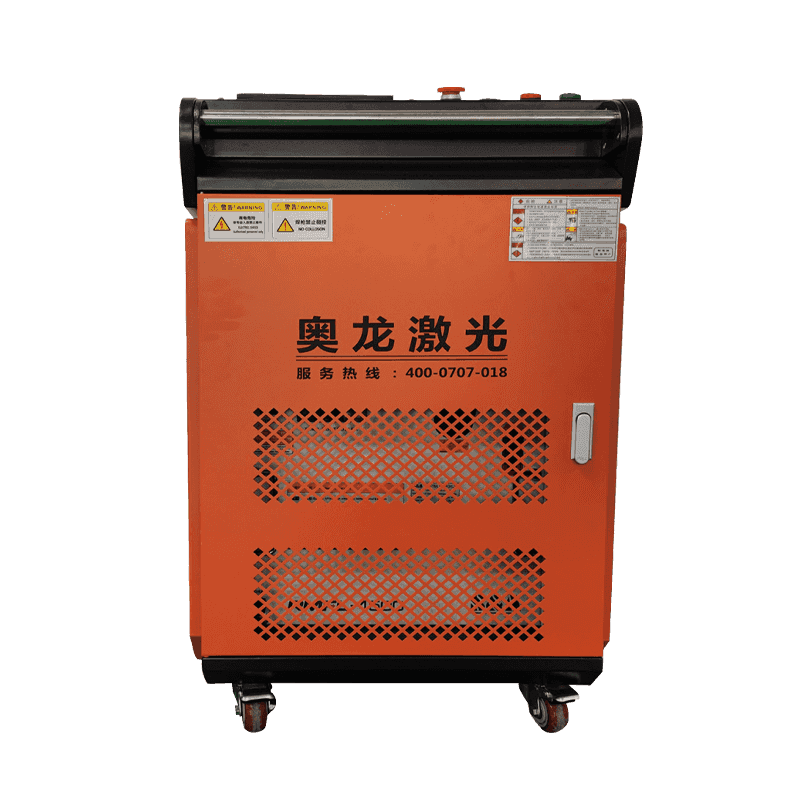
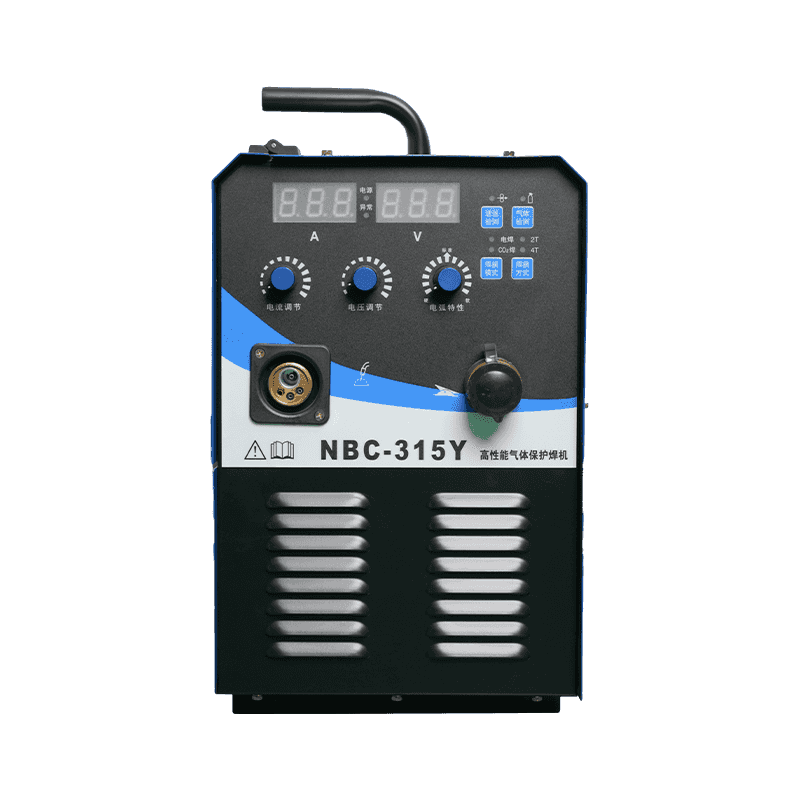
1、The machine adopts a phase-shifted full-bridge inverter main circuit...
See Details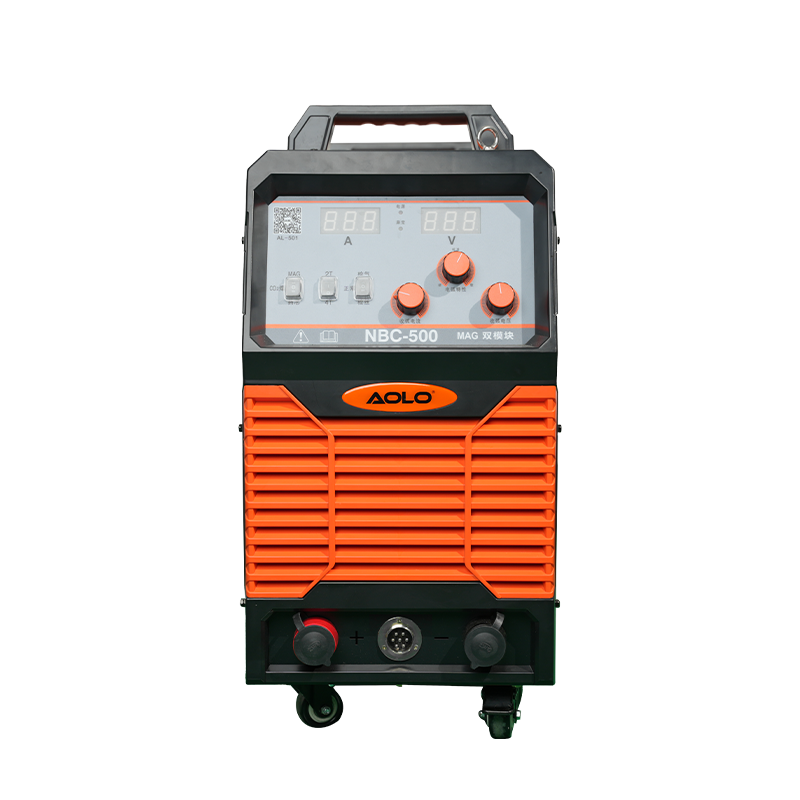
1、High load rate, stable output current for long-term welding. 2、MIG w...
See Details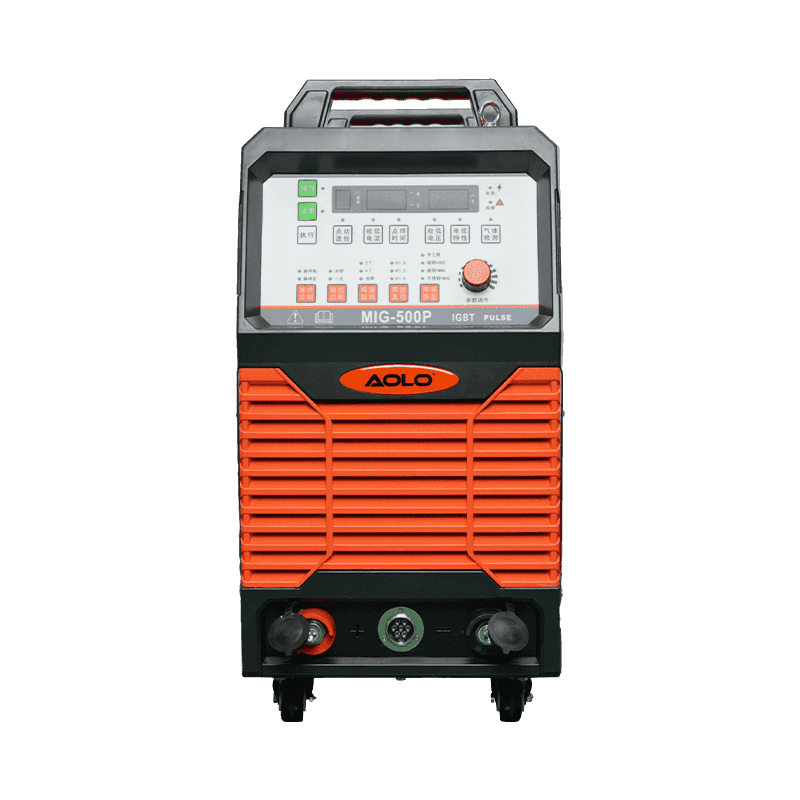
1、Rich functions, button selection facilitates parameter adjustment 2、...
See Details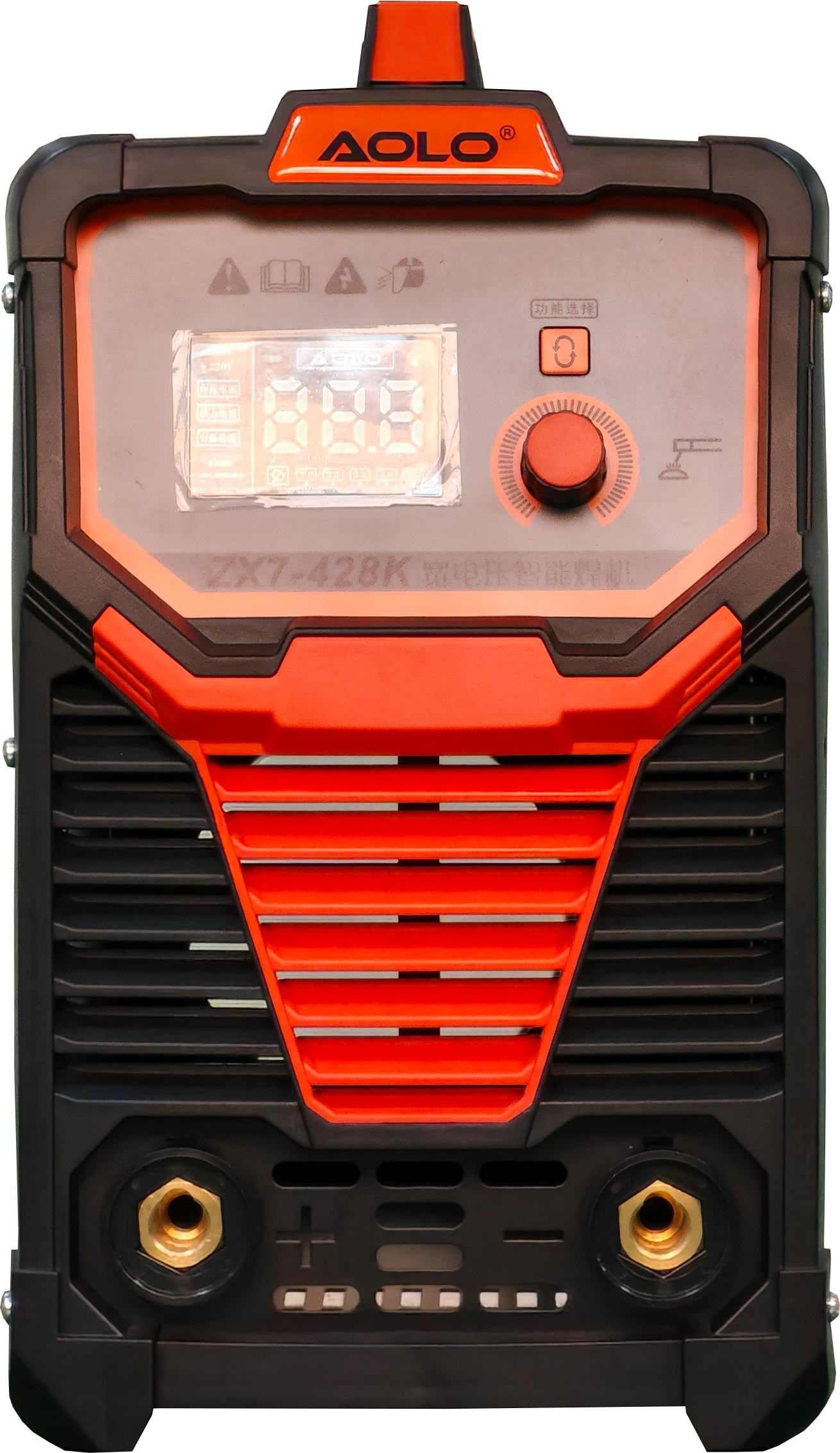
1、Small size, light weight, easy to carry, suitable for home use or sm...
See Details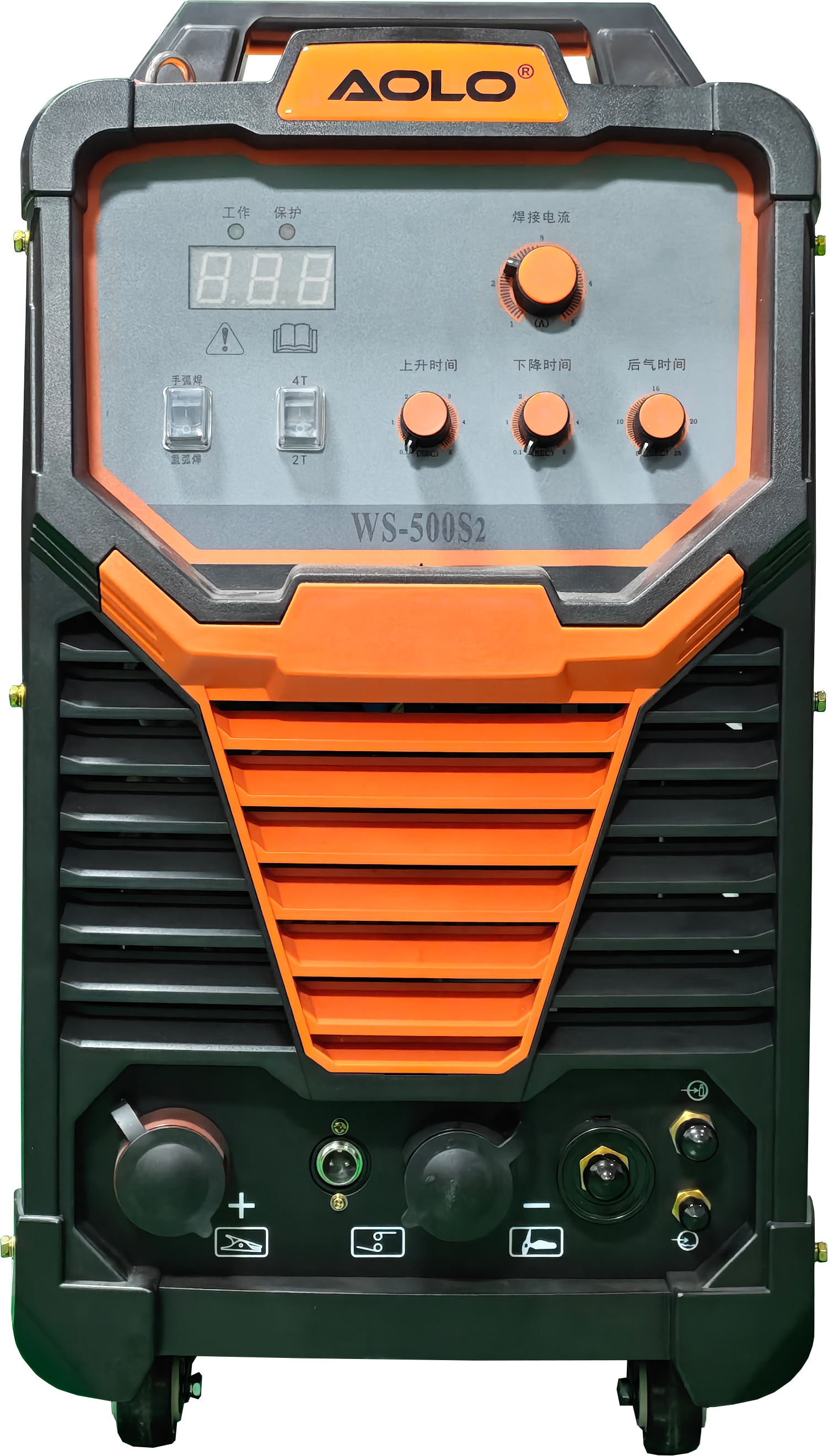
1、Easy arc starting, stable welding current, fast dynamic response spe...
See Details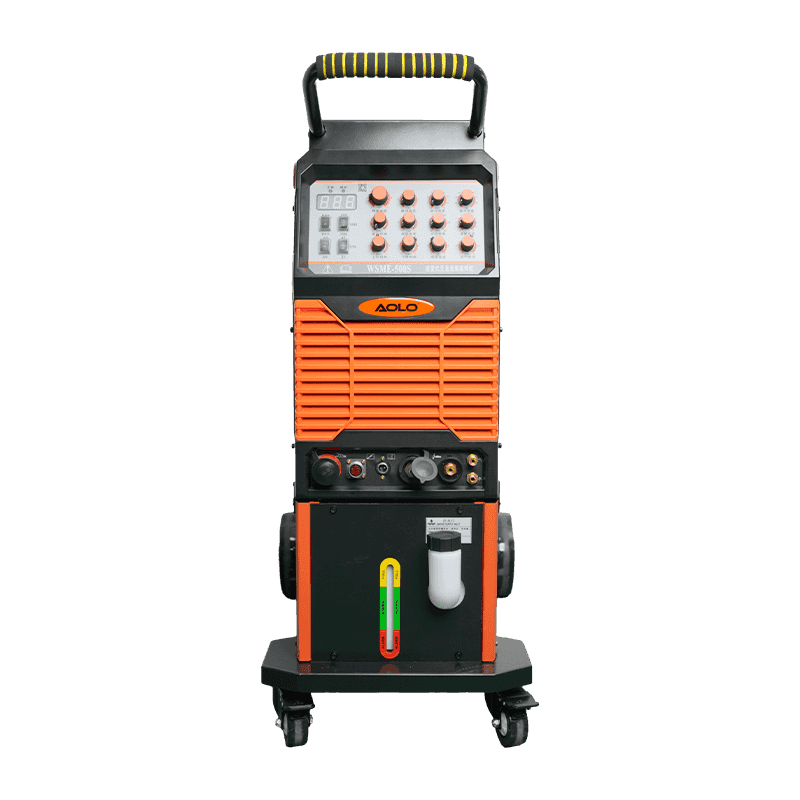
1、Heavy-duty industrial argon arc welding machine with rich parameter ...
See Details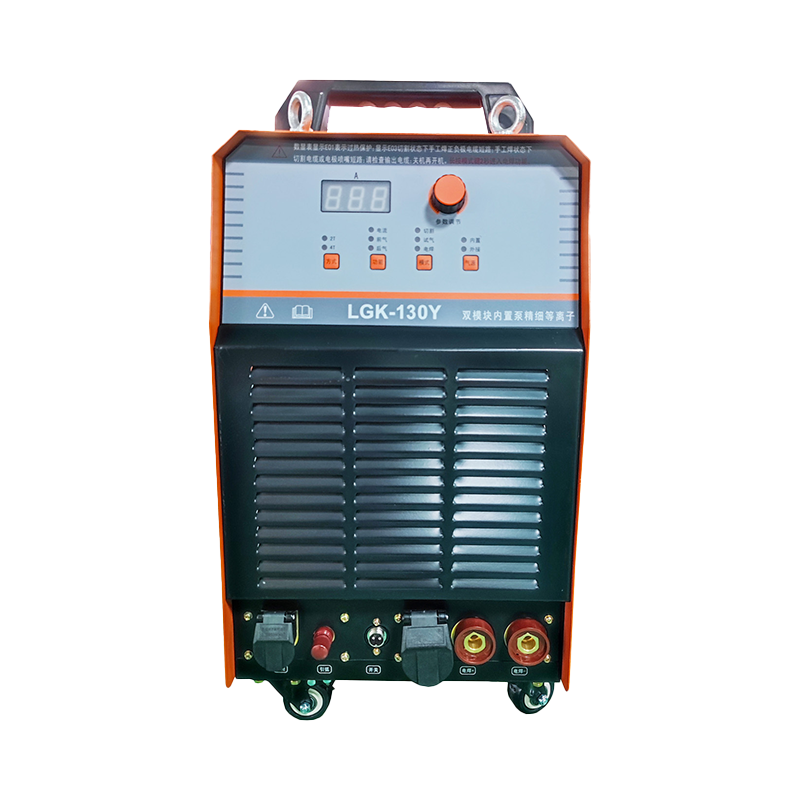
1、The arc energy is concentrated and stable, the cutting force is stro...
See Details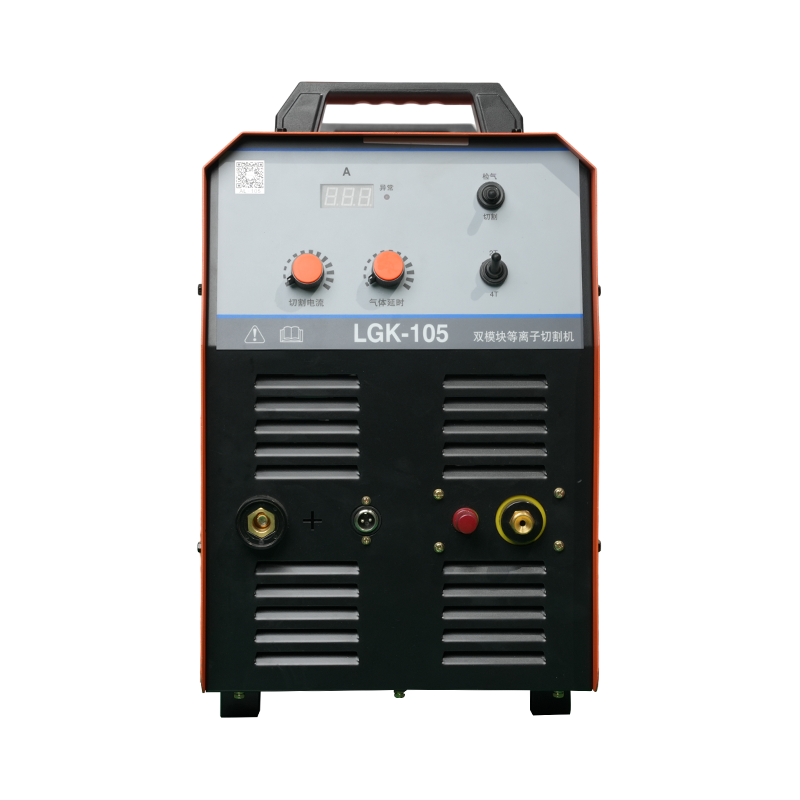
1、External air pump plasma cutting machine makes the whole machine lig...
See Details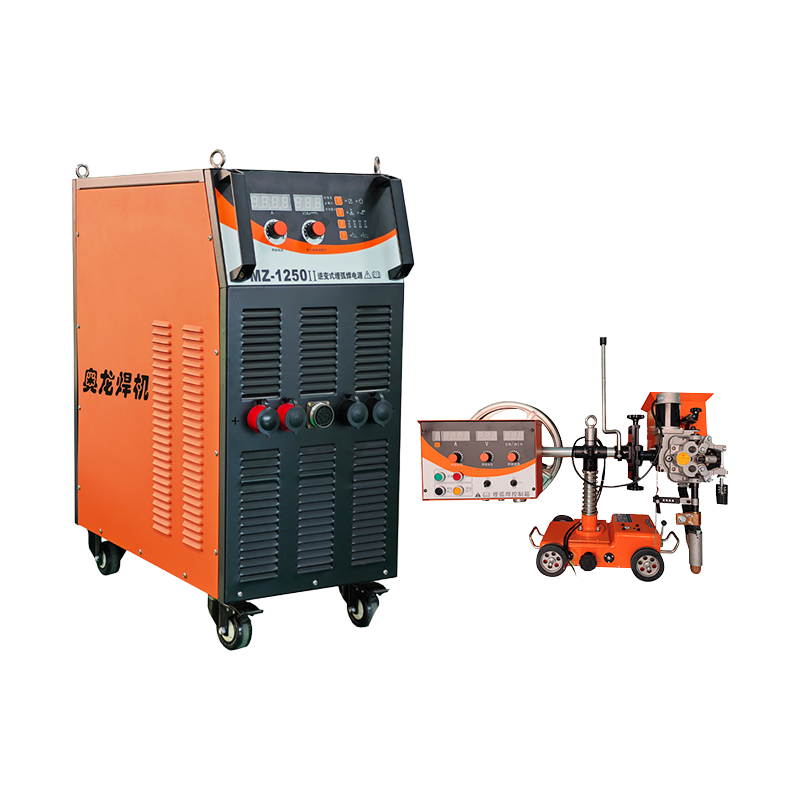
1、Two functions, submerged arc welding and manual welding. 2、High load...
See Details
1、High-power laser welding machine, suitable for heavy-duty industrial...
See DetailsRequest for a call today


Tel: 4000707018

E-mail: aolohj@163.com

Add: Factory Building No. 5, Phase II, Pioneer Park, Economic Development Zone, Taizhou City, Jiangsu Province, China.
Copyright 2023 Jiangsu Aolong Electric Technology Co., Ltd. All Rights Reserved.
 Privacy Policy Industrial Welding Machine Manufacturers


Contact Us