


 English
 中文简体
中文简体 Español
 русский
NBC-315S/NBC-350S 380V 350A IGBT Inverter Portable welder 2T/4T MIG/MAG/MMA(GMAW/SMAW)
Cat:Gas shielded welding machine
1、The welding machine is small and can be connected to a wire feeder. ...
See DetailsContent
Stud welding machines are widely used in on-site and outdoor environments where speed, strength, and reliability are essential. Common applications include steel construction, bridge building, shipyards, oil and gas facilities, and large industrial installations. In these settings, welding often takes place away from controlled workshop conditions, making equipment performance under variable environments a critical consideration.
Unlike traditional welding methods, stud welding allows fast, one-sided fastening of studs, pins, or threaded elements. This efficiency makes stud welding machines particularly attractive for on-site use, where minimizing setup time and labor is important.
One of the key factors that determines outdoor performance is portability. Modern stud welding machines are often designed with compact housings, integrated handles, or wheeled frames, allowing them to be easily transported across construction sites. Lightweight capacitor discharge (CD) stud welding machines are especially popular for mobile applications due to their ease of handling.
For larger arc stud welding machines, mobility is still achievable through modular designs and rugged casings. These machines are commonly moved between work zones using forklifts or site vehicles, ensuring flexibility without sacrificing welding power.
Reliable power access is a major challenge in outdoor welding environments. Stud welding machines are designed to operate with different power supply options to accommodate site conditions. Many machines support standard industrial power sources, while others are compatible with generators commonly used on construction sites.
Generator compatibility is especially important for remote locations. Stable voltage output and sufficient capacity are essential to ensure consistent weld quality. Advanced stud welding machines often include power regulation systems that help maintain performance even when power input fluctuates.
Outdoor welding exposes stud welding machines to wind, dust, humidity, and temperature fluctuations. High-quality machines are built with sealed enclosures, reinforced connectors, and durable insulation to protect internal components from environmental damage.
Wind can affect arc stability during arc stud welding, but proper shielding and operator technique help maintain consistent results. In humid or rainy conditions, weather-resistant cables and connectors are essential to ensure safe operation and prevent electrical faults.
Maintaining weld quality in outdoor environments is a primary concern. Stud welding machines are designed to deliver precise energy output, ensuring full fusion between the stud and base material even when conditions are less controlled. Arc stud welding is particularly well-suited for structural applications requiring high-strength welds.
Consistent weld quality depends on proper surface preparation, correct parameter settings, and stable grounding. On-site stud welding machines often include adjustable controls that allow operators to fine-tune welding current and time based on material thickness and stud size.
Both arc stud welding and capacitor discharge stud welding are used outdoors, but each performs differently depending on the application. Arc stud welding machines are preferred for heavy-duty structural work, such as attaching shear connectors to steel beams.
CD stud welding machines are better suited for thinner materials and applications where minimal heat input is required. Their portability and lower power demands make them ideal for light on-site installations, signage, and sheet metal work.
Safety is a critical aspect of on-site stud welding. Outdoor conditions introduce additional risks such as uneven ground, moisture, and limited workspace. Stud welding machines designed for field use often include enhanced safety features, including insulated gun handles, secure grounding systems, and overload protection.
Proper personal protective equipment and adherence to operating procedures are essential. Clear visibility of controls and robust cable management further reduce the risk of accidents on busy job sites.
Outdoor and on-site use places greater mechanical and environmental stress on stud welding machines. Durable housings, reinforced connectors, and high-quality internal components are essential for long service life. Machines designed for field use typically require minimal maintenance, focusing mainly on cable inspection and gun component replacement.
Regular cleaning to remove dust and debris helps maintain cooling efficiency and electrical reliability. Simple maintenance routines ensure consistent performance even in demanding environments.
| Factor | Workshop Welding | On-Site Welding |
| Environment | Controlled | Variable |
| Power Supply | Stable | Generator or site power |
| Mobility | Limited | High |
| Setup Time | Minimal | Depends on site conditions |
Stud welding machines significantly improve productivity in outdoor environments by eliminating the need for drilling or through-bolting. This reduces installation time and allows work to progress rapidly, even in large-scale projects.
Fast weld cycles and minimal post-weld cleanup make stud welding machines highly efficient for repetitive on-site tasks. This efficiency translates directly into reduced labor costs and tighter project schedules.
Stud welding machines are well-suited for outdoor and on-site welding when selected and used correctly. Their portability, adaptability to variable power sources, and ability to deliver consistent weld quality make them indispensable tools in modern construction and industrial environments.
By understanding environmental challenges, choosing appropriate welding methods, and maintaining equipment properly, operators can achieve reliable performance and strong welds even in demanding outdoor conditions.
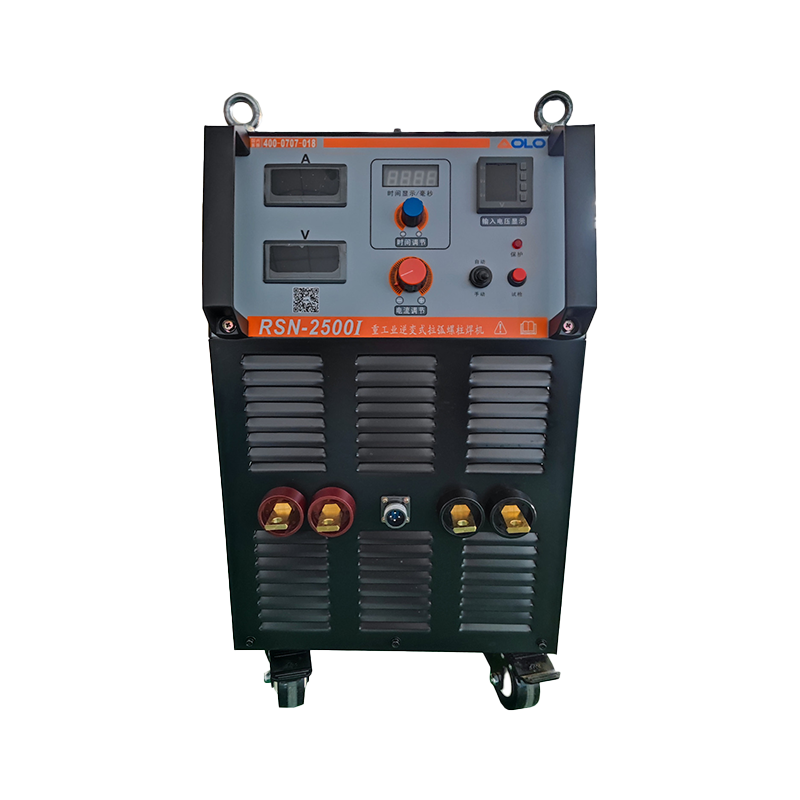
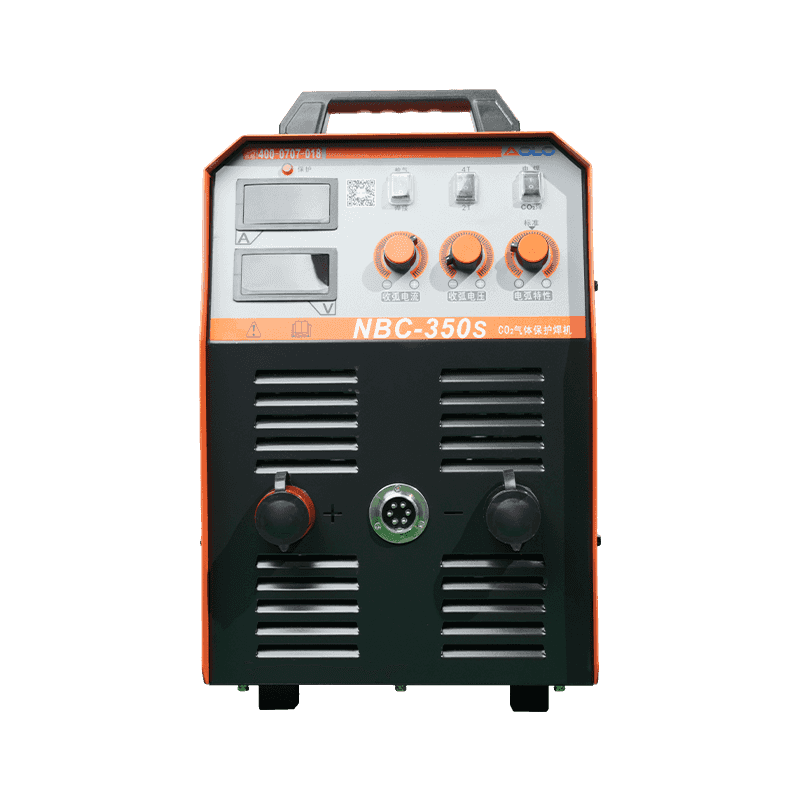
1、The welding machine is small and can be connected to a wire feeder. ...
See Details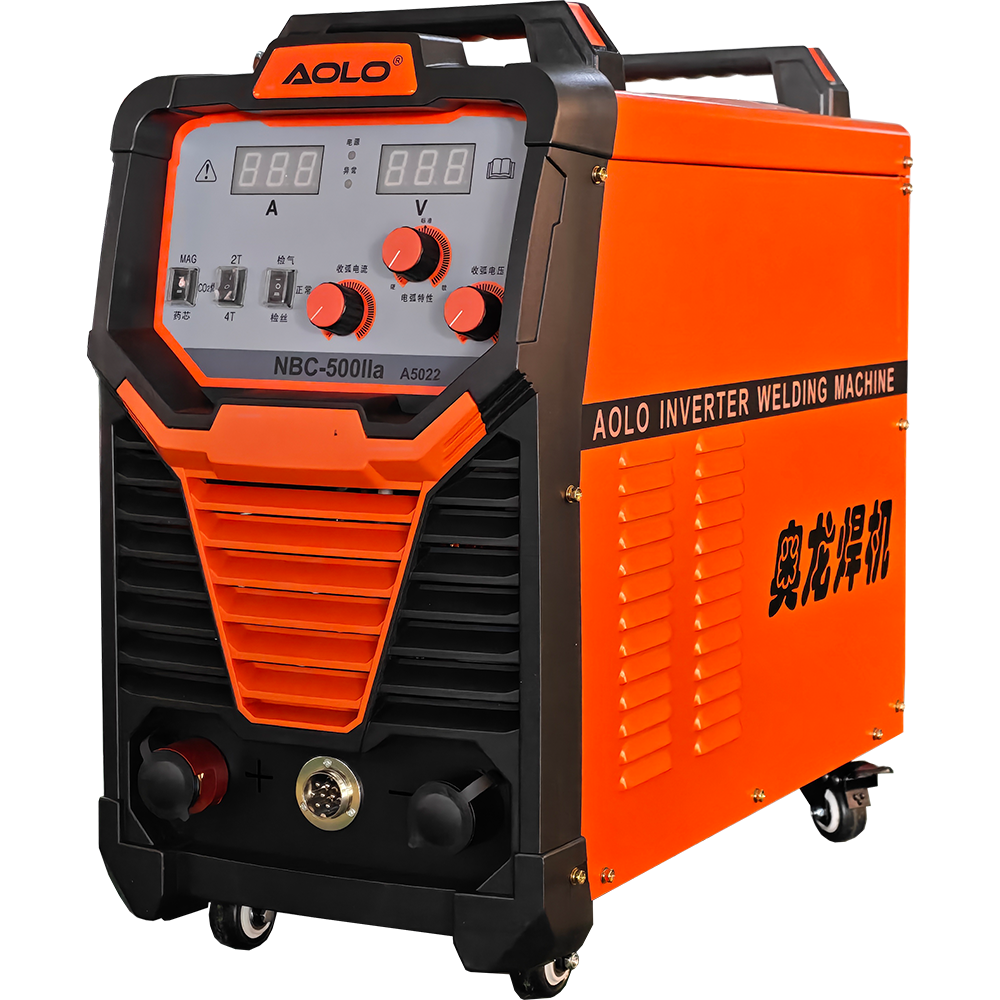
1、High-selling gas-shielded welder with a good price/performance ratio...
See Details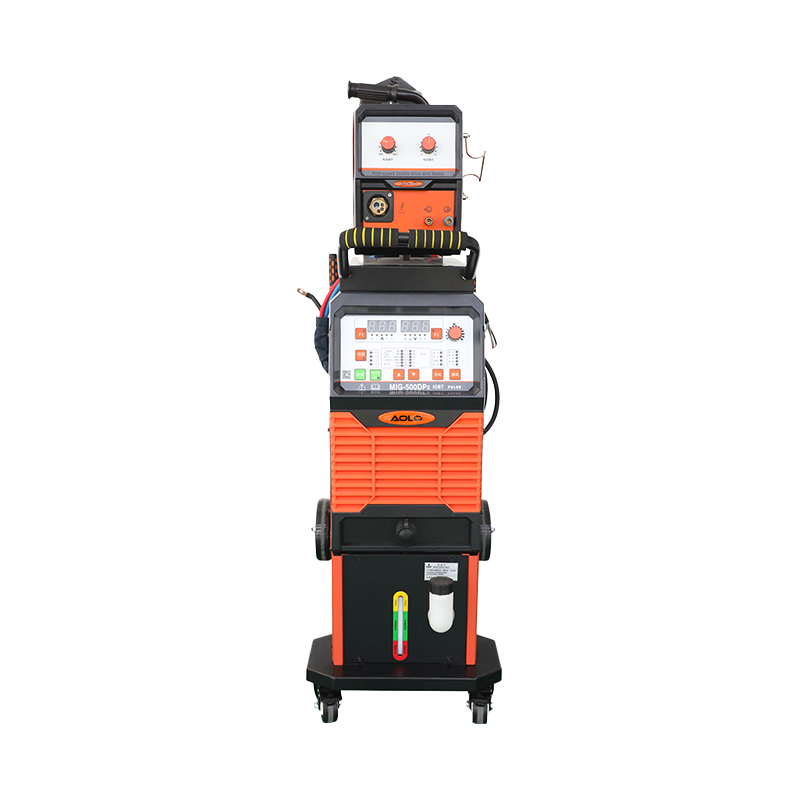
1、Manual argon arc welding with non-consumable electrode LIFTTIG; 2、Du...
See Details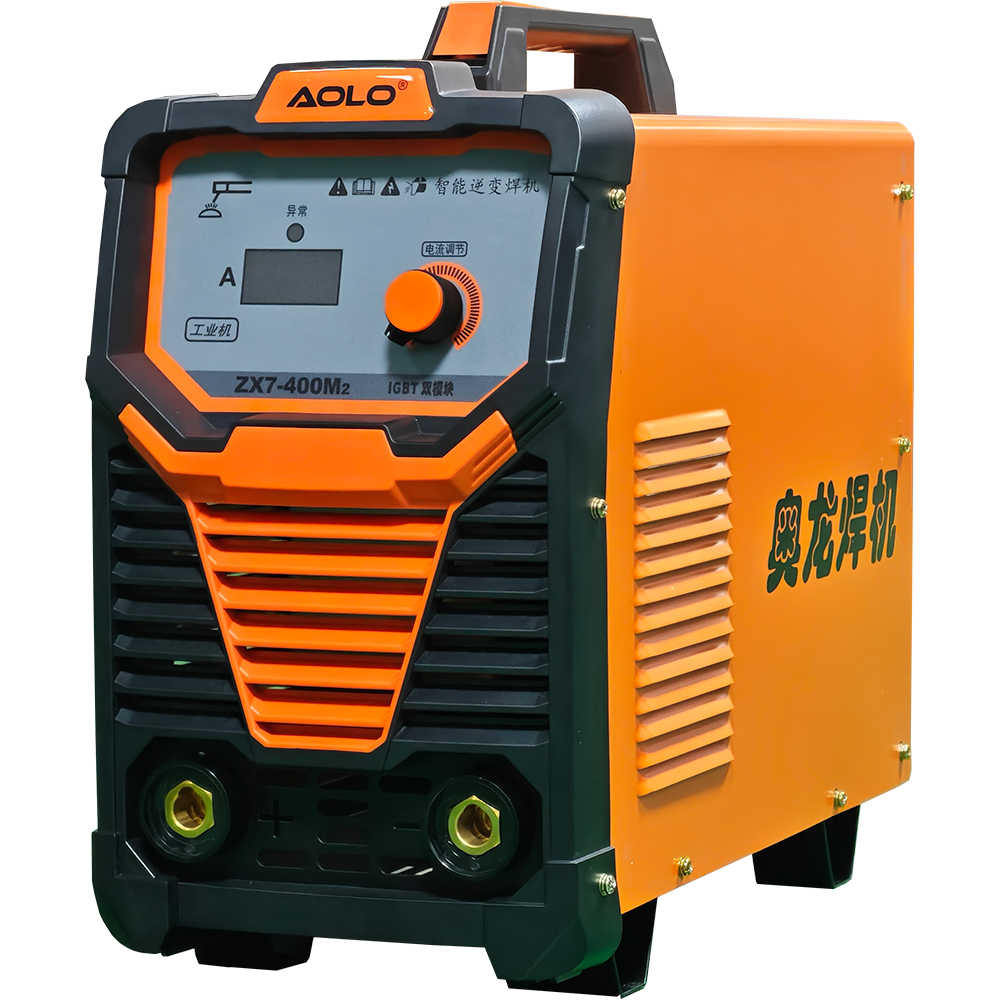
1、It can weld electrodes with a diameter of 5mm. 2、Fast arc starting, ...
See Details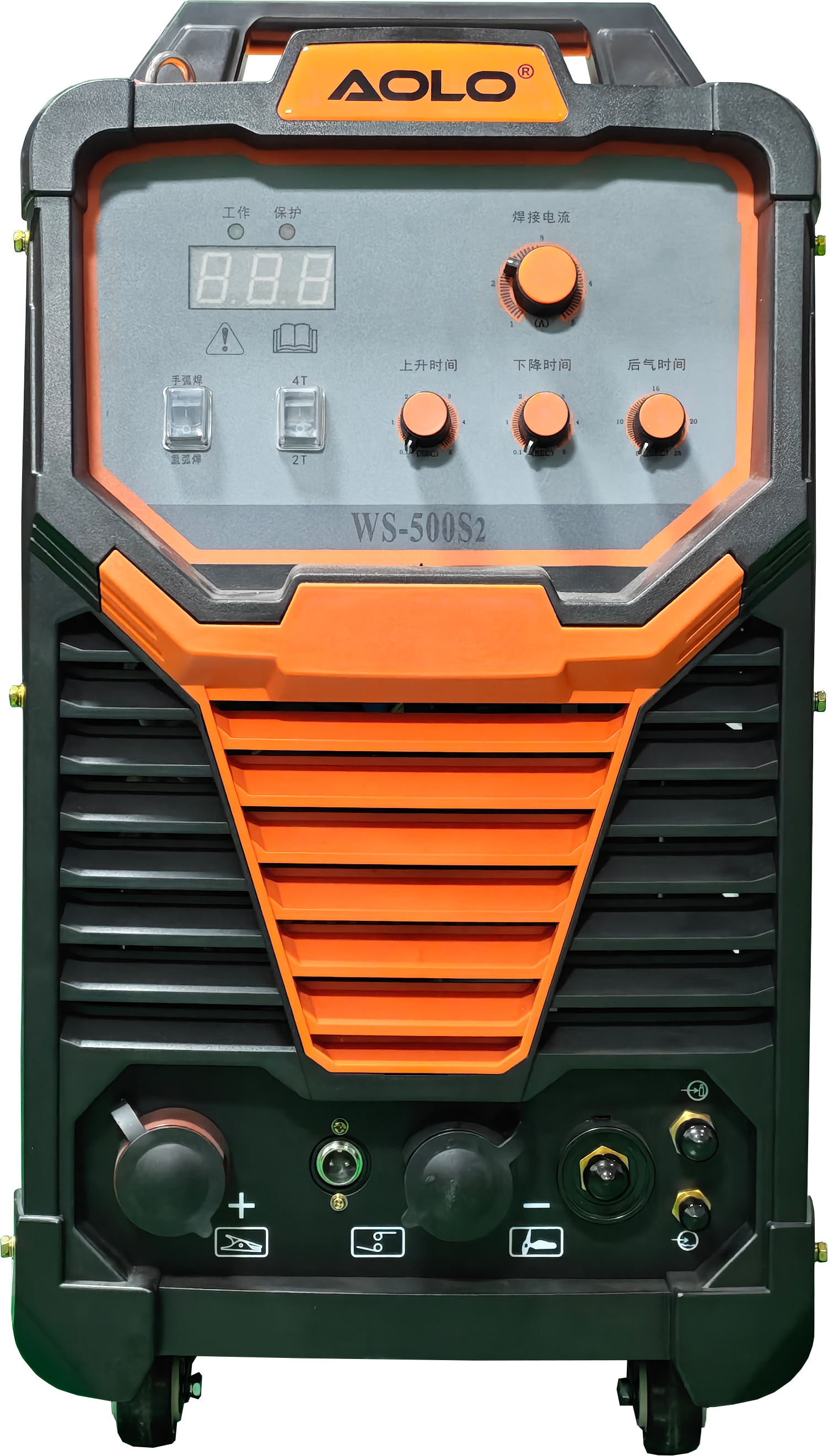
1、Easy arc starting, stable welding current, fast dynamic response spe...
See Details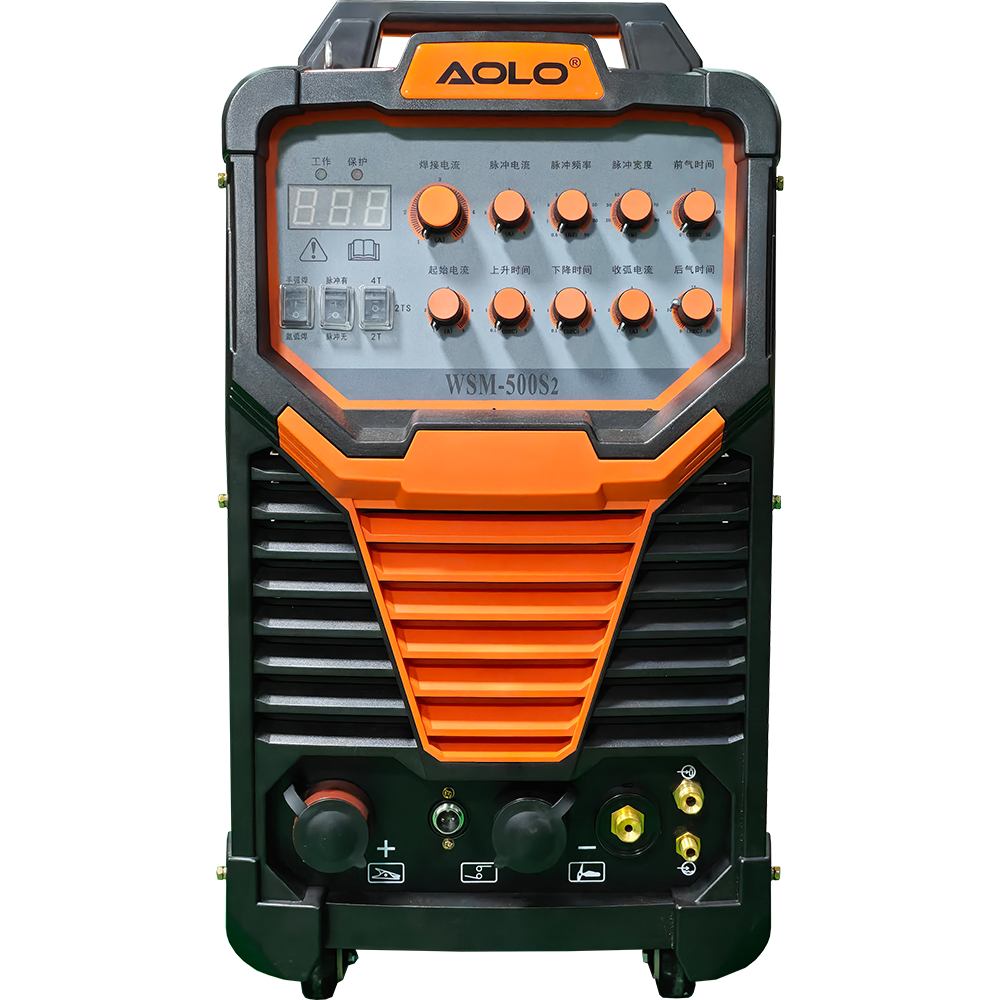
1、Pulse outputs a stable current-to-voltage ratio to control welding q...
See Details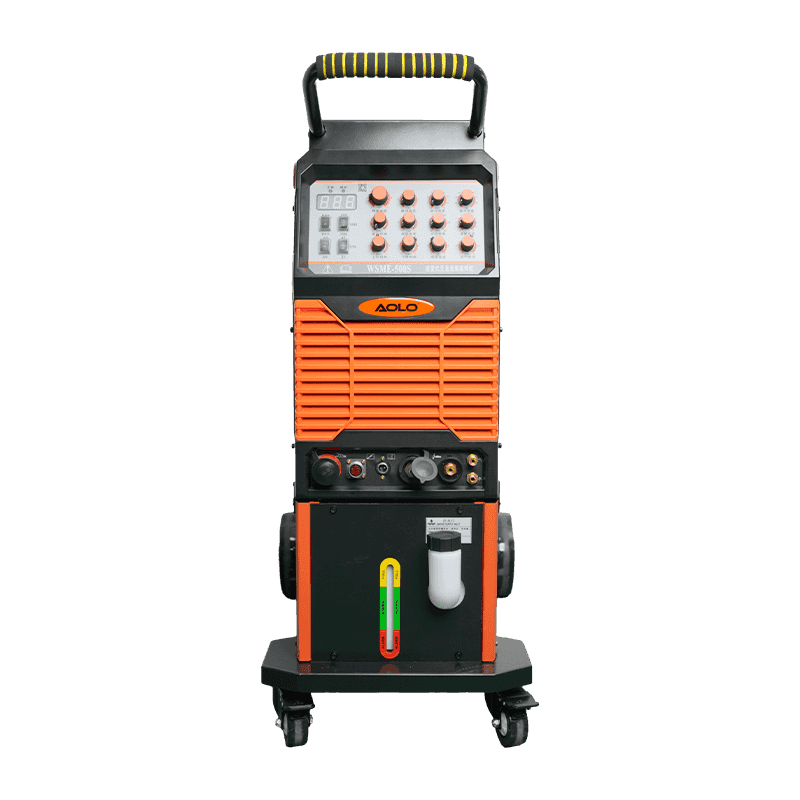
1、Heavy-duty industrial argon arc welding machine with rich parameter ...
See Details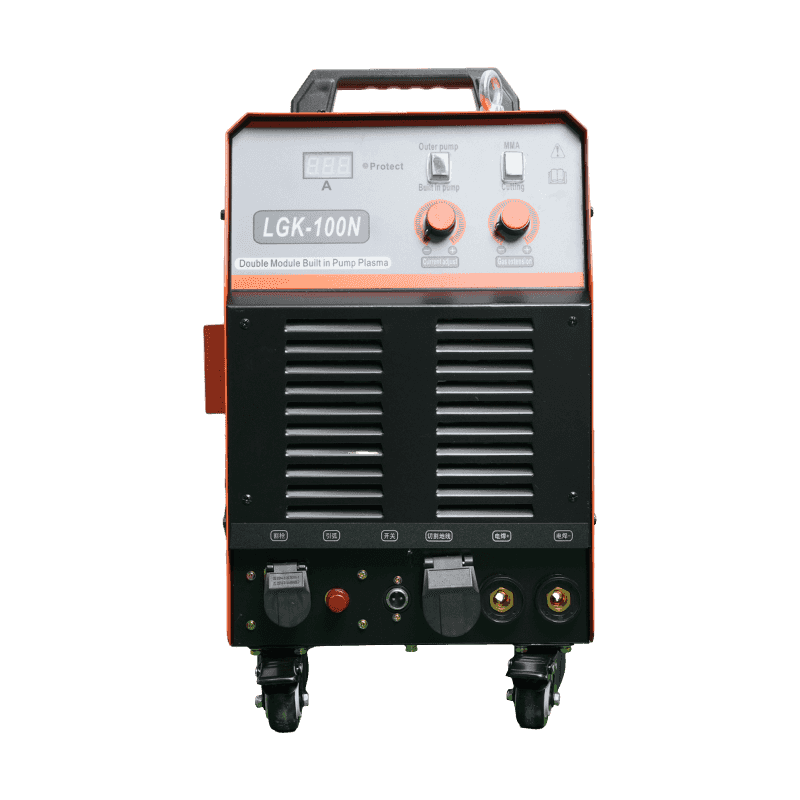
1、There are two modes of compressed air source, either a built-in air ...
See Details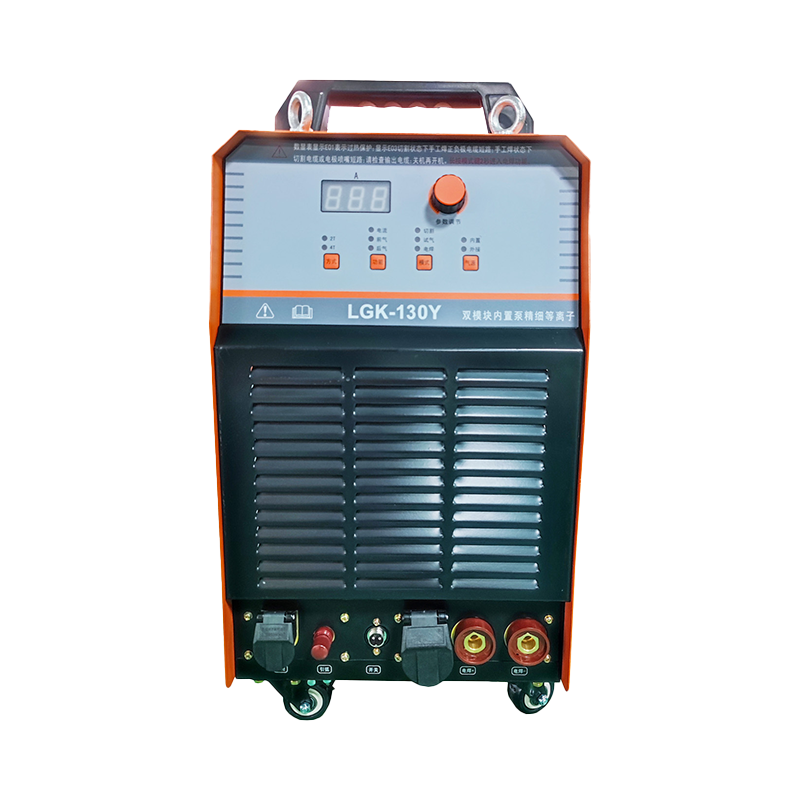
1、The arc energy is concentrated and stable, the cutting force is stro...
See Details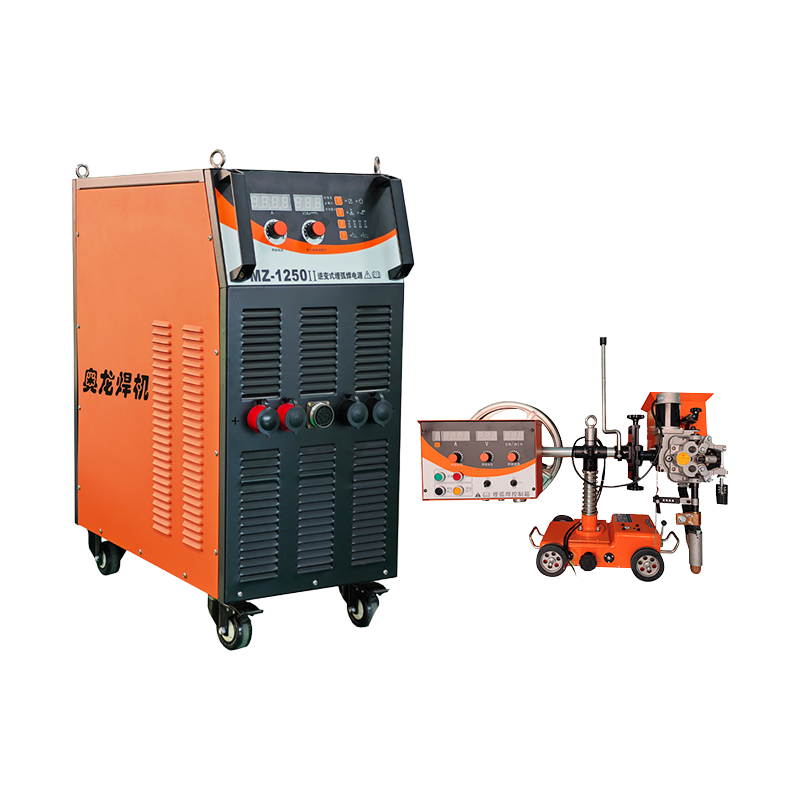
1、Two functions, submerged arc welding and manual welding. 2、High load...
See DetailsRequest for a call today


Tel: 4000707018

E-mail: aolohj@163.com

Add: Factory Building No. 5, Phase II, Pioneer Park, Economic Development Zone, Taizhou City, Jiangsu Province, China.
Copyright 2023 Jiangsu Aolong Electric Technology Co., Ltd. All Rights Reserved.
 Privacy Policy Industrial Welding Machine Manufacturers


Contact Us