


 English
 中文简体
中文简体 Español
 русский
NBC-315Y 220V/380V 300A IGBT Inverter Portable welder Built-in wire feeder 2T/4T MIG/MAG(GMAW)
Cat:Gas shielded welding machine
1、The machine adopts a phase-shifted full-bridge inverter main circuit...
See DetailsContent
An MMA (Manual Metal Arc) welding machine, also known as a stick welder or SMAW (Shielded Metal Arc Welding) machine, is a versatile welding device that uses consumable flux-coated electrodes to create strong metal joints through electric arc heat. The machine generates an electrical arc between the electrode and the workpiece, reaching temperatures of approximately 6,500°F (3,600°C), which melts both the electrode and base metal to form a weld pool. As the electrode melts, its flux coating releases protective gases and forms a slag layer that shields the weld from atmospheric contamination.
MMA welding machines are among the most widely used welding equipment globally, accounting for approximately 50% of all industrial welding applications due to their simplicity, portability, and ability to work in challenging conditions including outdoors, in windy environments, and on rusty or dirty materials. Unlike MIG or TIG welding, MMA welding requires minimal equipment setup and no external shielding gas cylinders, making it the preferred choice for construction, maintenance, repair work, and field applications.
MMA welding machines come in several configurations, each with distinct advantages for specific applications and user requirements.
Traditional transformer welders use copper windings to step down mains voltage to welding voltage, typically producing AC (alternating current) output. These machines are robust, reliable, and can last 20-30 years with minimal maintenance. However, they are heavy, weighing between 40-100 pounds for machines rated at 150-225 amps, and have limited duty cycles of around 20-30% at maximum output. Transformer machines excel in industrial settings where portability isn't critical and reliability is paramount.
Modern inverter welding machines use electronic components to convert input power to high-frequency AC, then rectify it to DC output. This technology delivers 60-80% weight reduction compared to transformer models, with a 200-amp inverter typically weighing only 10-20 pounds. Inverter machines offer superior arc control, higher efficiency (85-90% versus 50-60% for transformers), duty cycles of 60-100% at rated output, and can operate on wider input voltage ranges. They cost 30-50% more than equivalent transformer machines but provide better performance and fuel savings in generator-powered applications.
These self-contained units combine a gasoline or diesel engine with a welding generator, producing welding power independent of electrical infrastructure. Engine-driven welders are essential for remote construction sites, pipeline work, and field repairs. They typically generate 200-400 amps of welding current while simultaneously providing 3,000-12,000 watts of auxiliary AC power for tools and lighting. Fuel consumption ranges from 0.5-1.5 gallons per hour depending on load and engine size.
| Machine Type | Weight Range | Duty Cycle | Efficiency | Typical Price Range |
|---|---|---|---|---|
| Transformer AC | 40-100 lbs | 20-30% | 50-60% | $200-$600 |
| Inverter DC | 10-25 lbs | 60-100% | 85-90% | $300-$1,200 |
| Engine-Driven | 200-500 lbs | 100% | Variable | $2,000-$8,000 |
Choosing the right MMA welding machine requires understanding several critical specifications that determine performance and suitability for your applications.
Amperage determines the maximum electrode size and material thickness you can weld. For general applications, a 200-amp machine handles electrodes up to 5/32 inch (4mm) and can weld steel up to 3/8 inch (10mm) in a single pass. Hobby users working with thin materials (18-14 gauge) need only 70-90 amps, while professional fabricators welding structural steel commonly require 225-300 amps. A useful rule: for every 1/16 inch of steel thickness, you need approximately 40 amps of welding current.
Duty cycle indicates how long a machine can weld continuously in a 10-minute period without overheating. A 60% duty cycle at 200 amps means the machine can weld for 6 minutes, then must cool for 4 minutes. Professional machines typically offer 80-100% duty cycles at rated output, while budget models may drop to 20-40%. At lower amperage settings, duty cycle increases significantly—a machine rated 40% at 200A might achieve 100% duty cycle at 120A.
MMA machines operate on various power inputs. Common configurations include:
Verify your electrical service can provide adequate amperage—a 200-amp welder on 240V draws approximately 50-60 amps from the circuit at maximum output, requiring a dedicated 60-amp breaker minimum.
Advanced inverter machines include electronic features that improve arc stability and ease of use. Hot start provides a brief current boost when striking the arc, reducing stick incidents by 70-80%. Arc force compensation increases current when the arc length shortens, preventing electrode freeze. Anti-stick functionality cuts current if the electrode welds to the workpiece, allowing easy removal. These features particularly benefit beginners and improve productivity in all-position welding.
OCV is the voltage present at the electrode when not welding, typically 50-80 volts for most machines. Higher OCV (70-80V) improves arc starting and stability, especially with cellulosic electrodes, but increases electrical shock risk in confined spaces. Some machines offer voltage reduction devices (VRD) that lower OCV to safe levels (below 35V) within milliseconds after welding stops, important for work in hazardous environments.
MMA welding machines work with various electrode types, each designed for specific materials and welding positions. Understanding electrode classification ensures proper machine setup and weld quality.
Electrodes follow the AWS (American Welding Society) designation system. For example, E6010 indicates: E (electrode), 60 (60,000 psi tensile strength), 1 (all-position capability), and 0 (power supply type and coating). The most commonly used electrodes are E6011, E6013, E7018, and E7024, with E7018 being the industry standard for structural steel welding due to its low-hydrogen coating that produces strong, crack-resistant welds.
Electrode selection must match your machine's output. DC machines offer electrode polarity selection (DCEP or DCEN), with DCEP (electrode positive) used for 90% of applications as it provides deeper penetration. AC-only machines limit you to electrodes like E6011 and E6013, while DC or AC/DC machines accept all electrode types. Inverter DC machines provide the most versatility and superior arc characteristics with low-hydrogen E7018 electrodes.
Each electrode diameter requires specific current ranges for optimal performance:
Using current outside these ranges causes poor arc stability, excessive spatter, or inadequate penetration. Most professional welders keep 1/8 inch and 5/32 inch electrodes as standard stock.
Mastering MMA welding technique requires understanding proper setup, arc manipulation, and troubleshooting common problems.
Begin by setting amperage according to electrode manufacturer recommendations, typically printed on the electrode box. Connect the work clamp to clean base metal as close to the weld area as possible—poor ground connections account for 30-40% of arc stability problems. Strike the arc using either a scratching motion (like striking a match) or a tapping motion perpendicular to the workpiece. Once the arc establishes, maintain a consistent arc length equal to the electrode core wire diameter, typically 1/8 inch for most applications.
Maintain a travel speed of approximately 6-10 inches per minute for 1/8-inch electrodes on 1/4-inch steel, adjusting based on weld pool appearance. The electrode should angle 5-15 degrees in the direction of travel (drag angle) for flat and horizontal positions. Watch the weld pool, not the arc—a proper pool appears bright orange with smooth, controlled ripples. Travel too fast and the bead becomes narrow and convex; travel too slow and you risk burn-through or excessive buildup.
Penetration depth depends on current, travel speed, and arc length. For full penetration on 1/4-inch steel, use approximately 160-180 amps with a 1/8-inch E7018 electrode. Increase current by 10-15% for overhead positions where gravity pulls the pool away from the weld. Slight weaving motions (1.5-2 times electrode diameter) help fill wider joints and control heat input, but excessive weaving causes slag inclusions and reduces penetration.
When restarting after an electrode change, chip away slag from the crater and restart slightly ahead of the crater, then move back to fill it before continuing forward. Proper crater filling prevents crack formation at weld terminations. At the end of a weld pass, pause briefly while filling the crater, then quickly break the arc to minimize crater depth. Unfilled craters are initiation points for 60-70% of weld failures in cyclic loading.
MMA welding machines excel in diverse applications across multiple industries and material types.
Construction and structural steel fabrication represent the largest application sector for MMA welding. The process easily handles materials from 16-gauge sheet metal up to several inches thick with multiple passes. Building frames, bridges, towers, and structural reinforcement rely on MMA welding for field assembly where portability and wind resistance are essential. E7018 low-hydrogen electrodes dominate this sector due to code requirements for structural integrity.
Repair welding on equipment, machinery, and infrastructure accounts for approximately 35-40% of all MMA welding. The process tolerates rusty, painted, or contaminated surfaces better than MIG or TIG, making it ideal for field repairs. Agricultural equipment, mining machinery, and heavy equipment maintenance commonly use MMA welding. Special hardfacing electrodes can rebuild worn surfaces and add wear-resistant layers to extend component life.
Oil and gas pipelines, water mains, and pressure vessels require certified welders using specific MMA procedures. Cellulosic electrodes like E6010 provide deep penetration for root passes, while E7018 fills and caps ensure X-ray quality welds meeting ASME Section IX standards. The ability to weld in all positions makes MMA ideal for fixed-position pipeline work where the pipe cannot be rotated.
MMA welding handles cast iron repairs using nickel-based electrodes (ENi-CI) or specialized cast iron electrodes (E99). Stainless steel fabrication uses E308L or E316L electrodes matching the base metal grade. Hard-to-weld materials like high-carbon steel benefit from preheat and specialized low-hydrogen electrodes. The process's versatility extends to surfacing applications where wear-resistant chromium carbide electrodes rebuild crusher jaws, mixer blades, and tillage points.
Proper maintenance extends machine life and ensures consistent performance, while systematic troubleshooting quickly resolves common issues.
MMA welding machines require minimal maintenance compared to wire-feed processes. Monthly tasks include:
Transformer machines benefit from annual inspection of connections and insulation, while inverter machines should have electronic boards inspected every 2-3 years in dusty environments. Cable replacement becomes necessary when insulation shows cracking or when resistance measurements exceed manufacturer specifications.
Arc instability and erratic performance often trace to simple causes. Verify input power voltage remains within ±10% of rated voltage—low voltage reduces available welding current by 15-25%. Check for loose cable connections, particularly at the machine terminals where high current flow causes gradual loosening. Poor work clamp contact creates resistance that robs welding power; clean contact surfaces and verify solid connection to base metal.
If a machine trips thermal protection frequently, first verify you're operating within rated duty cycle limits. Blocked cooling vents reduce airflow by 40-60%, dramatically decreasing duty cycle. Ambient temperatures above 104°F (40°C) require derating the machine or allowing longer cool-down periods. Using undersized extension cords causes voltage drop and forces the machine to draw higher current, increasing heat generation and reducing duty cycle by 20-30%.
Frequent electrode sticking indicates current set too low, damp electrodes, or contaminated base metal. Increase current by 10-15 amps and verify electrodes have been stored properly in a dry environment. Arc starting problems with new electrodes suggest insufficient open circuit voltage or a failing hot-start circuit in inverter machines. Clean the workpiece thoroughly—mill scale, rust, or paint increase the voltage required to initiate the arc by 30-50%.
MMA welding presents multiple hazards requiring proper protective equipment and safety procedures to prevent injury.
Essential PPE for MMA welding includes an auto-darkening welding helmet with shade #10-13 lens for arc protection, leather welding gloves resistant to heat and sparks, flame-resistant jacket and pants covering all exposed skin, and leather boots with ankle protection. Arc radiation causes severe eye damage within seconds of exposure—never strike an arc without proper eye protection. Respirators are necessary when welding galvanized steel, stainless steel, or in confined spaces where fume concentration exceeds safe levels.
MMA welding's open circuit voltage (50-80V) poses electrocution risk, particularly in wet or confined spaces. Never weld in standing water or while wearing wet clothing. Ensure machines have proper grounding through a three-prong plug and intact ground wire. In high-risk environments, use machines with voltage reduction devices that lower OCV to below 35V between welds. Inspect cables monthly for damage—exposed conductors create shock hazards and arc flash risks.
Welding sparks travel up to 35 feet and can ignite combustibles hours after welding stops. Clear a 35-foot radius of flammable materials or use welding blankets and screens for protection. Keep a fire extinguisher rated for electrical fires (Class C) within reach. Provide adequate ventilation to prevent fume accumulation—welding generates metal oxide fumes that cause metal fume fever and long-term respiratory damage. Position fume extraction at the weld point or ensure general ventilation provides at least 2,000 cubic feet per minute per welder in enclosed spaces.
Welding in tanks, vessels, or enclosed spaces requires special safety measures. Test atmosphere for adequate oxygen (19.5-23.5%), explosive gases, and toxic fumes before entry. Provide forced ventilation and continuous air monitoring during welding. Station an attendant outside who maintains visual or voice contact. Use low-voltage machines or VRD-equipped units to minimize shock risk. Confined space welding accounts for 15-20% of welding fatalities despite representing less than 5% of welding operations, emphasizing the importance of proper procedures.
Understanding the complete cost of ownership helps justify equipment purchases and optimize operational efficiency.
Entry-level hobbyist machines start around $200-300 for basic 90-120 amp units, while professional 200-amp inverter welders range from $500-1,200. Industrial-duty machines rated 300+ amps cost $1,500-3,500. Complete setups require additional investment in electrode holders ($25-75), work clamps ($20-60), cables ($100-300 for quality sets), safety equipment ($200-400), and initial electrode inventory ($100-200). Total startup investment for professional-quality equipment typically ranges from $1,000-2,000.
Electrodes represent the primary consumable cost. Professional E7018 electrodes cost approximately $15-25 per 10-pound package, providing 45-60 feet of weld with 1/8-inch rods. A skilled welder deposits 2-4 pounds of weld metal per hour, consuming $3-10 in electrodes depending on rod size and type. Electrical costs are modest—a 200-amp machine at full output draws 9-10 kW, costing roughly $1.20-1.50 per hour at typical industrial electricity rates. Productivity losses from duty cycle limitations cost more than power consumption for many applications.
MMA welding offers the lowest equipment cost among arc welding processes. MIG welding requires 30-50% higher initial investment for machines plus wire feeders, gas cylinders, and regulators. TIG welding equipment costs 50-100% more and requires more operator skill. However, MIG and TIG provide higher deposition rates (4-8 lbs/hour vs 2-4 lbs/hour for MMA), better suited for production welding. MMA excels in repair work, field construction, and applications where equipment portability and simplicity justify lower productivity.
For contractors and fabrication shops, equipment cost recovery depends on utilization. Charging $75-125 per hour for welding services and performing 10 hours of billable welding weekly generates $3,900-6,500 monthly revenue. After deducting consumables and overhead, a professional-grade machine pays for itself within 1-3 months. Even for occasional users, owning equipment eliminates $100-200 outsourcing costs per repair job, providing payback after 5-10 uses.
Selecting the optimal MMA welding machine requires matching capabilities to your specific needs and budget constraints.
Home users working on automotive repairs, farm equipment, and general fabrication need 140-160 amp capacity with 120V/240V dual voltage input. Inverter technology provides the best value with superior arc control for learning. Budget $400-700 for quality units from established manufacturers. Ensure the machine includes thermal overload protection and accepts common electrode types. A 30-40% duty cycle suffices for intermittent home use where continuous welding rarely exceeds 3-4 minutes.
Professional shops require 200-250 amp machines with 60% minimum duty cycle at rated output. Inverter machines with hot start, arc force, and anti-stick features maximize productivity. Budget $800-1,500 for industrial-quality equipment backed by warranties of 3-5 years. Consider machines offering both MMA and TIG capability for versatility. Professional applications justify premium features like digital displays, remote current adjustment, and memory settings for frequently used procedures.
Portability and reliability dominate field application requirements. Lightweight inverter machines under 20 pounds with carry handles or shoulder straps improve mobility. Engine-driven units suit remote locations without electrical power, though initial cost ($2,500-5,000) requires careful justification based on utilization. For generator-powered operation, inverter machines' high efficiency reduces fuel consumption by 30-40% compared to transformer welders, providing significant savings over the machine's lifetime.
Evaluate potential purchases against these criteria:
Avoid extremely cheap machines from unknown manufacturers—poor build quality and inadequate support negate initial savings. Established brands like Lincoln, Miller, ESAB, and Hobart provide reliable performance and readily available support networks throughout North America.
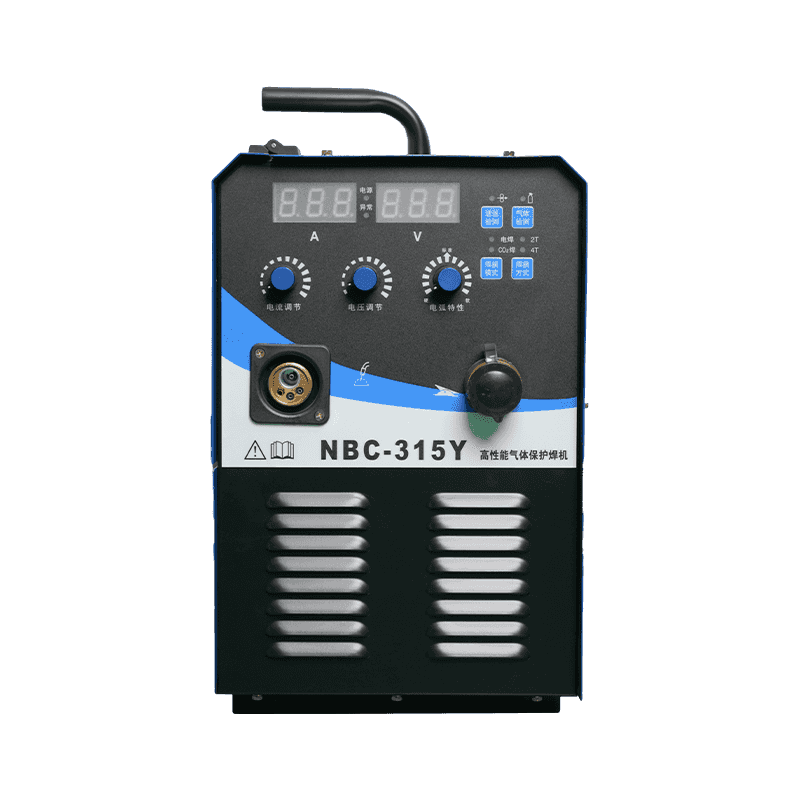
1、The machine adopts a phase-shifted full-bridge inverter main circuit...
See Details
1、Rich functions, button selection facilitates parameter adjustment 2、...
See Details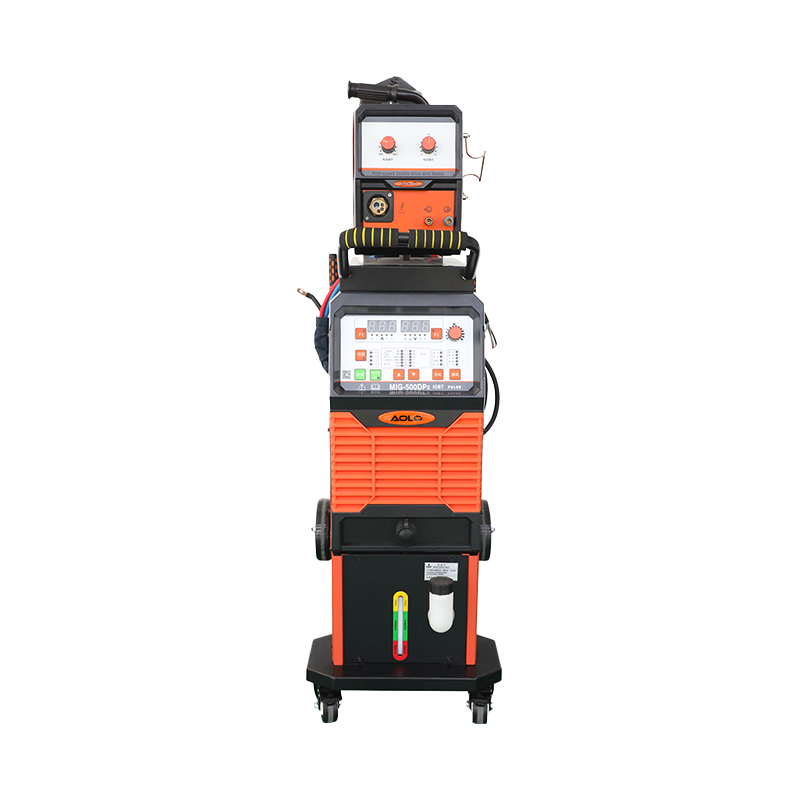
1、Manual argon arc welding with non-consumable electrode LIFTTIG; 2、Du...
See Details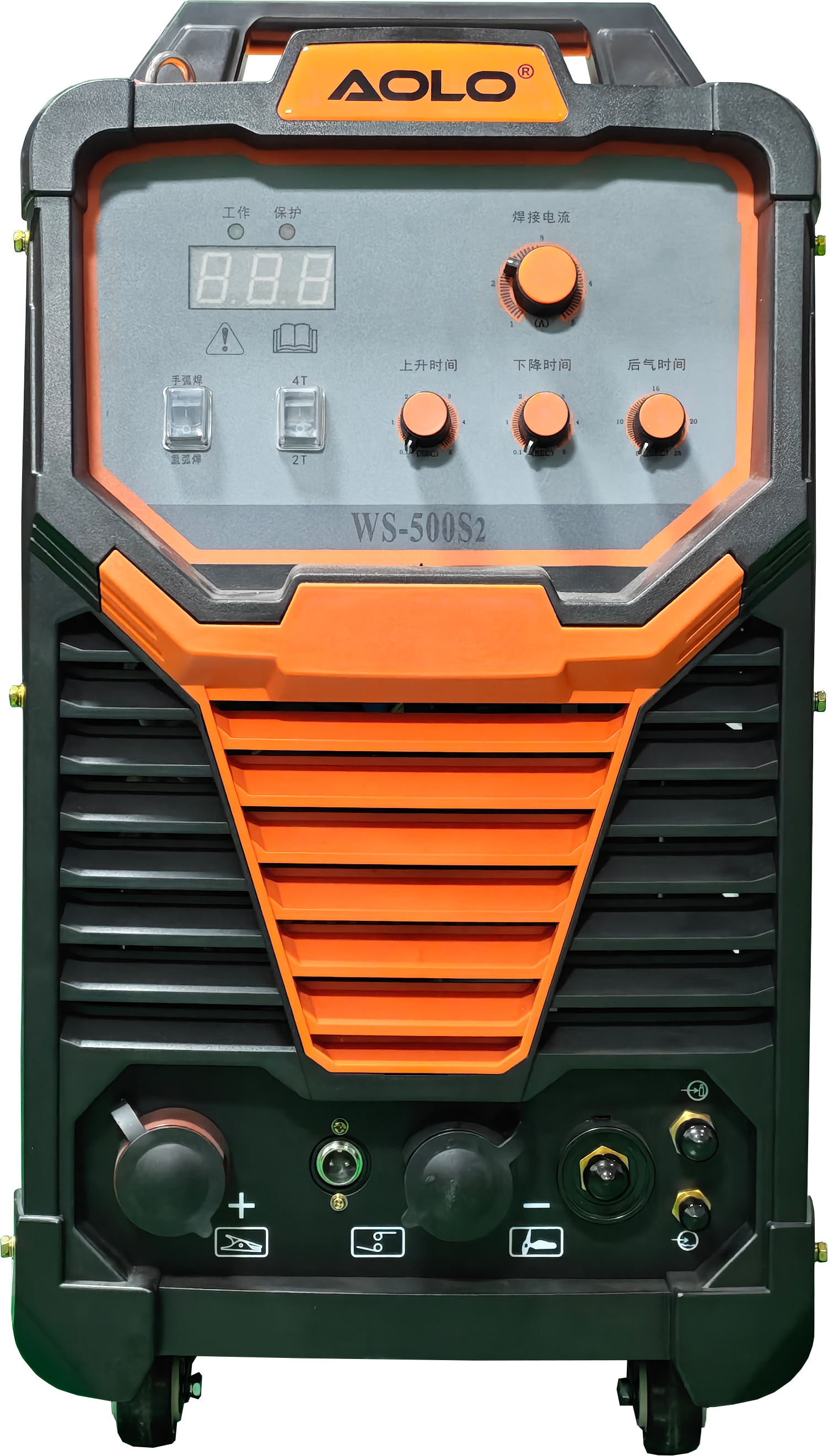
1、Easy arc starting, stable welding current, fast dynamic response spe...
See Details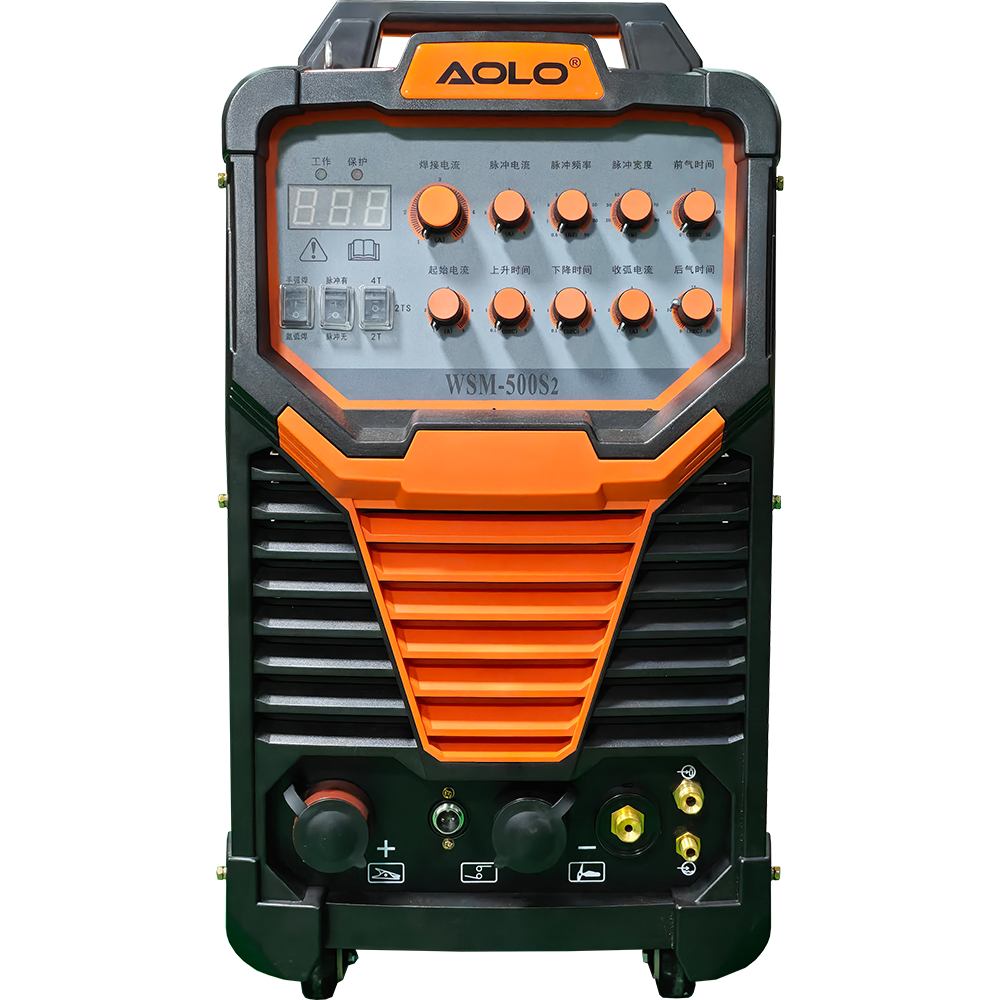
1、Pulse outputs a stable current-to-voltage ratio to control welding q...
See Details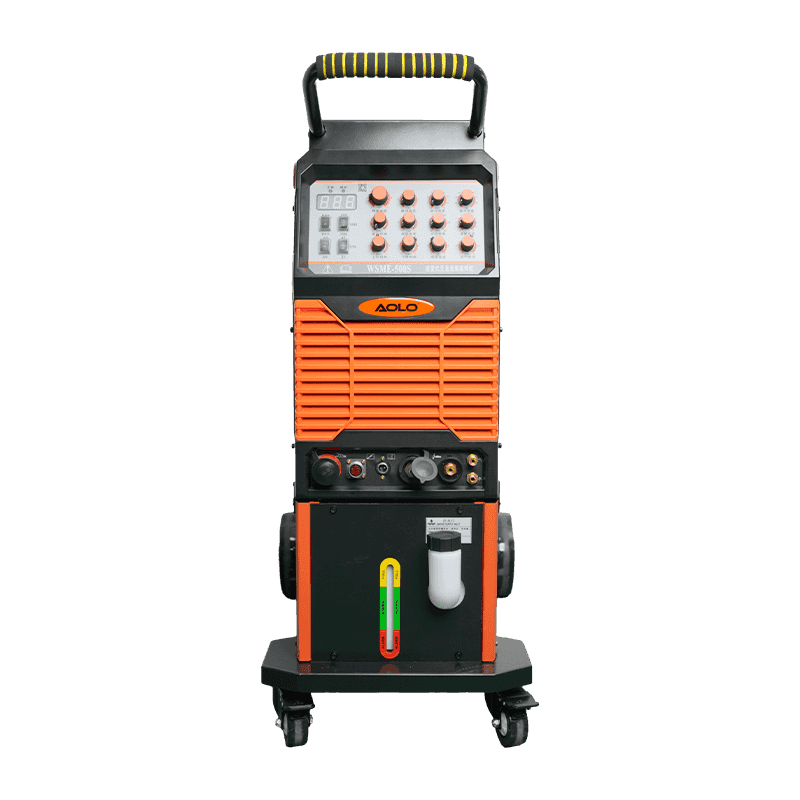
1、Heavy-duty industrial argon arc welding machine with rich parameter ...
See Details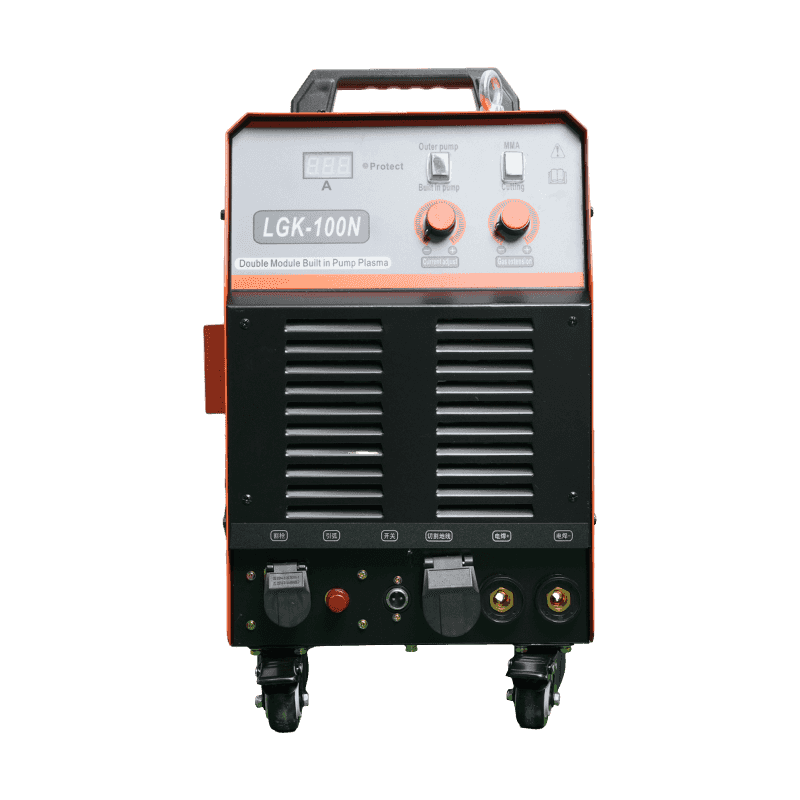
1、There are two modes of compressed air source, either a built-in air ...
See Details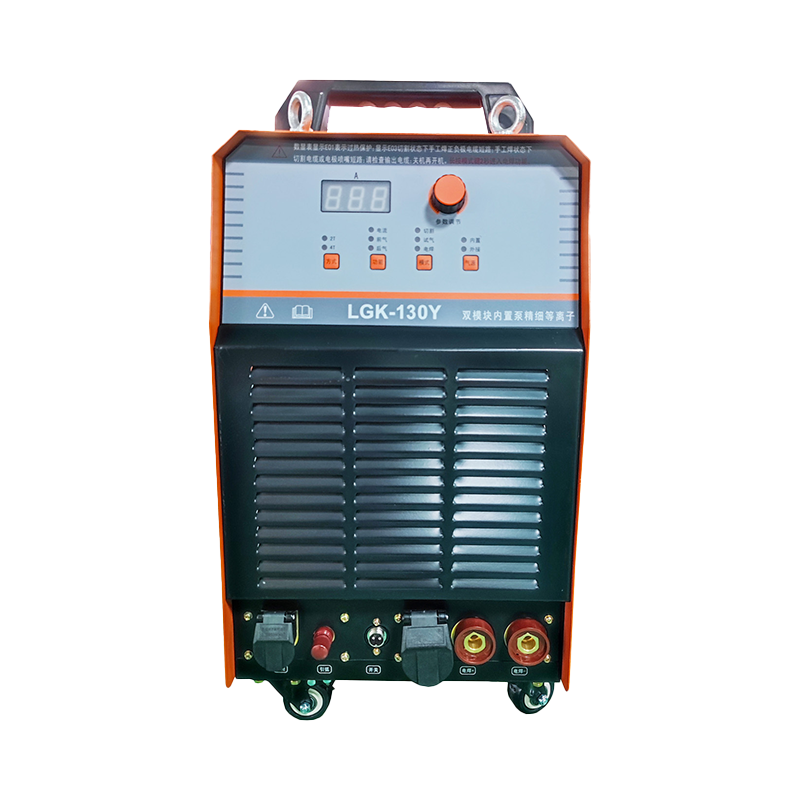
1、The arc energy is concentrated and stable, the cutting force is stro...
See Details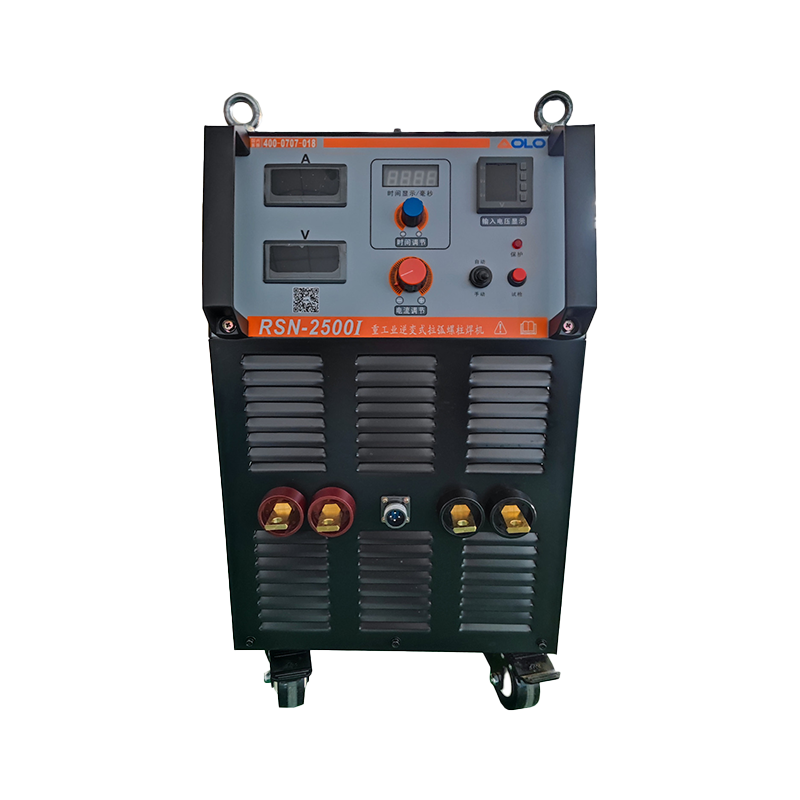
1、Heavy duty industrial stud welding machine, suitable for ship constr...
See Details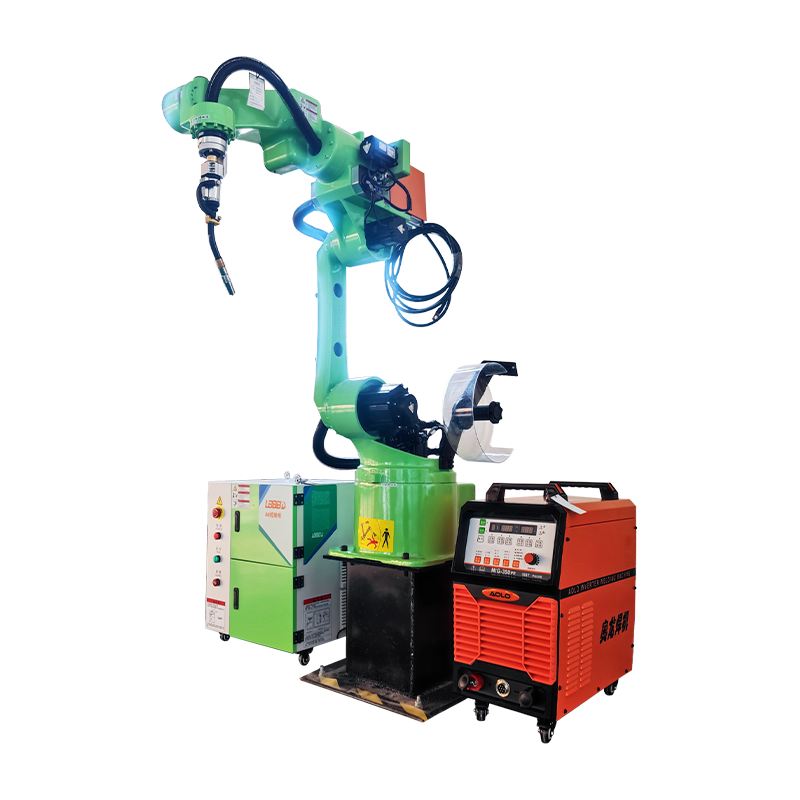
1、The robotic arm can be equipped with a gas shielded welding machine ...
See DetailsRequest for a call today


Tel: 4000707018

E-mail: aolohj@163.com

Add: Factory Building No. 5, Phase II, Pioneer Park, Economic Development Zone, Taizhou City, Jiangsu Province, China.
Copyright 2023 Jiangsu Aolong Electric Technology Co., Ltd. All Rights Reserved.
 Privacy Policy Industrial Welding Machine Manufacturers


Contact Us