


 English
 中文简体
中文简体 Español
 русский
NBC-315Y 220V/380V 300A IGBT Inverter Portable welder Built-in wire feeder 2T/4T MIG/MAG(GMAW)
Cat:Gas shielded welding machine
1、The machine adopts a phase-shifted full-bridge inverter main circuit...
See DetailsContent
Unlike gas-shielded methods, MMA welding generates its own protective atmosphere through the decomposition of the electrode’s flux coating, which forms slag and gas to shield the molten pool from atmospheric contamination. This self-contained nature makes it ideal for outdoor or remote work where gas cylinders are impractical.
An MMA welder is essentially a constant-current power source that delivers stable arc voltage despite variations in arc length. When the electrode touches the workpiece and is pulled back slightly, an electric arc forms (typically 20–30 V at 50–200 A), melting both the core wire and base metal. The flux coating simultaneously melts, releasing shielding gases (CO₂, CO) and forming a liquid slag that floats atop the weld bead, protecting it as it cools.
Modern machines are either transformer-based (AC only) or inverter-based (AC/DC). Inverters use high-frequency switching to reduce size and weight—many 160A models now weigh under 5 kg—while offering superior arc control and efficiency (up to 85% vs. 60% for traditional transformers).
Choosing the right electrode is critical. Common types include:
| Electrode | Material | Polarity | Typical Amperage (3.2mm) |
|---|---|---|---|
| E6013 | Mild steel | AC/DC+ | 90–120 A |
| E7018 | Low-hydrogen steel | DC+ | 110–140 A |
| E308L-16 | Stainless steel | AC/DC+ | 80–110 A |
E7018 requires DC+ polarity and preheating to 150°C if stored improperly, as moisture absorption causes hydrogen-induced cracking.
Amperage depends primarily on electrode diameter and material thickness. A general rule: multiply electrode diameter (in mm) by 30–40 to estimate amps (e.g., 3.2 mm × 35 = ~112 A). Too low amperage causes poor fusion and excessive slag; too high burns through thin metal and creates spatter.
Inverter machines often include “arc force” and “hot start” features. Arc force boosts current momentarily when the arc shortens (preventing sticking), while hot start delivers extra current at ignition for easier starts—especially with low-hydrogen electrodes.
MMA welding produces intense UV radiation, fumes, and sparks. Essential safety measures include:
Always clamp the work lead directly to the workpiece—not the table—to ensure a clean circuit and prevent erratic arcs.
Even experienced welders encounter issues. Key defects and solutions:
A consistent, slight “hissing” sound indicates a healthy arc; loud popping suggests contamination or incorrect settings.
MMA excels in portability and simplicity but has trade-offs:
However, MMA machines cost 30–50% less than comparable MIG units and require no gas infrastructure, making them ideal for farms, pipelines, and emergency repairs.
Consider duty cycle, input power, and portability. A 160A inverter with 60% duty cycle can weld continuously for 6 minutes out of 10 at 160A—sufficient for most hobbyists and tradespeople. For job sites with only 110V outlets, select a model rated for 120V input (e.g., 90A max output).
Top brands like Lincoln Electric, ESAB, and Fronius offer IP23-rated machines resistant to dust and light rain. Invest in a machine with thermal overload protection and smooth amperage control—it pays off in arc stability and longevity. For occasional use, even a $200 inverter can deliver professional results with the right technique and electrodes.
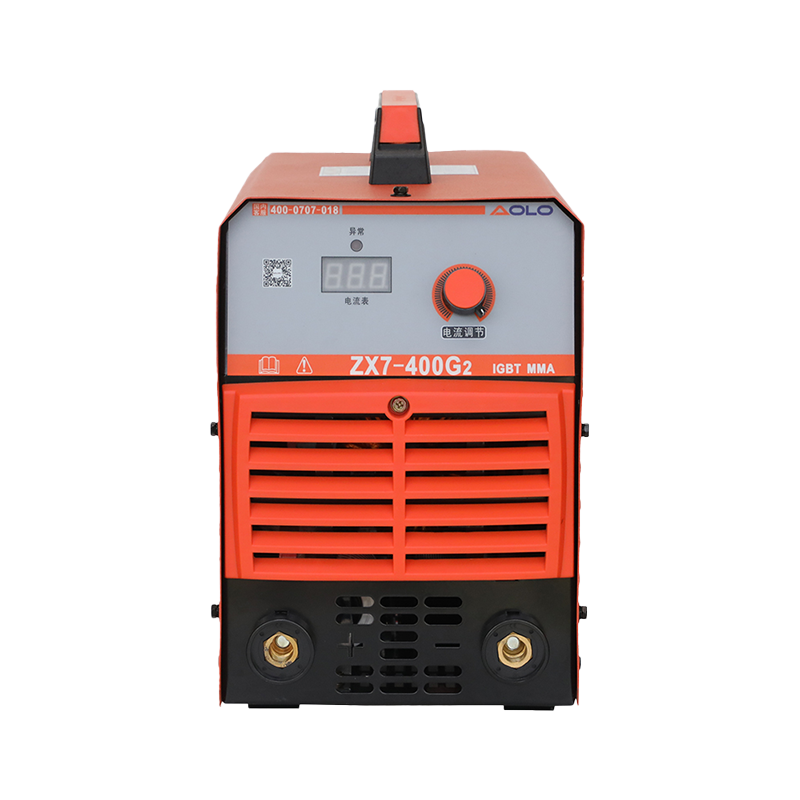
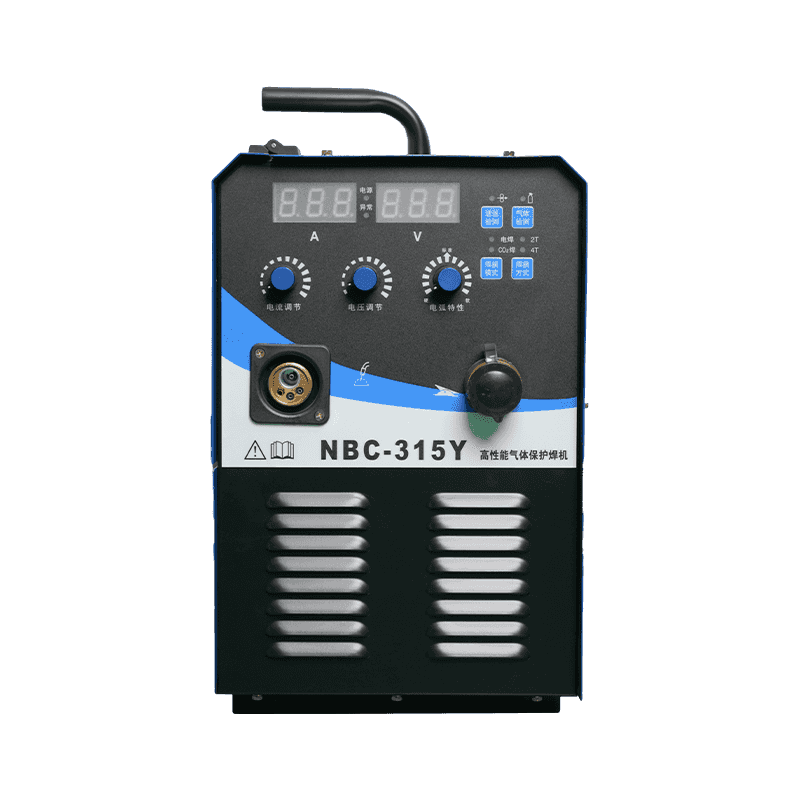
1、The machine adopts a phase-shifted full-bridge inverter main circuit...
See Details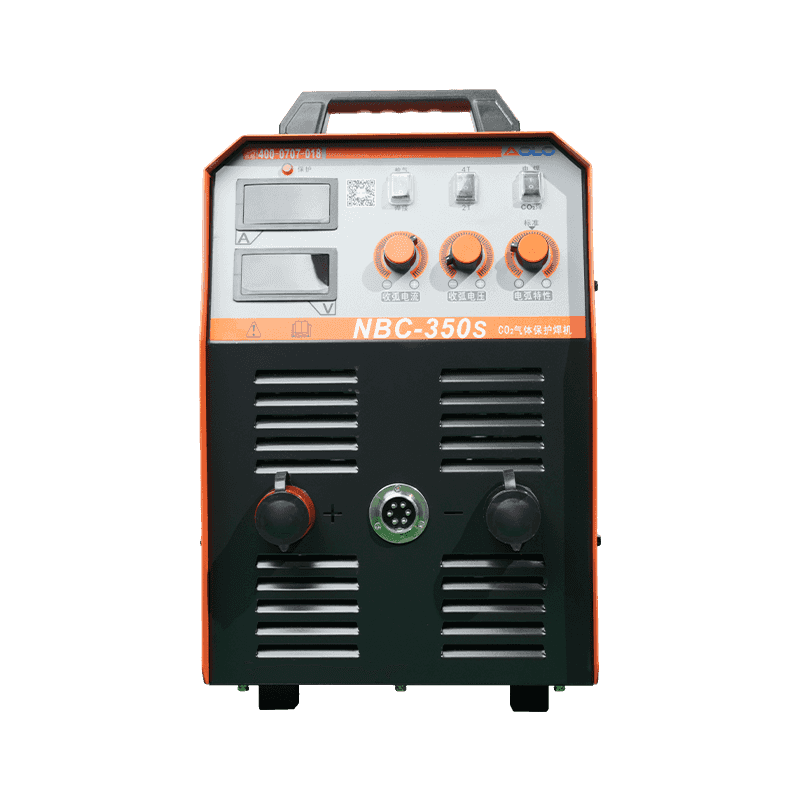
1、The welding machine is small and can be connected to a wire feeder. ...
See Details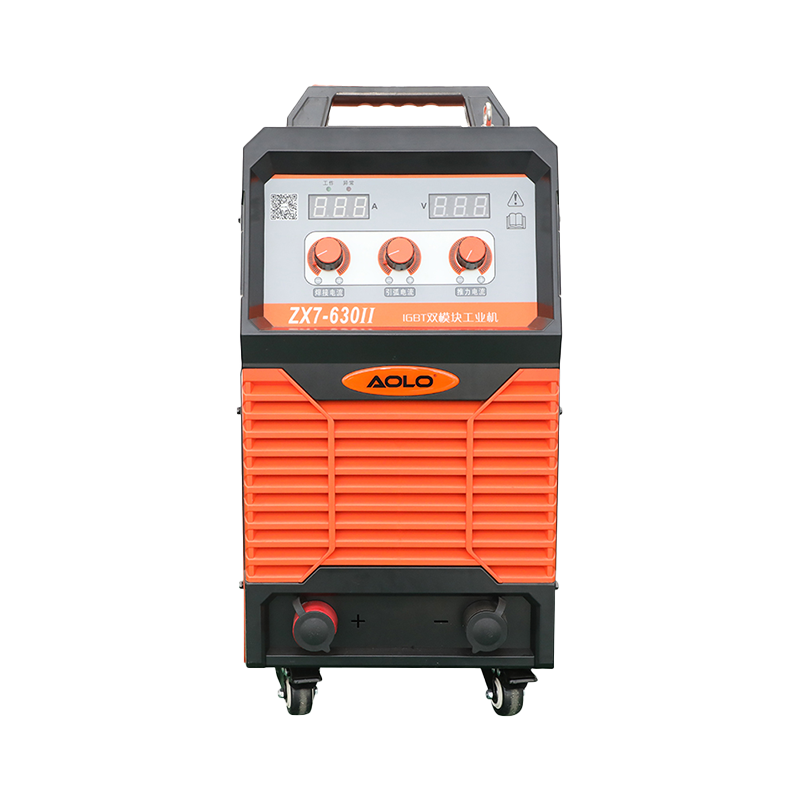
1、Heavy industrial manual welding machine, Can be used for carbon arc ...
See Details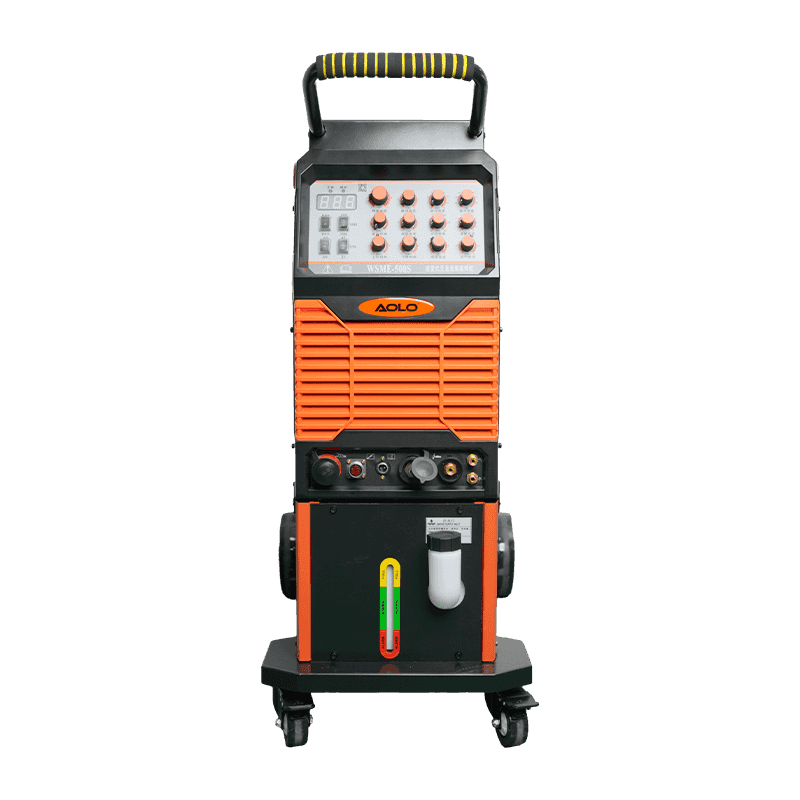
1、Heavy-duty industrial argon arc welding machine with rich parameter ...
See Details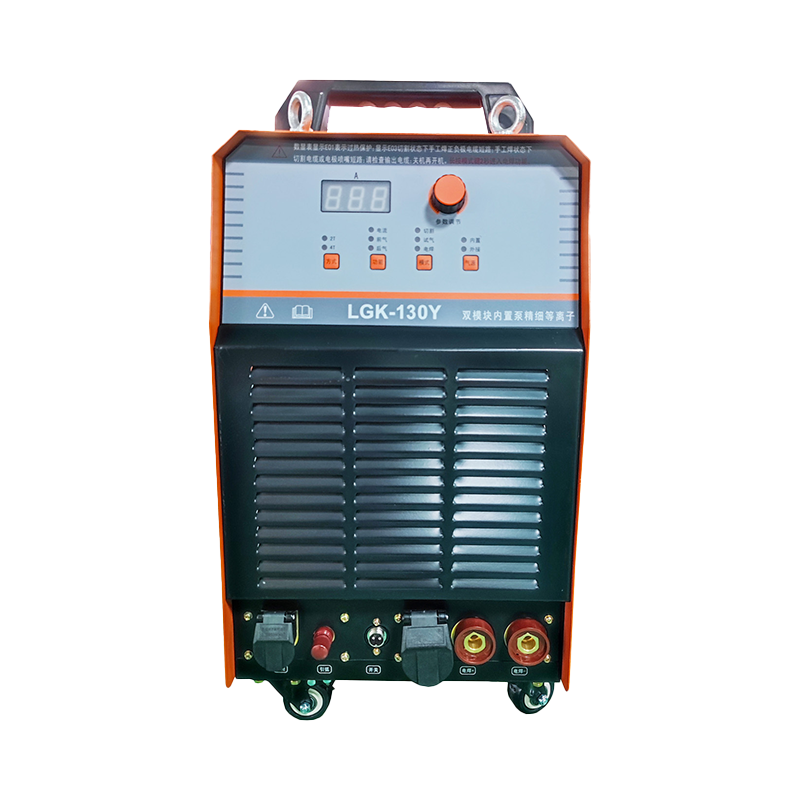
1、The arc energy is concentrated and stable, the cutting force is stro...
See Details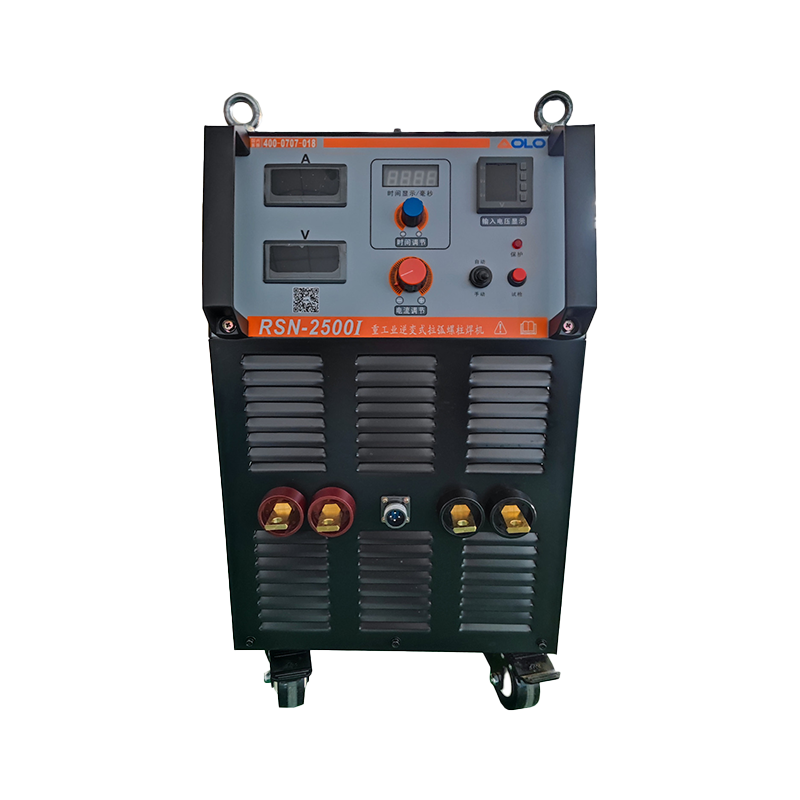
1、Heavy duty industrial stud welding machine, suitable for ship constr...
See Details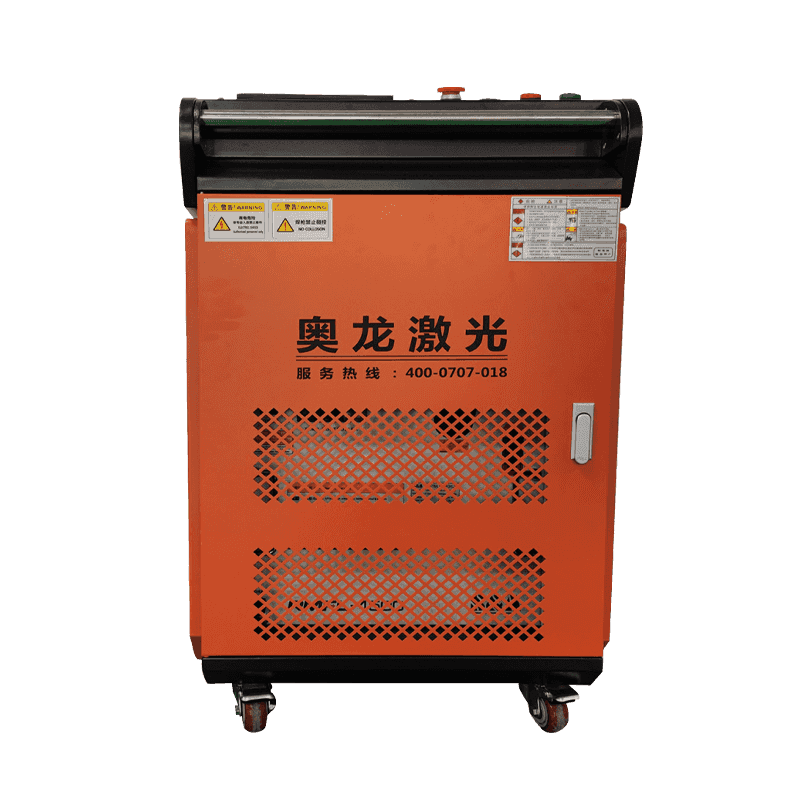
1、High-power laser welding machine, suitable for heavy-duty industrial...
See Details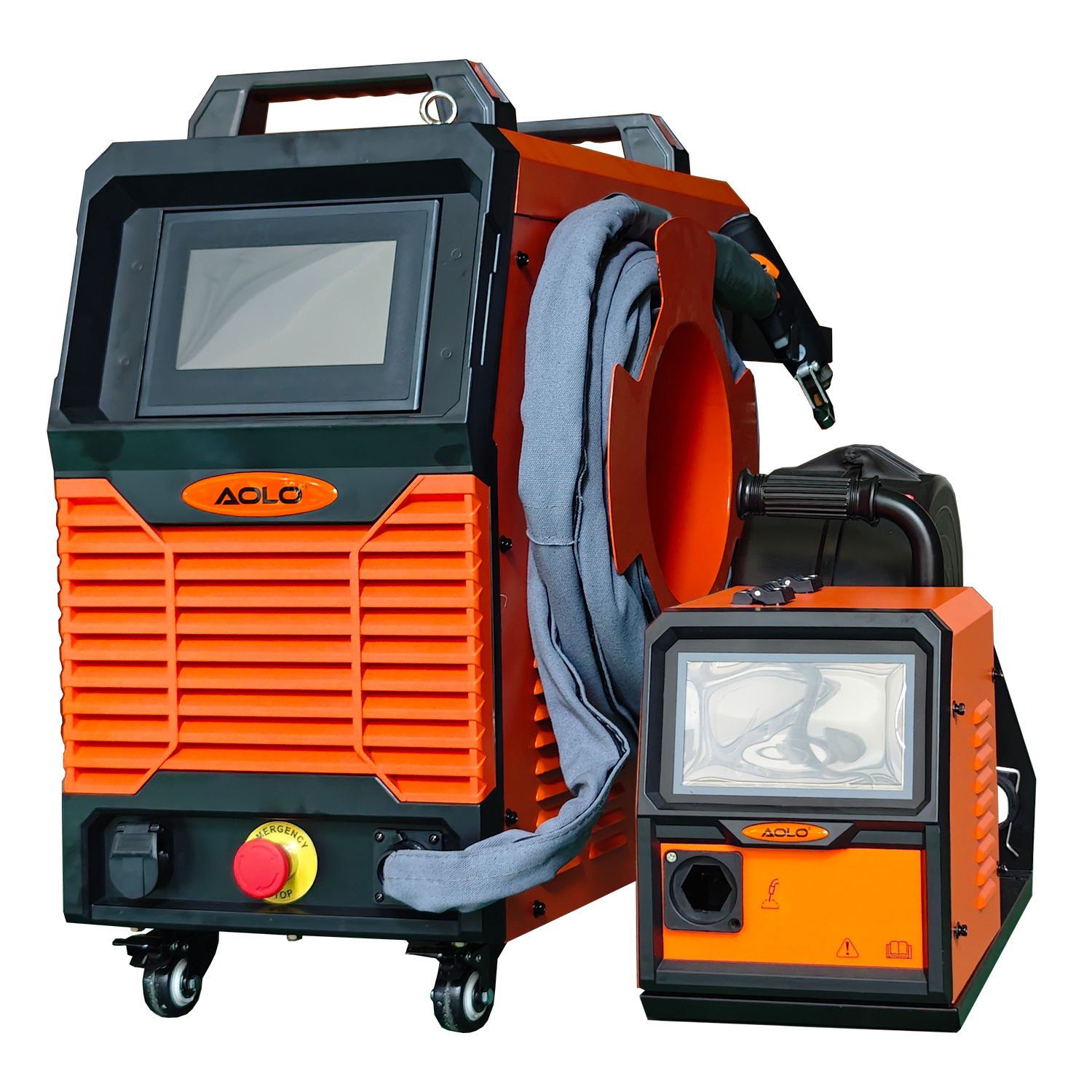
1、Air-cooled laser welding machine is smaller than water-cooled laser ...
See Details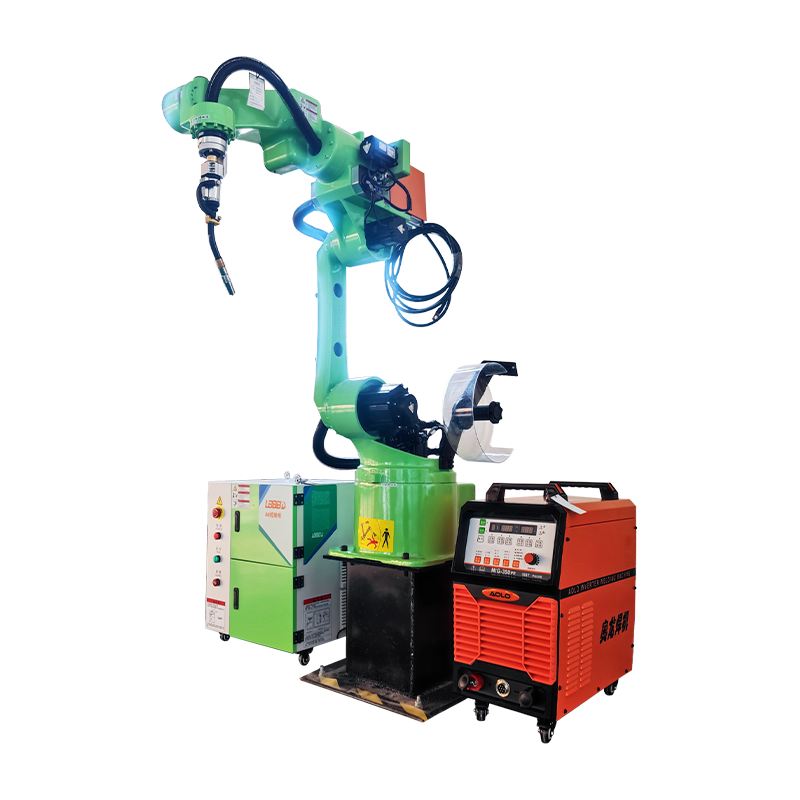
1、The robotic arm can be equipped with a gas shielded welding machine ...
See Details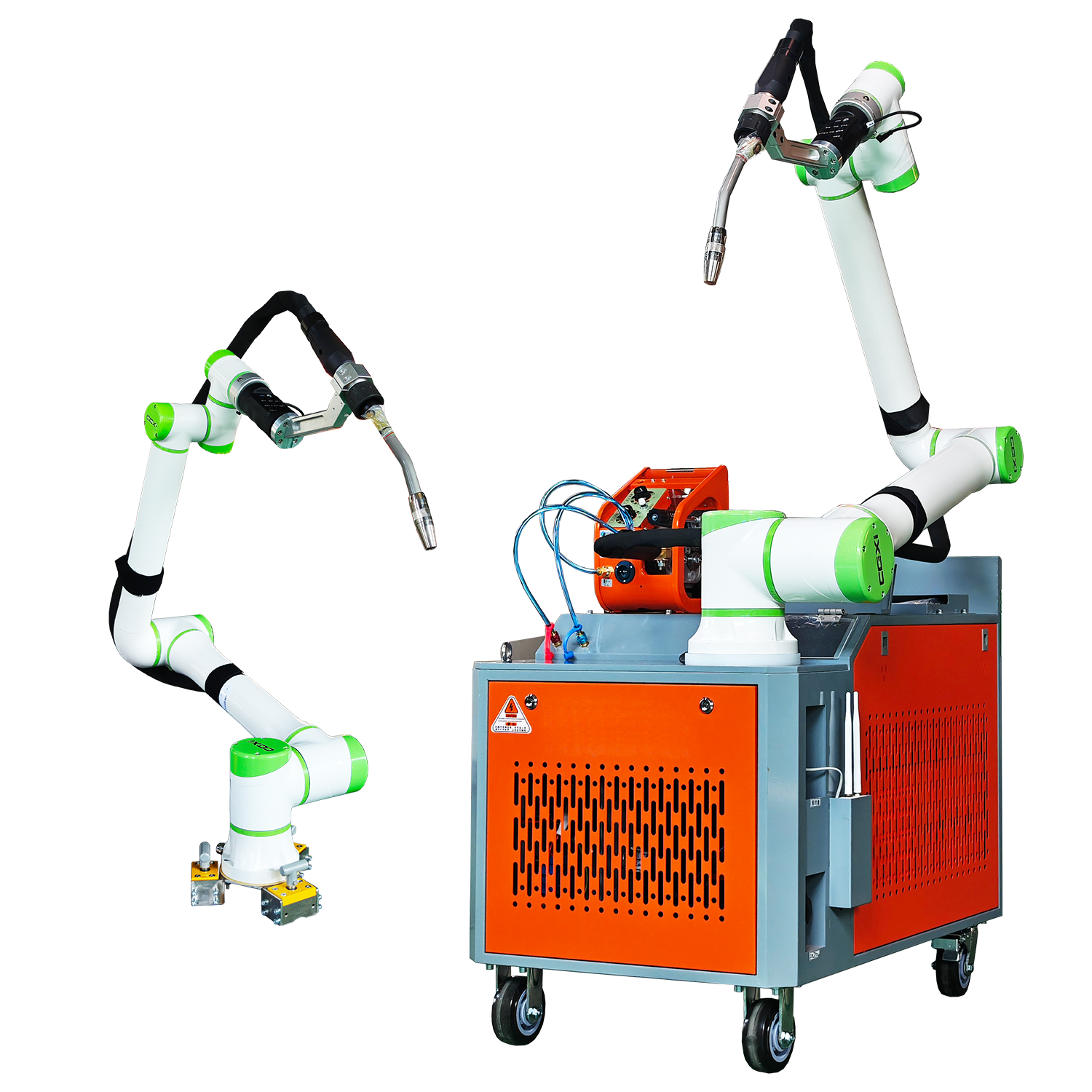
1. The welding machine communicates with the control pad, and all para...
See DetailsRequest for a call today


Tel: 4000707018

E-mail: aolohj@163.com

Add: Factory Building No. 5, Phase II, Pioneer Park, Economic Development Zone, Taizhou City, Jiangsu Province, China.
Copyright 2023 Jiangsu Aolong Electric Technology Co., Ltd. All Rights Reserved.
 Privacy Policy Industrial Welding Machine Manufacturers


Contact Us