


 English
 中文简体
中文简体 Español
 русский
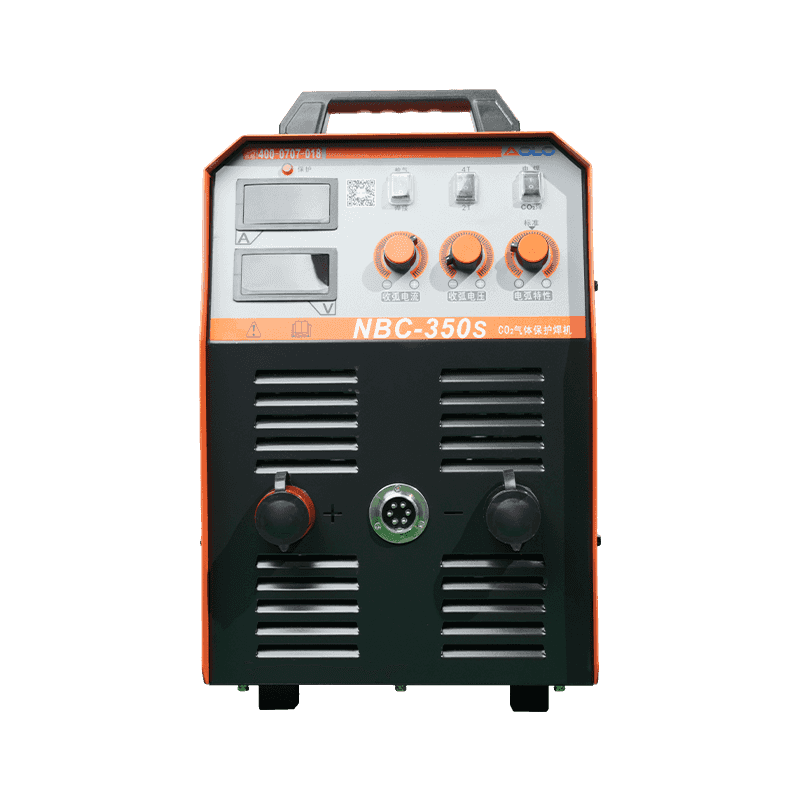
NBC-315S/NBC-350S 380V 350A IGBT Inverter Portable welder 2T/4T MIG/MAG/MMA(GMAW/SMAW)
Cat:Gas shielded welding machine
1、The welding machine is small and can be connected to a wire feeder. ...
See DetailsContent
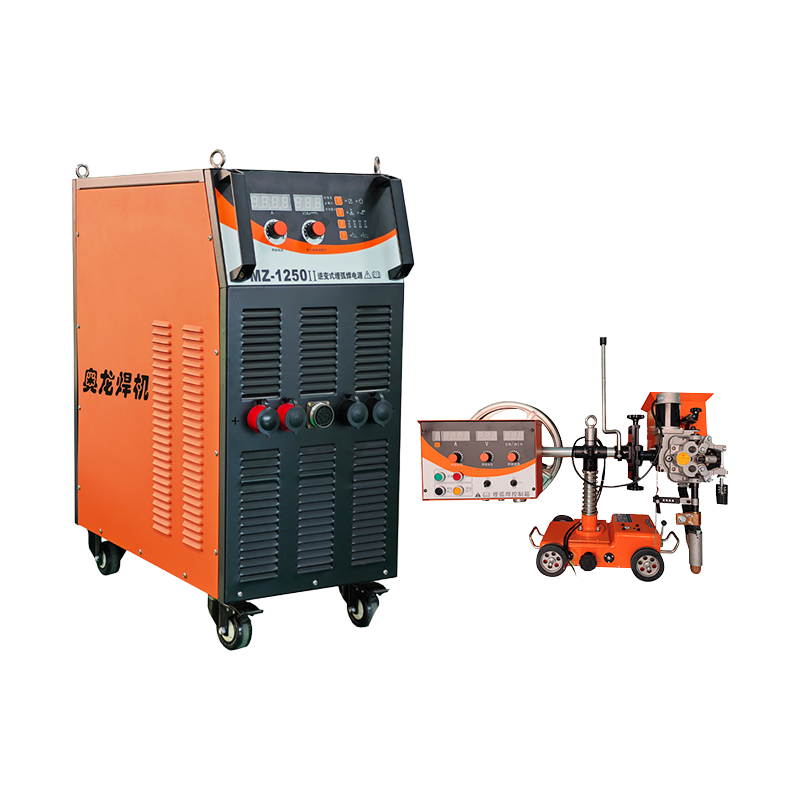
A submerged arc welding machine is primarily used for high-deposition, high-quality welding in industrial environments. The suitability of materials for this process depends on their chemical composition, thickness, and thermal behavior during welding. Because the arc is completely covered by a granular flux, submerged arc welding (SAW) offers deep penetration, stable arc performance, and minimal spatter, making it ideal for specific categories of metals.
Selecting the right materials for submerged arc welding is essential for achieving strong welds, consistent mechanical properties, and long-term structural reliability. In practice, SAW is best suited for ferrous metals that benefit from controlled heat input and continuous welding operations.
Carbon steel is the most widely welded material using a submerged arc welding machine. Its predictable metallurgy and broad availability make it well-suited for automated welding processes that require deep penetration and uniform weld beads. SAW is commonly applied to medium and thick carbon steel plates used in structural and pressure-bearing applications.
Low-carbon and medium-carbon steels respond particularly well to SAW because the flux coverage reduces atmospheric contamination and helps control hydrogen levels. This lowers the risk of cracking and ensures consistent weld quality across long seams.
Low-alloy and high-strength steels are also suitable materials for submerged arc welding machines when proper filler wires and fluxes are selected. These steels are engineered for improved mechanical properties such as higher tensile strength, toughness, or resistance to wear and corrosion.
The controlled heat input of SAW helps maintain the balance between strength and ductility in these materials. However, careful attention must be paid to preheating, interpass temperature, and post-weld heat treatment to avoid excessive hardness or cracking.
Matching the welding consumables to the base material chemistry is critical. Flux formulations can be tailored to control oxygen content and alloy recovery, ensuring the final weld metal meets design requirements.
Stainless steel can be welded using a submerged arc welding machine, particularly in applications involving thick plates and long, straight welds. Austenitic and duplex stainless steels are most commonly used with SAW due to their favorable welding characteristics.
The flux layer in SAW protects stainless steel welds from oxidation and nitrogen absorption, which helps preserve corrosion resistance. Specialized fluxes and wires are required to maintain chromium and nickel levels in the weld metal.
Stainless steel SAW is often found in chemical processing equipment, pressure vessels, and large tanks where cleanliness and corrosion resistance are essential.
Certain nickel-based alloys and heat-resistant steels are suitable for submerged arc welding when high-temperature performance is required. These materials are typically used in power generation, petrochemical processing, and heavy industrial systems.
Due to their sensitivity to heat input, welding parameters must be carefully controlled. SAW provides a stable and consistent arc, which helps reduce defects in these demanding materials when used by experienced operators.
Material suitability for submerged arc welding is closely linked to thickness and joint configuration. SAW excels at welding thick materials, typically starting from 6 mm and extending to well over 50 mm in multi-pass applications.
Flat and horizontal welding positions are preferred, as the granular flux must fully cover the molten weld pool. This makes SAW ideal for long seams in plates, shells, and pipes.
While submerged arc welding machines are highly efficient, they are not suitable for all materials. Non-ferrous metals such as aluminum, copper, and magnesium are generally incompatible with SAW due to their high thermal conductivity and different metallurgical behavior.
Thin materials are also less suitable, as the high heat input can lead to burn-through or distortion. In such cases, alternative welding processes may provide better control.
| Material Type | SAW Suitability | Typical Applications |
| Carbon Steel | Excellent | Structures, tanks |
| Low-Alloy Steel | Very Good | Pipelines, pressure vessels |
| Stainless Steel | Good | Chemical equipment |
Choosing materials suitable for a submerged arc welding machine requires balancing weld quality, production efficiency, and mechanical performance. Carbon steels remain the most practical and economical option, while alloy and stainless steels are selected for specialized requirements.
By understanding material behavior and matching it with the correct SAW consumables and parameters, manufacturers can fully leverage the advantages of submerged arc welding in heavy-duty fabrication.
1、The welding machine is small and can be connected to a wire feeder. ...
See Details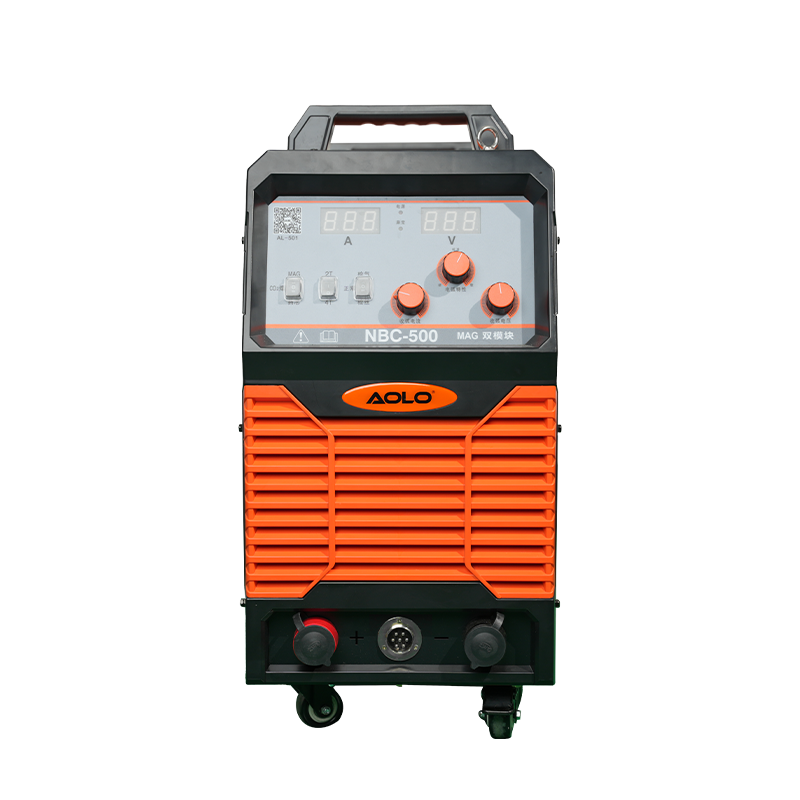
1、High load rate, stable output current for long-term welding. 2、MIG w...
See Details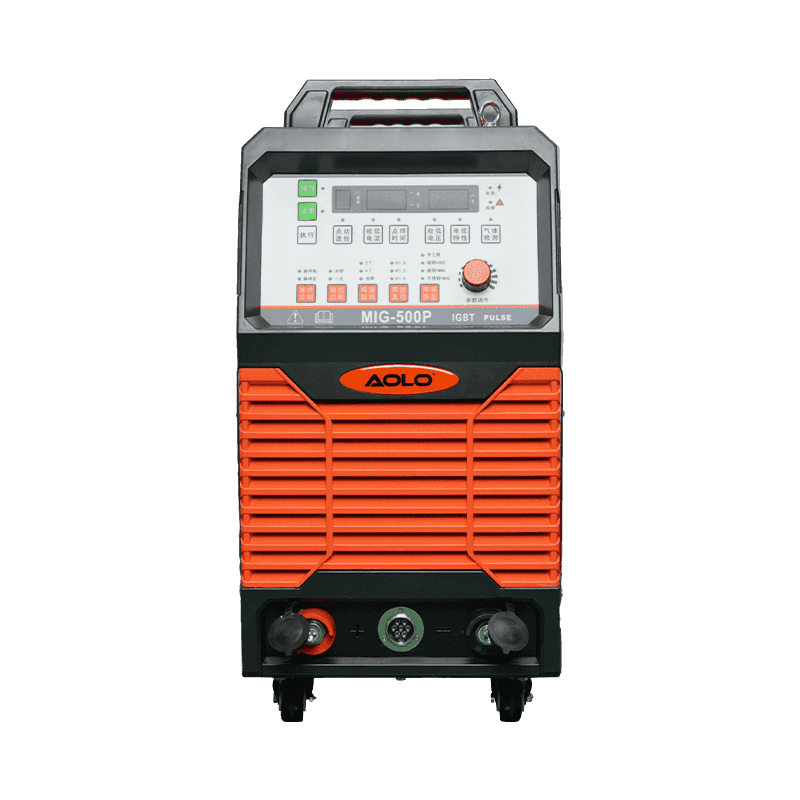
1、Rich functions, button selection facilitates parameter adjustment 2、...
See Details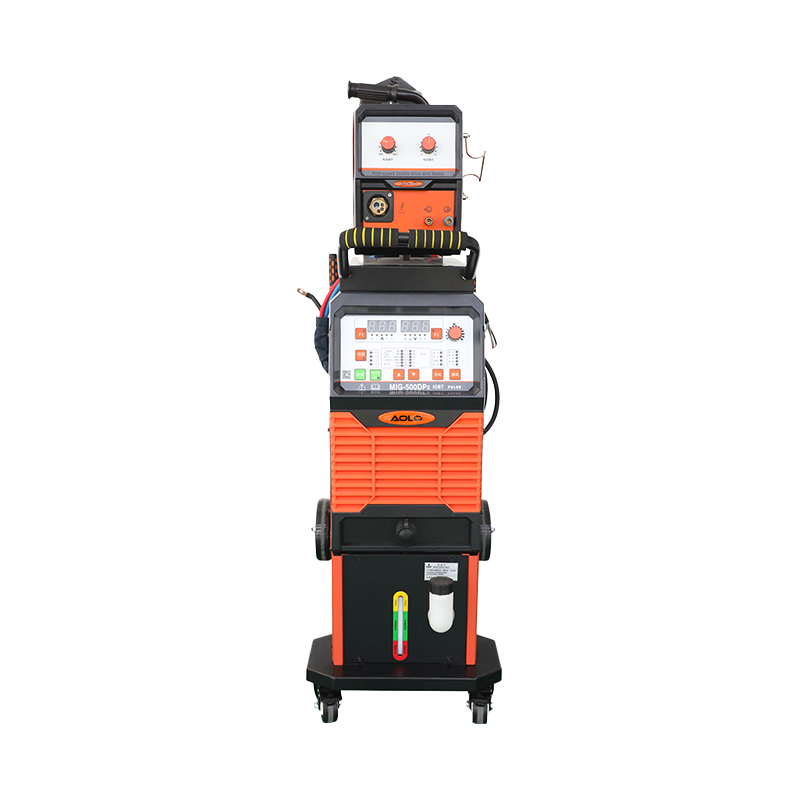
1、Manual argon arc welding with non-consumable electrode LIFTTIG; 2、Du...
See Details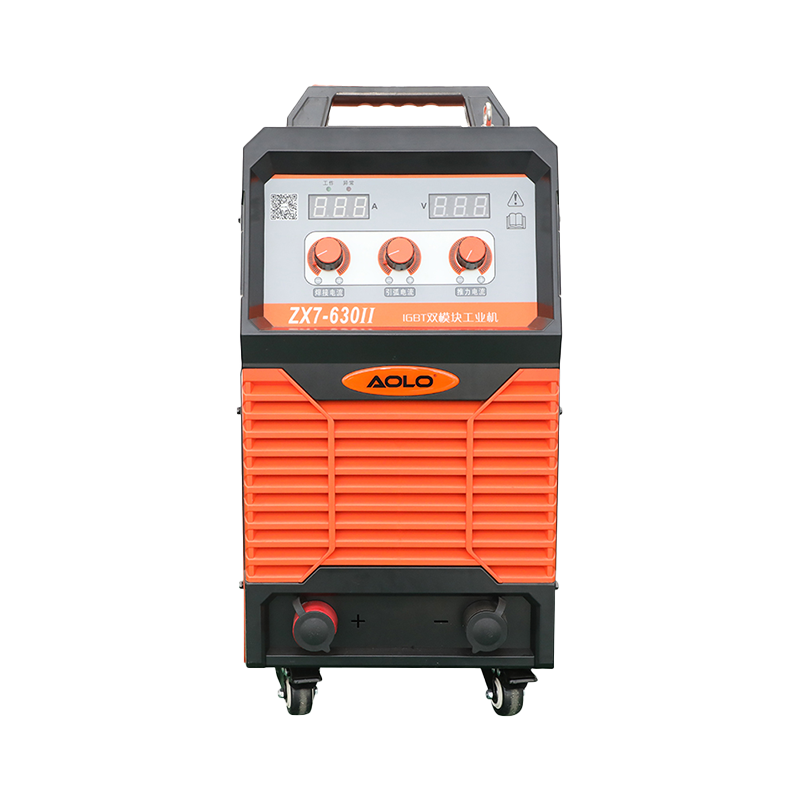
1、Heavy industrial manual welding machine, Can be used for carbon arc ...
See Details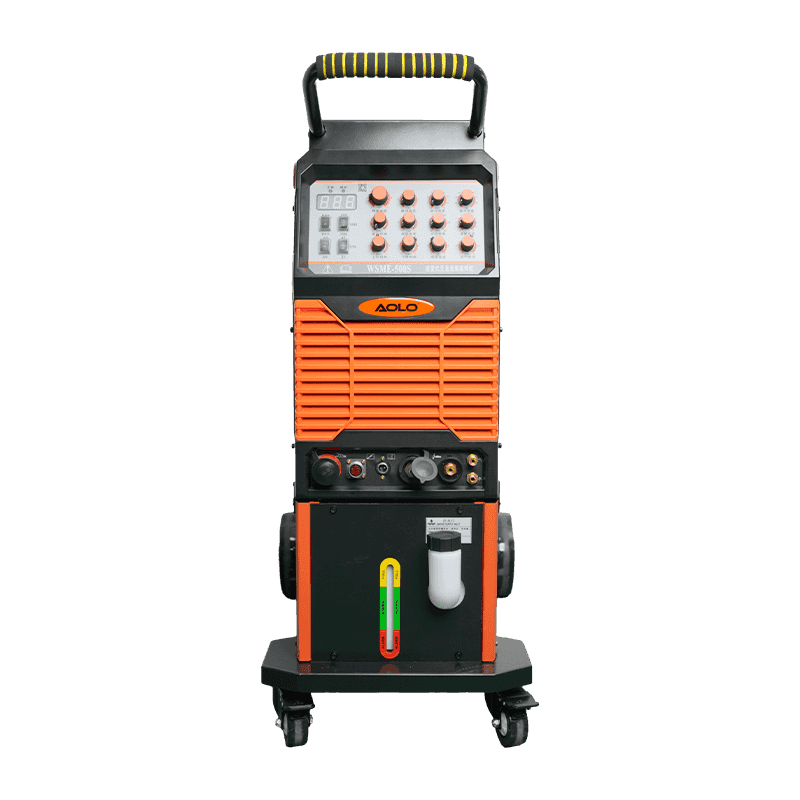
1、Heavy-duty industrial argon arc welding machine with rich parameter ...
See Details
1、Two functions, submerged arc welding and manual welding. 2、High load...
See Details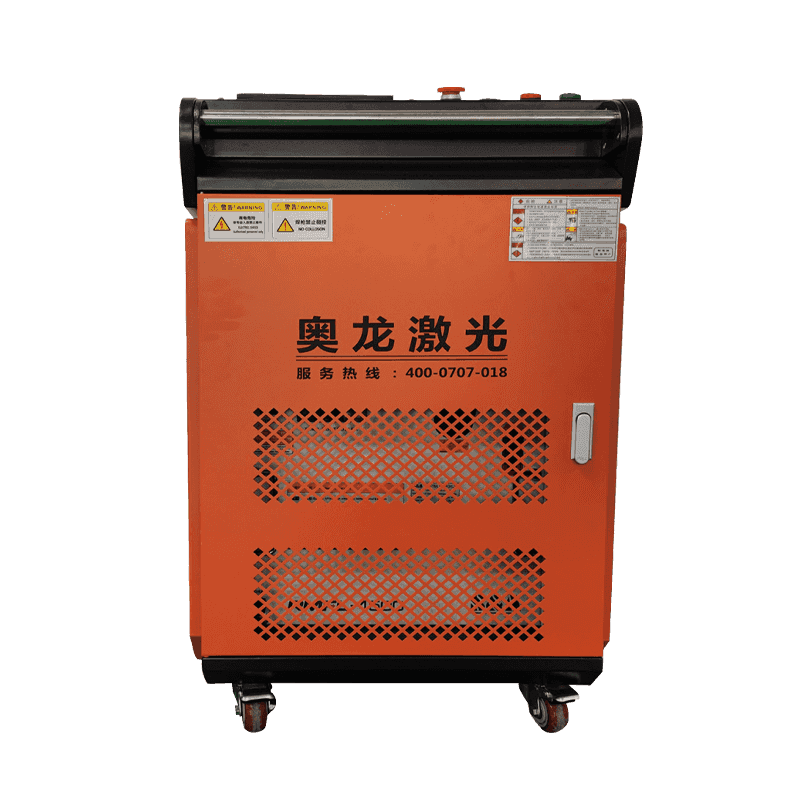
1、High-power laser welding machine, suitable for heavy-duty industrial...
See Details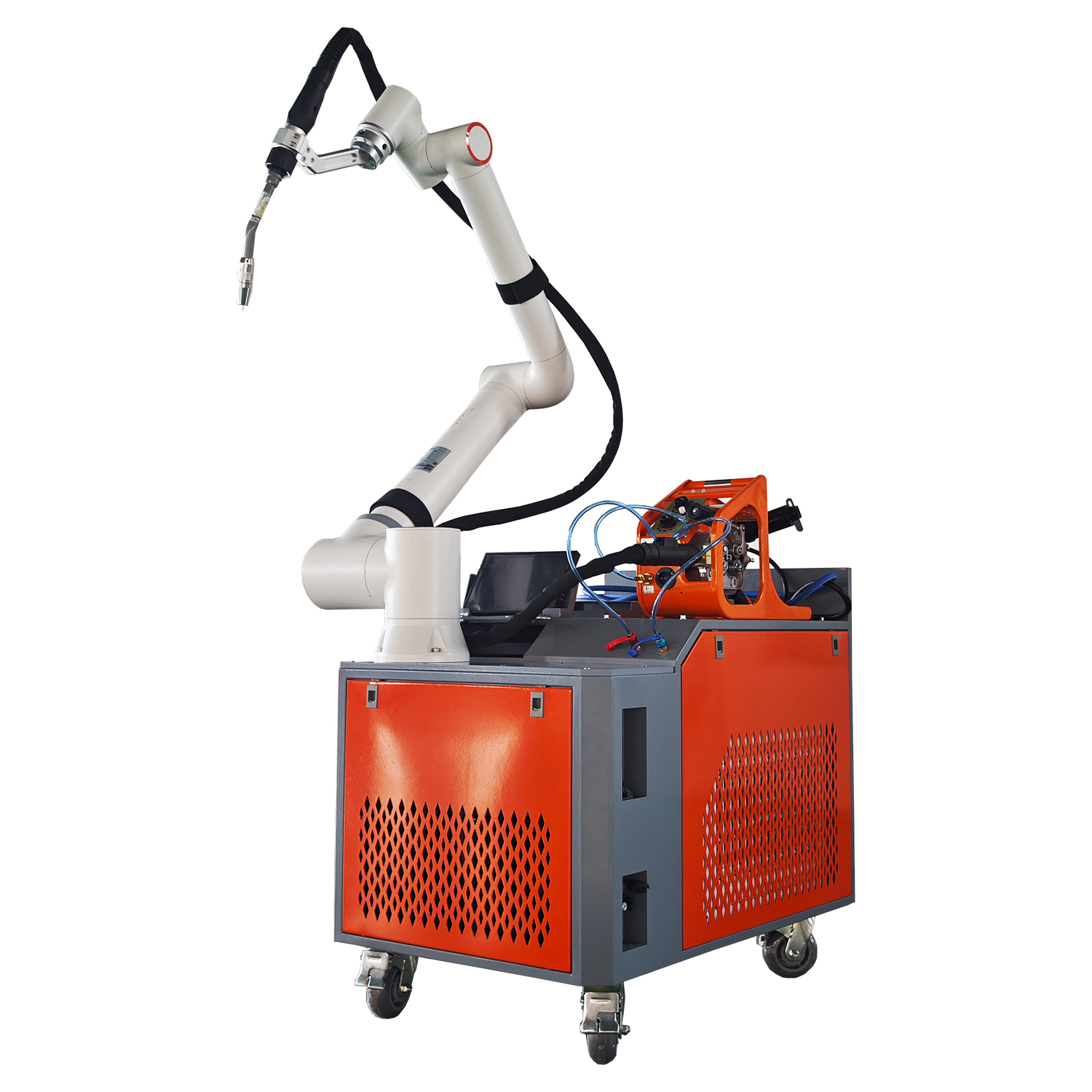
1. The welding machine communicates with the control pad, and all para...
See Details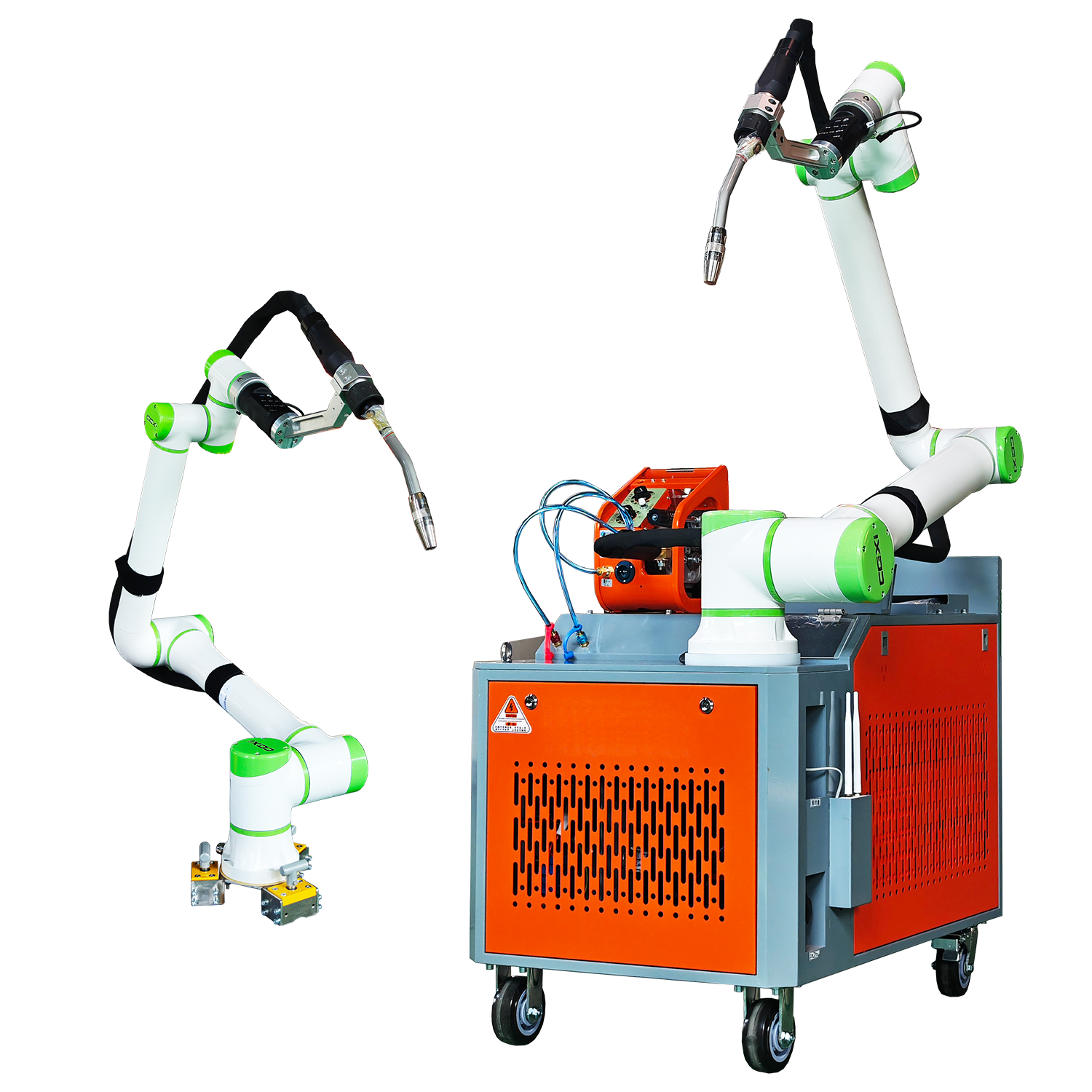
1. The welding machine communicates with the control pad, and all para...
See DetailsRequest for a call today


Tel: 4000707018

E-mail: aolohj@163.com

Add: Factory Building No. 5, Phase II, Pioneer Park, Economic Development Zone, Taizhou City, Jiangsu Province, China.
Copyright 2023 Jiangsu Aolong Electric Technology Co., Ltd. All Rights Reserved.
 Privacy Policy Industrial Welding Machine Manufacturers


Contact Us