


 English
 中文简体
中文简体 Español
 русский
NBC-315Y 220V/380V 300A IGBT Inverter Portable welder Built-in wire feeder 2T/4T MIG/MAG(GMAW)
Cat:Gas shielded welding machine
1、The machine adopts a phase-shifted full-bridge inverter main circuit...
See DetailsContent
An MMA welding machine is a reliable, cost-effective solution for manual metal arc (stick) welding, suitable for steel fabrication, maintenance, and outdoor work. It is easy to operate, works well in harsh environments, and does not require shielding gas, making it one of the most versatile welding options available.
Compared with more complex welding systems, MMA welders are compact, affordable, and capable of handling materials from 1.5 mm thin sheet to over 20 mm thick structural steel, depending on amperage. For workshops, construction sites, and repair applications, they remain a practical and dependable choice.
MMA stands for Manual Metal Arc welding, commonly known as stick welding. The machine generates an electric current that passes through a coated electrode. When the electrode touches the base metal, an arc forms, melting both the electrode and the workpiece to create a weld pool.
The electrode coating produces shielding gas and slag during welding, protecting the molten metal from contamination. This eliminates the need for external gas cylinders, making MMA welding especially suitable for outdoor and windy conditions.
Choosing the right MMA welding machine depends heavily on its technical parameters. The following table highlights the most important specifications and their practical implications.
| Specification | Typical Range | Practical Meaning |
|---|---|---|
| Output Current | 20A – 400A | Determines weld thickness capability |
| Duty Cycle | 30% – 100% | Indicates continuous welding time at rated current |
| Input Voltage | 110V / 220V / 380V | Defines compatibility with power supply |
| Electrode Diameter | 1.6mm – 6.0mm | Affects weld penetration and deposition rate |
For example, a 200A inverter MMA welding machine with a 60% duty cycle can weld continuously for 6 minutes out of a 10-minute period at full output without overheating.
Inverter-based MMA welders are particularly efficient, often achieving over 85% energy efficiency and reducing overall power consumption compared to older transformer units.
As a general rule, welding 1 mm of steel requires approximately 30–40 amps. For 6 mm steel plates, a 180–200A machine is typically sufficient.
For industrial or fabrication environments, choose a machine with at least a 60% duty cycle at your commonly used amperage.
An MMA welding machine remains one of the most dependable and versatile welding solutions for fabrication, repair, and field work. Its simple operation, strong penetration capability, and adaptability to different environments make it a foundational tool in both professional workshops and on-site construction projects.
By selecting the correct amperage range, duty cycle, and inverter features, users can ensure efficient performance, long equipment lifespan, and consistent weld quality across various applications.
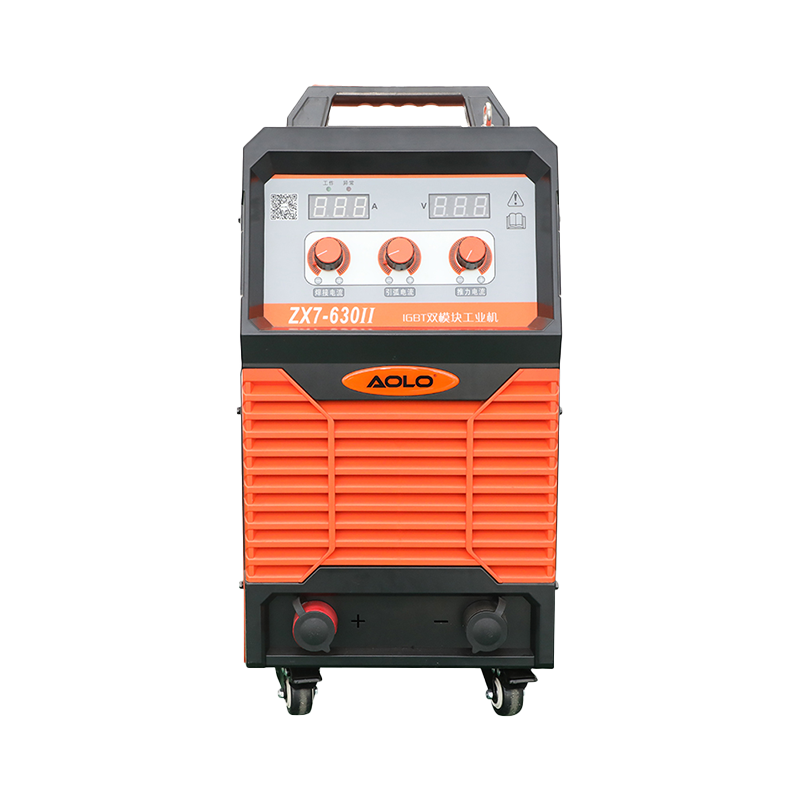
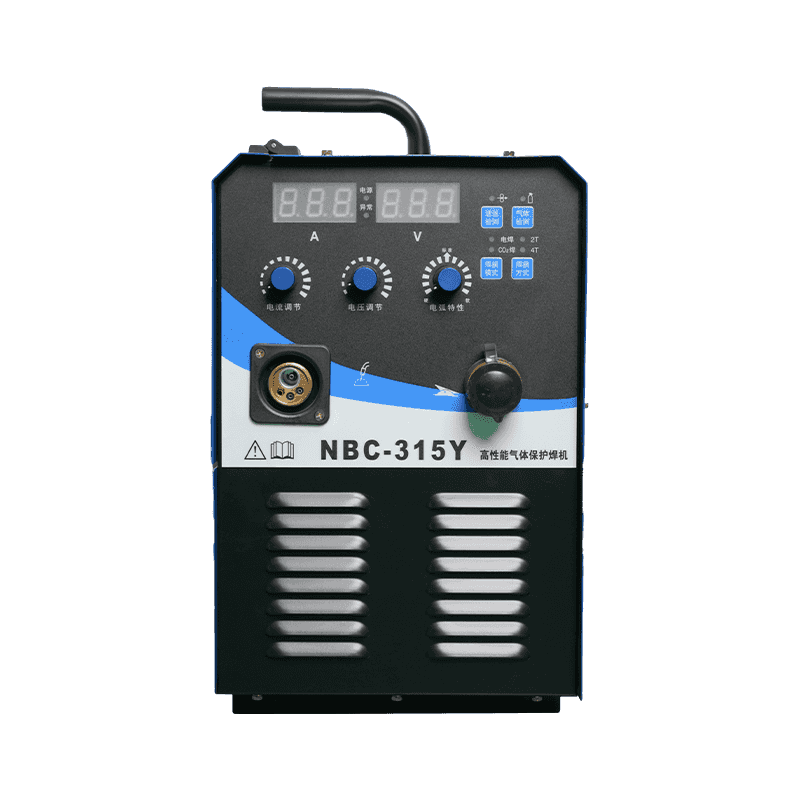
1、The machine adopts a phase-shifted full-bridge inverter main circuit...
See Details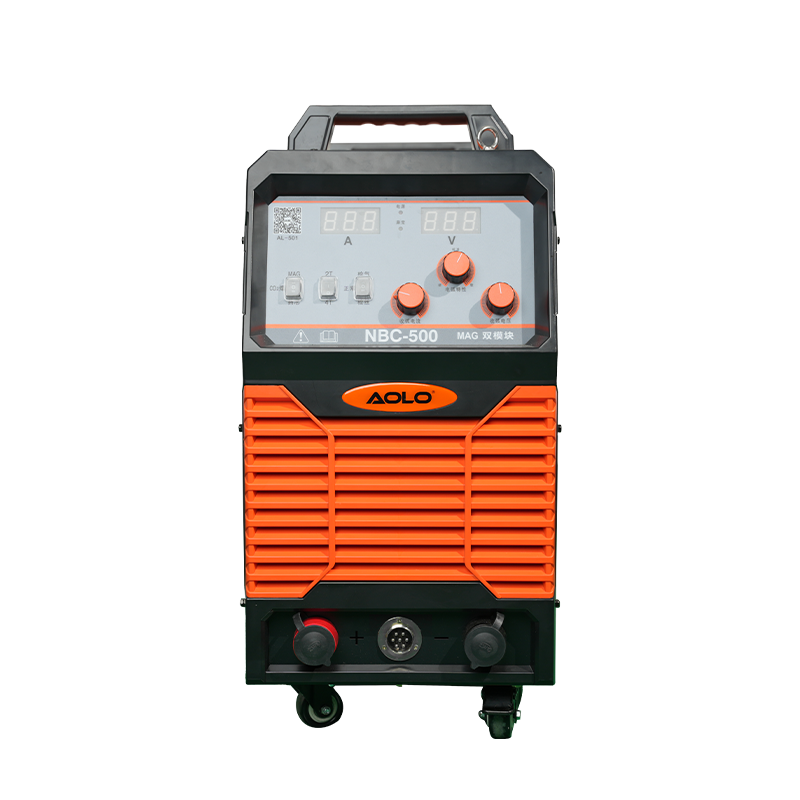
1、High load rate, stable output current for long-term welding. 2、MIG w...
See Details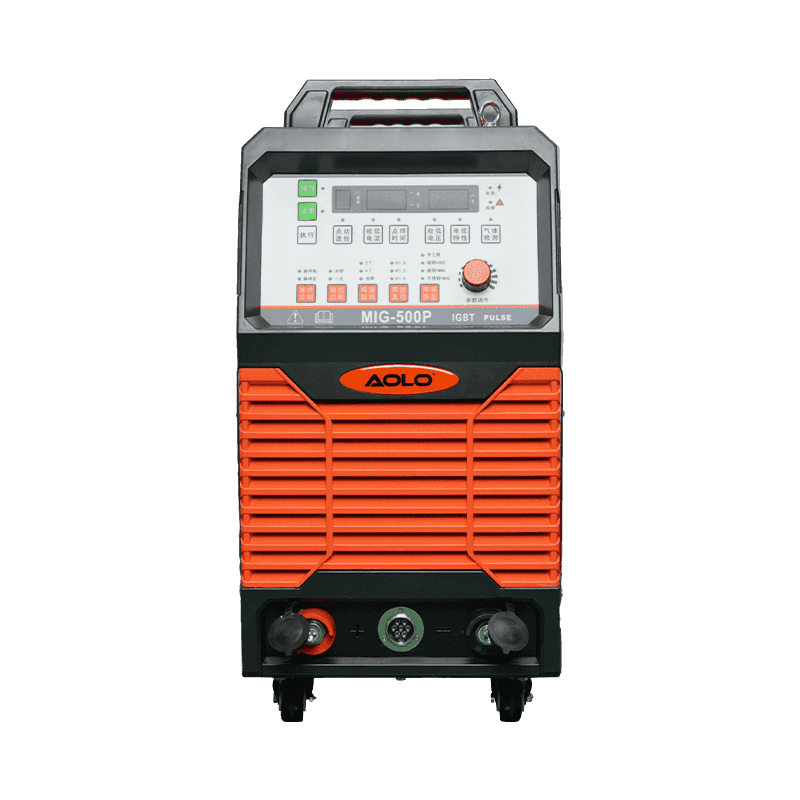
1、Rich functions, button selection facilitates parameter adjustment 2、...
See Details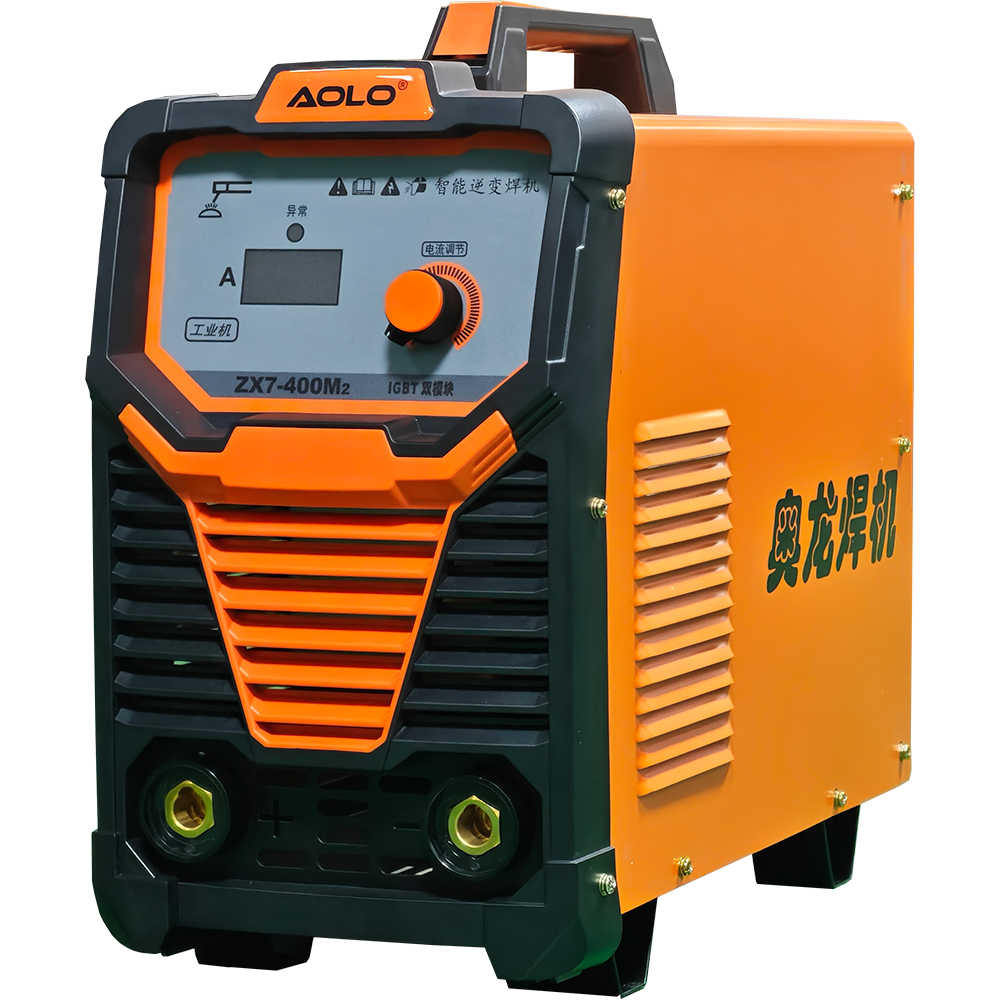
1、It can weld electrodes with a diameter of 5mm. 2、Fast arc starting, ...
See Details
1、Heavy industrial manual welding machine, Can be used for carbon arc ...
See Details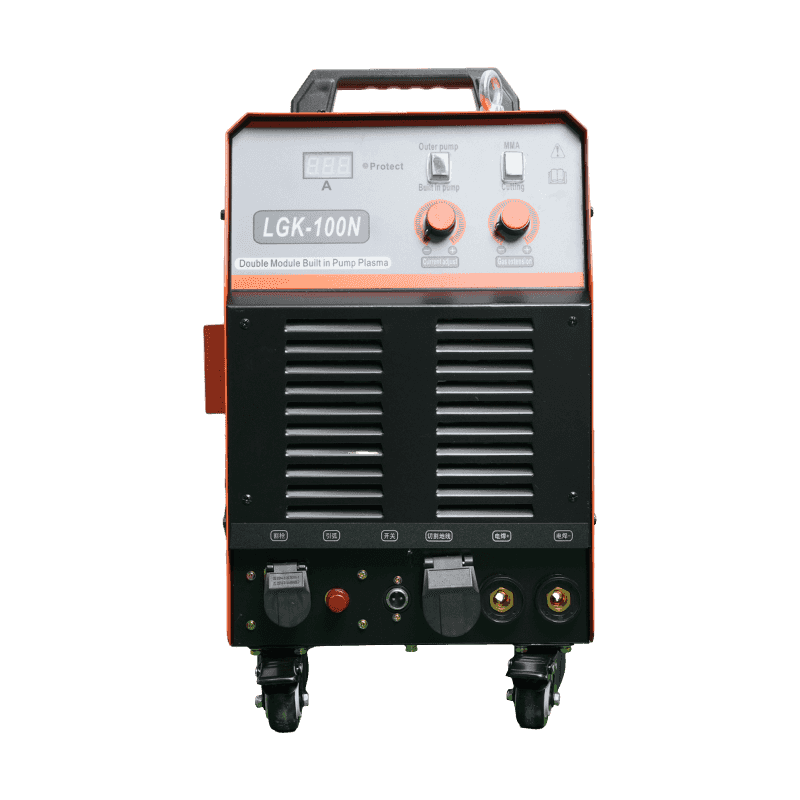
1、There are two modes of compressed air source, either a built-in air ...
See Details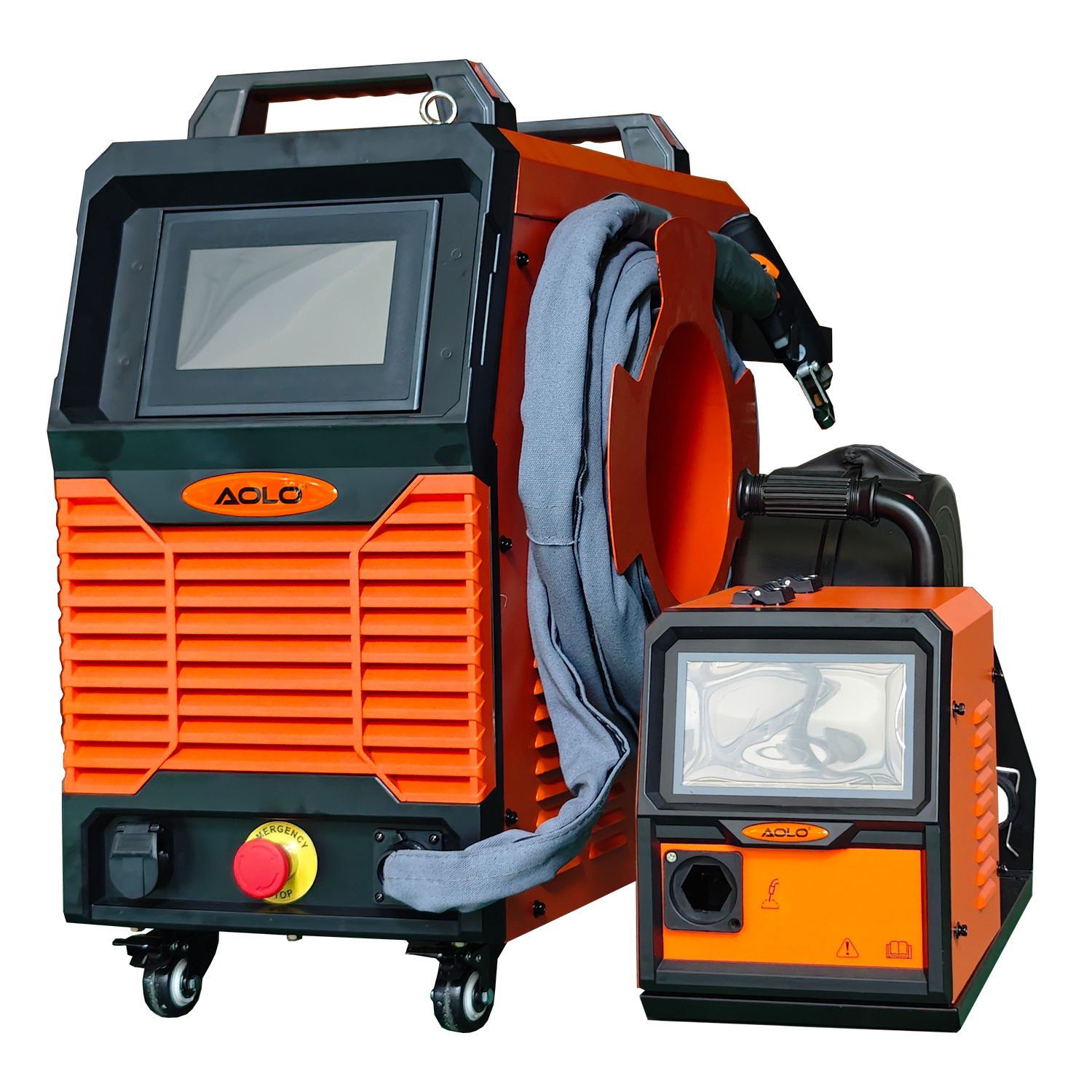
1、Air-cooled laser welding machine is smaller than water-cooled laser ...
See Details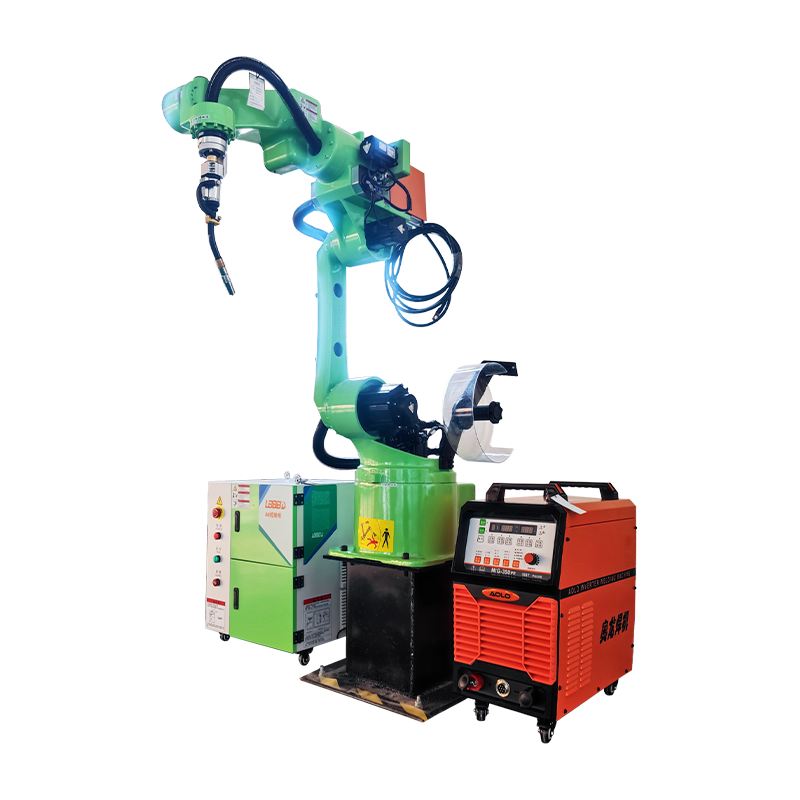
1、The robotic arm can be equipped with a gas shielded welding machine ...
See Details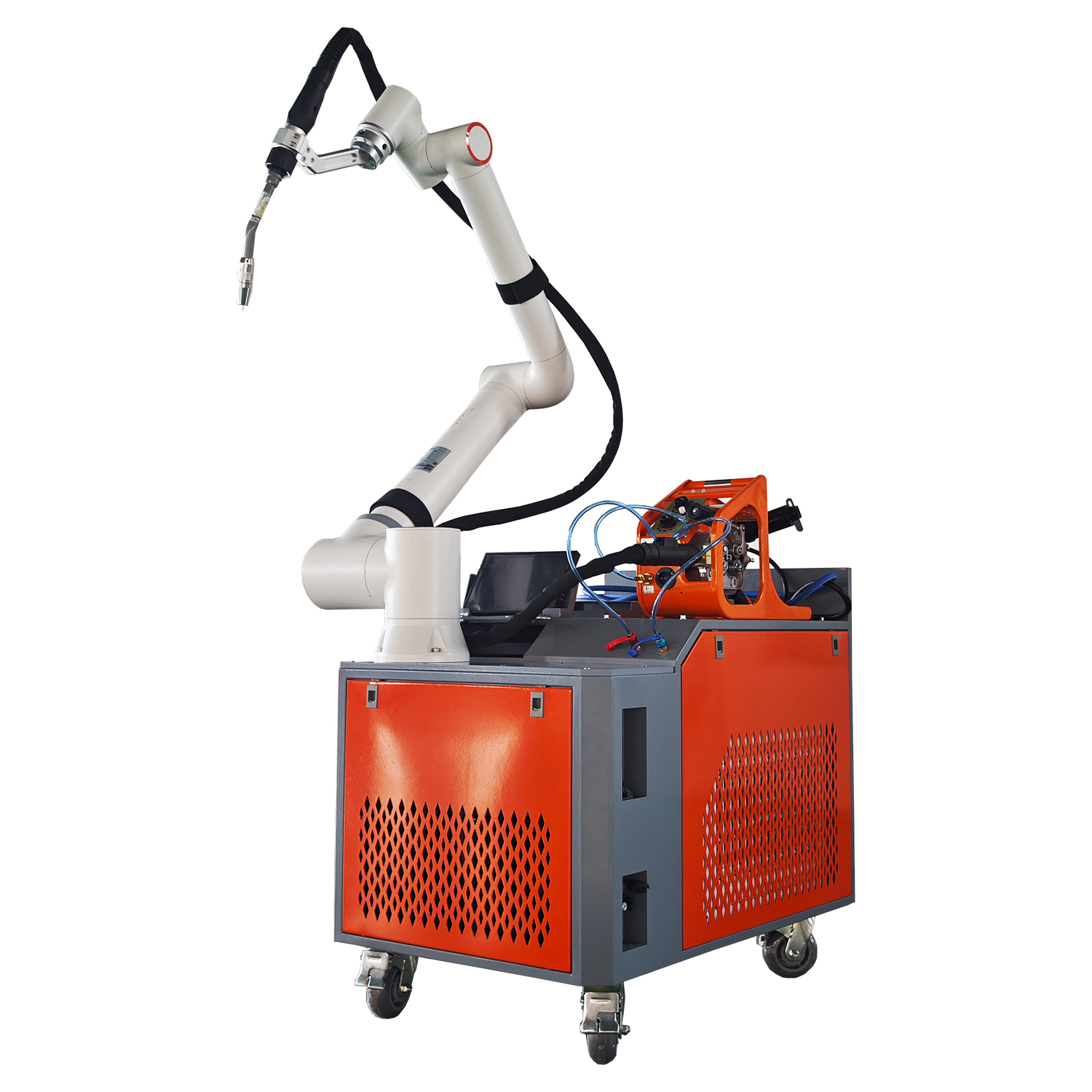
1. The welding machine communicates with the control pad, and all para...
See Details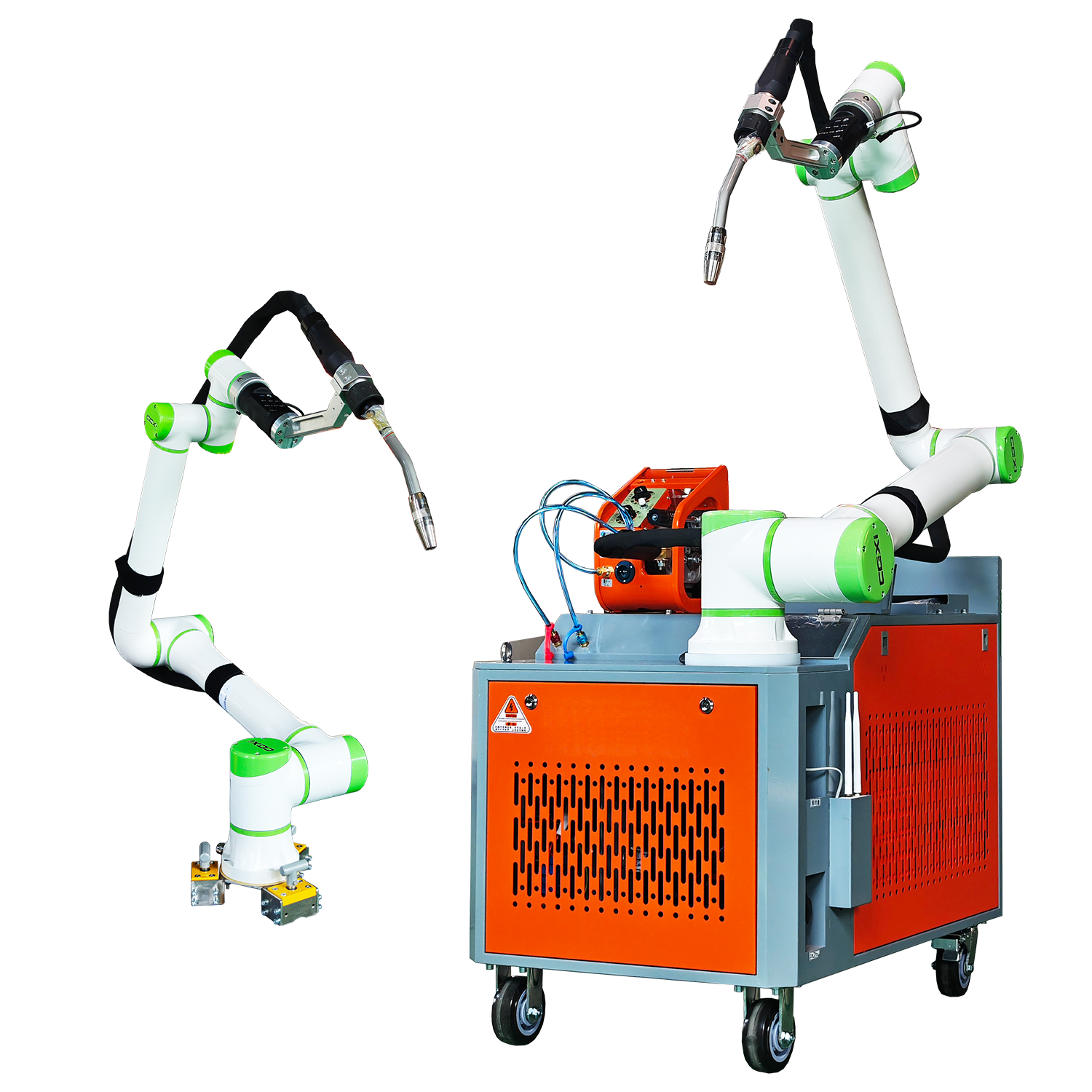
1. The welding machine communicates with the control pad, and all para...
See DetailsRequest for a call today


Tel: 4000707018

E-mail: aolohj@163.com

Add: Factory Building No. 5, Phase II, Pioneer Park, Economic Development Zone, Taizhou City, Jiangsu Province, China.
Copyright 2023 Jiangsu Aolong Electric Technology Co., Ltd. All Rights Reserved.
 Privacy Policy Industrial Welding Machine Manufacturers


Contact Us