


 English
 中文简体
中文简体 Español
 русский
NBC-315Y 220V/380V 300A IGBT Inverter Portable welder Built-in wire feeder 2T/4T MIG/MAG(GMAW)
Cat:Gas shielded welding machine
1、The machine adopts a phase-shifted full-bridge inverter main circuit...
See DetailsContent
Robot welding is no longer a futuristic concept reserved for automotive giants; it is a practical, high-ROI solution for mid-sized manufacturers seeking consistency and speed. By integrating robotic systems, shops typically see a 30-50% increase in productivity and a significant reduction in material waste due to improved precision. The technology directly addresses the chronic shortage of skilled welders by automating repetitive, high-volume tasks, allowing human experts to focus on complex, non-standard assemblies.
The core value proposition lies in repeatability. Unlike manual welding, where fatigue and variability affect quality, a robotic cell maintains exact parameters—voltage, wire feed speed, and travel speed—throughout every shift. This consistency reduces rework rates to near zero, ensuring that every part meets strict quality standards without additional inspection overhead.
Implementing robot welding transforms operational metrics across several critical areas. The immediate impact is often seen in throughput, but long-term gains include enhanced safety and material efficiency.
Robots do not require breaks, shifts changes, or rest. They operate at a constant cycle time, which simplifies production scheduling. For example, a robotic cell can maintain a travel speed of 50 inches per minute with millimeter-level accuracy, a pace difficult for human welders to sustain over an eight-hour shift without quality degradation.
Precision control over the weld pool means less filler metal is used. Studies indicate that robotic welding can reduce filler wire consumption by 20-30% compared to manual processes. Additionally, the reduction in spatter minimizes post-weld cleaning time, further lowering labor costs.
Understanding the differences between manual and automated processes helps in selecting the right application for your shop floor. While manual welding offers flexibility for one-off prototypes, robotics excels in batch production.
| Feature | Manual Welding | Robot Welding |
|---|---|---|
| Initial Investment | Low | High |
| Arc-On Time | 30-40% | 80-90% |
| Consistency | Variable | Highly Repeatable |
| Best Application | Prototypes/Low Volume | High Volume/Batch |
While the benefits are clear, successful deployment of robot welding requires careful planning. Common hurdles include programming complexity and fixture quality.
Traditional robot programming required specialized coding skills. However, modern systems feature intuitive graphical interfaces and offline programming software. These tools allow operators to simulate weld paths on a computer before deploying them to the physical robot, minimizing downtime during setup.
Robots lack the human ability to adjust to poor fit-ups on the fly. Therefore, parts must be held in precise fixtures. Gap variations should be kept under 0.5mm to ensure consistent weld quality. Investing in high-quality tooling is not optional but a prerequisite for automated success.
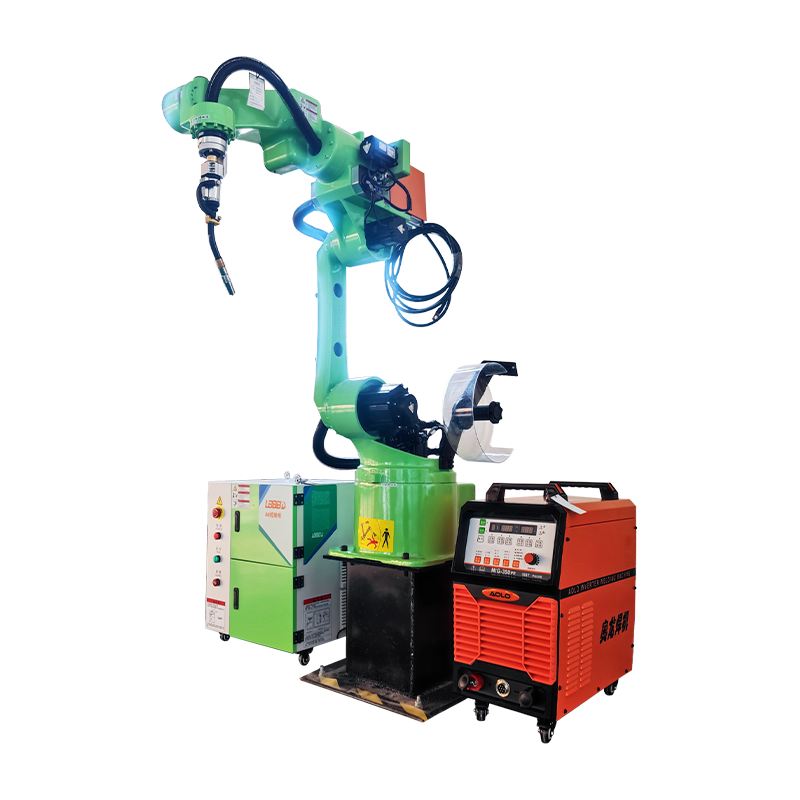
The landscape of robot welding is evolving with the integration of AI and advanced sensors. These technologies are making systems more adaptive and easier to deploy.
Laser vision sensors now allow robots to detect joint positions in real-time, adjusting the torch path automatically to compensate for minor part deviations. This capability significantly reduces the strictness of fixturing requirements. Furthermore, collaborative robots, or cobots, are enabling safer interaction between humans and machines, allowing for flexible cells where workers can load parts while the robot welds nearby without extensive safety caging.
As these technologies mature, the barrier to entry continues to lower, making robot welding an accessible and essential tool for maintaining competitiveness in modern manufacturing.
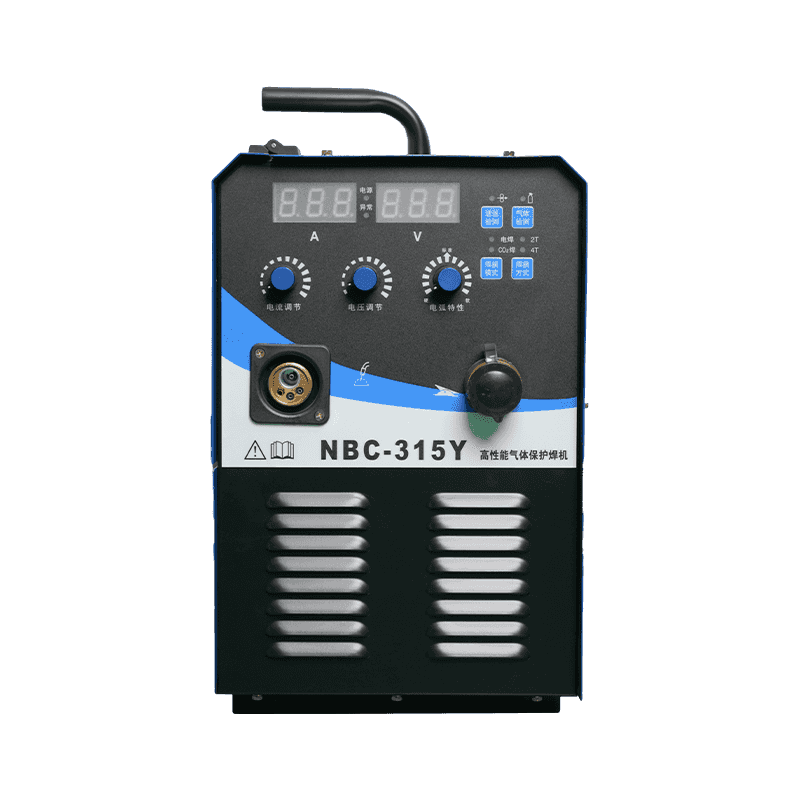
1、The machine adopts a phase-shifted full-bridge inverter main circuit...
See Details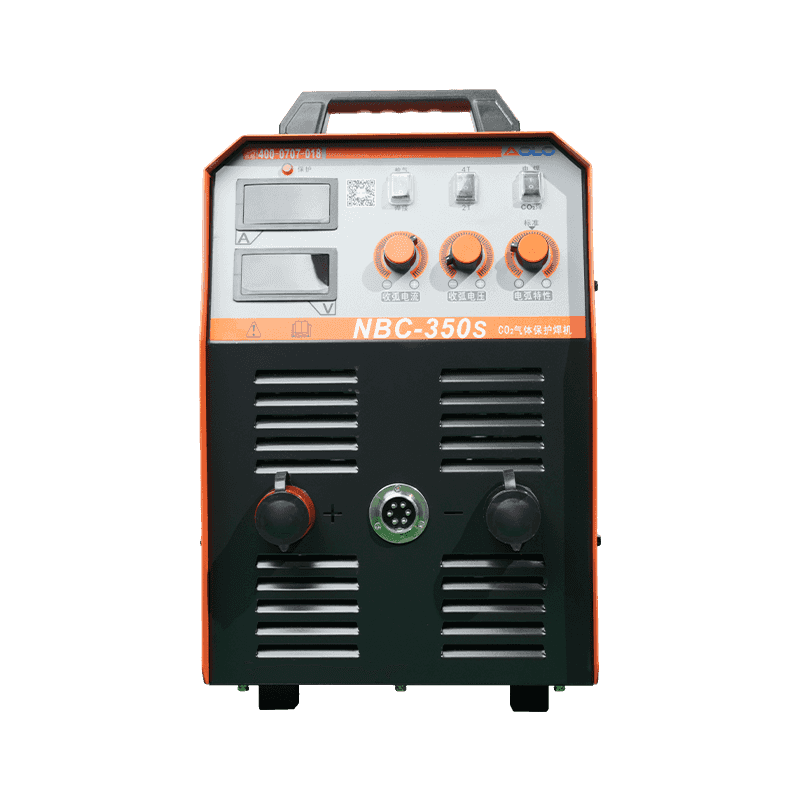
1、The welding machine is small and can be connected to a wire feeder. ...
See Details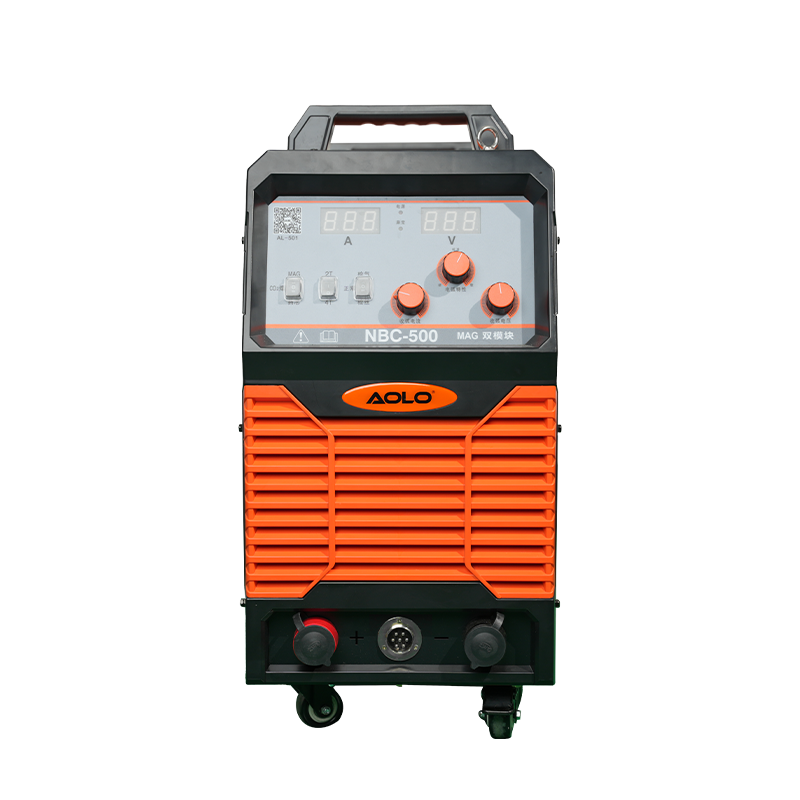
1、High load rate, stable output current for long-term welding. 2、MIG w...
See Details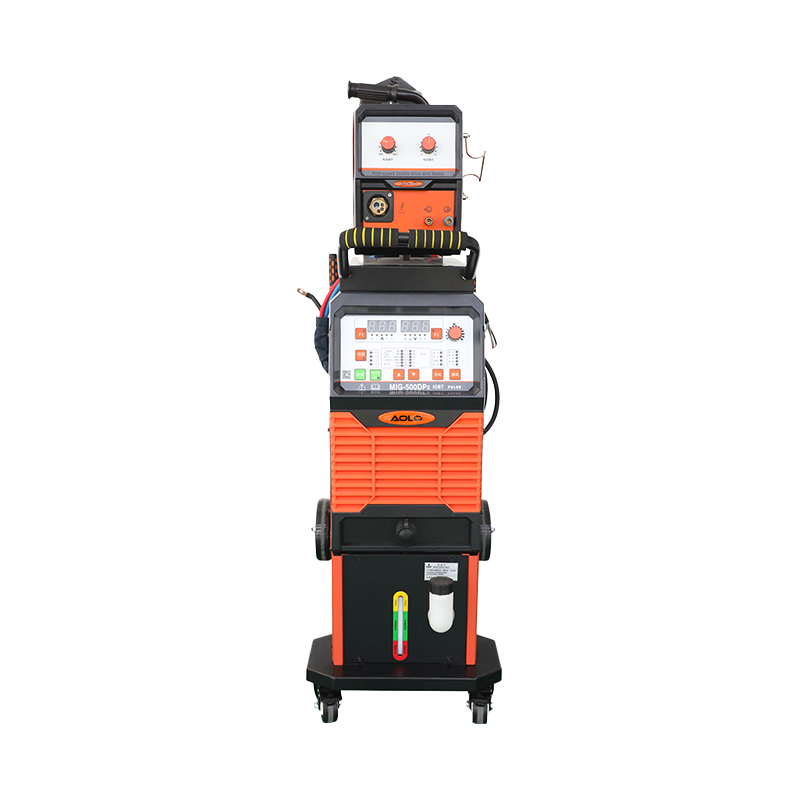
1、Manual argon arc welding with non-consumable electrode LIFTTIG; 2、Du...
See Details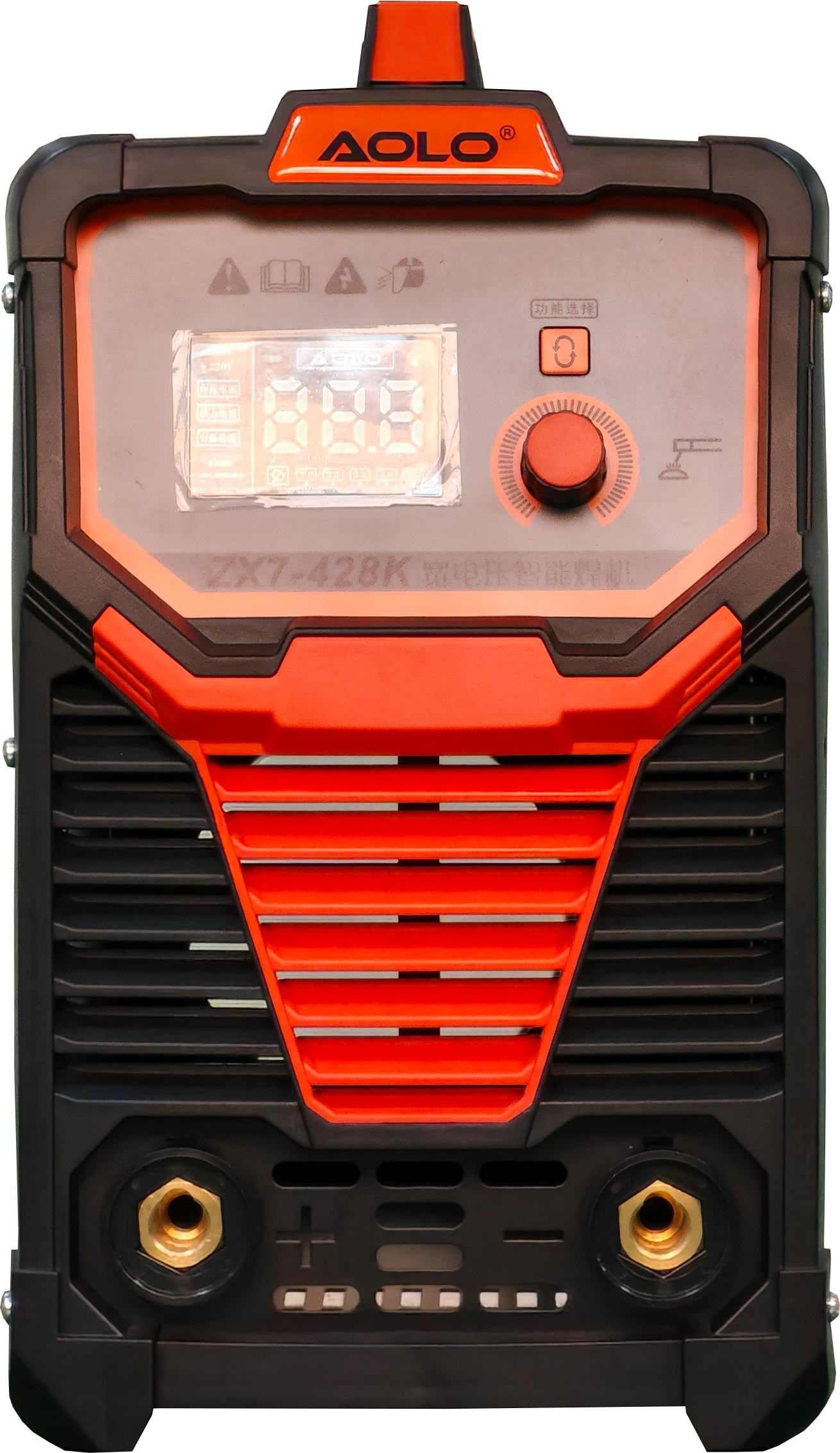
1、Small size, light weight, easy to carry, suitable for home use or sm...
See Details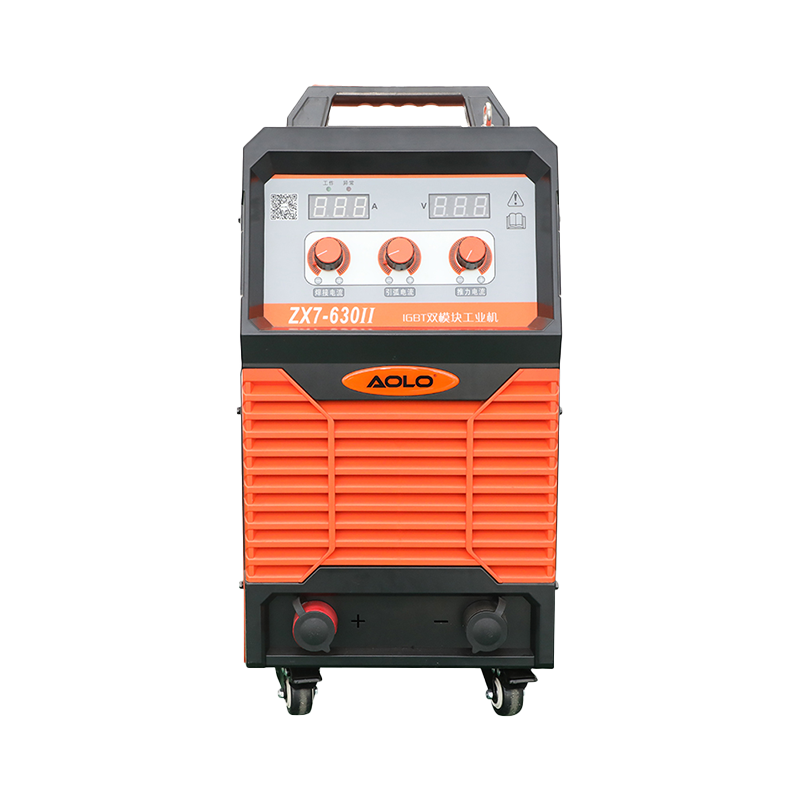
1、Heavy industrial manual welding machine, Can be used for carbon arc ...
See Details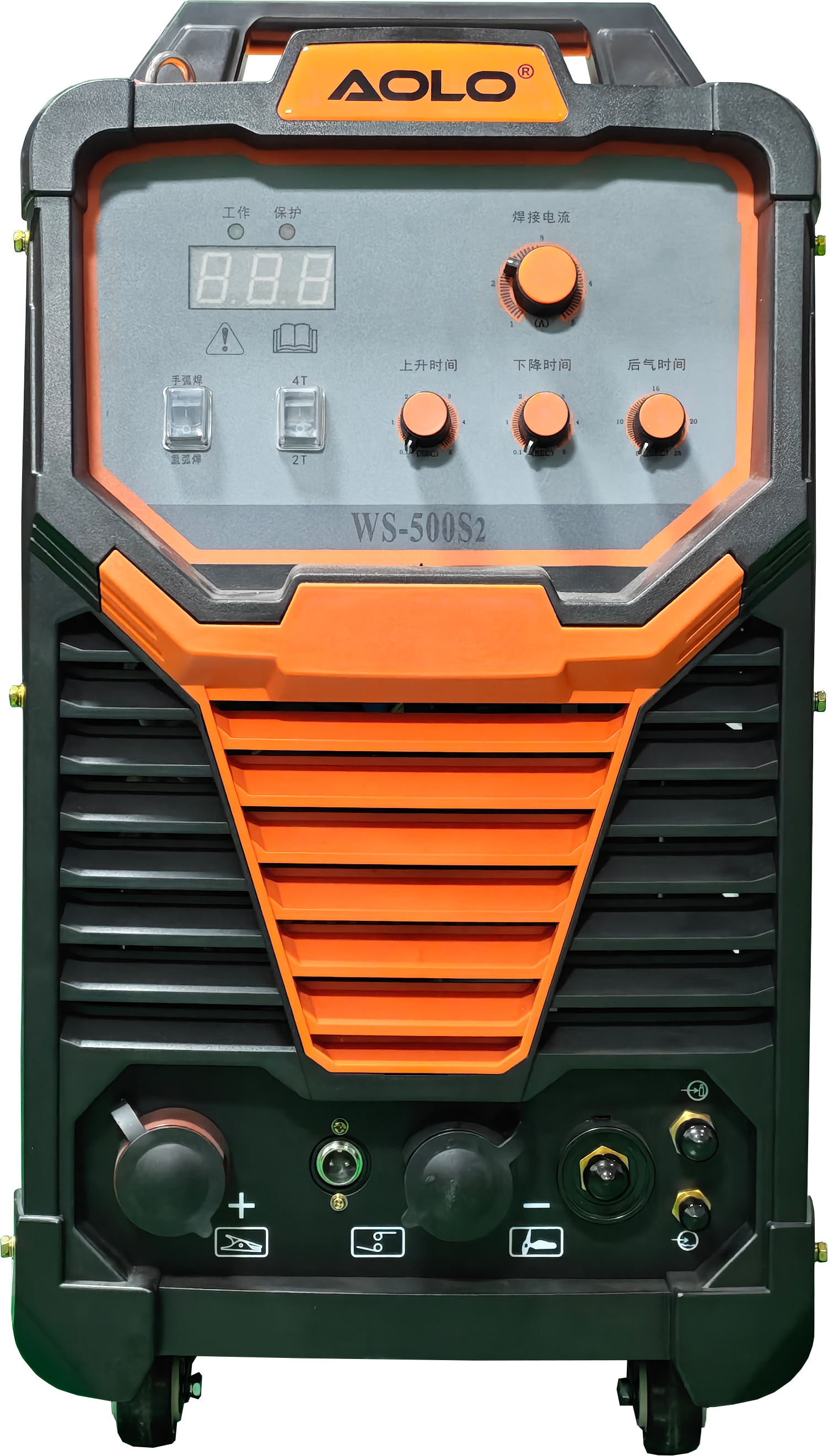
1、Easy arc starting, stable welding current, fast dynamic response spe...
See Details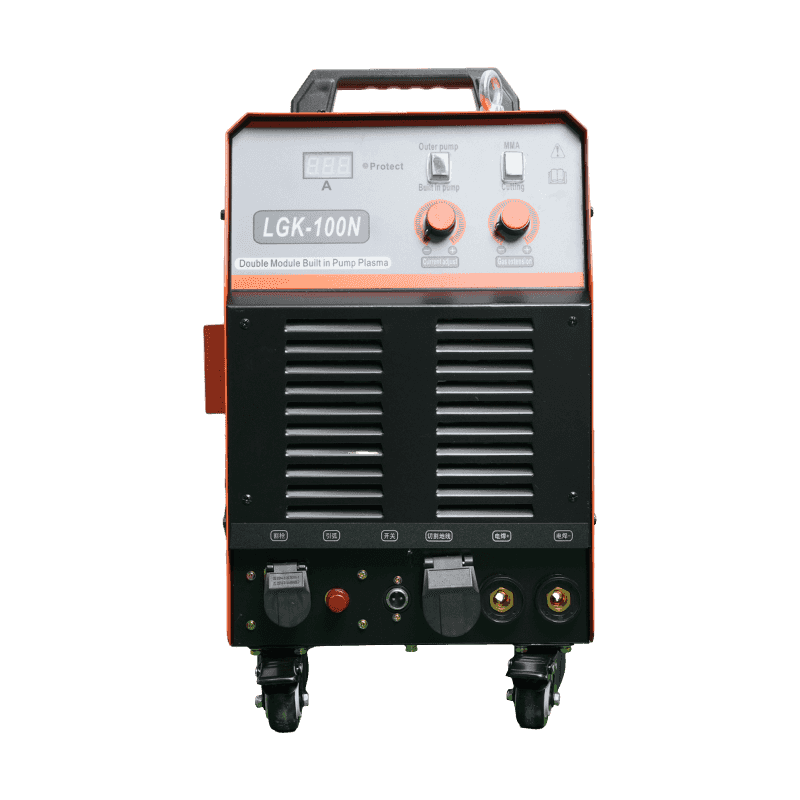
1、There are two modes of compressed air source, either a built-in air ...
See Details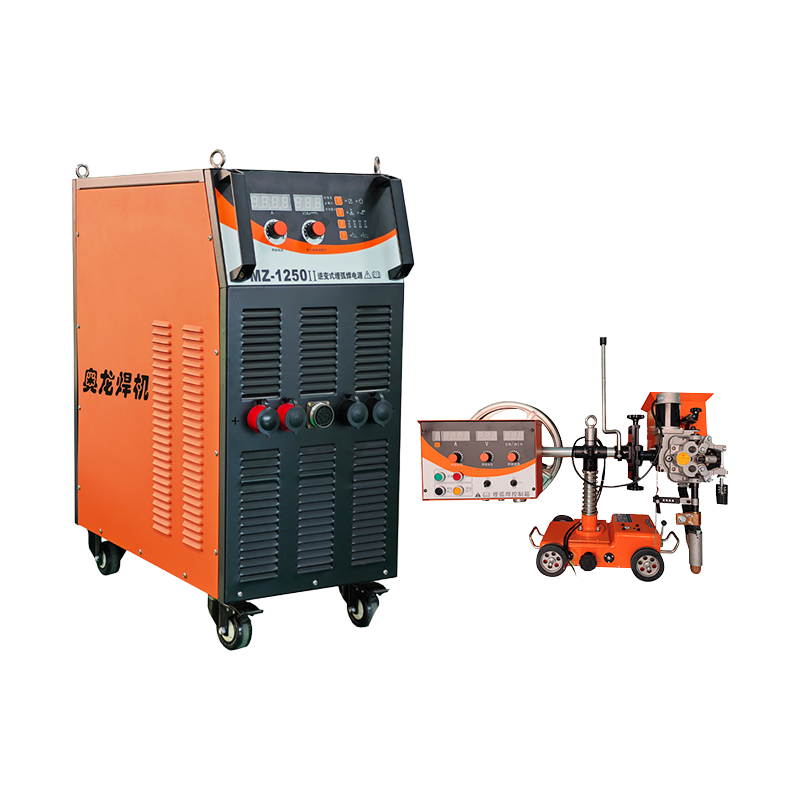
1、Two functions, submerged arc welding and manual welding. 2、High load...
See Details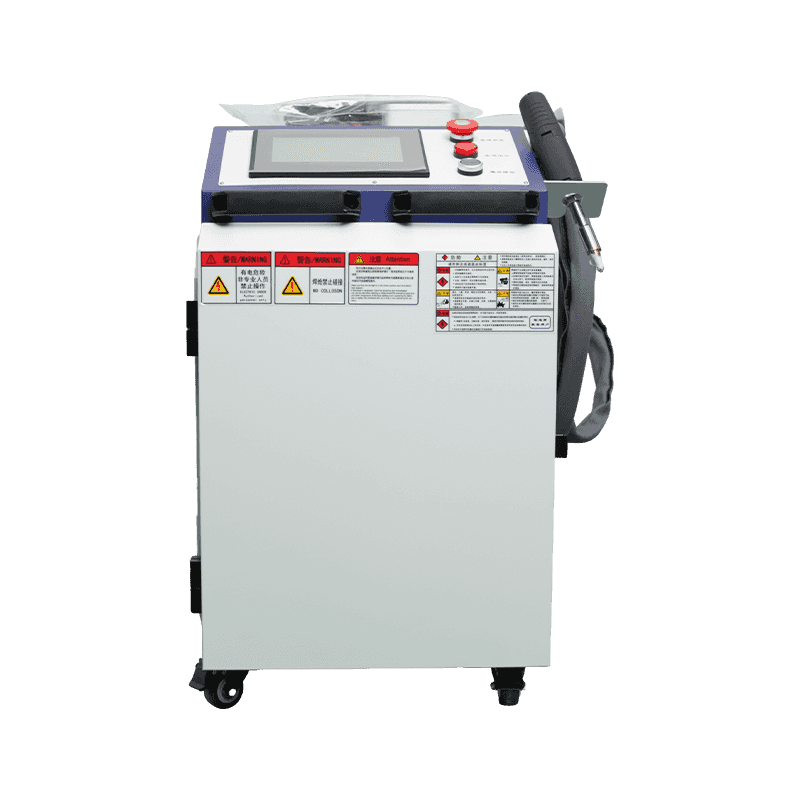
1、This is a 3 in 1 laser welding machine with welding, cleaning and cu...
See DetailsRequest for a call today


Tel: 4000707018

E-mail: aolohj@163.com

Add: Factory Building No. 5, Phase II, Pioneer Park, Economic Development Zone, Taizhou City, Jiangsu Province, China.
Copyright 2023 Jiangsu Aolong Electric Technology Co., Ltd. All Rights Reserved.
 Privacy Policy Industrial Welding Machine Manufacturers


Contact Us