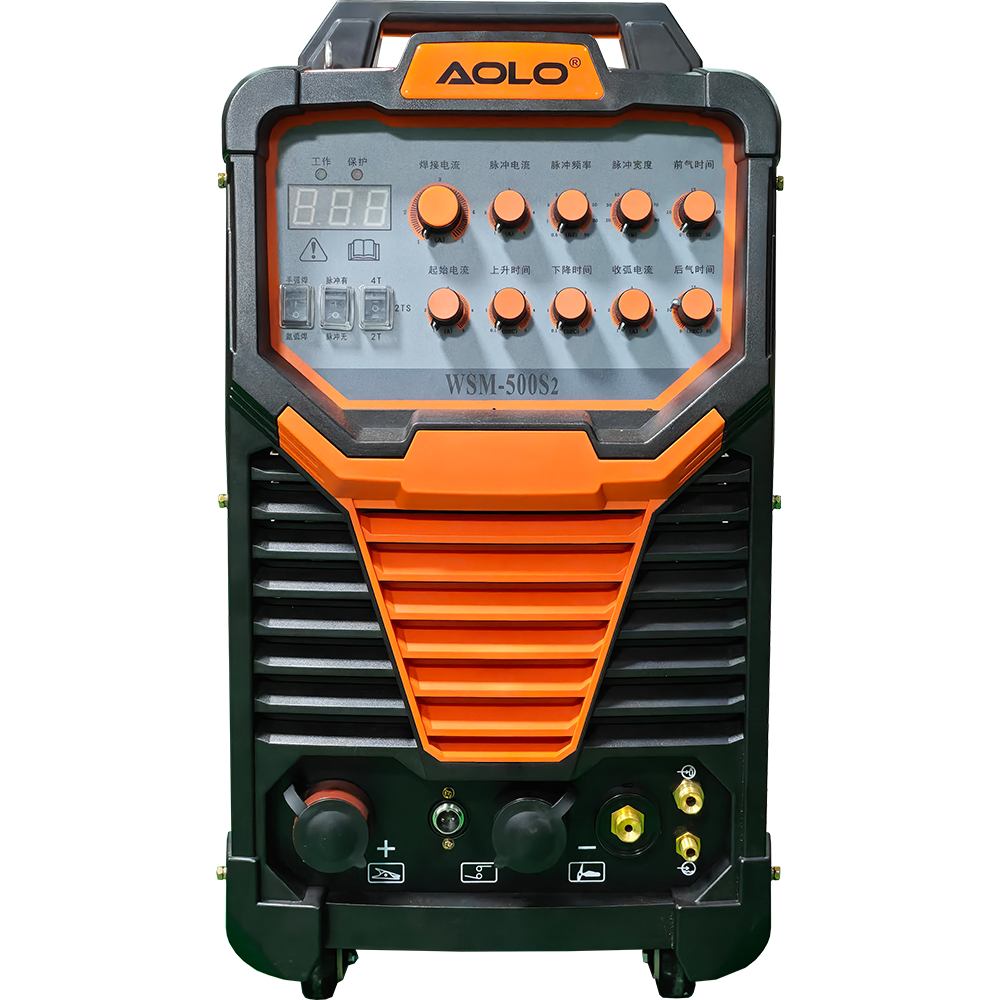
An argon arc welding machine, commonly referred to as a TIG (Tungsten Inert Gas) welder, is the premier tool for high-precision joining of metals. It utilizes a non-consumable tungsten electrode to produce the weld, while an inert argon gas shield protects the weld area from atmospheric contamination. This process is essential for welding stainless steel, aluminum, magnesium, and copper alloys where aesthetic quality and structural integrity are paramount.
The core advantage of an argon arc welding machine lies in its ability to deliver clean, spatter-free welds with precise heat control. Unlike MIG or Stick welding, TIG allows the operator to independently control the heat input and filler metal addition, making it ideal for thin materials and critical joints. However, this precision requires a deeper understanding of machine settings, electrode preparation, and gas dynamics.
Core Components and Machine Types
Understanding the internal architecture of an argon arc welding machine helps in selecting the right unit for specific applications. The primary distinction lies in the current output capability: DC-only, AC/DC, or pulse capabilities.
DC TIG Welders
Direct Current (DC) machines are the standard for welding steel, stainless steel, titanium, and copper. They provide a stable arc and deep penetration. Most entry-level and mid-range argon arc welding machines are DC-only, offering features like high-frequency start and post-flow gas control. These units are typically more compact and cost-effective, suitable for 80% of general fabrication tasks.
AC/DC TIG Welders
Alternating Current (AC) is strictly required for welding aluminum and magnesium. The AC cycle cleans the oxide layer on the metal surface during the electrode-positive half-cycle and penetrates the metal during the electrode-negative half-cycle. An AC/DC argon arc welding machine is more complex and expensive but is indispensable for automotive restoration, aerospace, and marine applications involving aluminum alloys.
Critical Parameter Settings for Quality Welds
Achieving a perfect weld requires balancing three key parameters: amperage, gas flow rate, and tungsten preparation. Incorrect settings lead to common defects such as porosity, tungsten inclusion, or burn-through.
Recommended Parameters for Common Materials
| Material Thickness |
Amperage Range |
Tungsten Diameter |
Gas Flow (CFH) |
| 0.5 mm - 1.0 mm |
20A - 50A |
1.0 mm (Blue) |
10 - 15 |
| 1.5 mm - 3.0 mm |
60A - 120A |
2.4 mm (Red) |
15 - 20 |
| 3.0 mm - 6.0 mm |
130A - 200A |
3.2 mm (Green) |
20 - 25 |
Argon Gas Flow Dynamics
Argon purity should be at least 99.995% for optimal results. The flow rate is critical; too little gas causes oxidation (discoloration), while too much creates turbulence that draws air into the weld pool. A standard cup size of #6 or #7 with a flow rate of 15-20 CFH (Cubic Feet per Hour) is a reliable starting point for most indoor applications. Outdoor welding may require wind shields or higher flow rates, though shielding effectiveness drops significantly in windy conditions.
Tungsten Electrode Selection and Preparation
The tungsten electrode is the heart of the argon arc welding process. Its composition and geometry dictate arc stability, starting characteristics, and current carrying capacity.
Color-Coded Tungsten Types
- Red (2% Thoriated): Excellent all-around electrode for DC welding of steel and stainless. Requires careful grinding dust management due to low radioactivity.
- Blue (1.5% Lanthanated): Versatile for both AC and DC. Maintains a sharp point well and offers good arc stability at lower currents.
- Green (Pure Tungsten): Primarily used for AC welding of aluminum. It forms a balled end naturally, which helps stabilize the AC arc.
- Gold (1.5% Lanthanated): Similar to blue but often preferred for pipe welding due to its longevity and resistance to contamination.
Grinding Geometry
For DC welding, the tungsten must be ground longitudinally (parallel to the wheel axis) to a fine point. Cross-grinding creates ridges that cause arc wander and instability. The included angle of the tip affects the weld bead profile: a 30-degree angle provides a good balance between penetration and bead width, while a sharper angle increases penetration but reduces electrode life.
Troubleshooting Common Defects
Even with a high-quality argon arc welding machine, operational errors can lead to weld defects. Identifying the root cause quickly saves time and material.
Porosity and Contamination
Porosity appears as small holes in the weld bead and is caused by gas shielding failure. Check for leaks in the gas hose, empty argon cylinders, or drafts in the workspace. If the tungsten turns black or melts, it has been contaminated by touching the filler rod or the weld pool. In this case, stop welding, break off the contaminated tip, and re-grind the electrode.
Arc Instability
If the arc wanders or feels "soft," the tungsten may be dull or incorrectly ground. Ensure the collet body and collet are clean and tight. Loose connections can cause arcing inside the torch, leading to overheating and inconsistent performance. For AC welding, ensure the balance and frequency settings are optimized for the specific aluminum alloy being welded.
In conclusion, mastering the argon arc welding machine requires a systematic approach to setup and technique. By selecting the correct tungsten, maintaining proper gas flow, and understanding the interplay between amperage and travel speed, operators can achieve professional-grade welds on a wide variety of metals.



 English
 中文简体
中文简体 Español
 русский







Contact Us