


 English
 中文简体
中文简体 Español
 русский
NBC-315S/NBC-350S 380V 350A IGBT Inverter Portable welder 2T/4T MIG/MAG/MMA(GMAW/SMAW)
Cat:Gas shielded welding machine
1、The welding machine is small and can be connected to a wire feeder. ...
See DetailsAn MMA welding machine (Manual Metal Arc), commonly known as stick welding, remains the most versatile and robust solution for general fabrication, construction, and repair work. Its primary advantage lies in its simplicity and ability to operate in challenging environments, including windy outdoors and on rusty or painted surfaces, where gas-shielded processes like MIG or TIG would fail. For most general steel applications, a standard inverter-based MMA machine provides the perfect balance of portability, cost-effectiveness, and penetration power.
The core functionality relies on a consumable electrode coated in flux. When an electric arc is struck between the electrode and the workpiece, the flux melts to create a shielding gas and slag layer, protecting the molten weld pool from atmospheric contamination. This self-shielding mechanism eliminates the need for external gas cylinders, making the MMA welding machine the go-to choice for remote sites and heavy structural work.
Content
Choosing the correct amperage is critical for weld quality. Too little heat results in poor penetration and sticking electrodes, while too much heat causes burn-through and excessive spatter. The required amperage is primarily determined by the electrode diameter and the thickness of the base metal.
| Electrode Diameter | Metal Thickness | Amperage Range (A) | Typical Application |
|---|---|---|---|
| 1.6 mm (1/16") | 1.5 - 3 mm | 25 - 45 A | Sheet metal, thin pipe |
| 2.5 mm (3/32") | 3 - 6 mm | 50 - 80 A | General fabrication |
| 3.2 mm (1/8") | 6 - 12 mm | 90 - 130 A | Structural steel, heavy plate |
| 4.0 mm (5/32") | 12 mm + | 140 - 180 A | Heavy industrial, multi-pass |
Equally important is the duty cycle, which indicates how long the machine can weld continuously within a 10-minute period at a given amperage before overheating. A machine with a 60% duty cycle at 160A can weld for 6 minutes and must cool for 4 minutes. For professional use, look for a duty cycle of 60% or higher at your typical working amperage.
The performance of an MMA welding machine is heavily influenced by the choice of electrode. The two most common types are Rutile (e.g., E6013) and Basic/Low Hydrogen (e.g., E7018). Each requires specific handling and polarity settings to achieve optimal results.
Rutile electrodes are ideal for beginners and general-purpose welding. They produce a smooth arc, minimal spatter, and easy slag removal. They can be used with both AC and DC currents. For DC machines, they typically perform best with DCEN (Direct Current Electrode Negative) or DCEP, depending on the brand, but are generally forgiving. They are excellent for thin materials and non-critical structural work.
Low hydrogen electrodes like E7018 are used for high-strength structural welding and critical joints. They produce a deeper penetration and stronger weld bead but require a cleaner surface and stricter technique. These electrodes almost always require DCEP (Direct Current Electrode Positive), also known as Reverse Polarity. Using the wrong polarity will result in an unstable arc and poor fusion. Additionally, E7018 rods must be kept dry, often requiring re-baking if exposed to humidity.
Even with a high-quality MMA welding machine, operator error can lead to weld defects. Understanding the cause of these issues allows for quick adjustments to technique or machine settings.
Proper maintenance ensures the longevity of your MMA welding machine and consistent weld quality. Regularly inspect cables for cracks or exposed copper, as these can cause electrical shorts or shock hazards. Keep the electrode holder contacts clean to ensure good electrical conductivity.
Safety is paramount when operating an MMA welding machine. The process generates intense UV radiation, sparks, and fumes. Always wear a welding helmet with a shade level of 10-13, flame-resistant gloves, and protective clothing. Ensure adequate ventilation to disperse hazardous fumes, especially when welding galvanized steel or using low-hydrogen electrodes. Ground the workpiece securely to prevent arc wander and ensure a stable circuit.
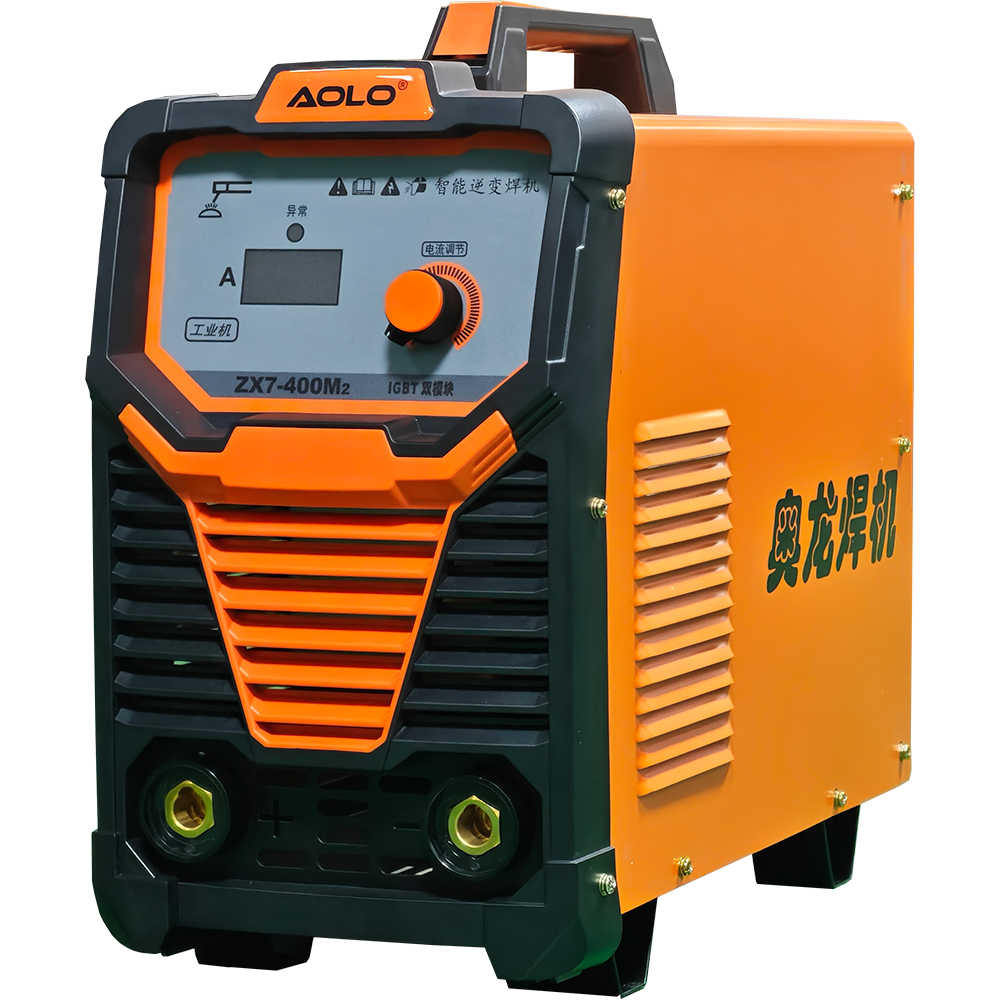
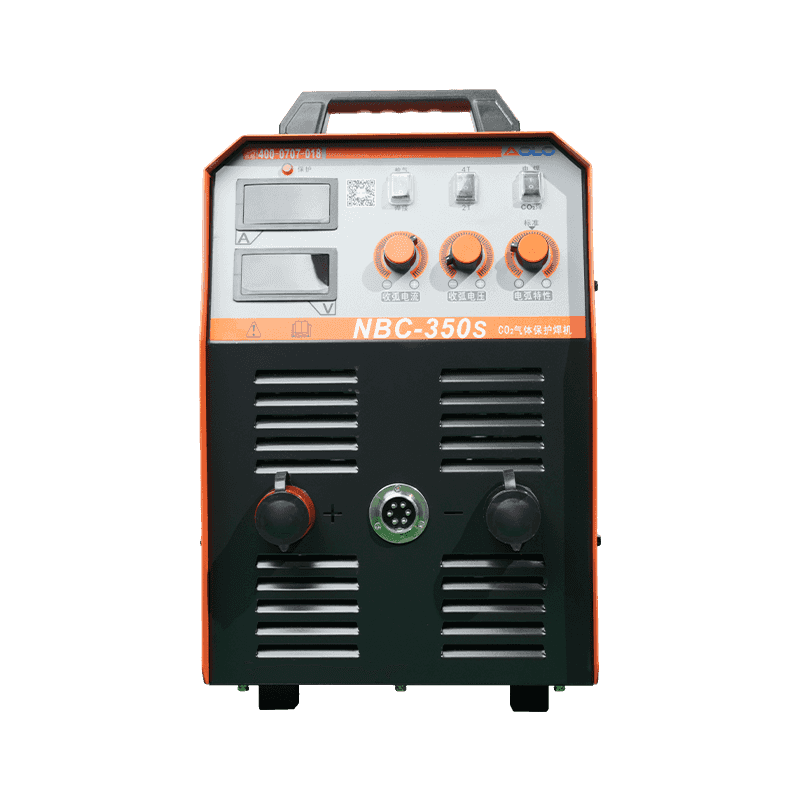
1、The welding machine is small and can be connected to a wire feeder. ...
See Details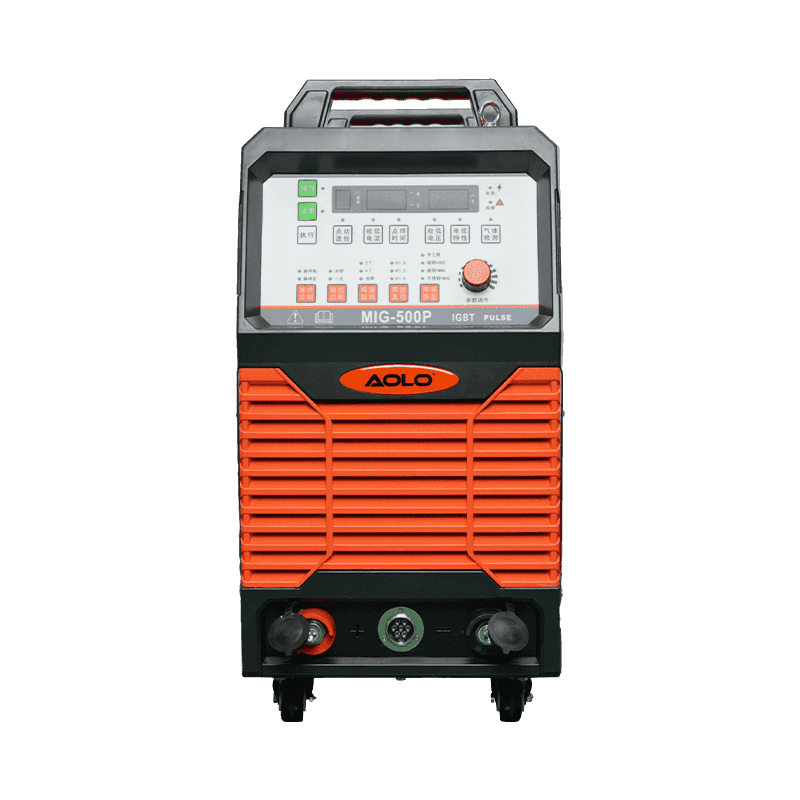
1、Rich functions, button selection facilitates parameter adjustment 2、...
See Details
1、It can weld electrodes with a diameter of 5mm. 2、Fast arc starting, ...
See Details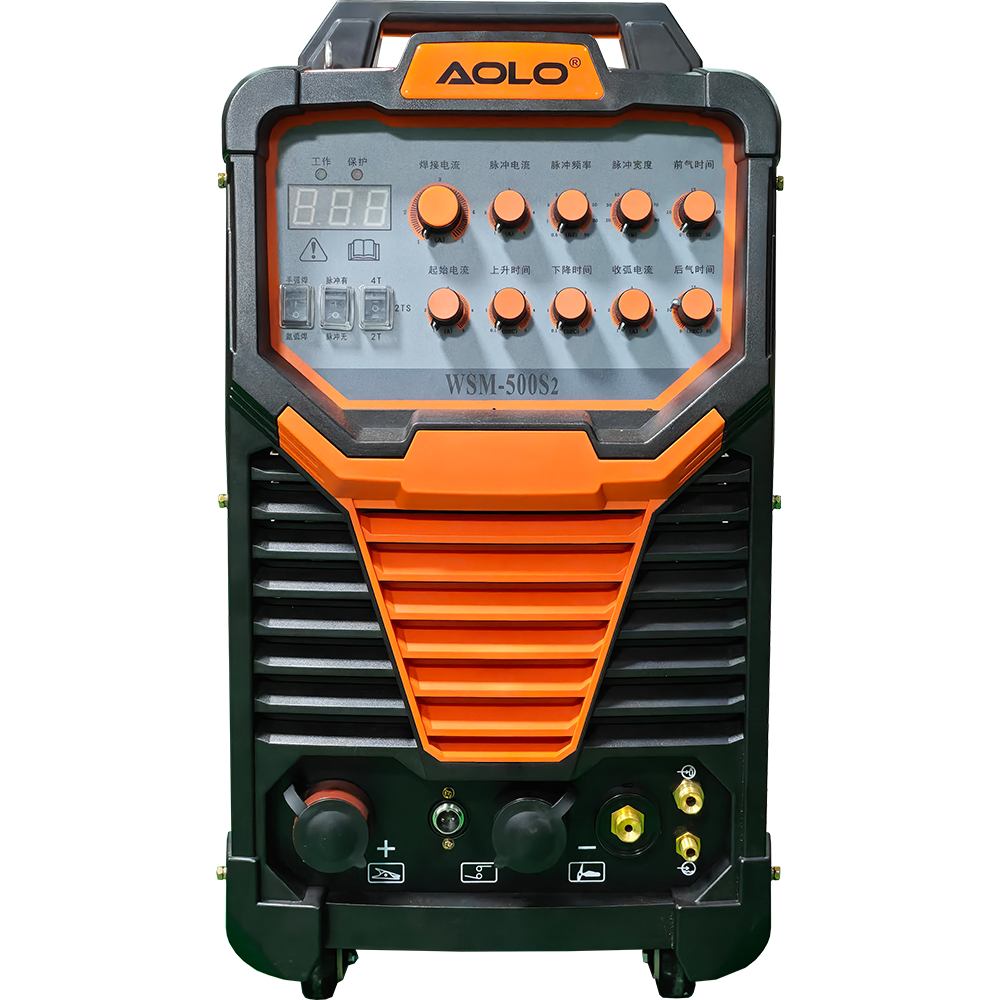
1、Pulse outputs a stable current-to-voltage ratio to control welding q...
See Details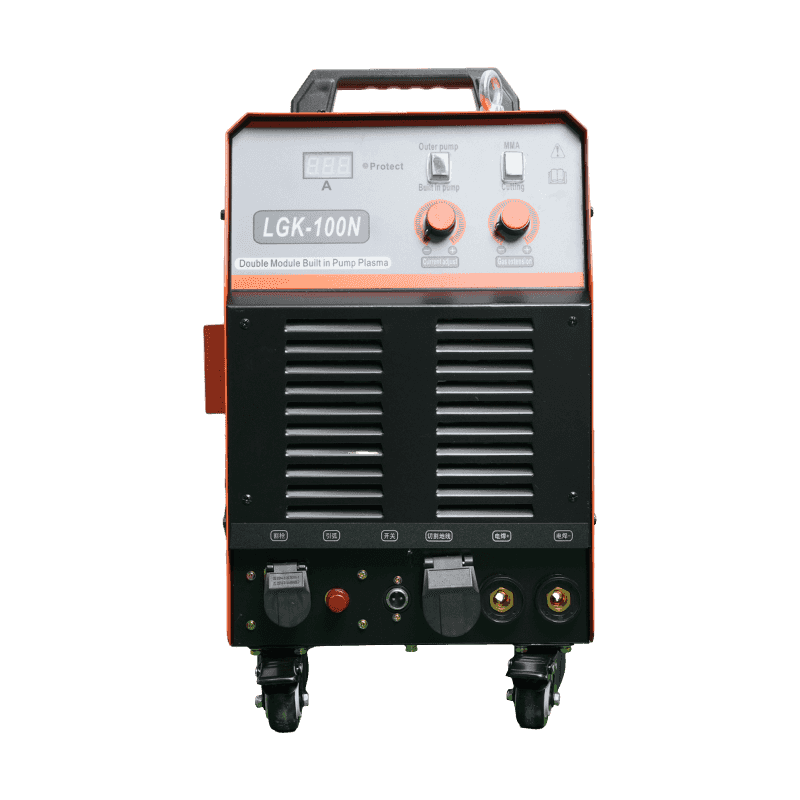
1、There are two modes of compressed air source, either a built-in air ...
See Details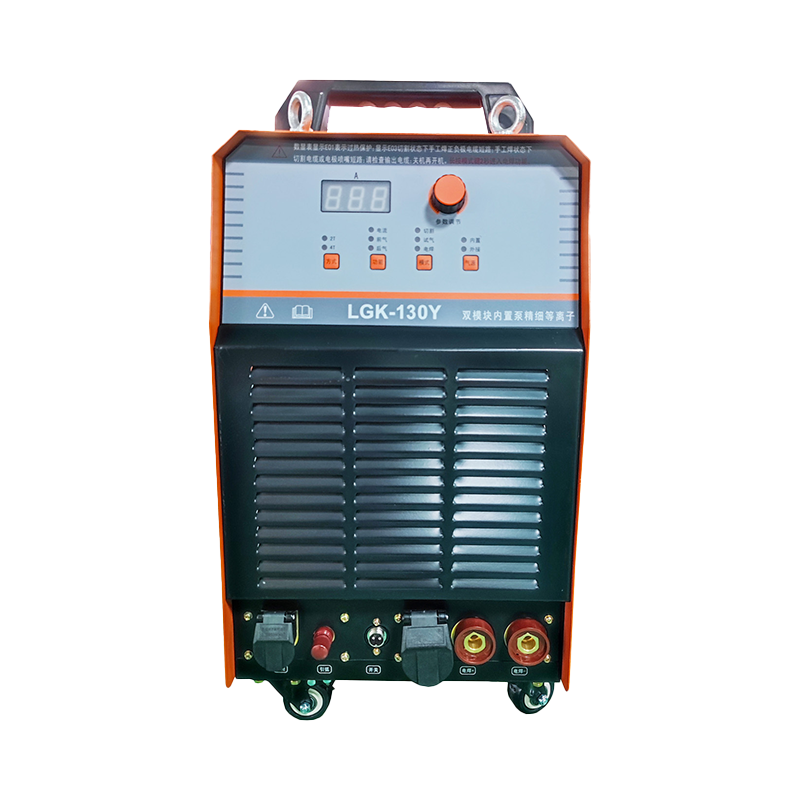
1、The arc energy is concentrated and stable, the cutting force is stro...
See Details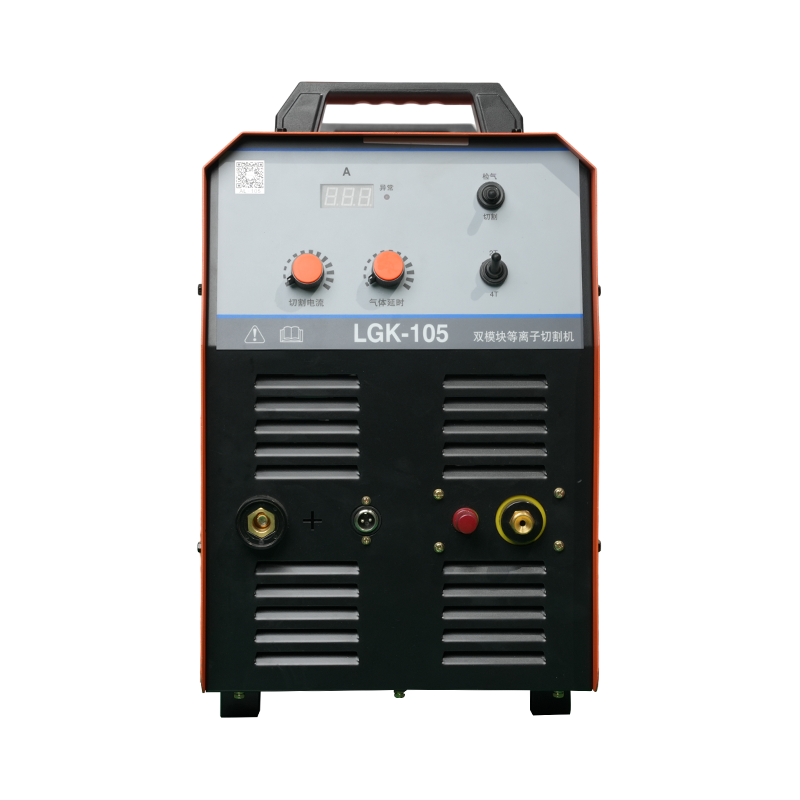
1、External air pump plasma cutting machine makes the whole machine lig...
See Details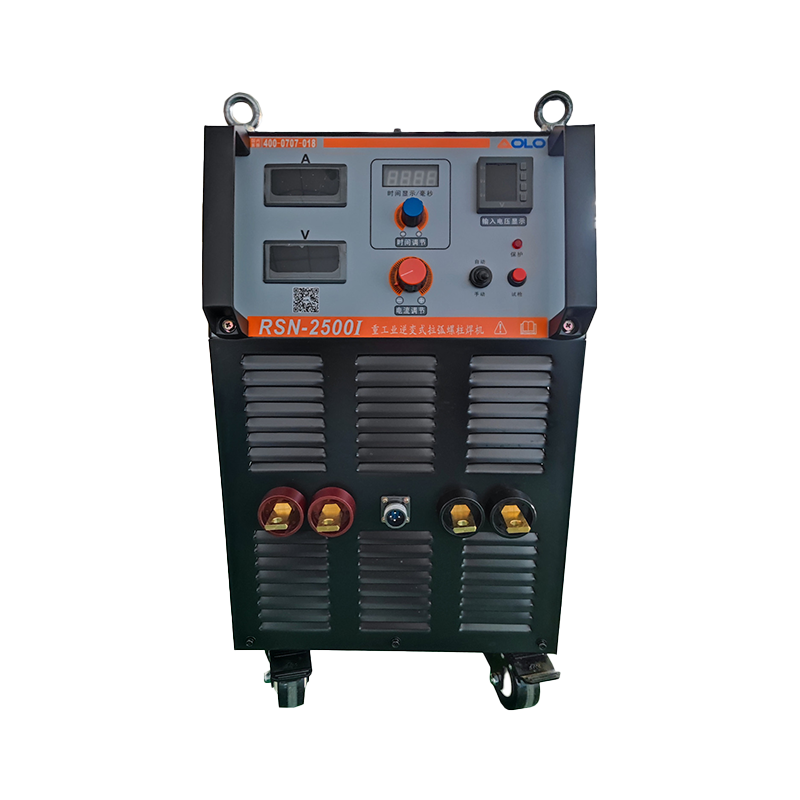
1、Heavy duty industrial stud welding machine, suitable for ship constr...
See Details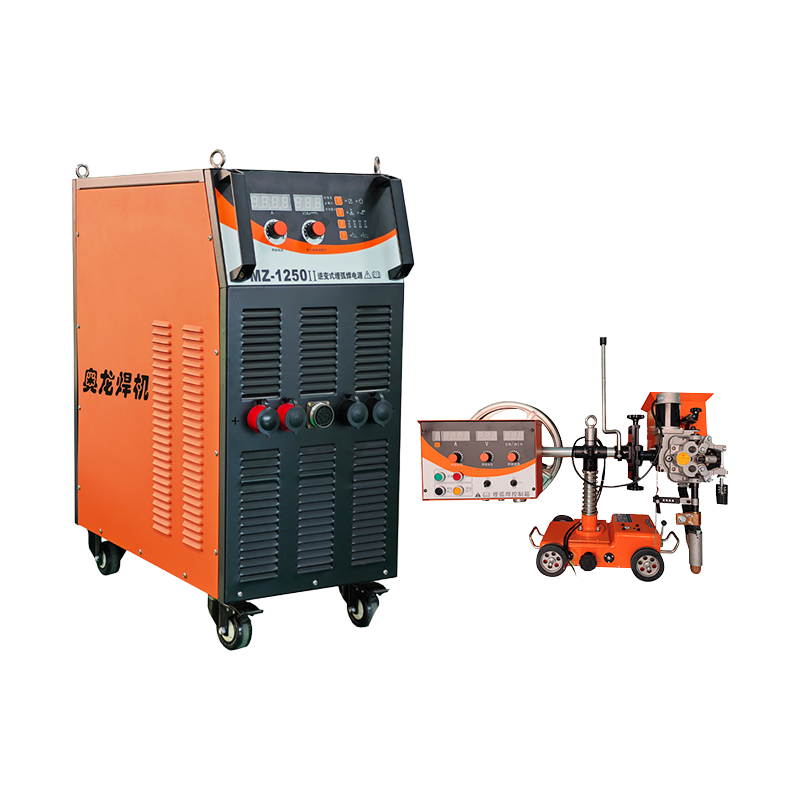
1、Two functions, submerged arc welding and manual welding. 2、High load...
See Details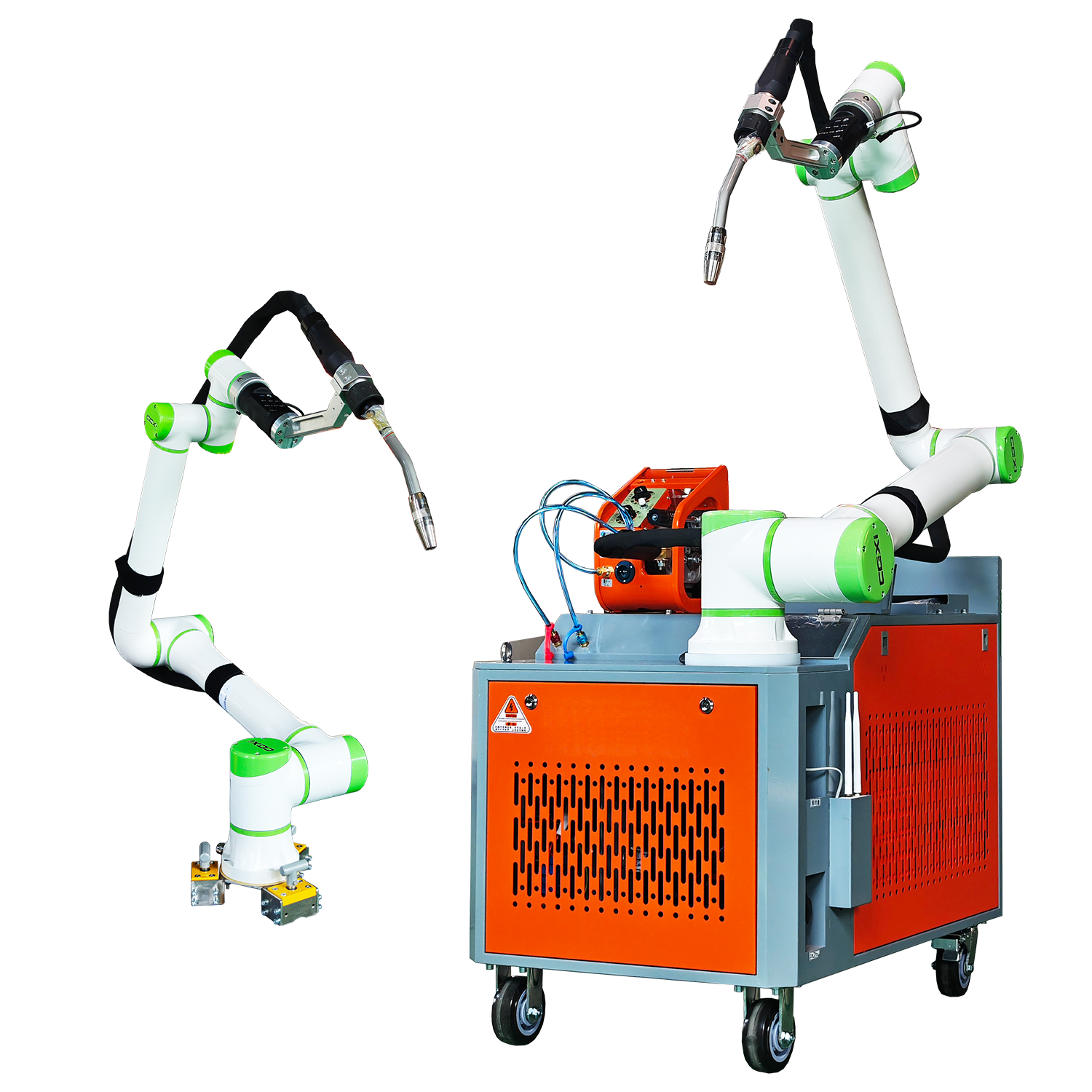
1. The welding machine communicates with the control pad, and all para...
See DetailsRequest for a call today


Tel: 4000707018

E-mail: aolohj@163.com

Add: Factory Building No. 5, Phase II, Pioneer Park, Economic Development Zone, Taizhou City, Jiangsu Province, China.
Copyright 2023 Jiangsu Aolong Electric Technology Co., Ltd. All Rights Reserved.
 Privacy Policy Industrial Welding Machine Manufacturers


Contact Us