


 English
 中文简体
中文简体 Español
 русский
NBC-315Y 220V/380V 300A IGBT Inverter Portable welder Built-in wire feeder 2T/4T MIG/MAG(GMAW)
Cat:Gas shielded welding machine
1、The machine adopts a phase-shifted full-bridge inverter main circuit...
See DetailsA submerged arc welding (SAW) machine is the premier choice for high-volume, heavy-industry fabrication, offering deposition rates up to 10 times higher than manual shielded metal arc welding. By submerging the electric arc beneath a layer of granular flux, these systems eliminate arc flash, significantly reduce fumes, and ensure deep penetration ideal for thick steel plates. For manufacturers seeking maximum efficiency in longitudinal or circumferential seams, investing in a robust SAW system yields immediate returns through reduced labor hours and superior weld quality.
Content
The primary driver for adopting SAW technology is its unmatched productivity in flat-position welding. Unlike open-arc processes, the granular flux blanket protects the molten pool from atmospheric contamination while retaining heat. This thermal efficiency allows for higher current inputs without burning through the base material.
Operational benefits extend beyond speed. The absence of visible arc radiation reduces eye strain for operators and eliminates the need for heavy protective curtains in automated cells. Furthermore, the process achieves a deposition efficiency of nearly 99%, as there is no stub loss associated with stick electrodes and minimal spatter.
A standard submerged arc welding machine consists of several integrated subsystems that must be synchronized for optimal performance. Understanding these components helps in troubleshooting and maintenance.
Most modern SAW setups utilize DC power sources, often in constant voltage (CV) mode for wire electrode applications. The control unit manages the wire feed speed, travel speed, and flux delivery. Advanced units feature digital interfaces that allow for the storage of multiple welding procedures, ensuring repeatability across shifts.
The wire feeder must provide consistent tension to prevent bird-nesting or slipping. The torch assembly includes the contact tip, nozzle, and flux hopper. It is crucial that the flux nozzle is positioned correctly to maintain a flux layer depth of 25-50mm ahead of the arc. Insufficient flux coverage can lead to arc exposure and porosity, while excessive depth may cause gas trapping.
Achieving high-quality welds requires precise adjustment of electrical and mechanical variables. Deviations in these parameters can lead to defects such as undercutting, lack of fusion, or excessive reinforcement.
| Parameter | Low Range | High Range | Effect of Increase |
|---|---|---|---|
| Arc Current (A) | 300 | 1500+ | Increases penetration and deposition rate |
| Arc Voltage (V) | 25 | 40 | Widens bead width, increases flux consumption |
| Travel Speed (m/min) | 0.5 | 2.5 | Reduces heat input, narrows bead |
Maintaining the correct stick-out (extension of the wire beyond the contact tip) is also vital. For SAW, a stick-out of 20-30mm is typical. Excessive stick-out increases resistance heating, which can preheat the wire but may lead to instability in the arc.
While SAW is safer than many open-arc processes due to the lack of UV radiation, it presents unique hazards. The granular flux can create silica dust, and the submerged arc can generate significant amounts of carbon monoxide if not ventilated properly.
Routine maintenance should include cleaning the flux hopper screens to prevent clogging and checking the contact tips for erosion. Worn contact tips cause erratic wire feeding and arc instability, directly impacting weld quality.
The submerged arc welding machine remains an indispensable asset for heavy fabrication, pressure vessel manufacturing, and pipe production. Its ability to deliver high-speed, deep-penetration welds with minimal operator fatigue makes it superior for long-seam applications. Success with SAW relies not just on the equipment, but on the precise calibration of voltage, current, and travel speed, alongside rigorous flux management. By adhering to established parameter ranges and maintaining a clean, dry flux supply, manufacturers can consistently achieve high-integrity welds with maximum operational efficiency.
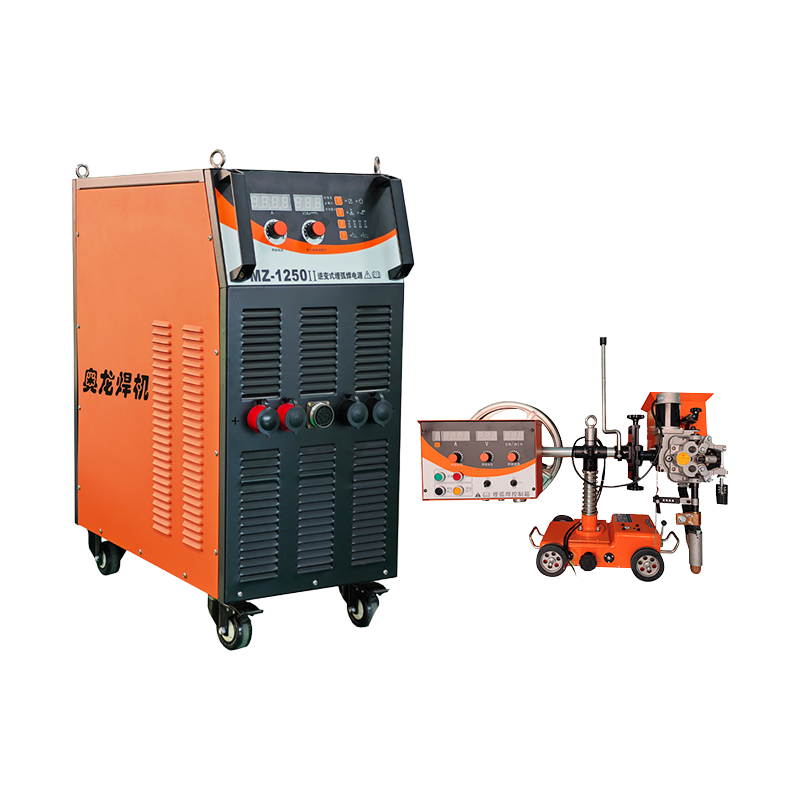
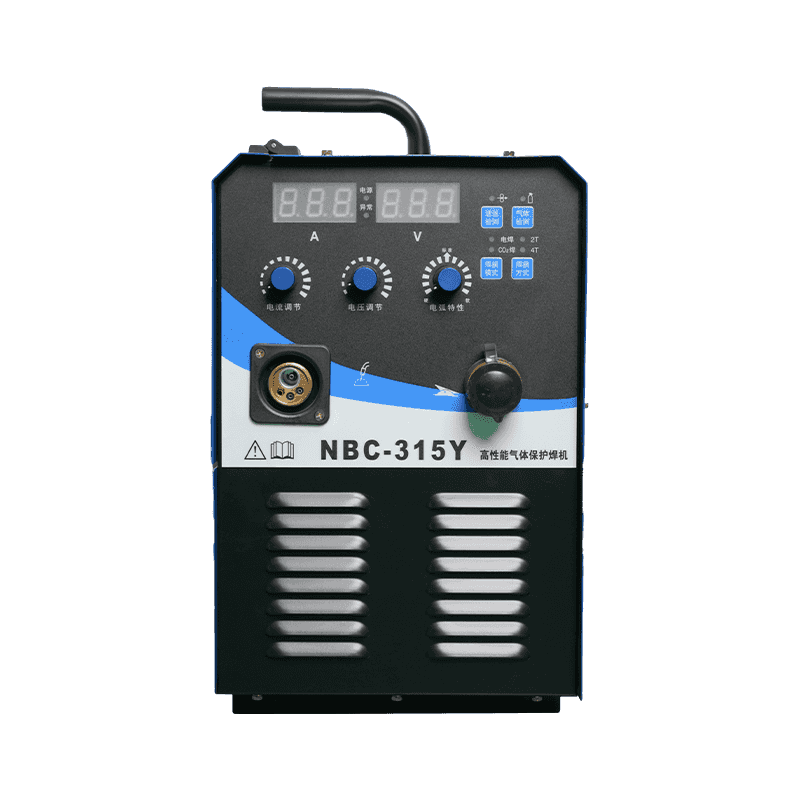
1、The machine adopts a phase-shifted full-bridge inverter main circuit...
See Details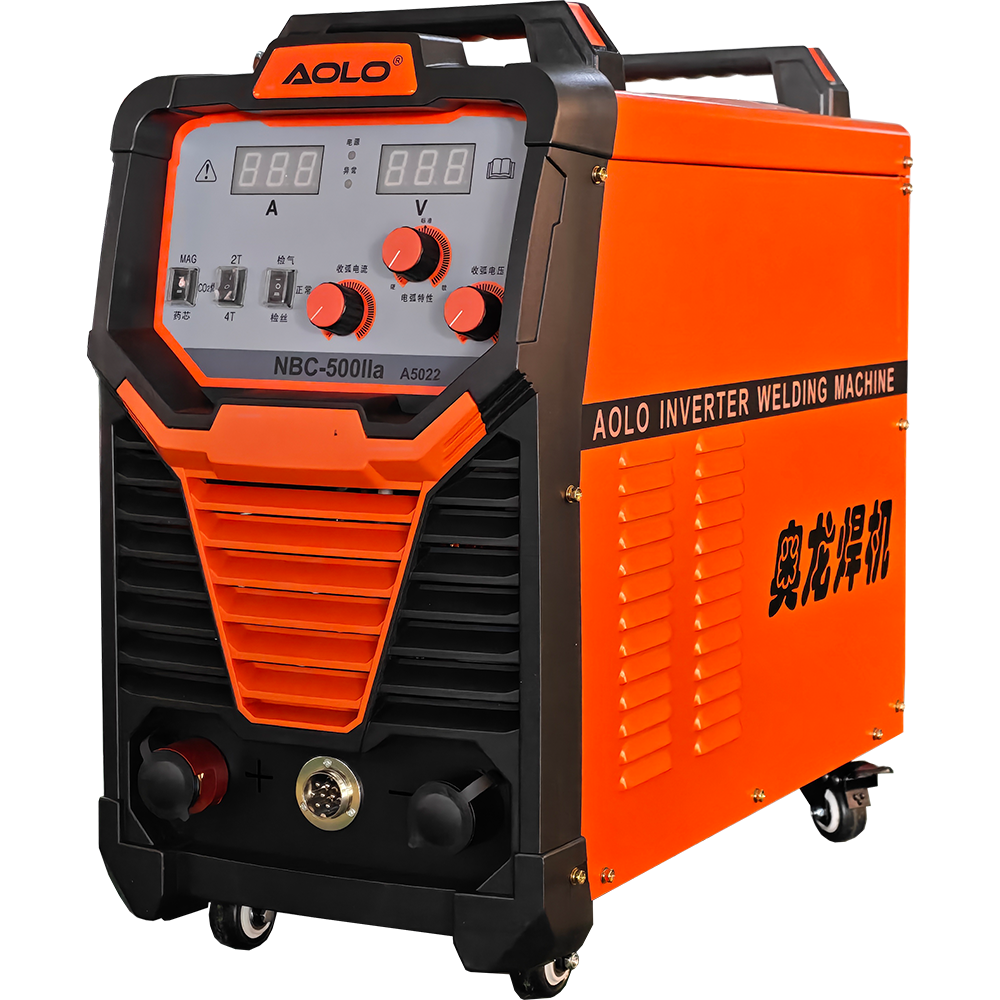
1、High-selling gas-shielded welder with a good price/performance ratio...
See Details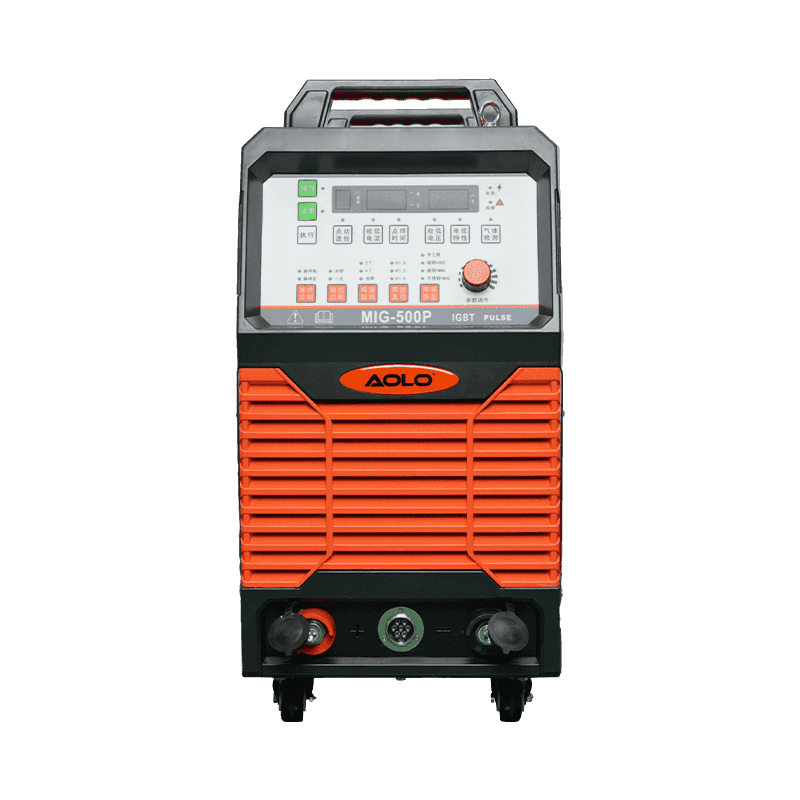
1、Rich functions, button selection facilitates parameter adjustment 2、...
See Details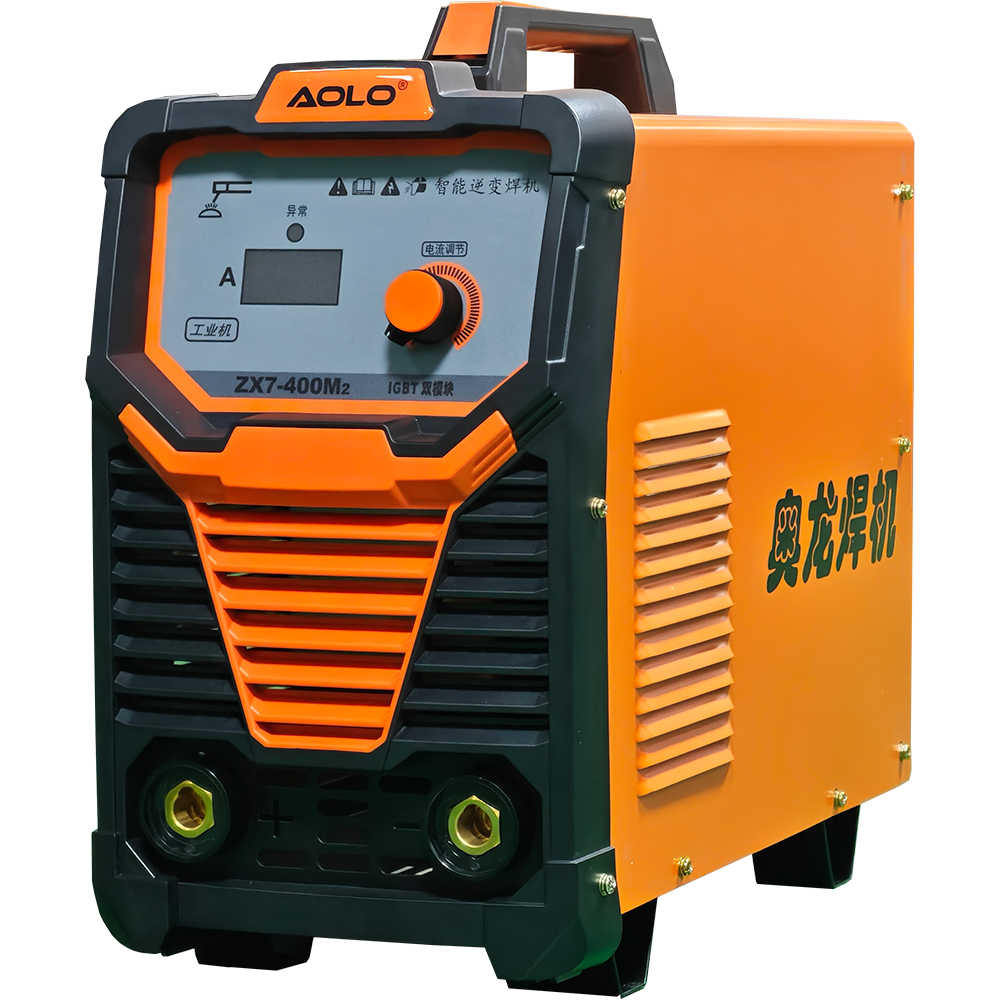
1、It can weld electrodes with a diameter of 5mm. 2、Fast arc starting, ...
See Details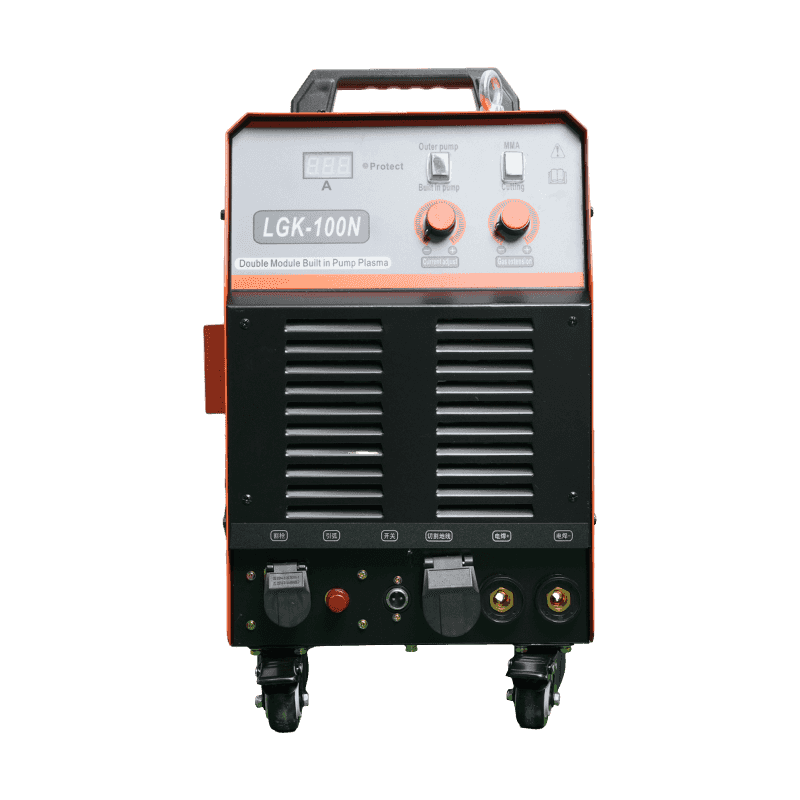
1、There are two modes of compressed air source, either a built-in air ...
See Details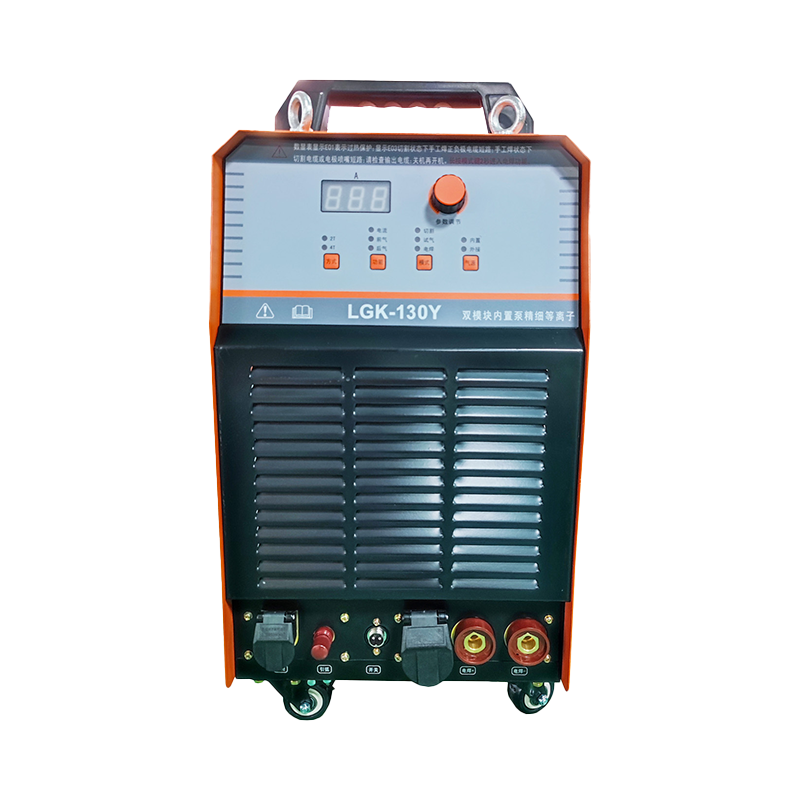
1、The arc energy is concentrated and stable, the cutting force is stro...
See Details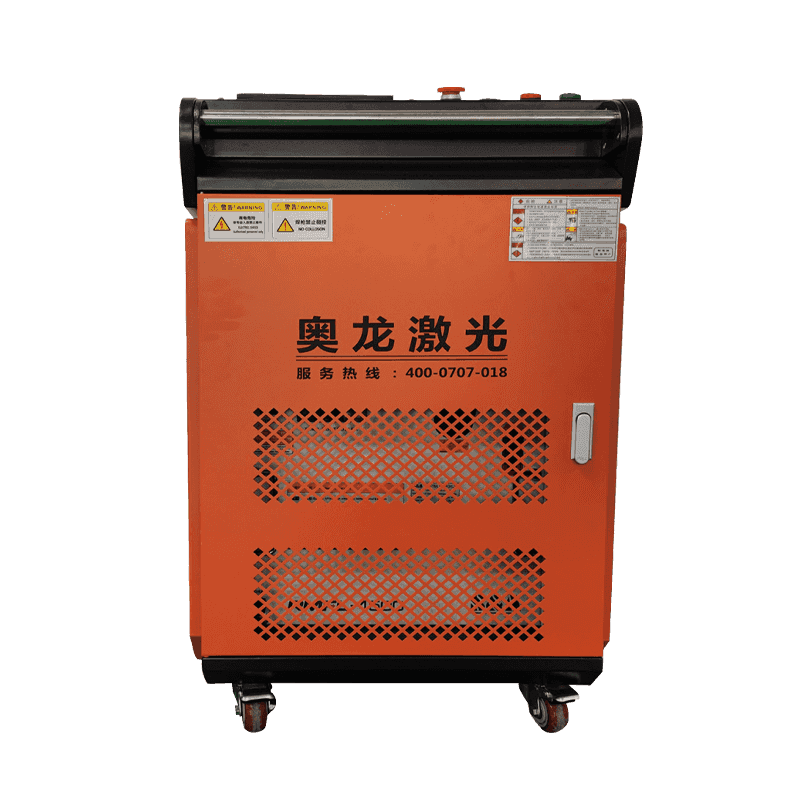
1、High-power laser welding machine, suitable for heavy-duty industrial...
See Details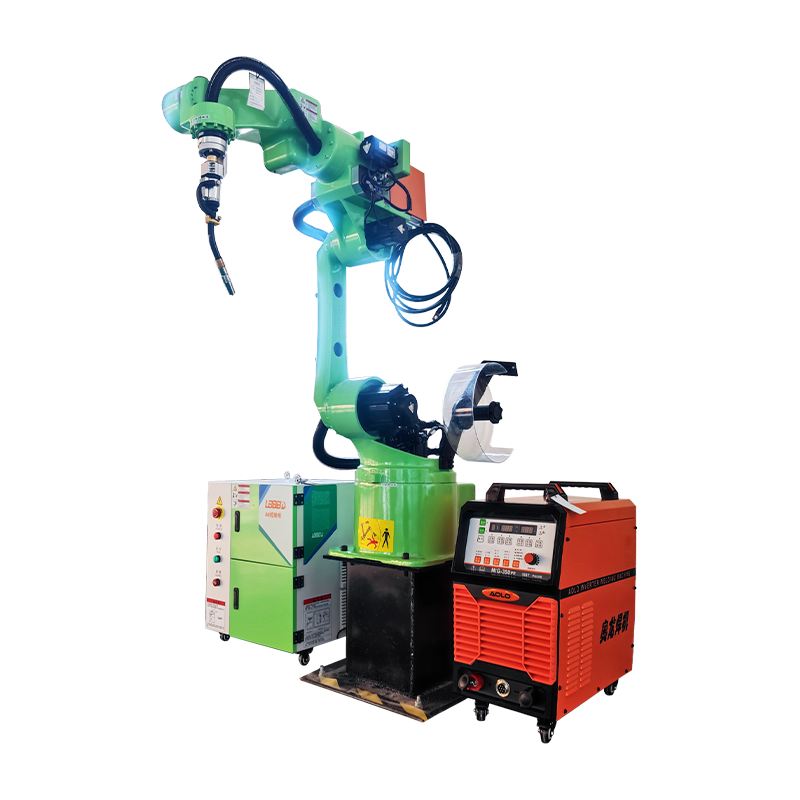
1、The robotic arm can be equipped with a gas shielded welding machine ...
See Details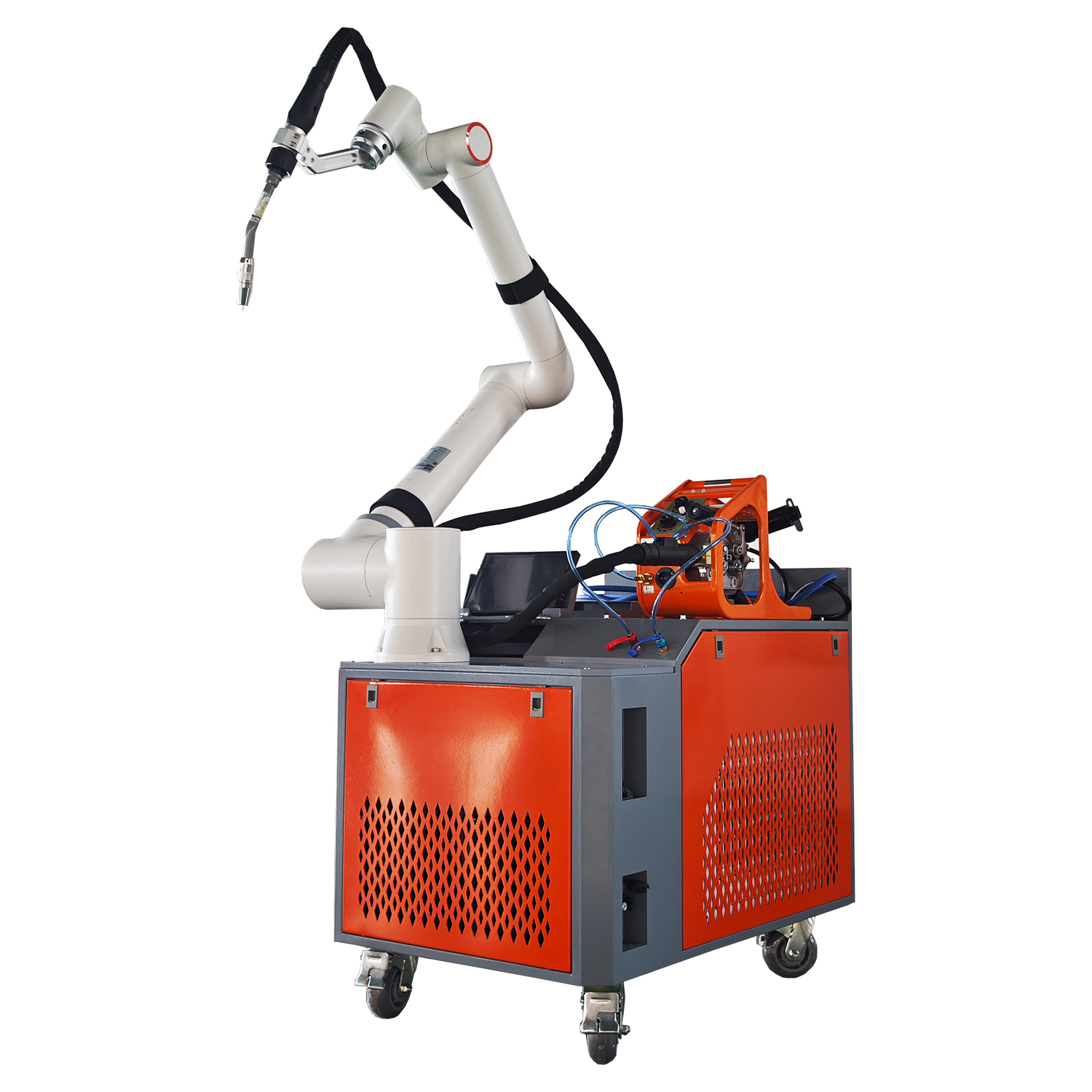
1. The welding machine communicates with the control pad, and all para...
See Details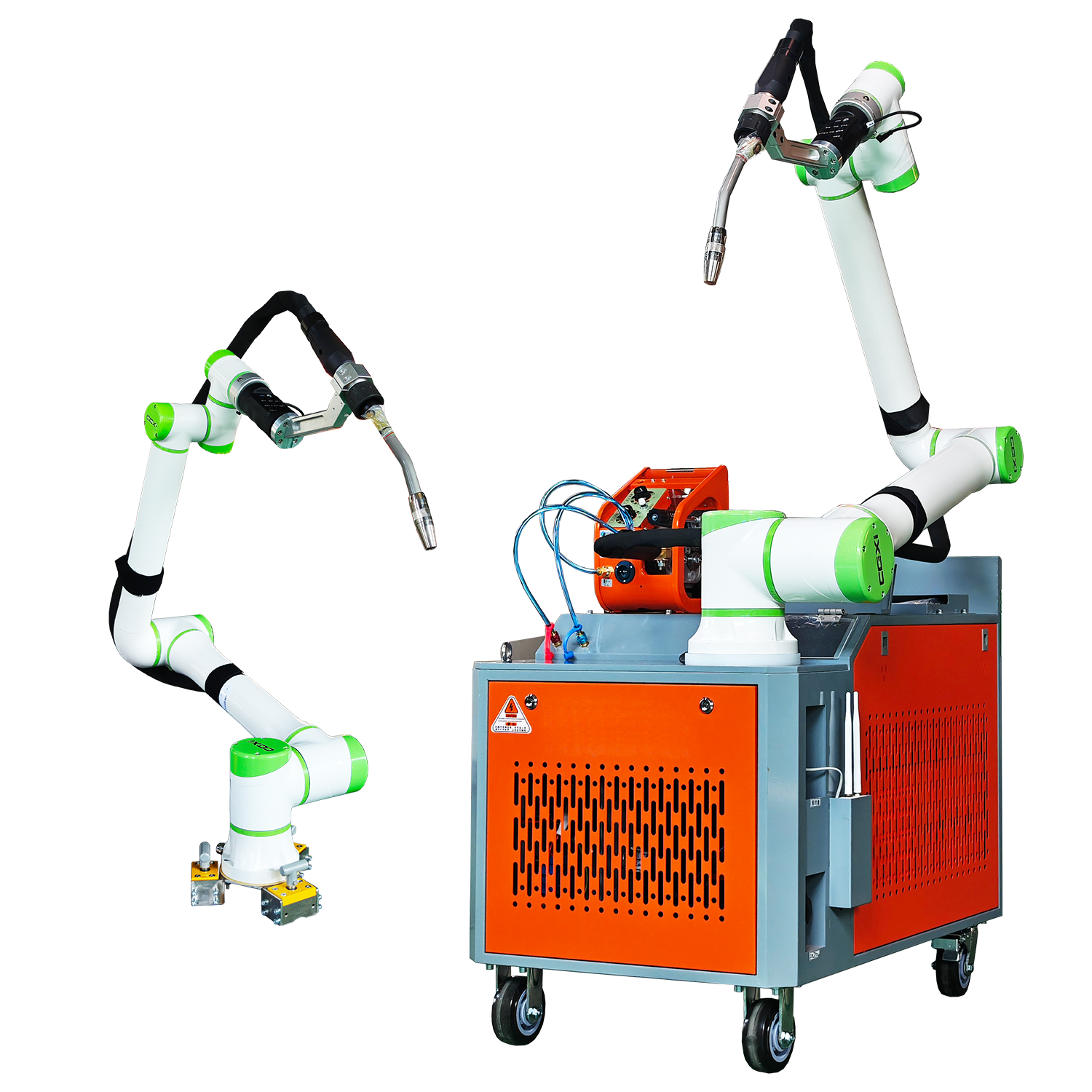
1. The welding machine communicates with the control pad, and all para...
See DetailsRequest for a call today


Tel: 4000707018

E-mail: aolohj@163.com

Add: Factory Building No. 5, Phase II, Pioneer Park, Economic Development Zone, Taizhou City, Jiangsu Province, China.
Copyright 2023 Jiangsu Aolong Electric Technology Co., Ltd. All Rights Reserved.
 Privacy Policy Industrial Welding Machine Manufacturers


Contact Us