What is a Laser Welding Machine?
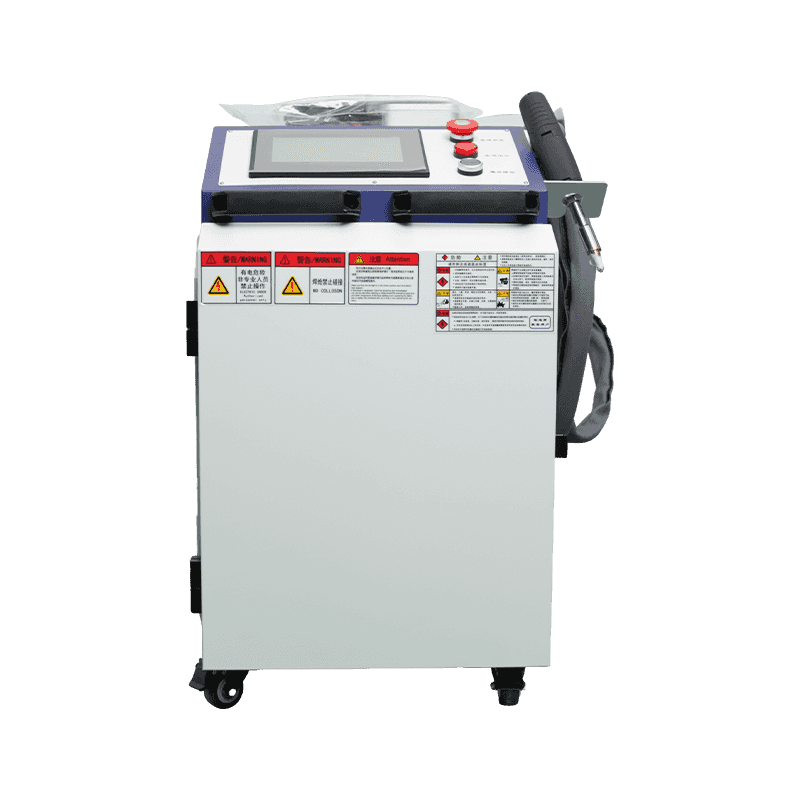
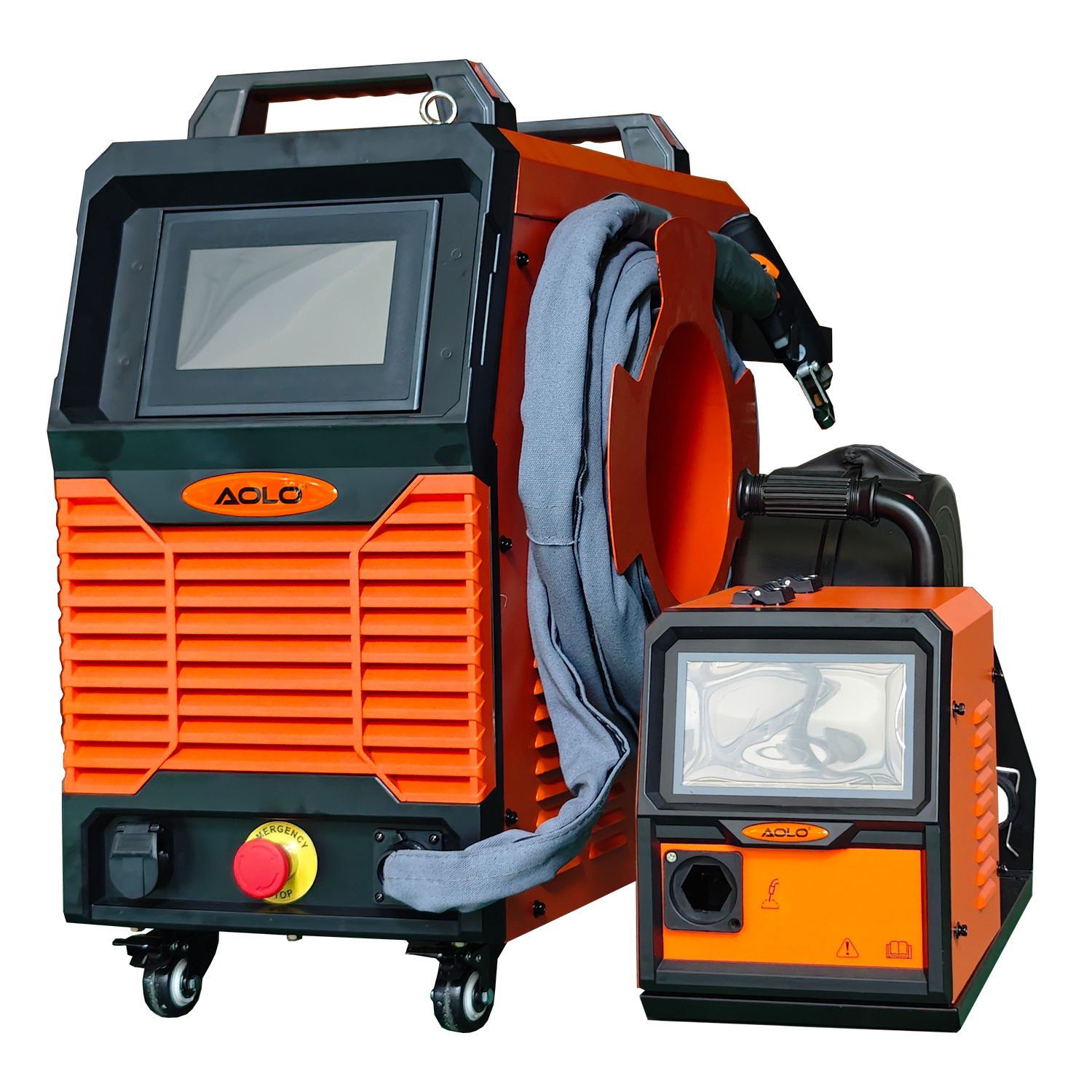
A laser welding machine is a precision tool used to join materials together using a high-powered laser beam. The laser provides focused energy that melts the material, creating a strong bond. Laser welding is widely used in various industries such as automotive, aerospace, electronics, and medical device manufacturing due to its high precision and minimal heat-affected zones. This makes it ideal for projects requiring small parts or complex assemblies.
Types of Laser Welding Machines
Laser welding machines come in different configurations to cater to specific applications. The most common types are:
- Continuous Wave (CW) Laser Welding: Uses a continuous beam of light, suitable for welding thin materials with high precision.
- Pulsed Laser Welding: Uses short bursts of laser energy, ideal for thicker materials or when precise control over heat input is necessary.
- Fiber Laser Welding: Uses a fiber-optic cable to deliver the laser, known for its efficiency, power, and the ability to weld highly reflective materials like aluminum.
Applications of Laser Welding Machines
Laser welding is a versatile technology used in several fields. Some notable applications include:
- Aerospace: Laser welding is crucial in aerospace manufacturing for joining high-strength materials with minimal heat distortion.
- Automotive: It is widely used to weld thin sheet metals and complex components in the automotive industry, offering high precision and strength.
- Electronics: Laser welding ensures precise connections in microelectronics, such as circuit boards, batteries, and connectors.
- Medical Devices: Laser welding is ideal for manufacturing medical implants and devices, where sterility and precision are essential.
Key Factors to Consider When Choosing a Laser Welding Machine
When selecting a laser welding machine, there are several factors to consider to ensure it meets the specific needs of your application. Here are some of the most important ones:
- Material Type: Different materials require different laser types. For instance, fiber lasers are better for reflective metals like aluminum, while CW lasers are ideal for thin stainless steel.
- Power Requirements: The power of the laser should match the material thickness and type. Higher power is typically needed for thicker or denser materials.
- Precision: Precision is key in laser welding, especially for intricate parts. It is essential to choose a machine with the appropriate focal length and spot size for your project.
- Cost and Maintenance: The initial cost of a laser welding machine can be high. Consider not only the purchase price but also maintenance costs, as some machines may require more frequent service.
Benefits of Laser Welding Machines
Laser welding machines offer several advantages over traditional welding methods, such as:
- High Precision: Laser welding is known for its extreme precision, making it ideal for small, intricate parts.
- Minimal Heat-Affected Zone: The narrow beam of the laser minimizes heat distortion, ensuring that the surrounding material is not damaged.
- Increased Speed: Laser welding can be faster than conventional welding methods, improving productivity and reducing labor costs.
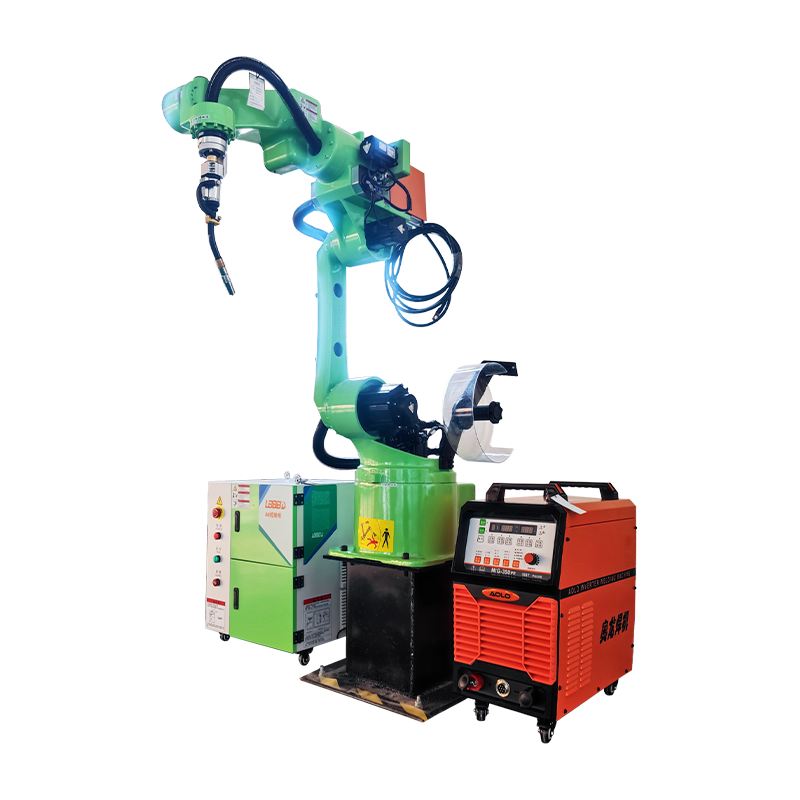
- Automation: Many laser welding machines can be automated, making them suitable for high-volume production.
Conclusion
Laser welding machines provide a highly efficient and precise solution for a wide range of industries. Whether you’re working with thin metals in the automotive industry or microcomponents in electronics, laser welding offers unmatched accuracy and minimal heat distortion. By considering factors like material type, power requirements, and precision, you can select the right laser welding machine to suit your specific needs. With continuous advancements in laser technology, laser welding remains a powerful tool for modern manufacturing processes.



 English
 中文简体
中文简体 Español
 русский






Contact Us