


 English
 中文简体
中文简体 Español
 русский
NBC-315Y 220V/380V 300A IGBT Inverter Portable welder Built-in wire feeder 2T/4T MIG/MAG(GMAW)
Cat:Gas shielded welding machine
1、The machine adopts a phase-shifted full-bridge inverter main circuit...
See DetailsA stud welding machine is the definitive solution for creating high-strength, permanent fasteners on metal surfaces without drilling holes or compromising material integrity. By utilizing an electric arc to melt the base of a stud and the corresponding spot on the workpiece, these machines fuse the two components in milliseconds. For most industrial applications, capacitor discharge (CD) welding offers the best balance of speed and minimal heat distortion, while drawn arc welding provides superior strength for larger structural studs. Selecting the right machine depends primarily on stud diameter, base material thickness, and production volume requirements.
Content
Understanding the distinction between the two primary stud welding processes is critical for choosing the correct equipment. Each method serves distinct industrial needs based on the physics of the arc generation and heat input.
CD welding stores energy in capacitors and releases it instantly. This process is characterized by its extreme speed, typically completing a weld in 1 to 6 milliseconds. Because the heat-affected zone is incredibly small, there is virtually no marking on the reverse side of the workpiece. This makes CD ideal for thin gauge materials, such as sheet metal enclosures, automotive panels, and electronic chassis.
Drawn arc welding uses a rectified DC power source to maintain a longer arc duration, typically between 100 to 1500 milliseconds. A ceramic ferrule is often used to contain the molten metal and shape the weld fillet. This method penetrates deeper into the base material, making it suitable for heavy structural applications, shipbuilding, and construction where high shear and tensile strength are mandatory.
Even with a high-quality stud welding machine, failure rates can spike if operational parameters are not meticulously controlled. The consistency of the weld relies on three main variables: lift height, plunge depth, and weld time.
The lift height determines the length of the arc. If the lift is too low, the stud may short-circuit before melting properly, resulting in a cold weld. If the lift is too high, the arc may become unstable or extinguish, leading to porosity. For standard drawn arc welding on steel, a lift height of 1.5 to 2.5 mm is typically optimal. Modern digital machines allow for micro-adjustments here, which is crucial when welding aluminum, which requires a shorter, more controlled arc due to its high thermal conductivity.
Once the base metal and stud tip are molten, the machine must plunge the stud into the weld pool with sufficient force to expel oxides and ensure metallurgical bonding. The timing of this plunge is synchronized with the current cutoff. A delay of even 10 milliseconds can result in the metal beginning to solidify, causing a weak bond. Operators should regularly verify the pneumatic or spring-loaded plunge mechanism for consistent pressure.
Not all metals behave the same under the intense heat of stud welding. The choice of machine and accessories must align with the base material's chemical and physical properties.
| Material | Preferred Method | Key Challenge | Surface Prep Requirement |
|---|---|---|---|
| Mild Steel | Drawn Arc / CD | Rust/Oil contamination | Grind to bright metal if rusty |
| Stainless Steel | Drawn Arc (Short Cycle) | Carbide precipitation | Clean, degreased |
| Aluminum | Specialized AC/DC Arc | Oxide layer formation | Strictly clean, wire brush immediately before |
Aluminum presents a unique challenge due to its refractory oxide layer, which melts at a much higher temperature than the base metal. Standard steel stud welding machines cannot weld aluminum effectively. Operators must use machines equipped with AC cleaning cycles or specialized DC polarity controls to break down the oxide layer during the weld cycle.
When a stud welding machine produces inconsistent results, the cause is usually traceable to a few common issues. Systematic diagnosis can reduce downtime and scrap rates significantly.
To ensure longevity and operator safety, regular maintenance of the stud welding machine is non-negotiable. The high currents involved generate significant stress on internal components.
Stud welding produces intense UV radiation and hot metal spatter. Operators must wear shade 10-12 welding lenses and flame-resistant gloves. Unlike traditional MIG/TIG welding, stud welding is often performed in tight spaces, so adequate ventilation is essential to remove ozone and metal fumes. Always ensure the workpiece is properly grounded to prevent stray arcing that could damage sensitive electronics or bearings in the vicinity.
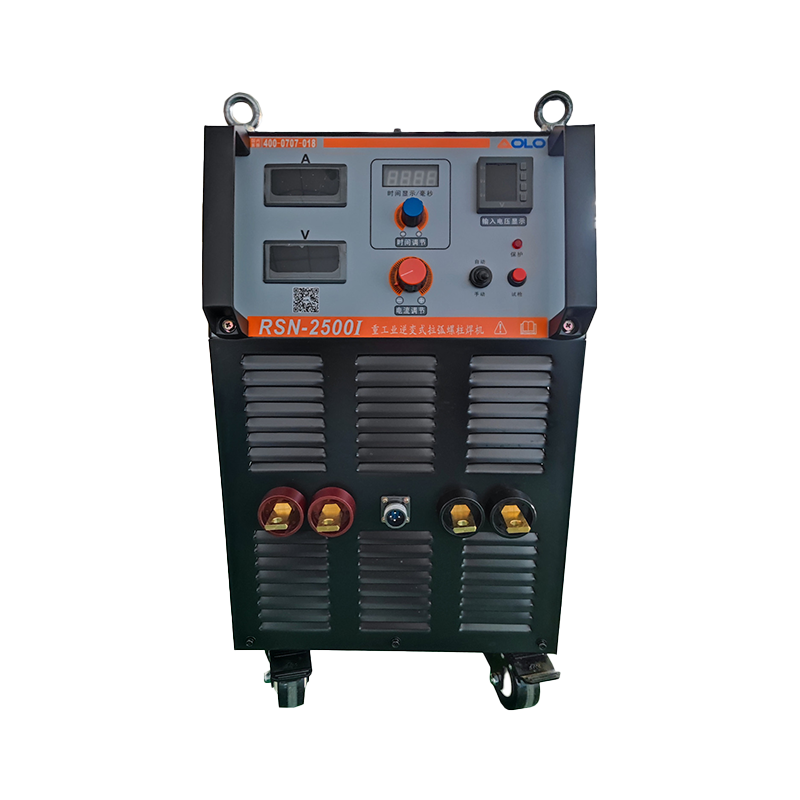
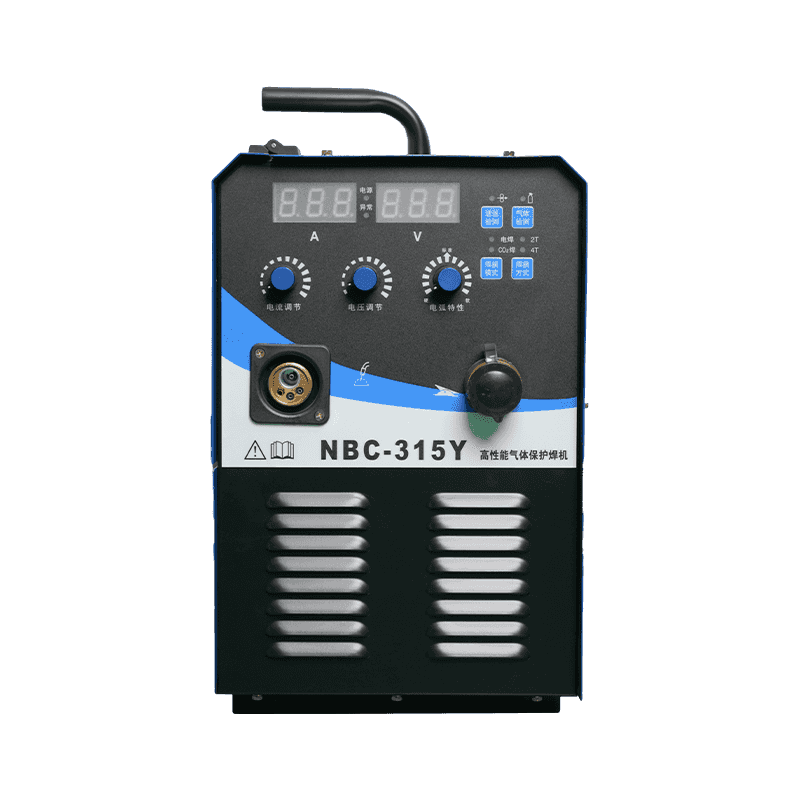
1、The machine adopts a phase-shifted full-bridge inverter main circuit...
See Details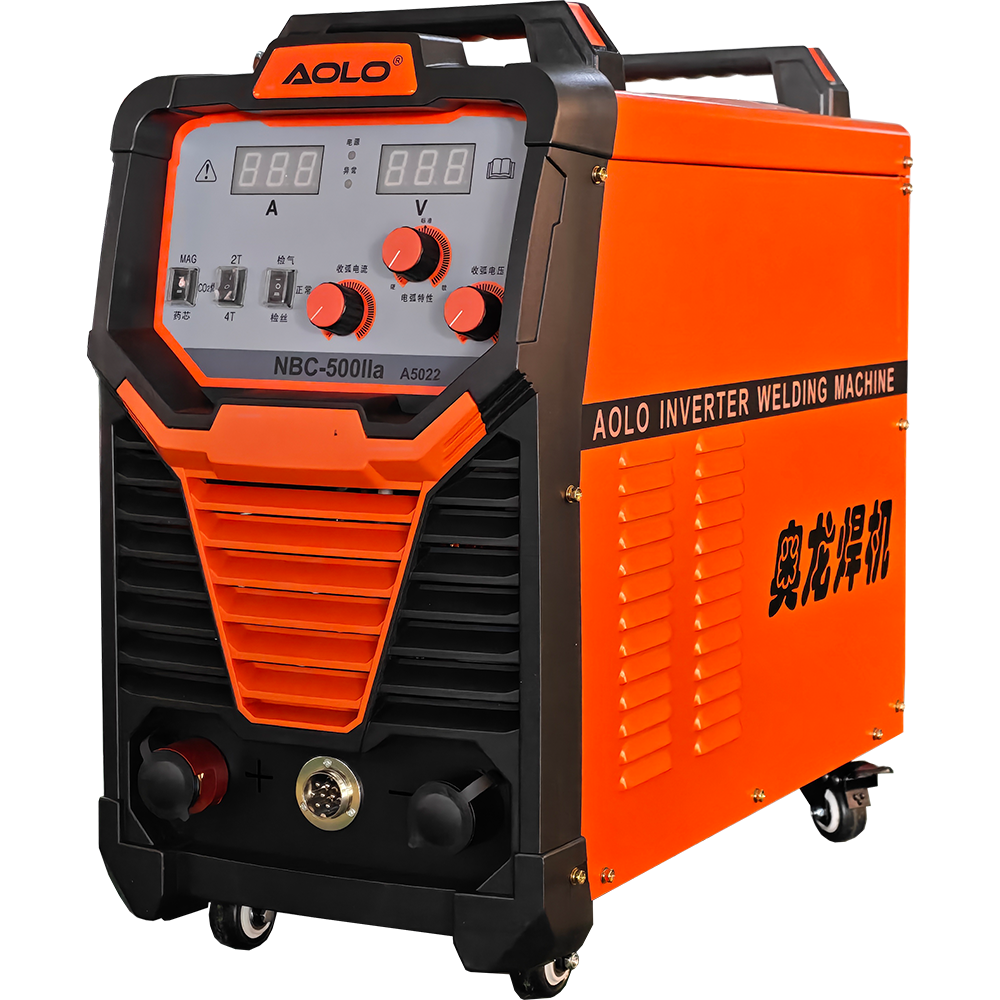
1、High-selling gas-shielded welder with a good price/performance ratio...
See Details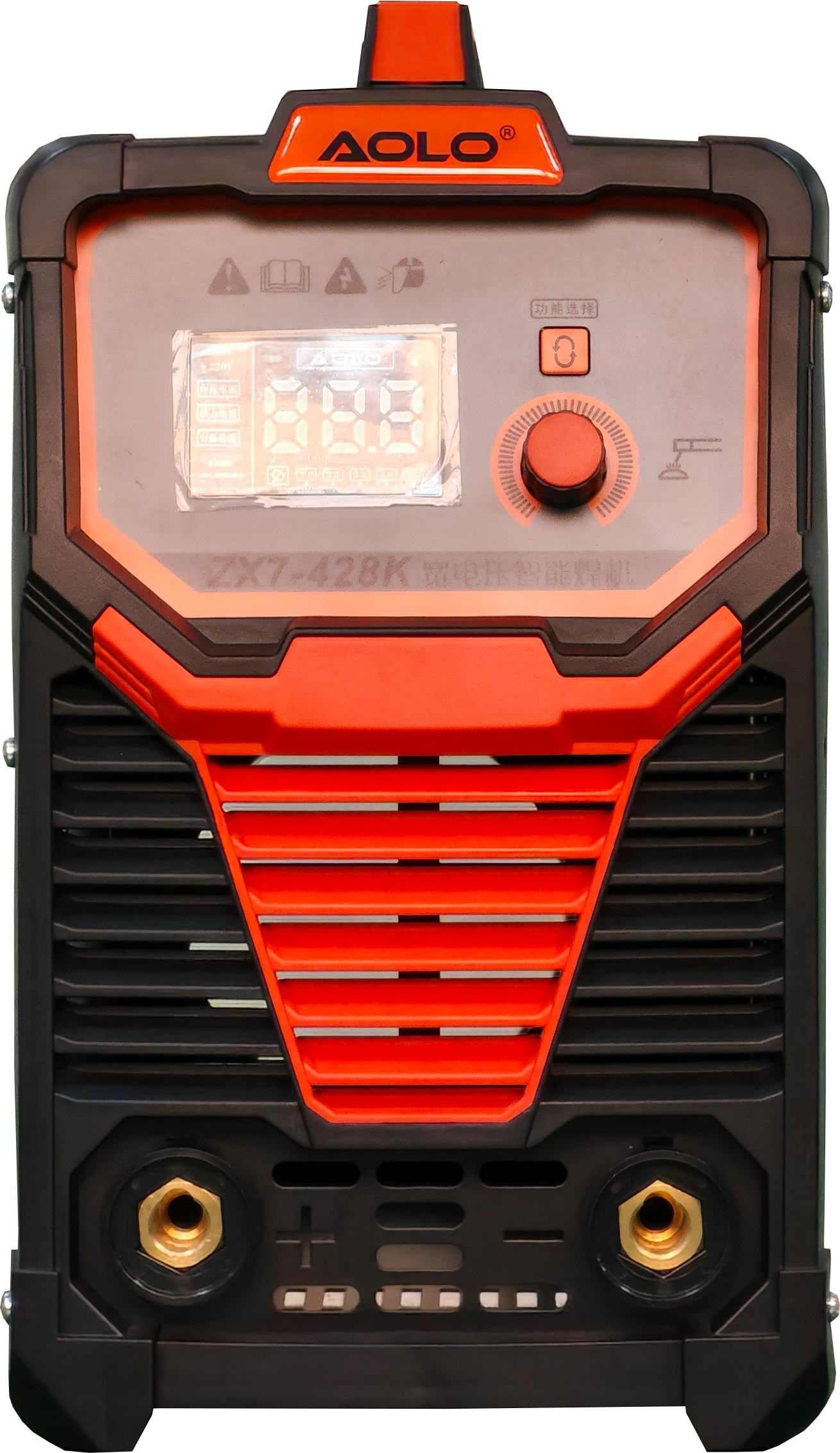
1、Small size, light weight, easy to carry, suitable for home use or sm...
See Details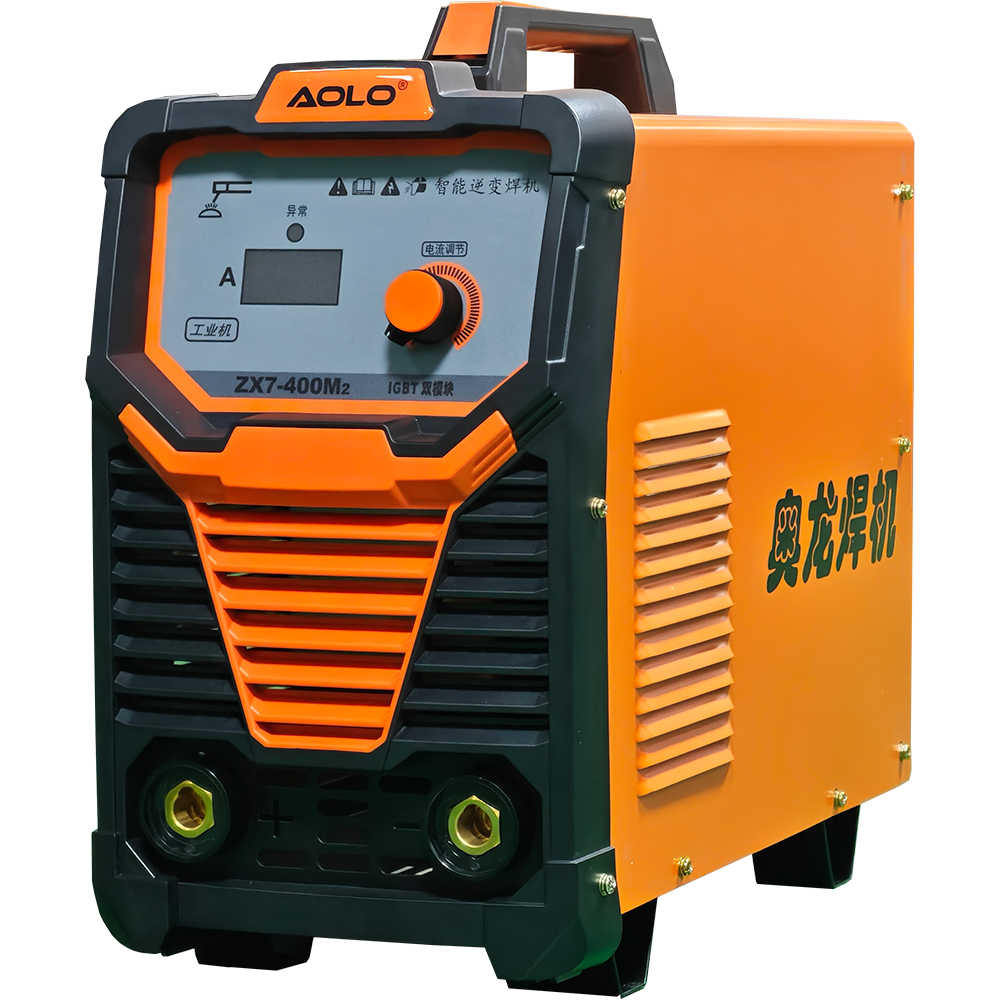
1、It can weld electrodes with a diameter of 5mm. 2、Fast arc starting, ...
See Details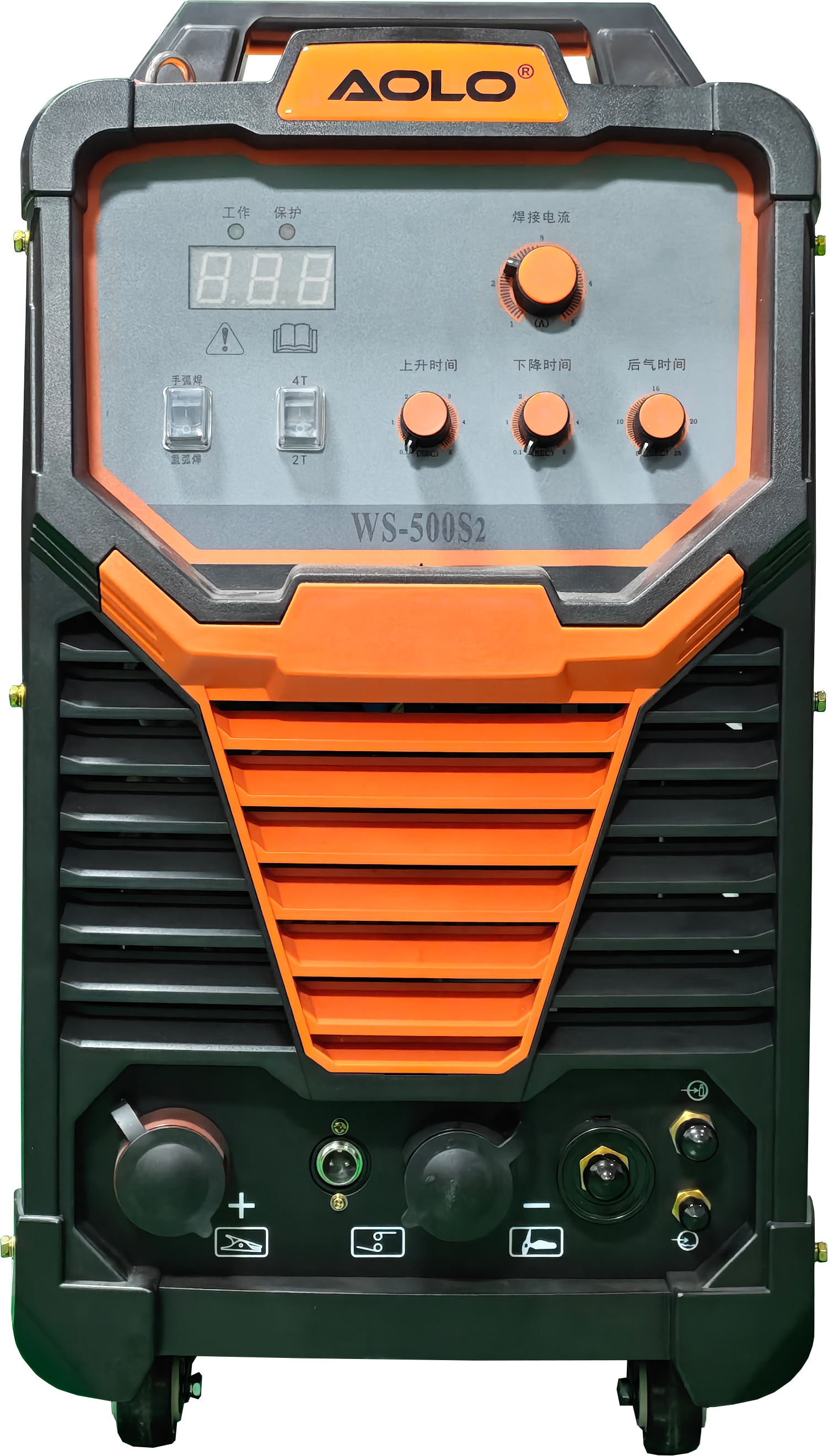
1、Easy arc starting, stable welding current, fast dynamic response spe...
See Details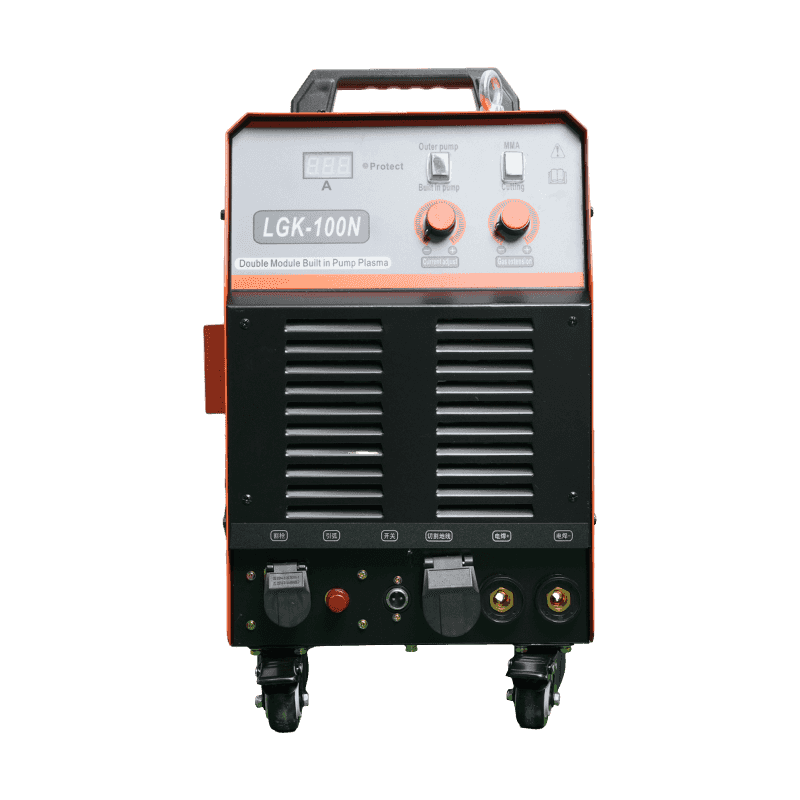
1、There are two modes of compressed air source, either a built-in air ...
See Details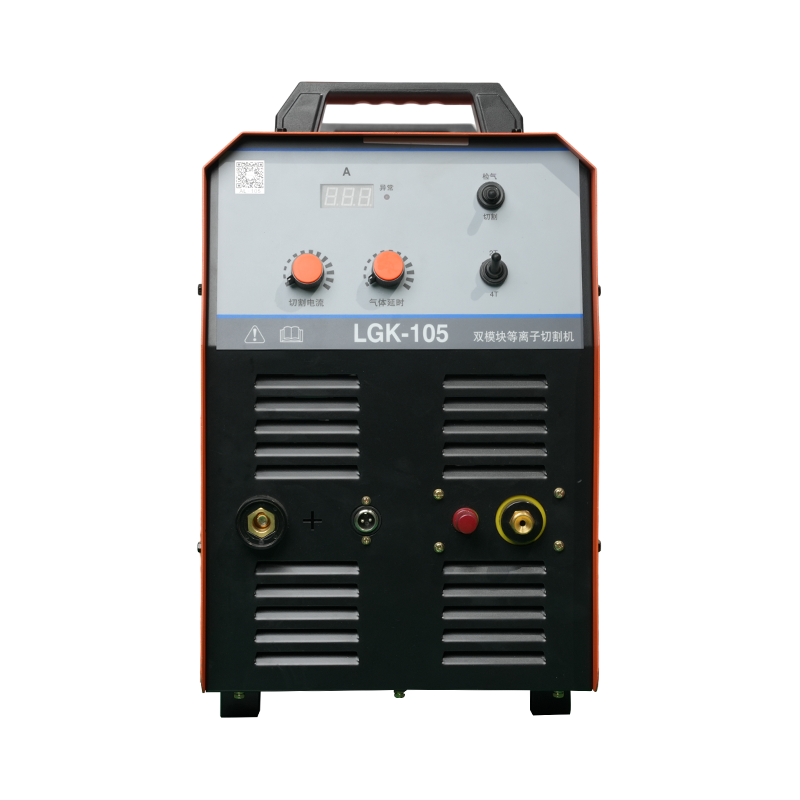
1、External air pump plasma cutting machine makes the whole machine lig...
See Details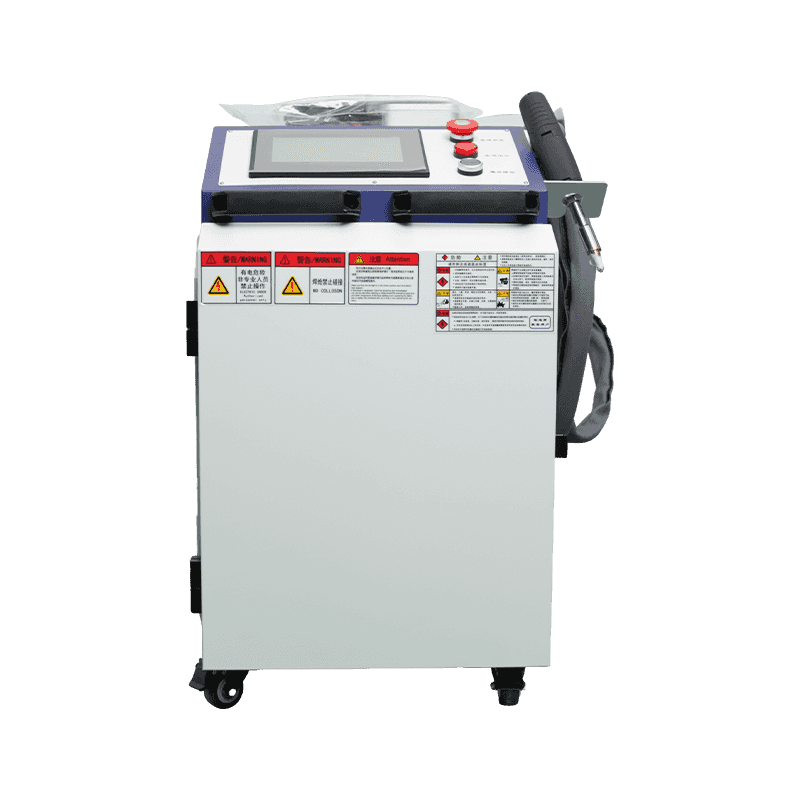
1、This is a 3 in 1 laser welding machine with welding, cleaning and cu...
See Details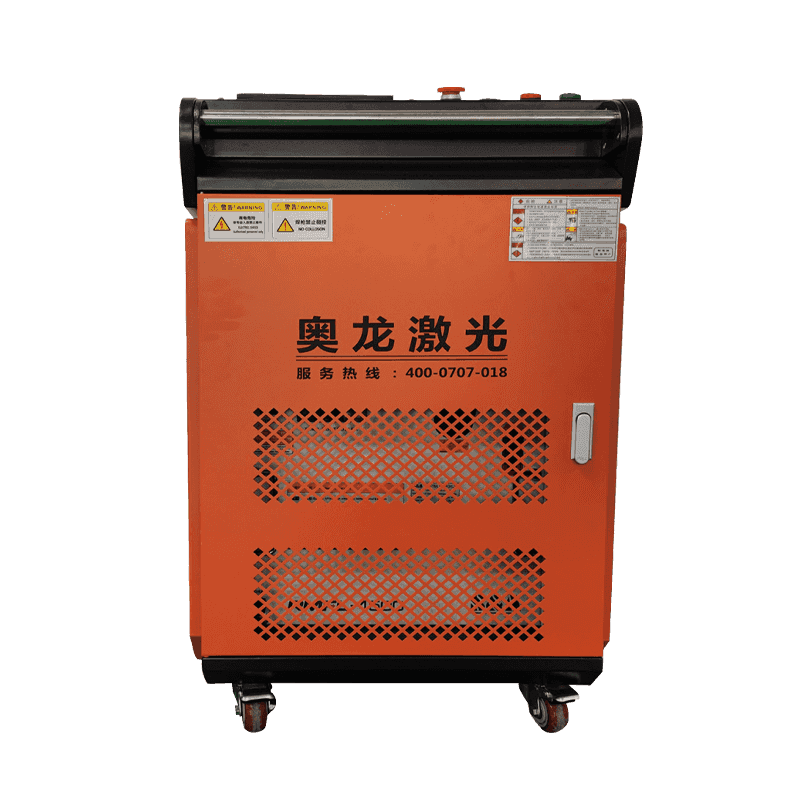
1、High-power laser welding machine, suitable for heavy-duty industrial...
See Details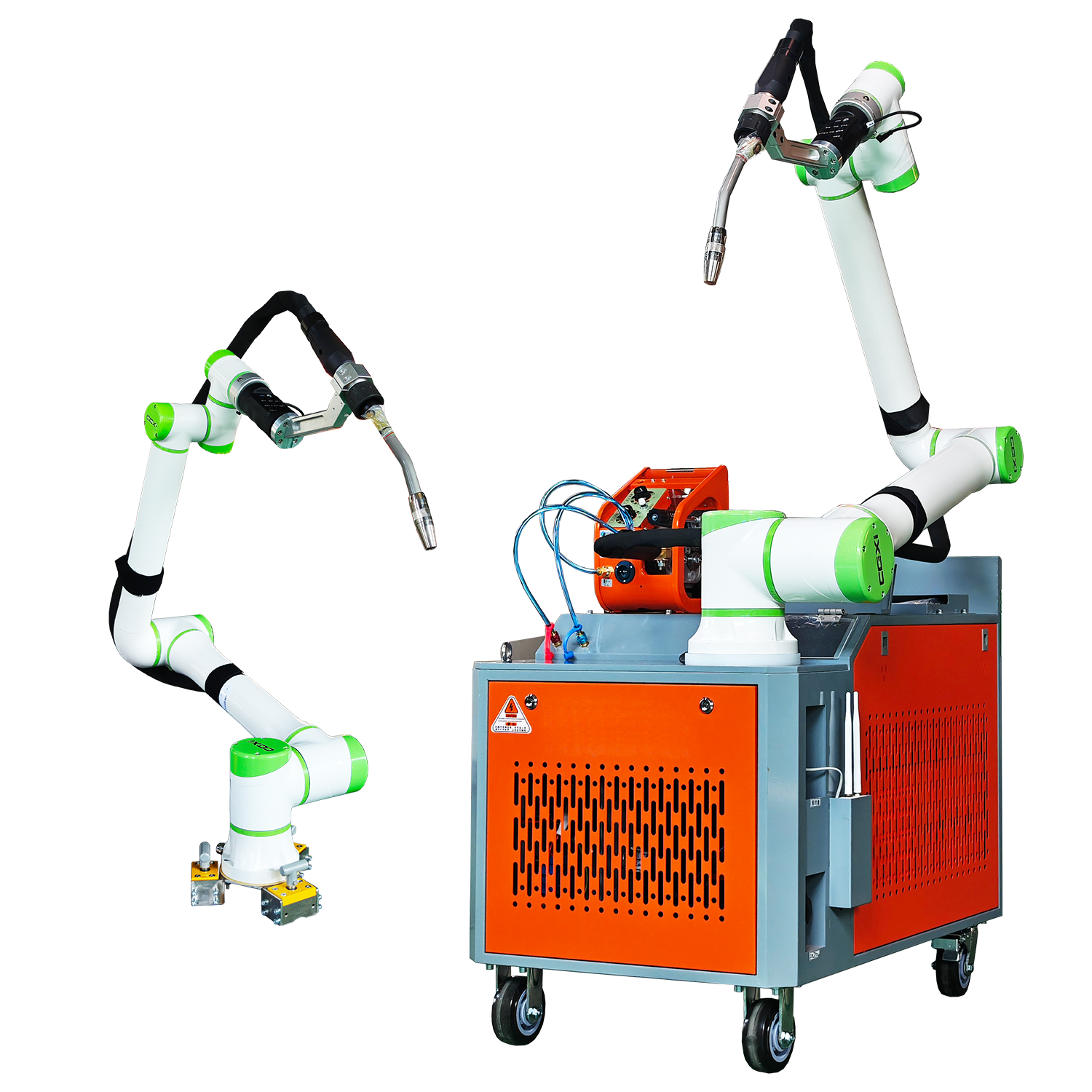
1. The welding machine communicates with the control pad, and all para...
See DetailsRequest for a call today


Tel: 4000707018

E-mail: aolohj@163.com

Add: Factory Building No. 5, Phase II, Pioneer Park, Economic Development Zone, Taizhou City, Jiangsu Province, China.
Copyright 2023 Jiangsu Aolong Electric Technology Co., Ltd. All Rights Reserved.
 Privacy Policy Industrial Welding Machine Manufacturers


Contact Us