


 English
 中文简体
中文简体 Español
 русский
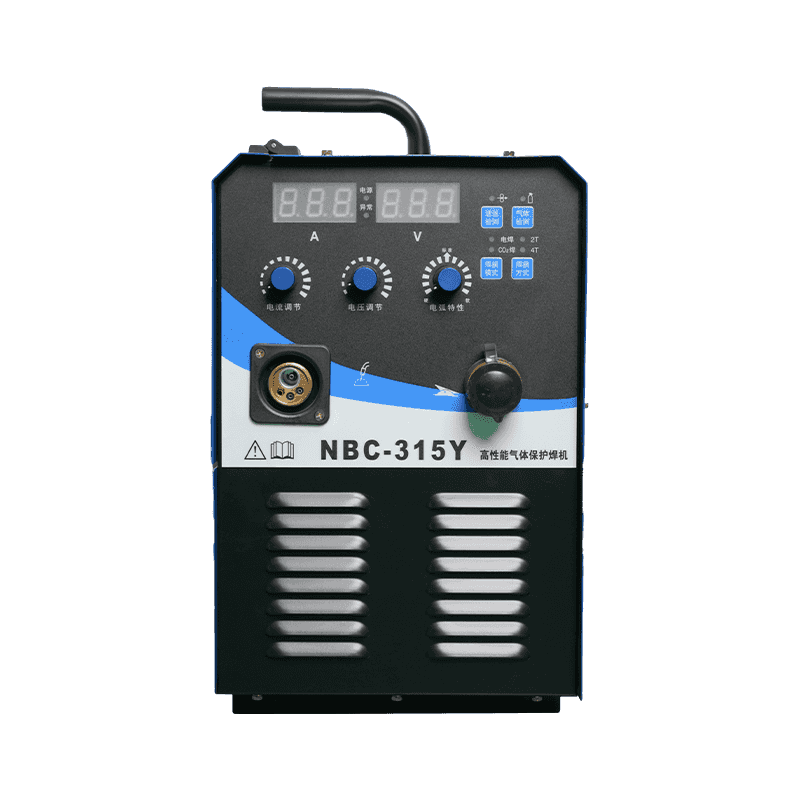
NBC-315Y 220V/380V 300A IGBT Inverter Portable welder Built-in wire feeder 2T/4T MIG/MAG(GMAW)
Cat:Gas shielded welding machine
1、The machine adopts a phase-shifted full-bridge inverter main circuit...
See DetailsContent
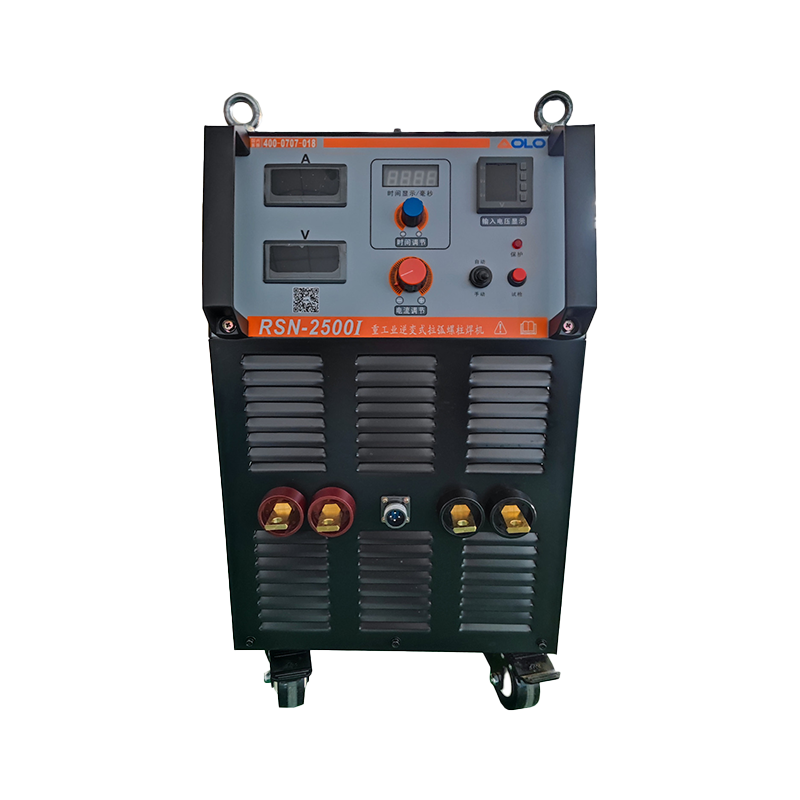
A stud welding machine is a specialized piece of equipment that permanently fastens metal studs, bolts, or pins to a base material in a single, rapid operation — without the need for drilling, riveting, or manual welding. The process takes as little as 10 milliseconds for drawn arc welding and under 3 milliseconds for capacitor discharge (CD) welding, delivering high-strength joints with minimal distortion on the reverse side of the workpiece.
The core working principle relies on creating a controlled electric arc between the stud and the base material. This arc melts both surfaces simultaneously, after which the stud is plunged into the molten pool under spring or pneumatic pressure. As the weld cools in milliseconds, a full cross-section metallurgical bond is formed — typically stronger than the stud itself.
There are two primary welding methods used in modern stud welding machines:
Stud welding machines are deployed across a wide range of industries where speed, joint integrity, and clean aesthetics are non-negotiable. Their ability to weld from one side only makes them indispensable in applications where back-access is impossible or undesirable.
Shear connectors — typically headed studs — are welded to steel beams to create composite steel-concrete structures. A single operator with a portable stud welding machine can attach over 1,000 shear studs per shift, a throughput unachievable with manual welding. This method is standard in bridge construction, high-rise buildings, and industrial platforms worldwide.
CD stud welding is a cornerstone of automotive body assembly. Weld studs serve as attachment points for interior trim, wiring harnesses, and insulation panels. Because the process leaves no mark on the visible side of body panels, painted surfaces maintain their finish integrity. Major OEMs integrate robotic stud welding cells directly into press lines, achieving cycle times under 0.5 seconds per stud.
Naval architects specify drawn arc stud welding for attaching insulation pins, cable supports, and structural fasteners to hull plates. The one-sided welding process is essential on completed hull sections where interior access is restricted. Stud welding in shipbuilding environments uses shielding gas or ceramic ferrules to ensure consistent weld quality despite outdoor or confined-space conditions.
Thin-gauge steel and aluminum enclosures used in switchgear, control panels, and server racks rely on CD stud welding to attach threaded standoffs and grounding studs without distorting sheet metal as thin as 0.5 mm. The result is a clean, professional finish on the external face with a fully threaded connection on the interior.
Procurement engineers frequently compare stud welding against drilling-and-tapping, riveting, and adhesive bonding. The table below highlights performance differences across critical parameters:
| Parameter | Stud Welding | Drill & Tap | Riveting | Adhesive Bonding |
|---|---|---|---|---|
| Joint Strength | Very High | High | Medium | Variable |
| Cycle Time per Fastener | < 1 second | 30–120 seconds | 5–15 seconds | Hours (cure time) |
| Back-Side Access Required | No | No | Yes | No |
| Suitable for Thin Sheet (<1 mm) | Yes (CD method) | Limited | Yes | Yes |
| Visible Surface Marking | None (CD) / Minimal (Arc) | None | Visible | None |
For high-volume production environments, the cycle time advantage of stud welding alone can deliver a return on equipment investment within 6–18 months, depending on throughput and labor costs.
Choosing the correct stud welding machine requires evaluating several interdependent variables. No single machine type is optimal for every application, and making the wrong choice results in poor weld quality, excessive spatter, or base material damage.
The stud diameter range is the primary filter. CD machines are limited to approximately M8 and below, while drawn arc machines handle M6 through M25 and beyond. Stud material — carbon steel, stainless steel, or aluminum — also affects the machine's required output current and whether shielding gas is necessary.
A general rule of thumb: the base material should be at least one-third of the stud diameter for drawn arc welding. CD welding is more forgiving, capable of welding onto 0.5 mm sheet without burn-through, making it the method of choice for lightweight enclosures and automotive body work.
For low-to-medium volume or site work, a portable handheld stud welding gun connected to a standalone controller is sufficient. High-volume manufacturing lines typically integrate robotic stud welding heads with automated stud feeding systems, capable of achieving cycle rates exceeding 15 studs per minute per station. When specifying a machine, confirm whether the controller supports analog or digital parameter control, weld monitoring, and data logging for quality traceability.
Industrial drawn arc machines typically require three-phase power at 380–480V. The duty cycle — expressed as the percentage of a 10-minute period the machine can operate at rated output — should match your production pace. A machine rated at 60% duty cycle at 1,000A will overheat if used continuously in a high-throughput line; in such cases, select a unit rated at 100% duty cycle for the required current level.
Weld quality in stud welding is governed by internationally recognized standards that define acceptable joint geometry, destructive test requirements, and operator qualification criteria. Key standards include:
Routine quality verification typically involves torque testing (for threaded studs), bend testing at 30° or 60°, and macro-section examination of cross-sections. Modern stud welding controllers equipped with real-time monitoring can flag parameter deviations on a per-weld basis, reducing the frequency of destructive testing required during production runs.
Proper maintenance of the welding gun — including regular inspection of the collet chuck, contact tube, and spring tension — is equally critical. Worn consumables are the leading cause of inconsistent weld quality in stud welding operations and should be checked at defined interval schedules based on weld count rather than calendar time.
1、The machine adopts a phase-shifted full-bridge inverter main circuit...
See Details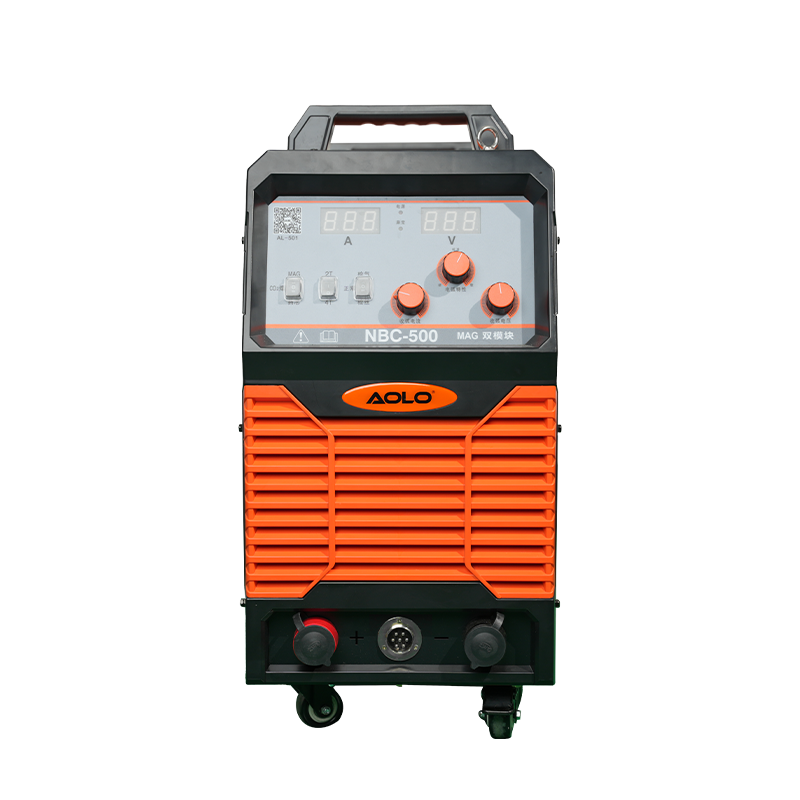
1、High load rate, stable output current for long-term welding. 2、MIG w...
See Details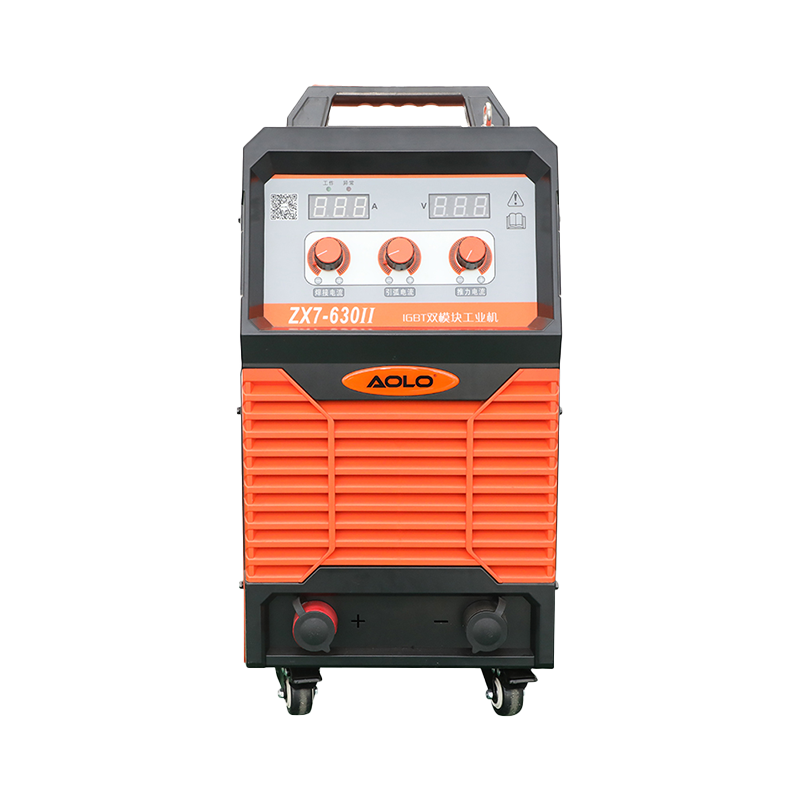
1、Heavy industrial manual welding machine, Can be used for carbon arc ...
See Details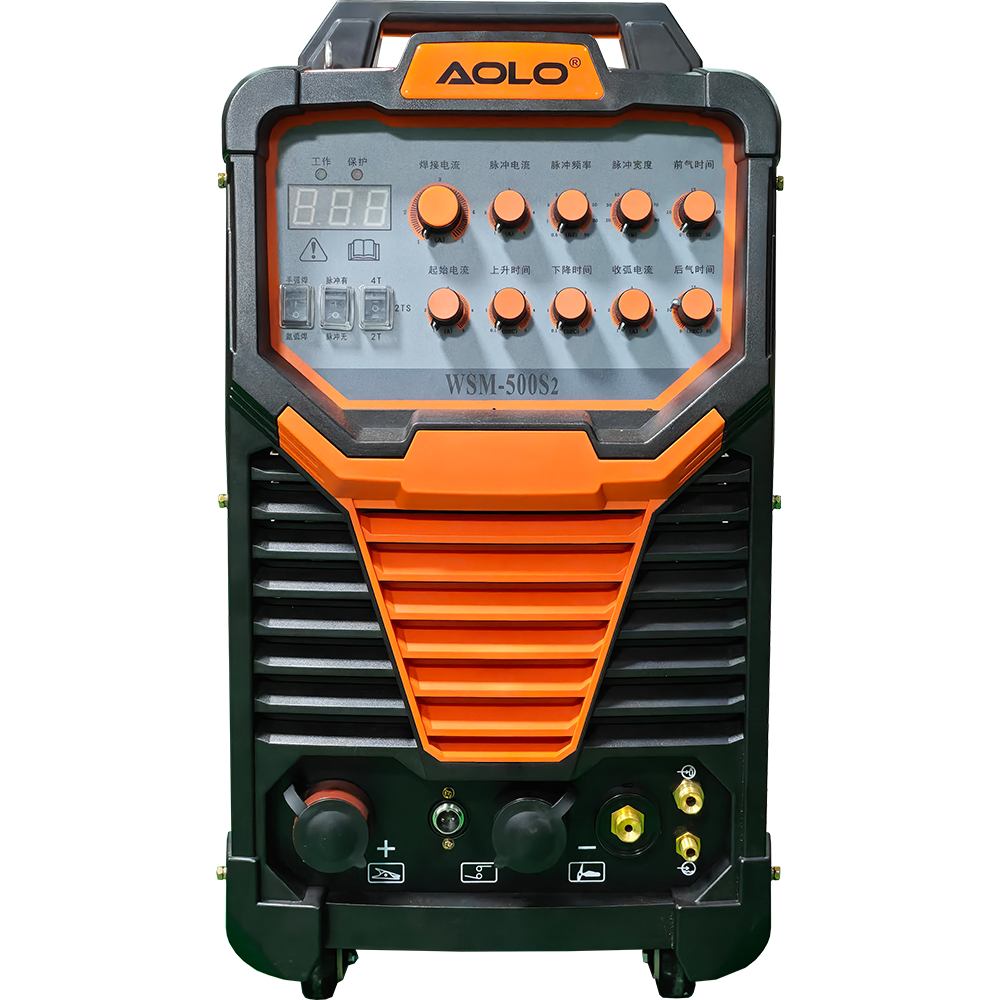
1、Pulse outputs a stable current-to-voltage ratio to control welding q...
See Details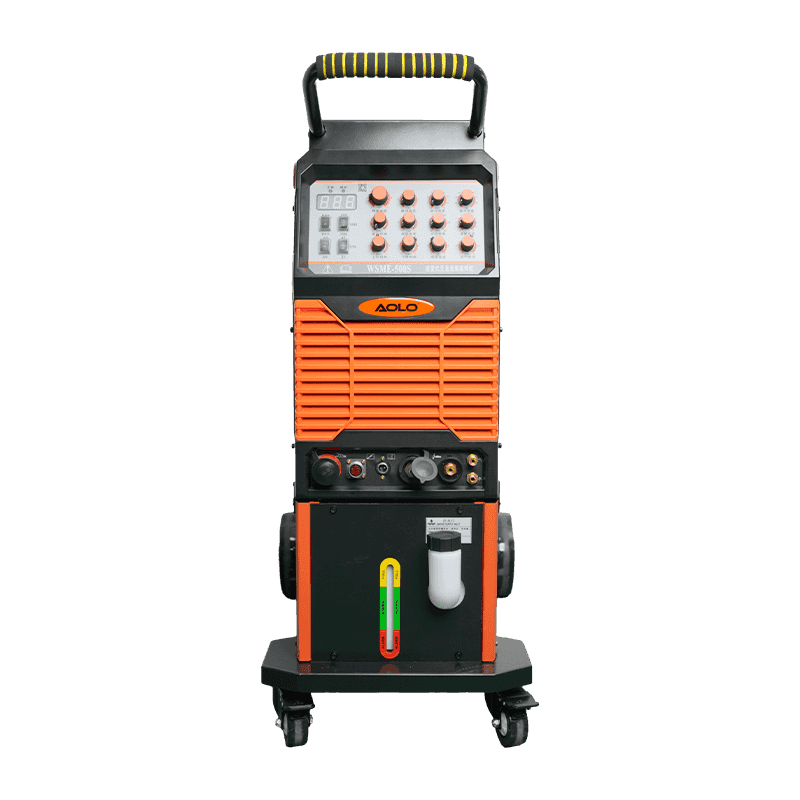
1、Heavy-duty industrial argon arc welding machine with rich parameter ...
See Details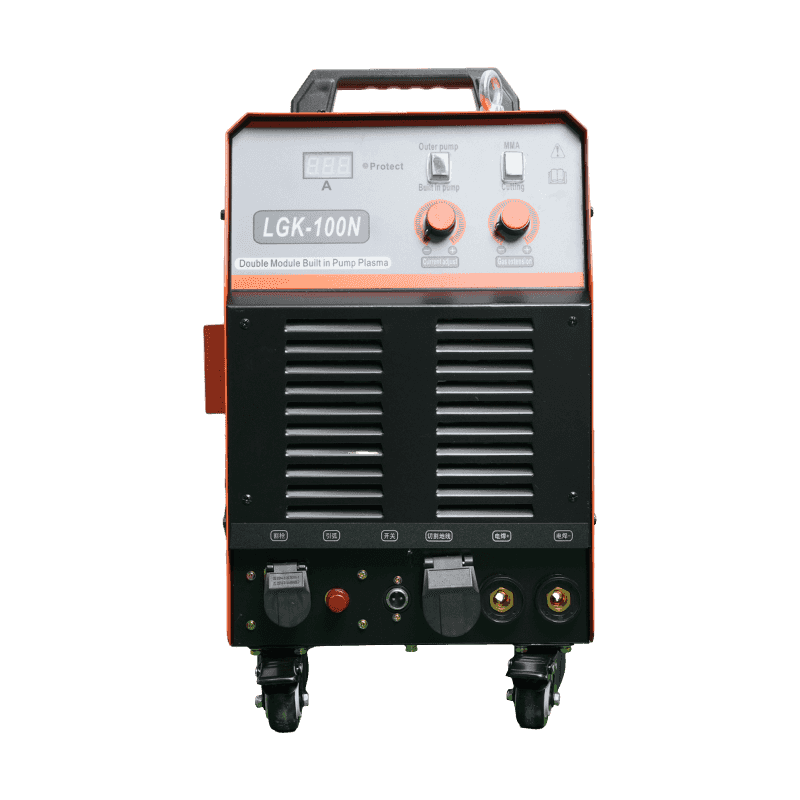
1、There are two modes of compressed air source, either a built-in air ...
See Details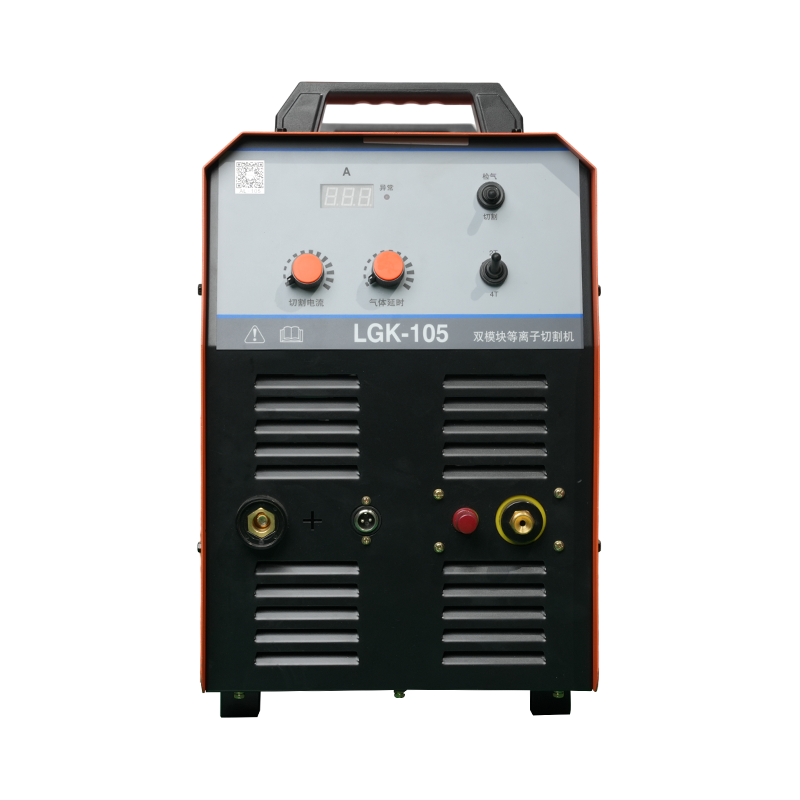
1、External air pump plasma cutting machine makes the whole machine lig...
See Details
1、Heavy duty industrial stud welding machine, suitable for ship constr...
See Details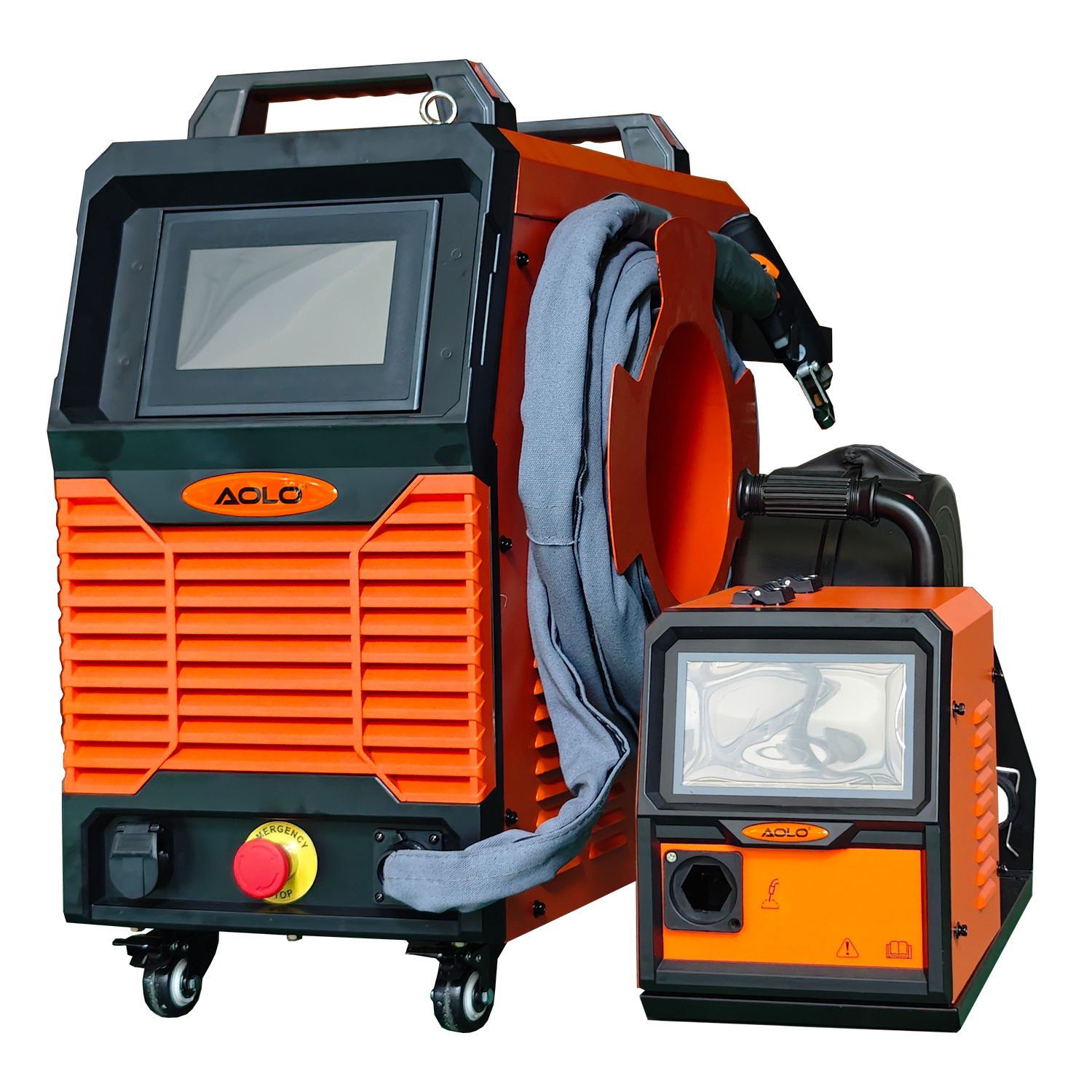
1、Air-cooled laser welding machine is smaller than water-cooled laser ...
See Details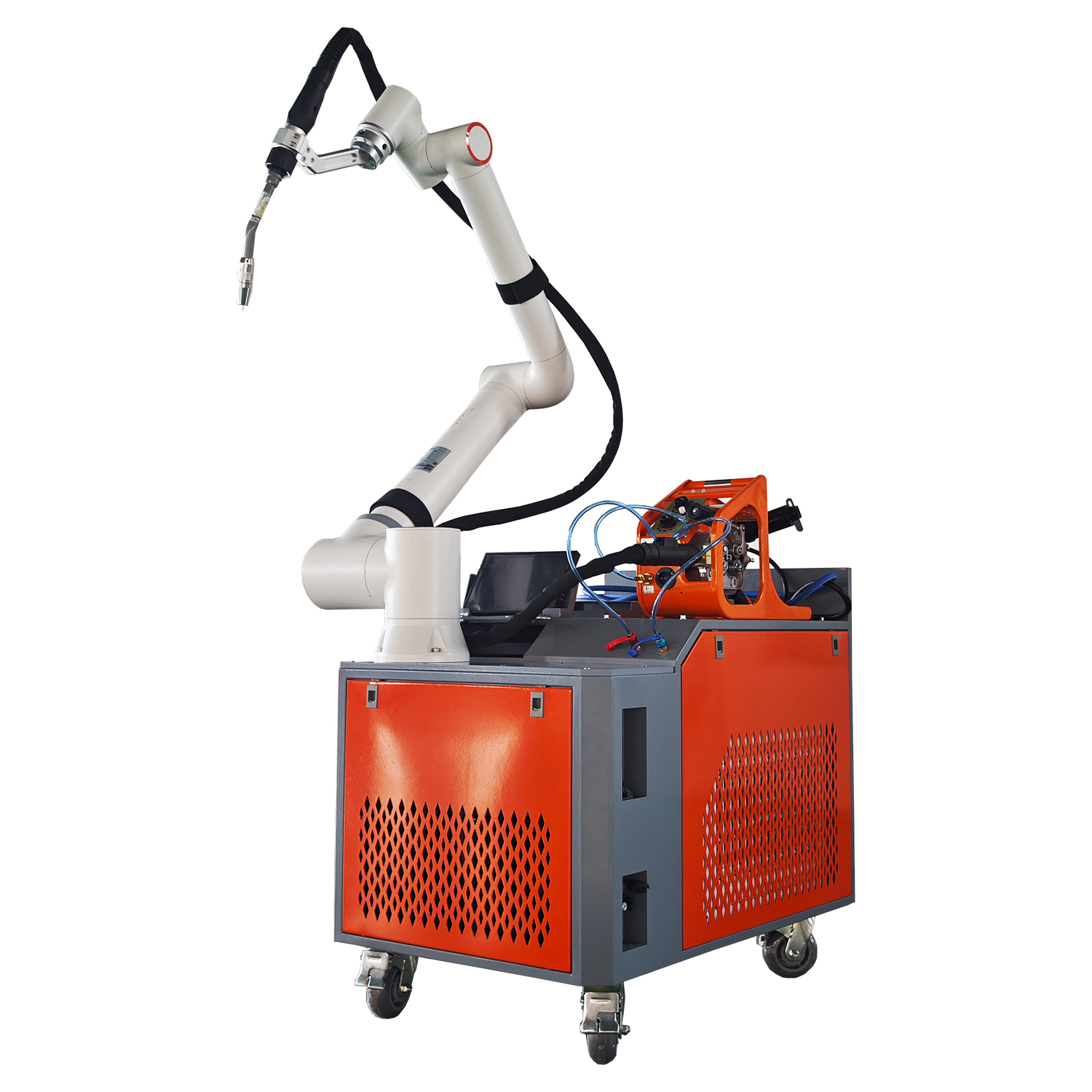
1. The welding machine communicates with the control pad, and all para...
See DetailsRequest for a call today


Tel: 4000707018

E-mail: aolohj@163.com

Add: Factory Building No. 5, Phase II, Pioneer Park, Economic Development Zone, Taizhou City, Jiangsu Province, China.
Copyright 2023 Jiangsu Aolong Electric Technology Co., Ltd. All Rights Reserved.
 Privacy Policy Industrial Welding Machine Manufacturers


Contact Us