


 English
 中文简体
中文简体 Español
 русский
NBC-315Y 220V/380V 300A IGBT Inverter Portable welder Built-in wire feeder 2T/4T MIG/MAG(GMAW)
Cat:Gas shielded welding machine
1、The machine adopts a phase-shifted full-bridge inverter main circuit...
See DetailsContent
A combination plasma cutting and welding machine offers a space-saving, cost-effective solution for hobbyists and professional fabricators who need to both join and sever metal. By integrating MIG/TIG/Stick welding capabilities with high-frequency plasma cutting into a single chassis, these units eliminate the need for multiple power sources. This consolidation is particularly valuable in small workshops where floor space is at a premium and budget constraints limit the purchase of separate dedicated machines.
However, the true utility of a combo unit lies in its versatility rather than raw industrial power. While dedicated industrial cutters may offer higher duty cycles, a quality combo unit provides sufficient performance for 80% of general fabrication tasks, including automotive repair, gate construction, and artistic metalwork. For users who frequently switch between cutting sheet metal and welding structural components, the convenience of a single plug-in unit significantly streamlines workflow.
The most critical technical specification to understand when evaluating a plasma cutting and welding machine is the duty cycle. Because the internal components share a transformer and cooling system, the machine cannot operate at maximum output for both functions simultaneously or for extended periods without overheating. Duty cycle is expressed as a percentage of a 10-minute period that the machine can operate at a specific amperage before requiring a cool-down.
For a typical 50-amp combo unit, the welding duty cycle might be 60% at 50 amps, allowing for 6 minutes of continuous welding. However, the plasma cutting duty cycle is often lower, such as 35% at 40 amps. This means you can only cut continuously for 3.5 minutes before the thermal overload protection trips. Understanding this limitation is vital for planning projects. If your work involves long, continuous cuts on thick steel, a dedicated cutter is superior. For intermittent cuts and varied welding tasks, the combo unit is highly effective.
Deciding between a combination unit and separate machines depends on budget, space, and usage frequency. The following table highlights the key differences to help guide your purchasing decision.
| Feature | Combo Unit | Dedicated Machines |
|---|---|---|
| Initial Cost | Lower ($500-$1,500) | Higher ($1,500+) |
| Floor Space | Minimal (1 Unit) | Significant (2+ Units) |
| Duty Cycle | Moderate/Low | High/Industrial |
| Versatility | High (All-in-One) | Specialized |
| Repair Complexity | High (Shared Components) | Low (Isolated Systems) |
As shown, the cost and space savings are the primary drivers for choosing a combo unit. However, if one component fails, the entire unit may need service, potentially halting both cutting and welding operations. For professional shops with high-volume demands, dedicated machines remain the standard due to their robustness and higher duty cycles.
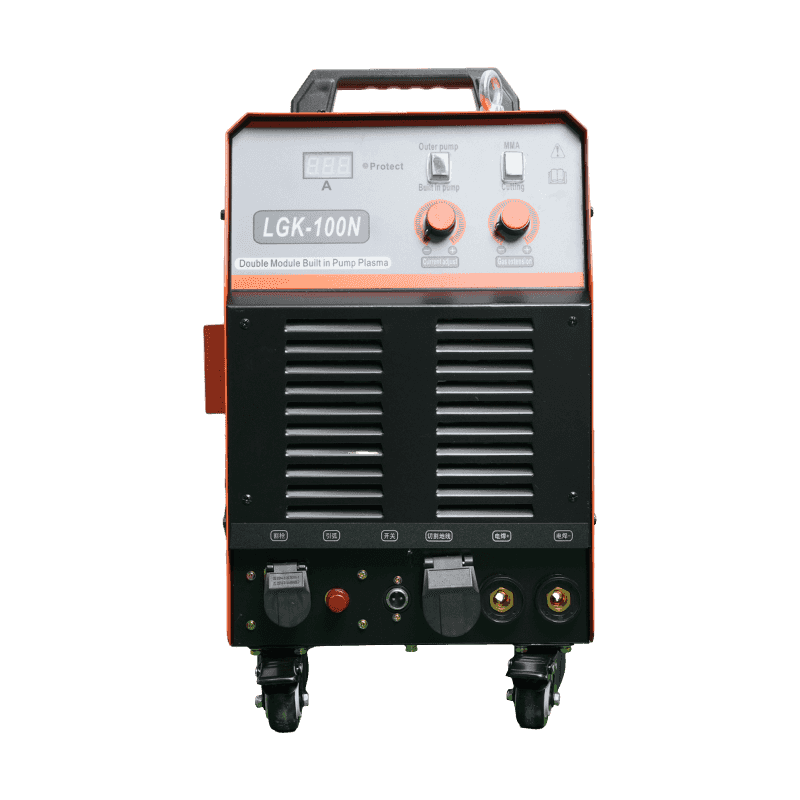
To ensure the reliability of your plasma cutting and welding machine, regular maintenance is non-negotiable. The dual nature of these machines means they are subjected to varying thermal and electrical stresses. Proper care can extend the life of consumables and internal components significantly.
By adhering to these maintenance protocols, operators can maximize the efficiency and lifespan of their equipment. A well-maintained combo unit serves as a versatile cornerstone for any metalworking shop, providing the flexibility to tackle diverse projects with ease.
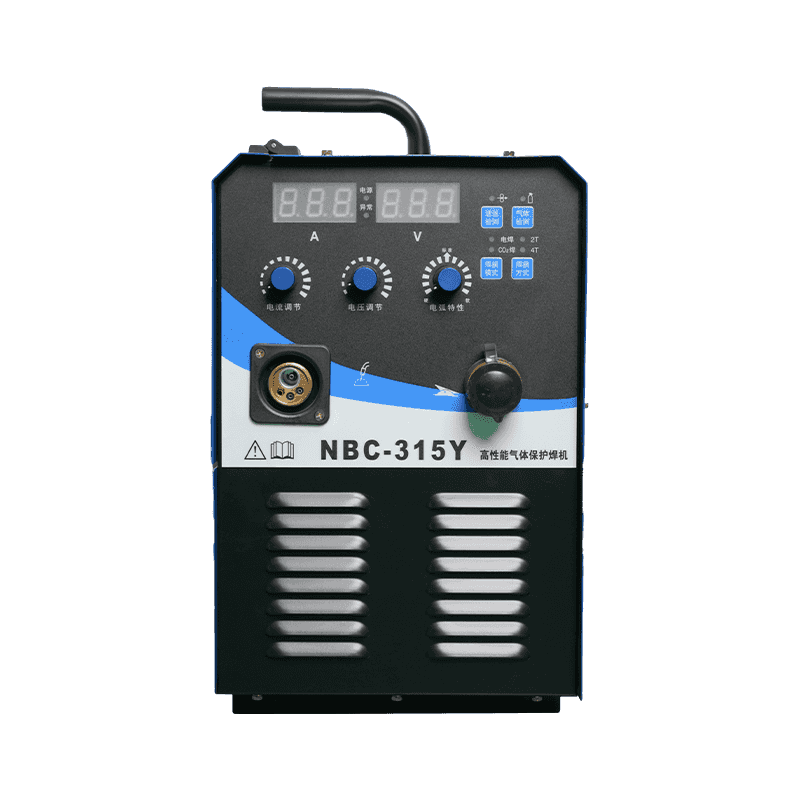
1、The machine adopts a phase-shifted full-bridge inverter main circuit...
See Details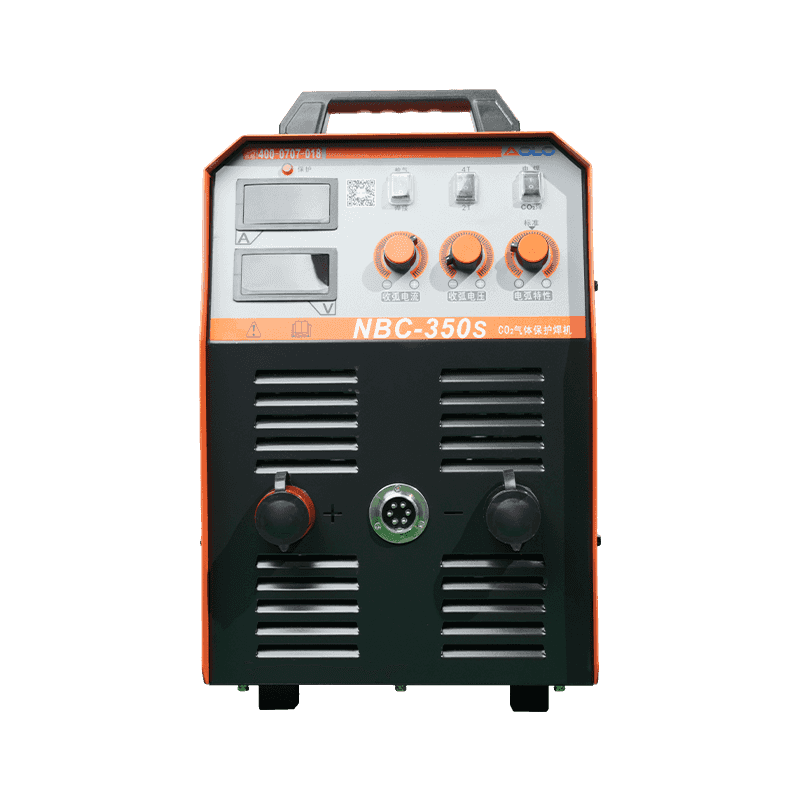
1、The welding machine is small and can be connected to a wire feeder. ...
See Details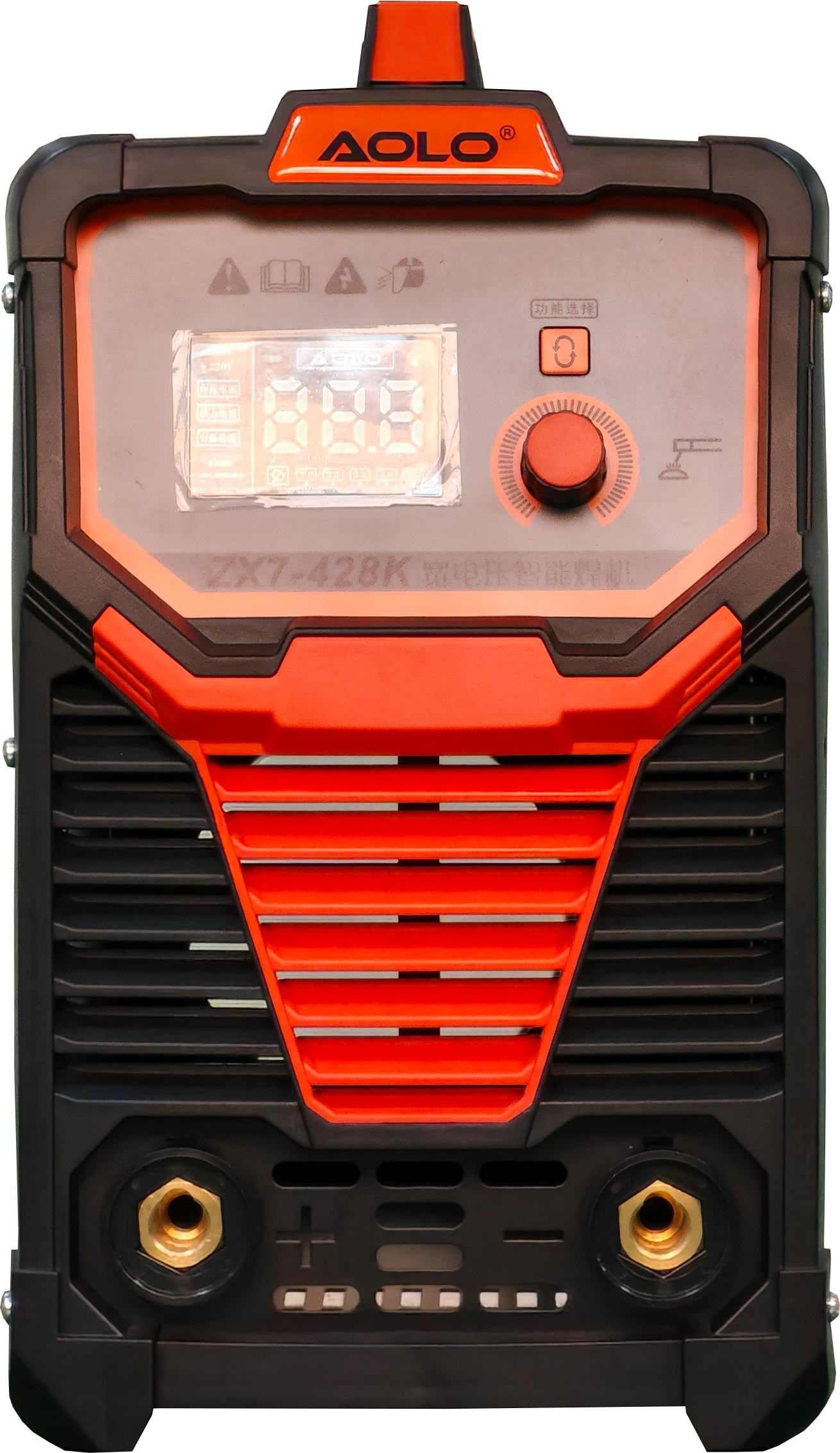
1、Small size, light weight, easy to carry, suitable for home use or sm...
See Details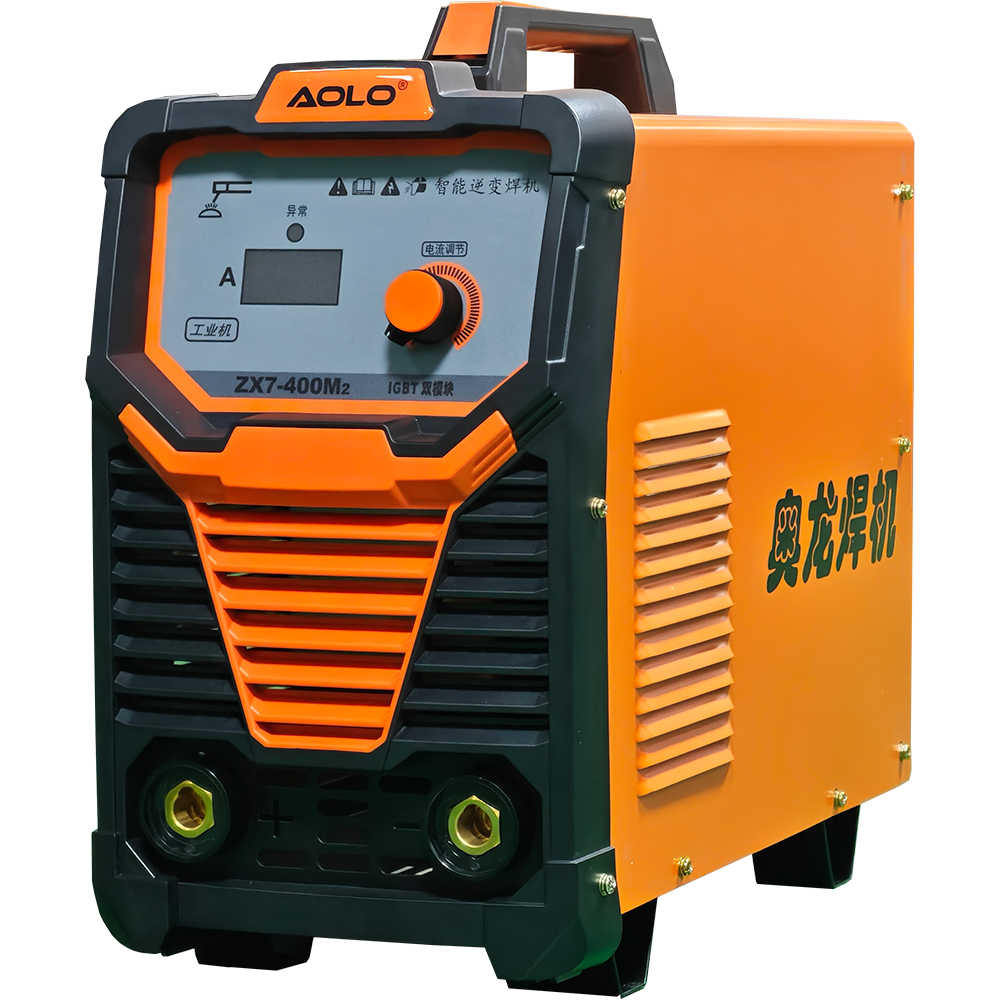
1、It can weld electrodes with a diameter of 5mm. 2、Fast arc starting, ...
See Details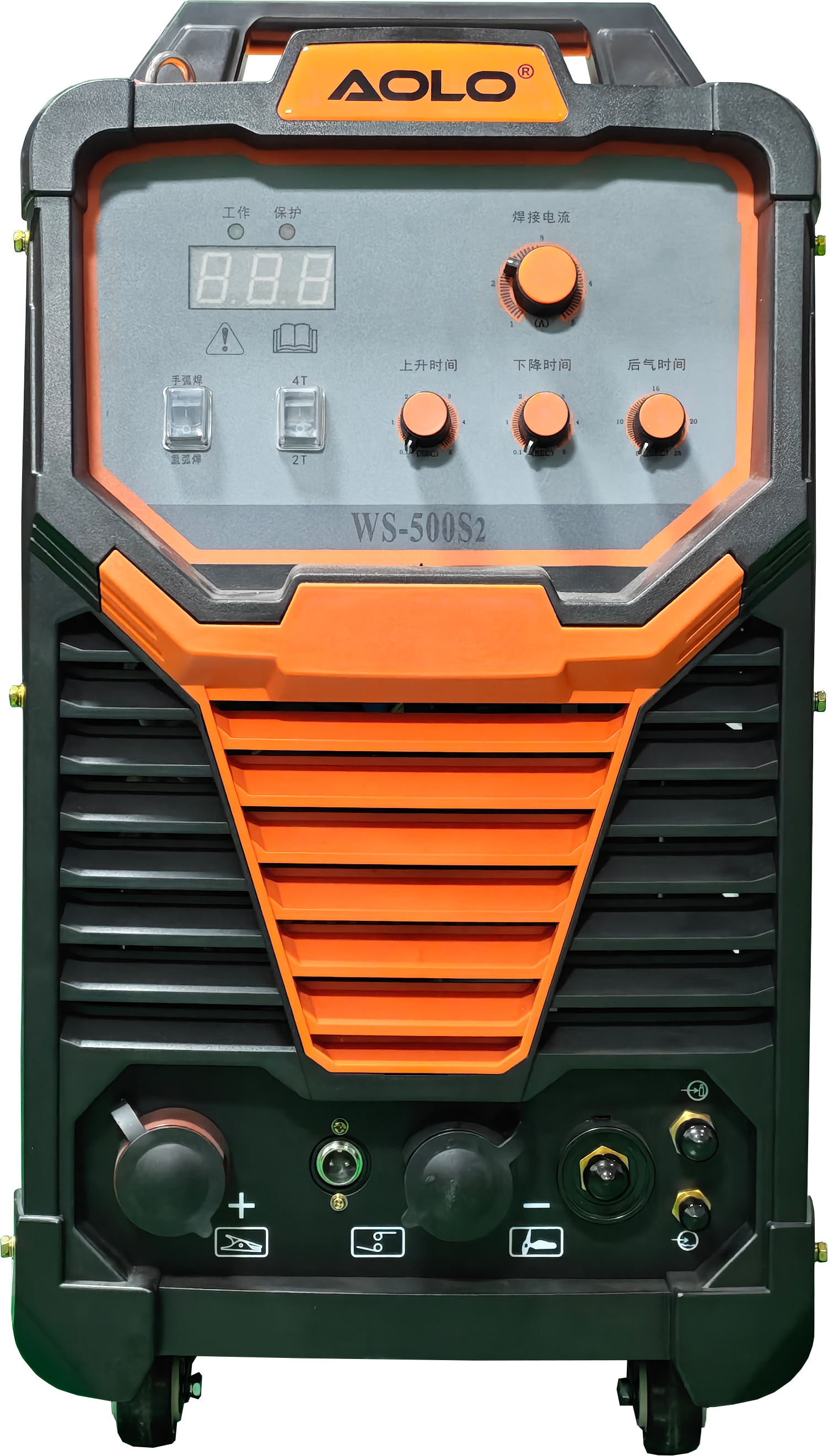
1、Easy arc starting, stable welding current, fast dynamic response spe...
See Details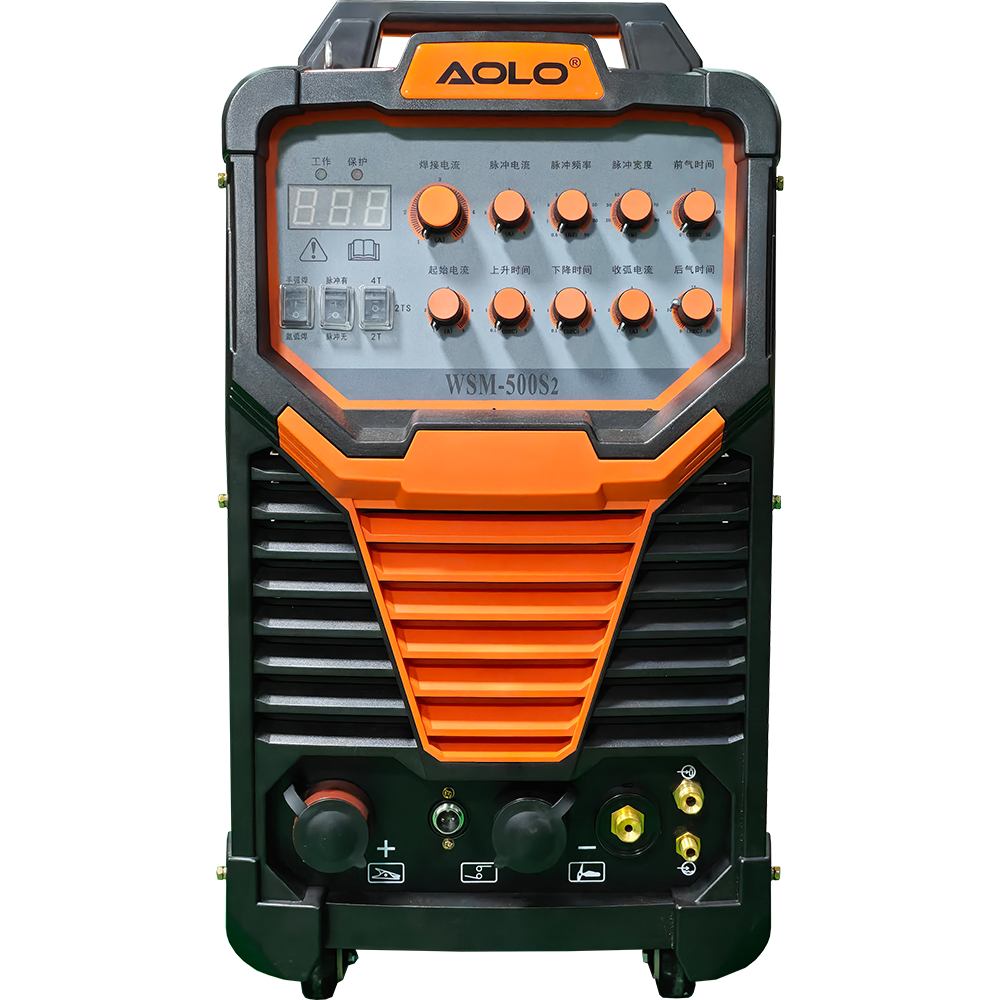
1、Pulse outputs a stable current-to-voltage ratio to control welding q...
See Details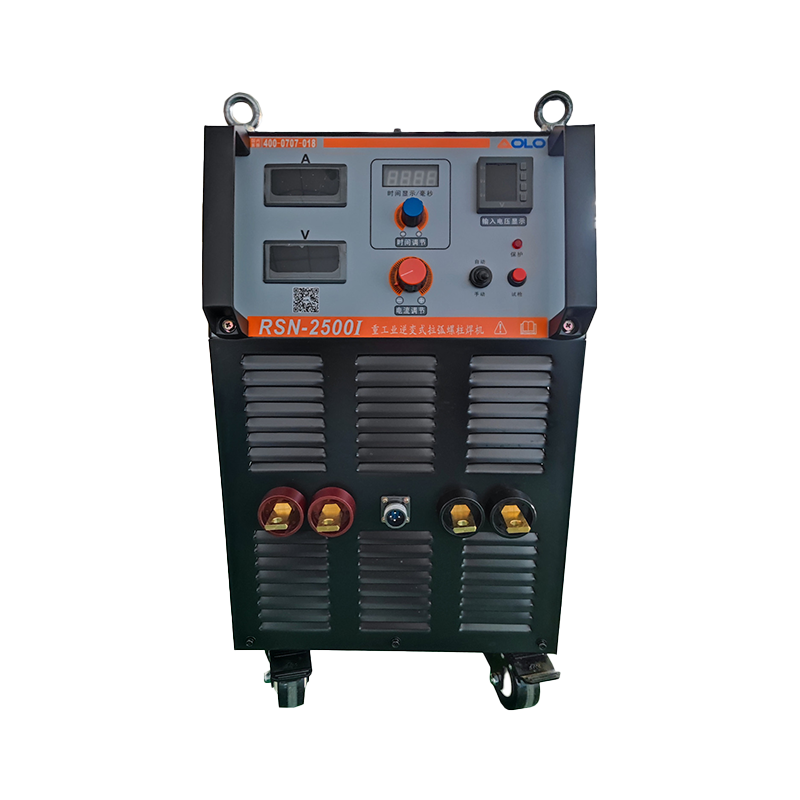
1、Heavy duty industrial stud welding machine, suitable for ship constr...
See Details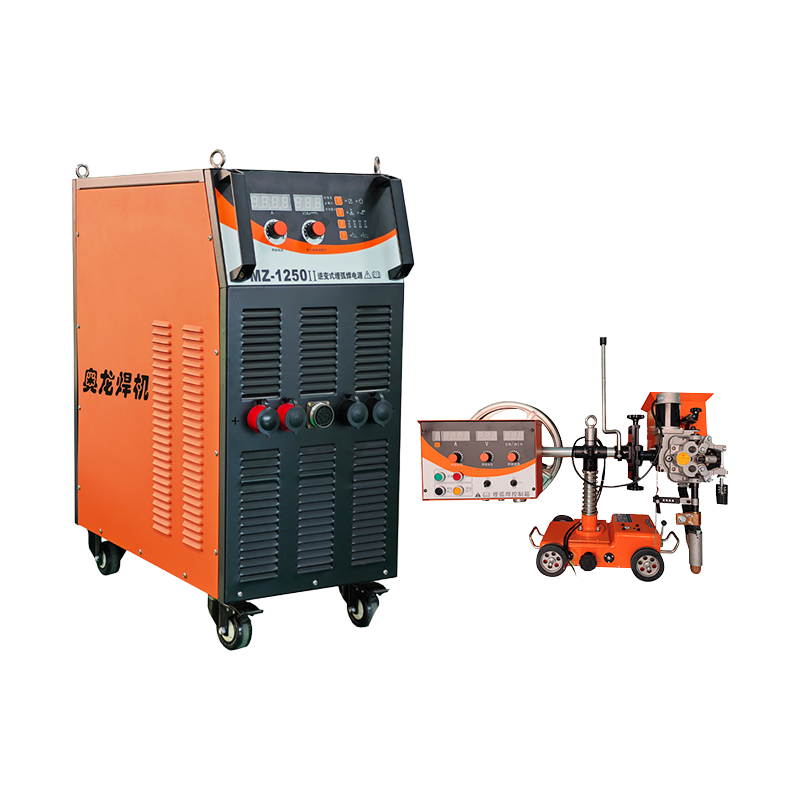
1、Two functions, submerged arc welding and manual welding. 2、High load...
See Details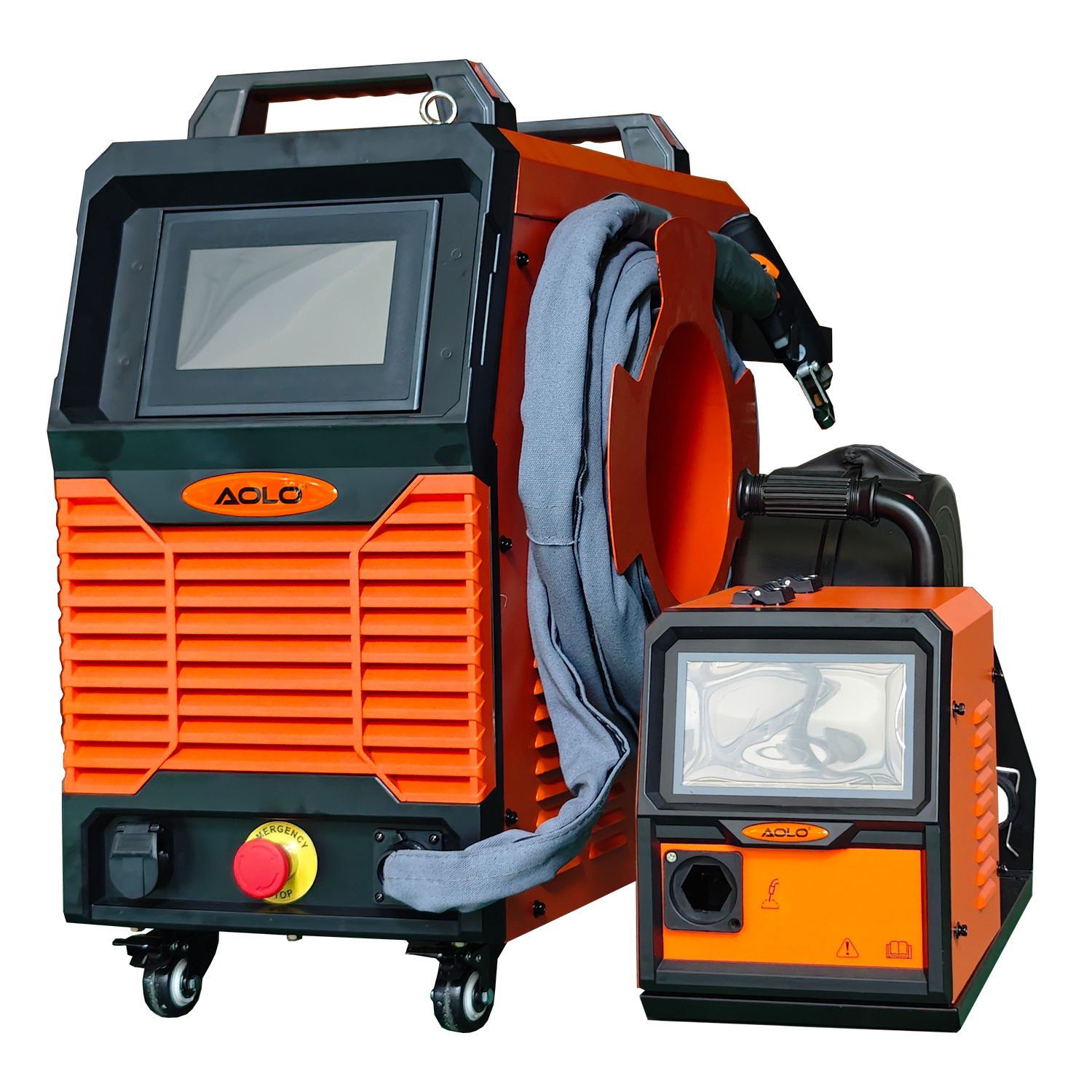
1、Air-cooled laser welding machine is smaller than water-cooled laser ...
See Details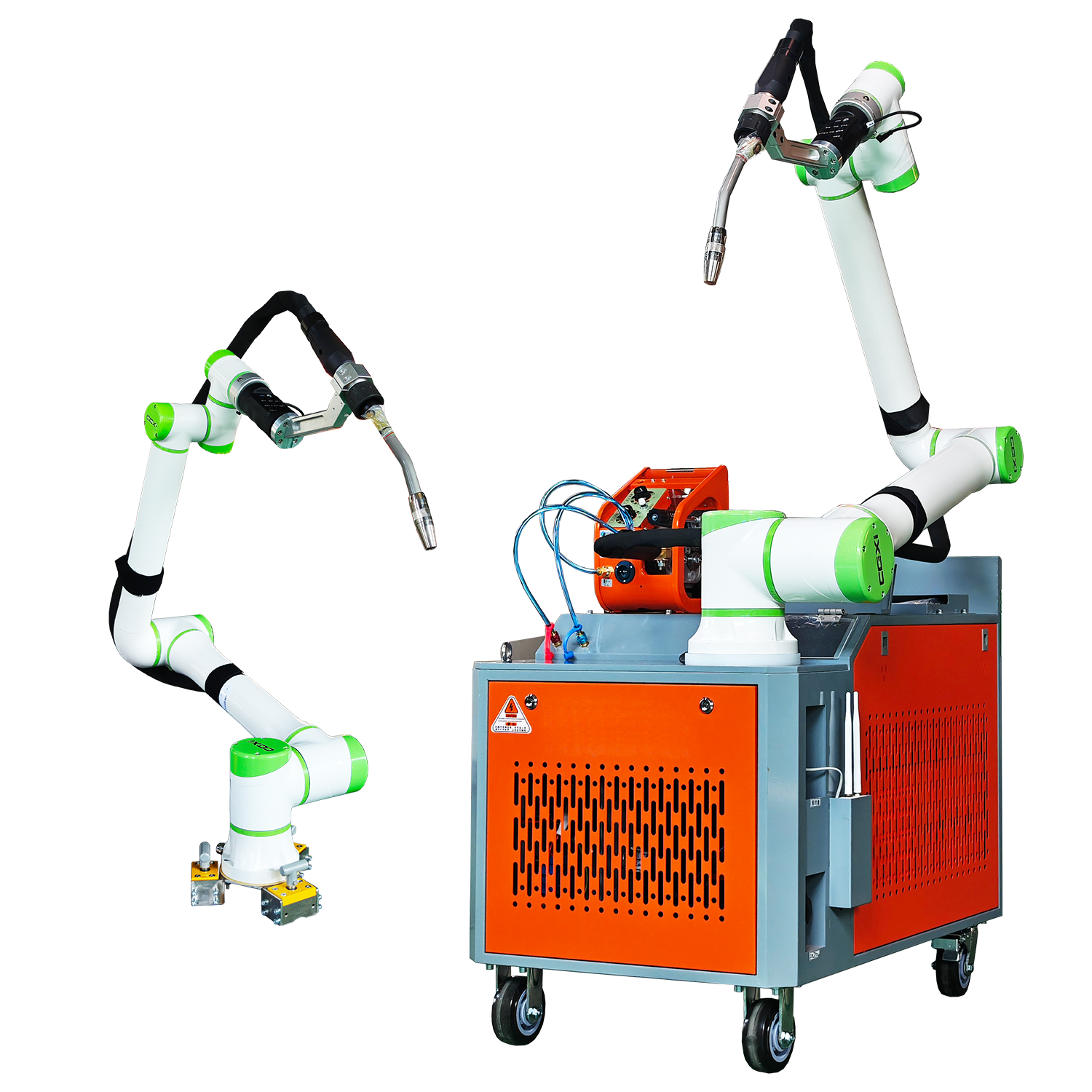
1. The welding machine communicates with the control pad, and all para...
See DetailsRequest for a call today


Tel: 4000707018

E-mail: aolohj@163.com

Add: Factory Building No. 5, Phase II, Pioneer Park, Economic Development Zone, Taizhou City, Jiangsu Province, China.
Copyright 2023 Jiangsu Aolong Electric Technology Co., Ltd. All Rights Reserved.
 Privacy Policy Industrial Welding Machine Manufacturers


Contact Us