


 English
 中文简体
中文简体 Español
 русский
NBC-315Y 220V/380V 300A IGBT Inverter Portable welder Built-in wire feeder 2T/4T MIG/MAG(GMAW)
Cat:Gas shielded welding machine
1、The machine adopts a phase-shifted full-bridge inverter main circuit...
See DetailsContent
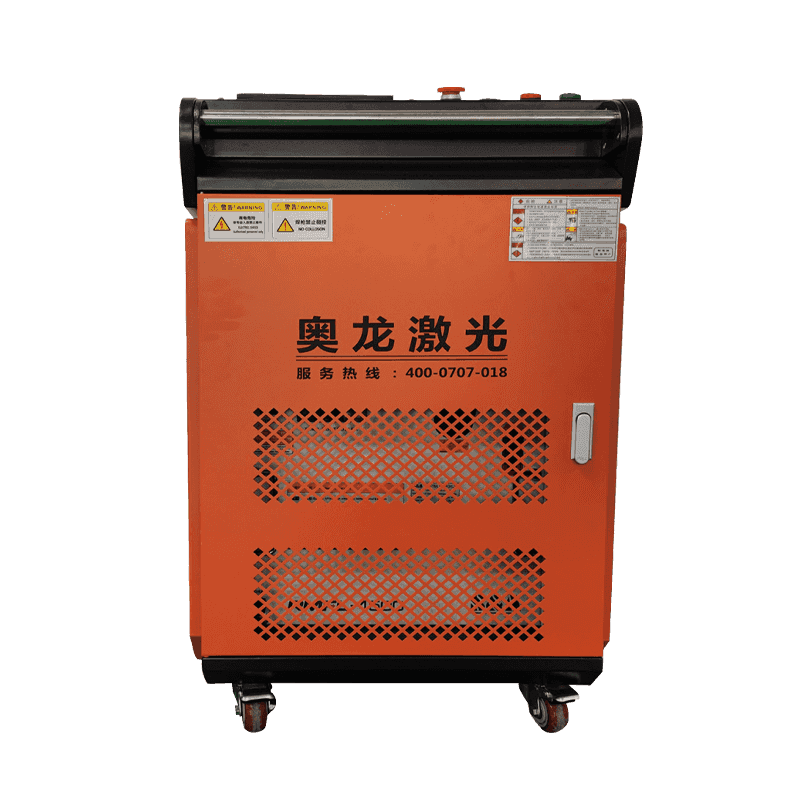
A 3 in 1 laser cleaning welding cutting machine consolidates three distinct industrial processes into a single, compact unit, offering a 30-50% reduction in equipment footprint compared to buying separate machines. This integration allows manufacturers to switch seamlessly between removing rust, joining metal parts, and cutting sheets without changing workstations or re-fixturing materials. The primary advantage is operational agility: businesses can handle diverse project requirements with one investment, significantly lowering capital expenditure and maintenance overhead.
By combining these functions, users eliminate the logistical bottleneck of moving parts between different stations. For small to medium-sized enterprises (SMEs) and job shops, this technology represents a shift from specialized, rigid production lines to flexible, responsive manufacturing cells capable of handling custom orders with rapid turnaround times.
Understanding how a single device performs three disparate tasks requires looking at the laser source and delivery system. Most modern 3-in-1 units utilize a high-power fiber laser source, typically ranging from 1000W to 3000W, coupled with an intelligent control system that adjusts parameters instantly based on the selected mode.
In cleaning mode, the laser emits short, high-energy pulses that ablate surface contaminants like rust, paint, and oil. The underlying metal remains untouched because the energy absorption threshold of the contaminant is lower than that of the base material. This process is dry, chemical-free, and produces minimal waste.
Switching to welding, the machine delivers a continuous wave (CW) beam that melts the metal edges, creating a deep, narrow weld pool. The result is a weld seam width of less than 1mm with minimal heat-affected zone (HAZ), reducing post-weld grinding and finishing time by up to 80% compared to traditional TIG or MIG welding.
For cutting, the laser focuses to a tiny spot size, vaporizing the material along a precise path. While not replacing high-power dedicated cutters for thick plates, it excels at cutting sheets up to 10-12mm thick (depending on power) with high precision and smooth edges, ideal for prototyping and custom fabrication.
Investing in a 3-in-1 system is not just about technical capability; it is a financial strategy. The consolidation of functions leads to significant cost savings across several vectors.
| Cost Factor | Separate Units | 3-in-1 Machine |
|---|---|---|
| Initial Investment | High (3x Equipment) | Moderate (1x Equipment) |
| Floor Space Required | Large (3 Stations) | Compact (1 Station) |
| Maintenance Contracts | 3 Separate Plans | 1 Unified Plan |
| Operator Training | Complex (3 Systems) | Simplified (1 Interface) |
The data indicates that while the upfront cost of a high-end 3-in-1 machine is significant, the total cost of ownership (TCO) is markedly lower. Businesses often see a return on investment within 12 to 18 months due to reduced labor costs, lower consumable usage, and increased throughput.
The versatility of the 3 in 1 laser cleaning welding cutting machine makes it indispensable in various sectors. Its ability to handle pre-processing, processing, and post-processing tasks in one go streamlines workflows.
In auto bodies, technicians can use the laser to strip paint and rust from old panels, weld in new sections with minimal distortion, and trim excess material. This reduces the repair cycle time significantly, allowing shops to take on more volume.
Artists and fabricators benefit from the precision of laser cutting for intricate designs, followed by seamless welding for assembly. The cleaning function ensures that finished pieces are free of oxidation, ready for powder coating or painting without extensive sandblasting.
Choosing the right 3-in-1 machine depends on specific production needs. Power output is the most critical factor. For light-duty work and thin sheets, a 1000W-1500W unit may suffice. However, for deeper penetration in welding and faster cutting of thicker materials, a 2000W-3000W system is recommended.
Additionally, consider the cooling system. Water chillers are standard for higher power units to maintain stable laser output. Look for machines with user-friendly CNC interfaces that allow for easy parameter storage and recall, ensuring consistent quality across different operators. Finally, verify the manufacturer's support network, as specialized training is often required to maximize the potential of this multifunctional technology.
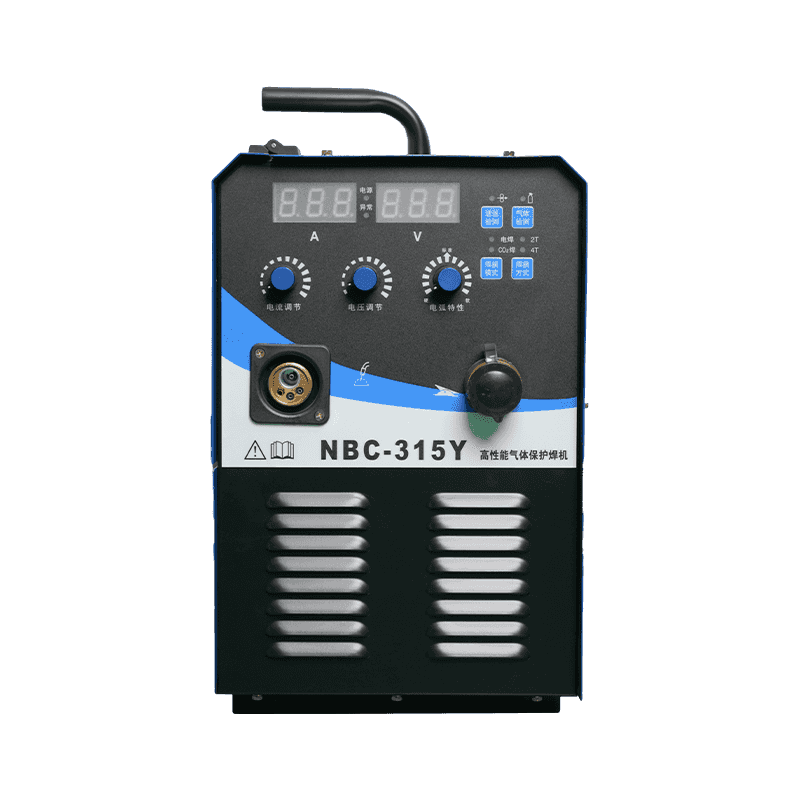
1、The machine adopts a phase-shifted full-bridge inverter main circuit...
See Details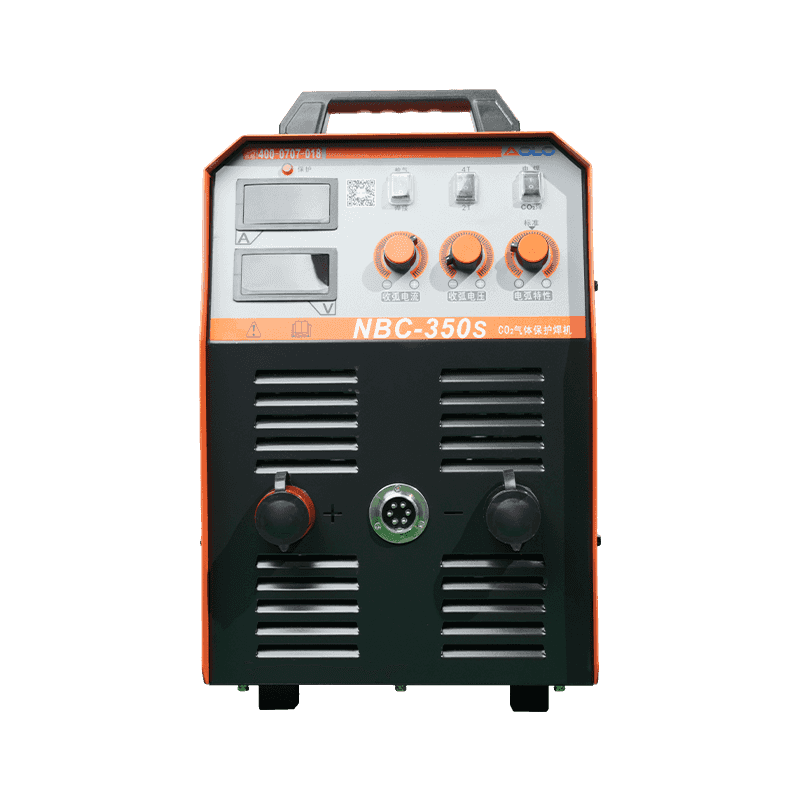
1、The welding machine is small and can be connected to a wire feeder. ...
See Details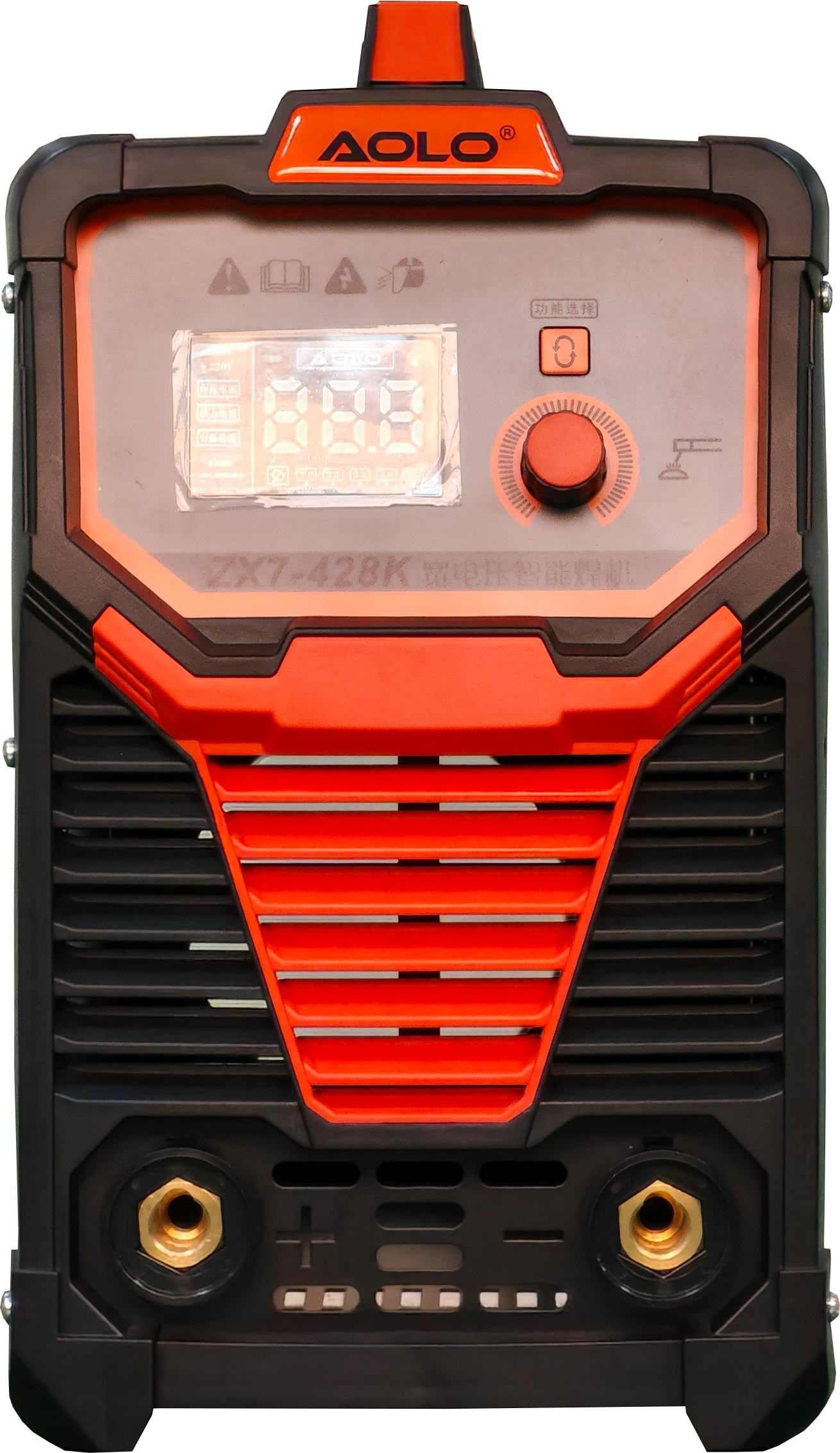
1、Small size, light weight, easy to carry, suitable for home use or sm...
See Details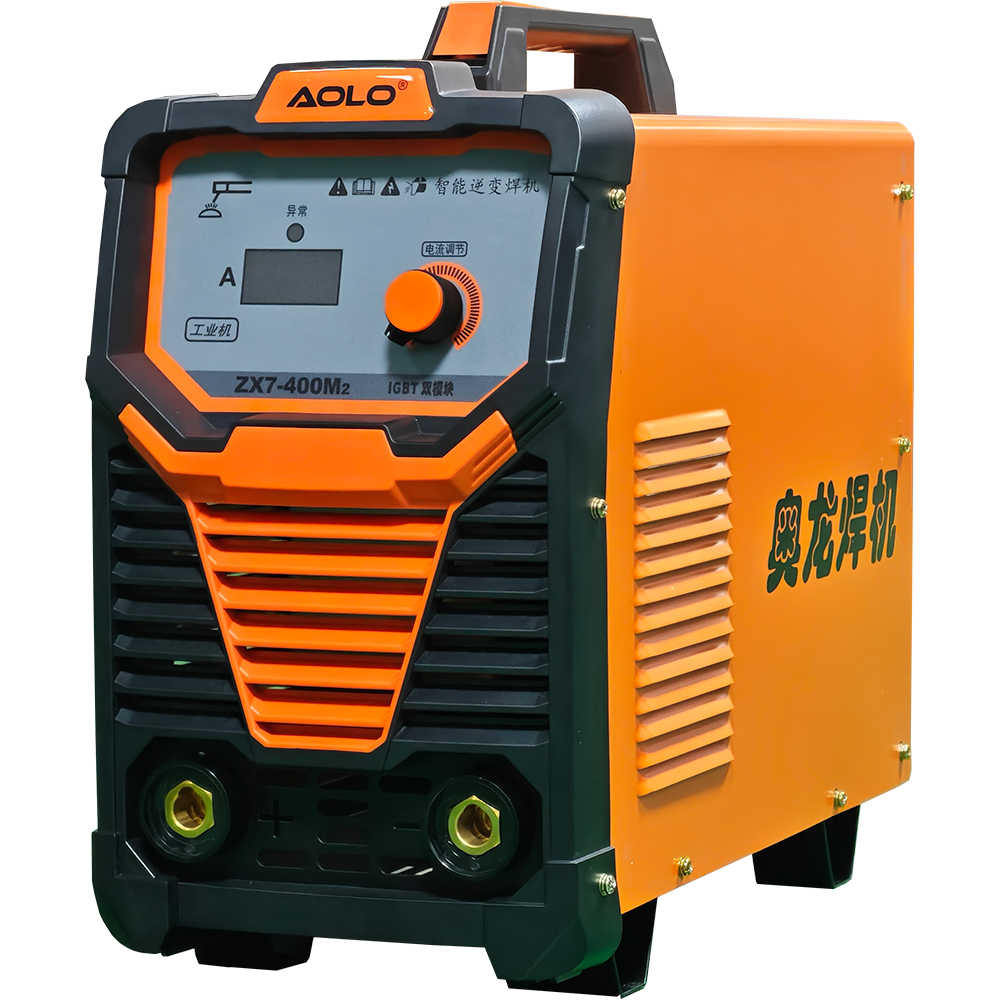
1、It can weld electrodes with a diameter of 5mm. 2、Fast arc starting, ...
See Details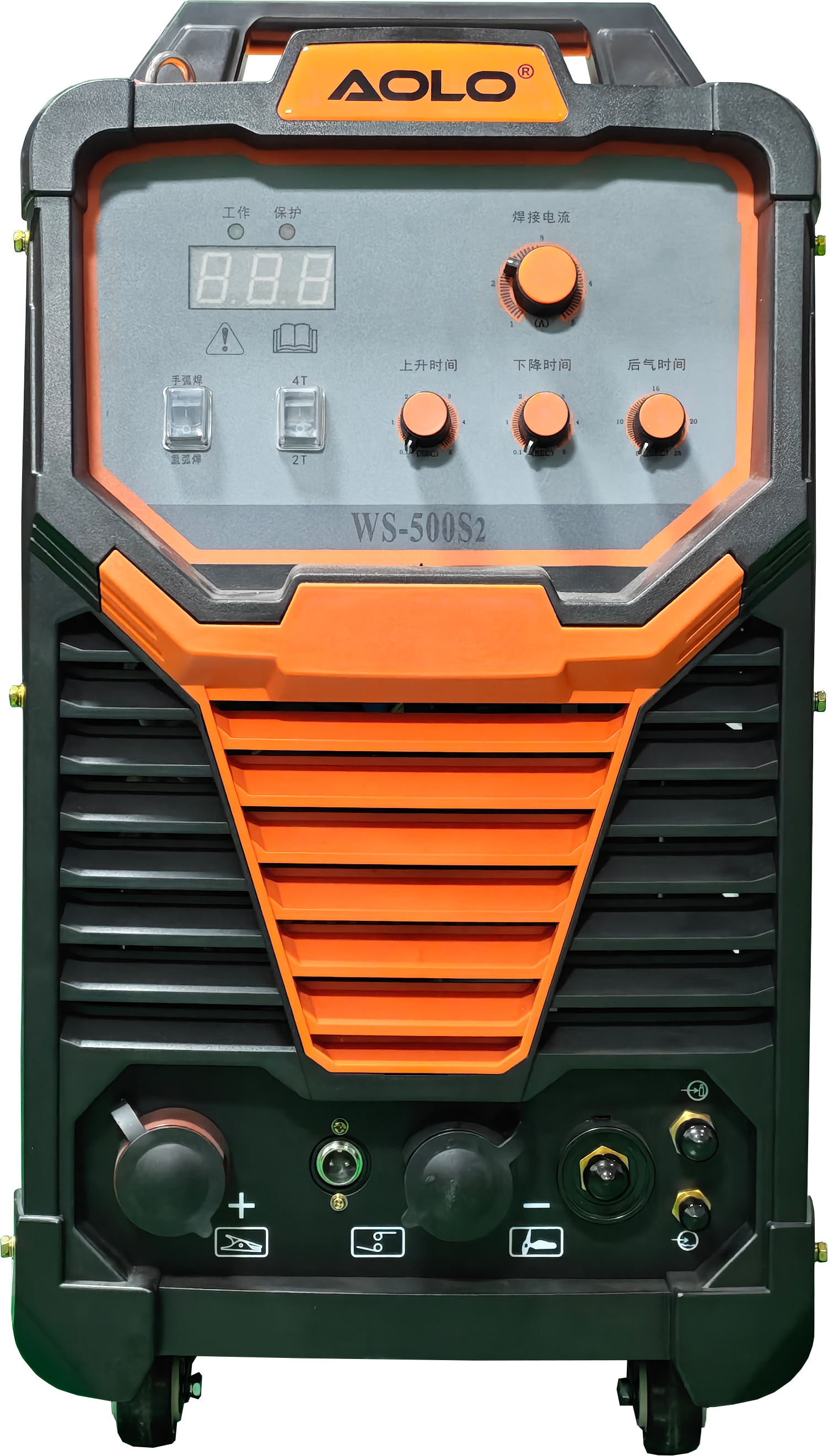
1、Easy arc starting, stable welding current, fast dynamic response spe...
See Details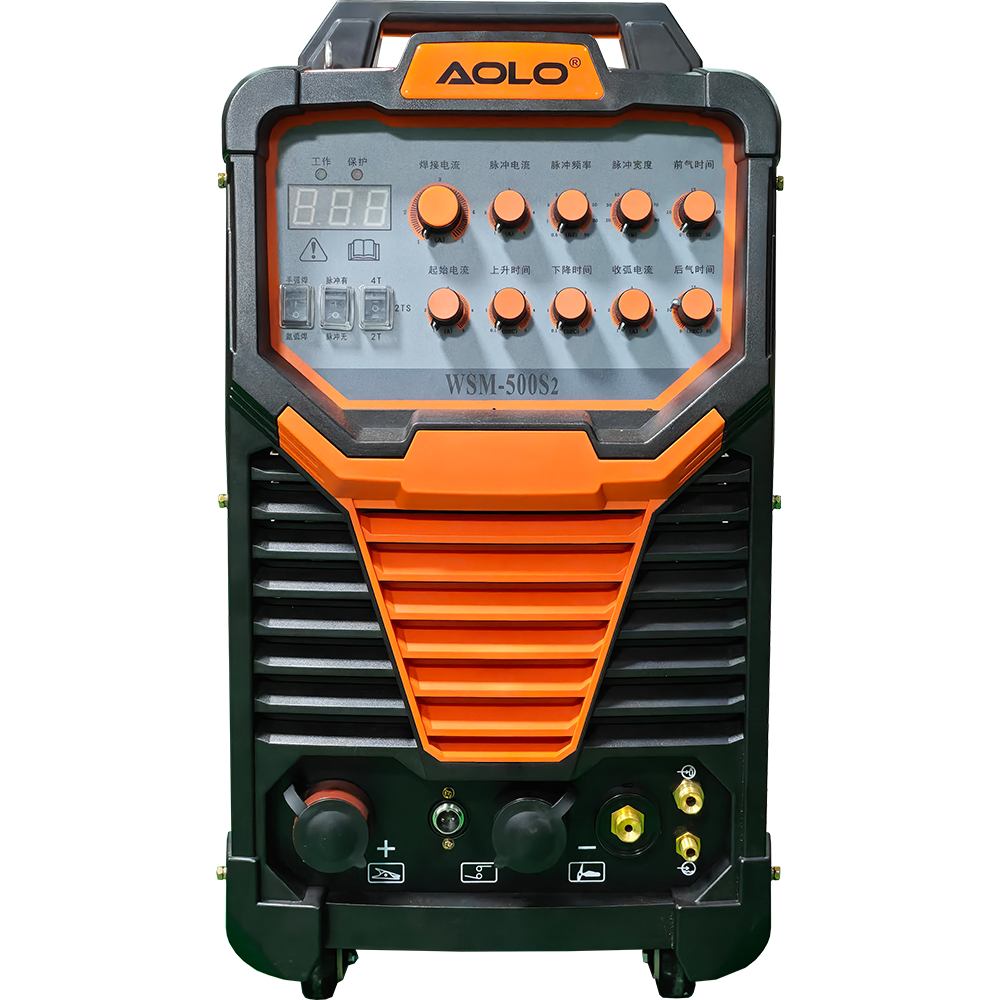
1、Pulse outputs a stable current-to-voltage ratio to control welding q...
See Details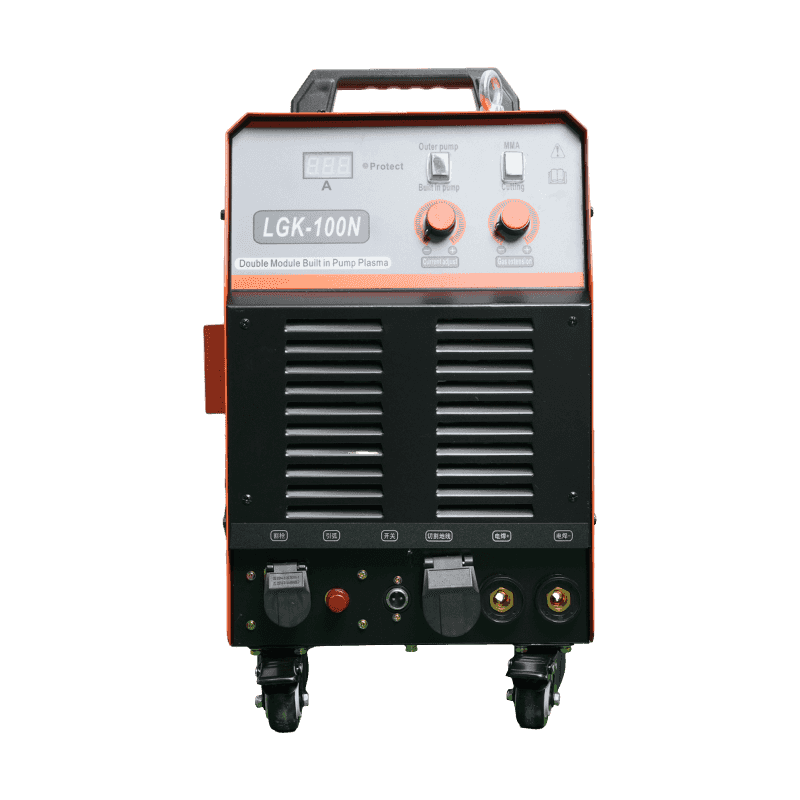
1、There are two modes of compressed air source, either a built-in air ...
See Details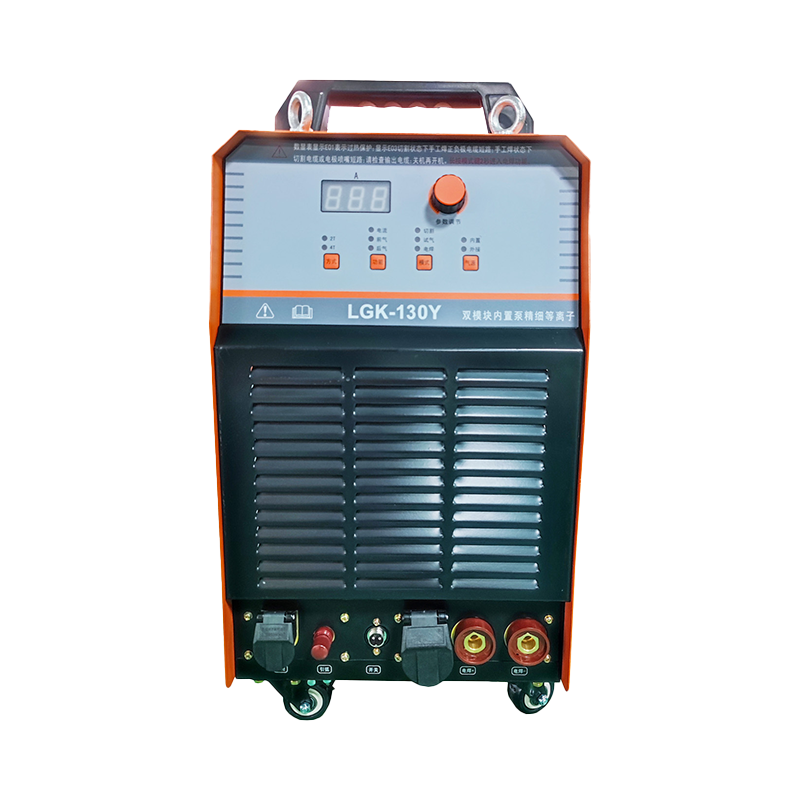
1、The arc energy is concentrated and stable, the cutting force is stro...
See Details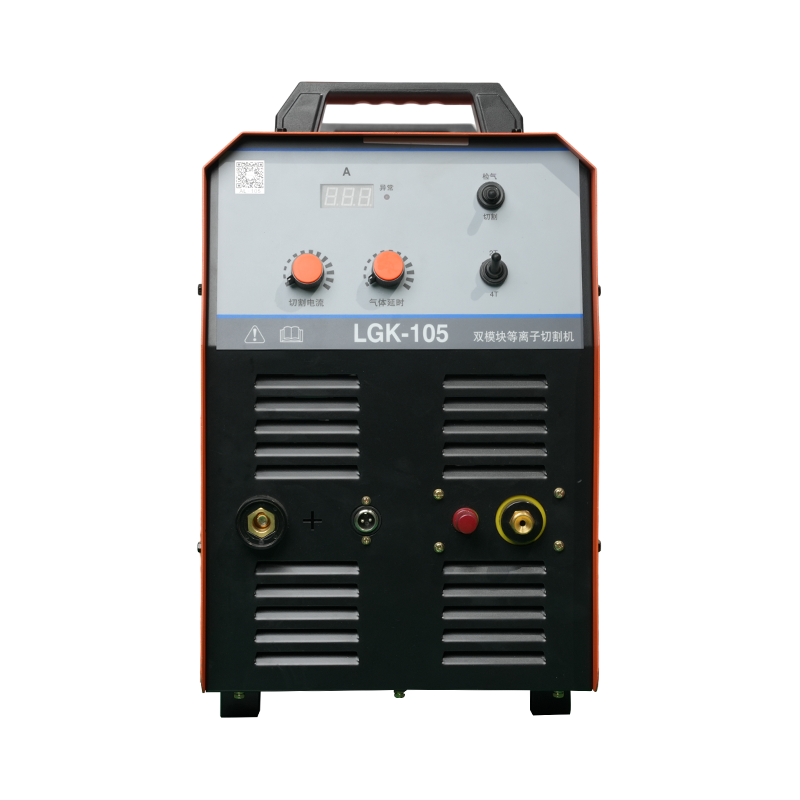
1、External air pump plasma cutting machine makes the whole machine lig...
See Details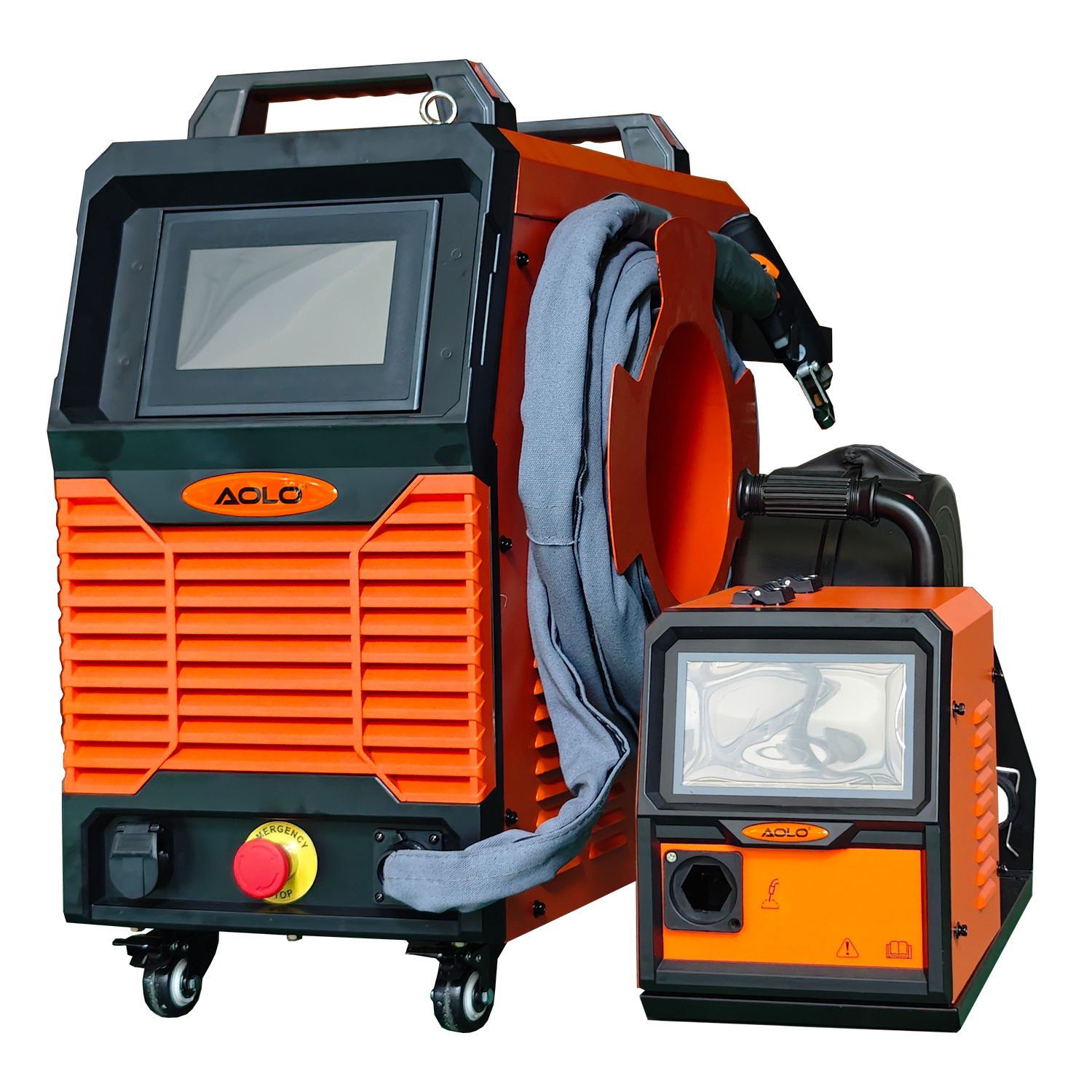
1、Air-cooled laser welding machine is smaller than water-cooled laser ...
See DetailsRequest for a call today


Tel: 4000707018

E-mail: aolohj@163.com

Add: Factory Building No. 5, Phase II, Pioneer Park, Economic Development Zone, Taizhou City, Jiangsu Province, China.
Copyright 2023 Jiangsu Aolong Electric Technology Co., Ltd. All Rights Reserved.
 Privacy Policy Industrial Welding Machine Manufacturers


Contact Us