


 English
 中文简体
中文简体 Español
 русский
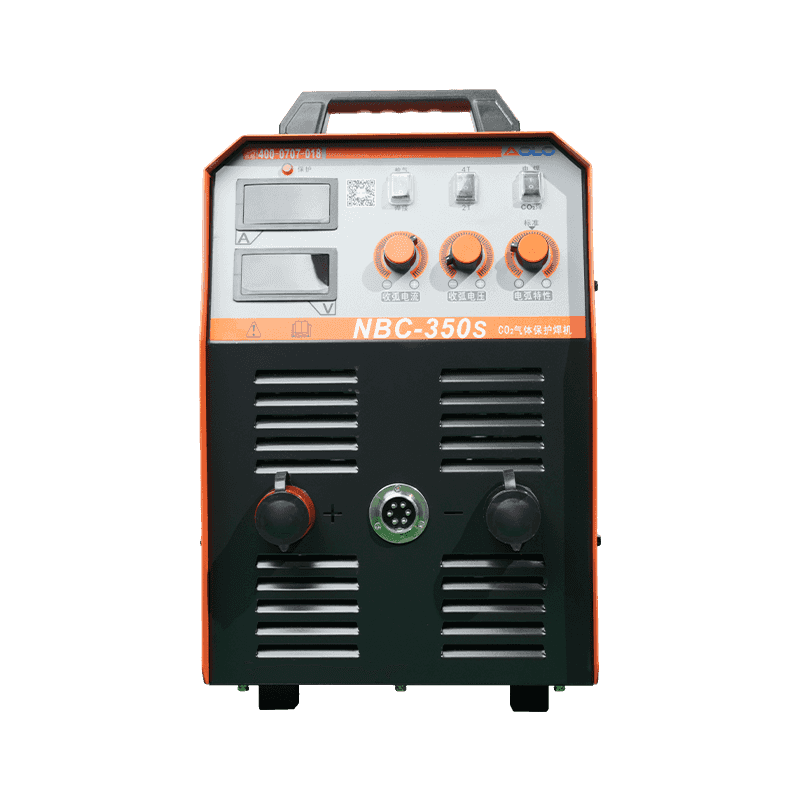
NBC-315S/NBC-350S 380V 350A IGBT Inverter Portable welder 2T/4T MIG/MAG/MMA(GMAW/SMAW)
Cat:Gas shielded welding machine
1、The welding machine is small and can be connected to a wire feeder. ...
See DetailsContent
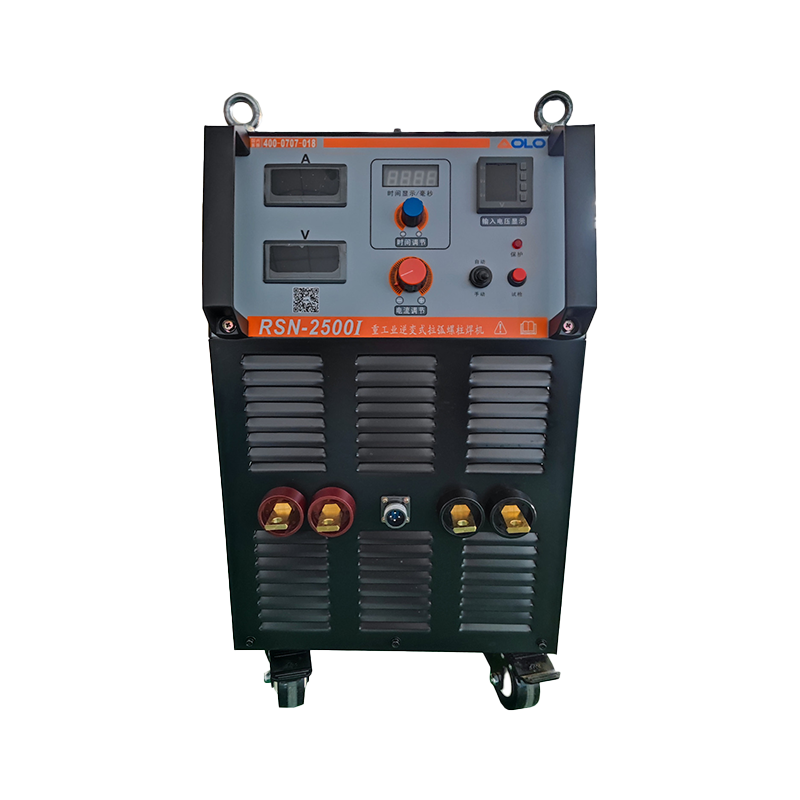
A stud welding machine joins a metal stud — a fastener, pin, or threaded rod — directly to a base material in a single, rapid operation. The result is a full-penetration weld that is typically stronger than the stud itself, achieved without drilling, punching, or through-hole preparation. This makes stud welding one of the most efficient fastening methods in structural steel fabrication, automotive manufacturing, shipbuilding, and construction.
Unlike conventional arc welding, a stud welding machine completes each weld in milliseconds to seconds, depending on the method. Operators with minimal training can produce consistent, high-strength welds at speed — a major advantage in high-volume production environments.
All stud welding machines operate on one of two core processes. The method determines what stud diameters and base materials the machine can handle.
In drawn arc welding, the stud is placed against the workpiece, then retracted slightly to draw an arc. The arc melts the end of the stud and the base metal simultaneously. The stud is then plunged into the molten pool and held in place as it solidifies. A ceramic ferrule surrounds the weld zone to contain the arc and shape the weld flash.
Drawn arc is suitable for stud diameters from 3 mm to 25 mm and works on steel, stainless steel, and aluminum. Weld cycle times typically range from 100 milliseconds to 1 second. This process is widely used in structural steelwork, concrete formwork anchors, and heavy equipment manufacturing.
Capacitor discharge welding stores electrical energy in capacitors and releases it in an extremely short burst — typically 1 to 6 milliseconds. The rapid energy discharge creates minimal heat input, which means the reverse side of the base material shows no discoloration or distortion. This makes CD welding ideal for thin sheet metal, polished surfaces, and assemblies where aesthetics matter.
CD stud welding handles stud diameters from 2 mm to 8 mm and is commonly used in automotive body panels, appliance manufacturing, signage, and electronics enclosures. No ferrule is required, keeping the process clean and fast.
Choosing between the two methods comes down to stud size, base material thickness, and surface finish requirements. The table below summarizes the key differences:
| Parameter | Drawn Arc | Capacitor Discharge |
|---|---|---|
| Stud Diameter Range | 3 mm – 25 mm | 2 mm – 8 mm |
| Weld Time | 100 ms – 1,000 ms | 1 ms – 6 ms |
| Minimum Base Thickness | ~2 mm | ~0.5 mm |
| Reverse Side Marking | Visible heat discoloration | None or negligible |
| Ferrule Required | Yes | No |
| Typical Applications | Structural steel, shipbuilding, heavy fabrication | Automotive panels, appliances, thin sheet metal |
| Power Supply | DC power unit (transformer or inverter) | Capacitor bank |
Understanding the main parts of a stud welding machine helps with setup, troubleshooting, and maintenance decisions.
Selecting the wrong machine for your application results in weld failures, rework, and wasted consumables. Four factors drive the decision:
If you're welding studs larger than 8 mm, a drawn arc machine is required — CD cannot deliver enough energy for full-penetration welds at that size. For studs under 8 mm on thin or finished surfaces, CD is the better choice. Material also matters: aluminum requires machines with specific settings and contact tip materials, as aluminum's high thermal conductivity demands faster, higher-energy cycles than steel.
A general rule for drawn arc welding is that base material thickness should be at least one-third the stud diameter. Welding a 12 mm stud onto 2 mm sheet will burn through the base. CD welding can go as thin as 0.5 mm without burn-through, making it the only viable option for lightweight sheet metal assemblies.
Duty cycle describes how long a machine can weld continuously before it needs to cool. A machine rated at 60% duty cycle at 800A can weld for 6 minutes out of every 10 minutes at that current. For high-volume production lines, look for machines with duty cycles of 80% or higher, or consider automatic stud welding systems with integrated feeding and positioning.
Workshop-based fabricators can use larger, mains-powered drawn arc units. Site workers — in construction or bridge fabrication — benefit from portable inverter-based machines that weigh under 20 kg and can run on generator power. Some modern portable drawn arc machines can weld studs up to M16 from a standard 32A supply, making them highly versatile for on-site use.
Stud welding machines serve a broad range of industries, but each has specific requirements that influence equipment selection:
| Industry | Typical Application | Recommended Method |
|---|---|---|
| Structural Steel | Shear connectors for composite floor beams | Drawn Arc |
| Automotive | Weld nuts and pins on body panels | Capacitor Discharge |
| Shipbuilding | Insulation anchors and cable supports on hull plating | Drawn Arc |
| Appliance Manufacturing | Mounting studs on washing machine drums and oven panels | Capacitor Discharge |
| Construction | Anchor studs for cladding and formwork systems | Drawn Arc |
| Electronics / Signage | Standoffs and fasteners on enclosures and display frames | Capacitor Discharge |
Stud welds are subject to quality standards — most notably AWS D1.1 for structural steel in the U.S. and EN ISO 14555 in Europe. Both standards define visual inspection criteria, mechanical test methods, and acceptable defect limits.
Common field quality tests include:
Consistent weld quality depends on clean base material. Mill scale, rust, moisture, paint, or galvanizing directly cause arc instability and incomplete fusion. Grinding the weld area to bright metal before welding is the single most effective quality control step on site.
Stud welding machines are generally robust, but neglected consumables and poor cable management cause most avoidable failures.
Stud welding is not always the default choice. Understanding where it outperforms alternatives helps justify the equipment investment.
1、The welding machine is small and can be connected to a wire feeder. ...
See Details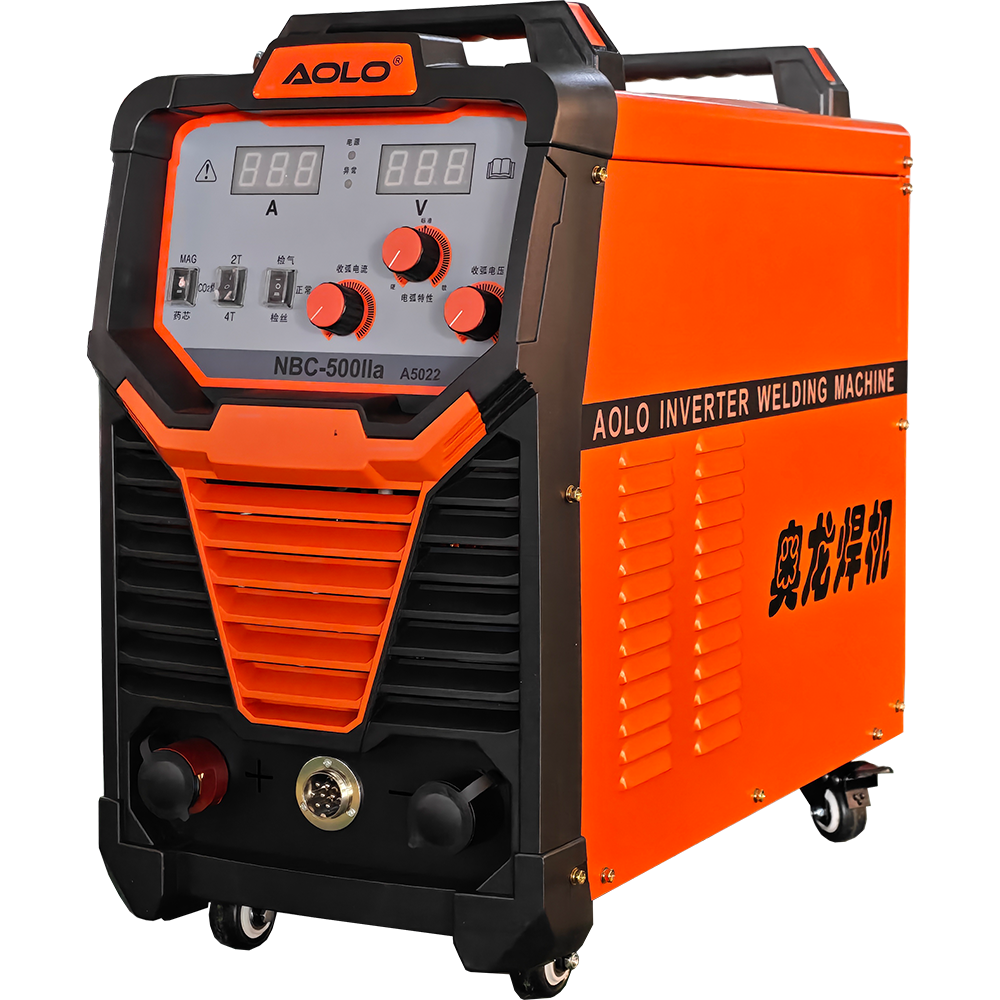
1、High-selling gas-shielded welder with a good price/performance ratio...
See Details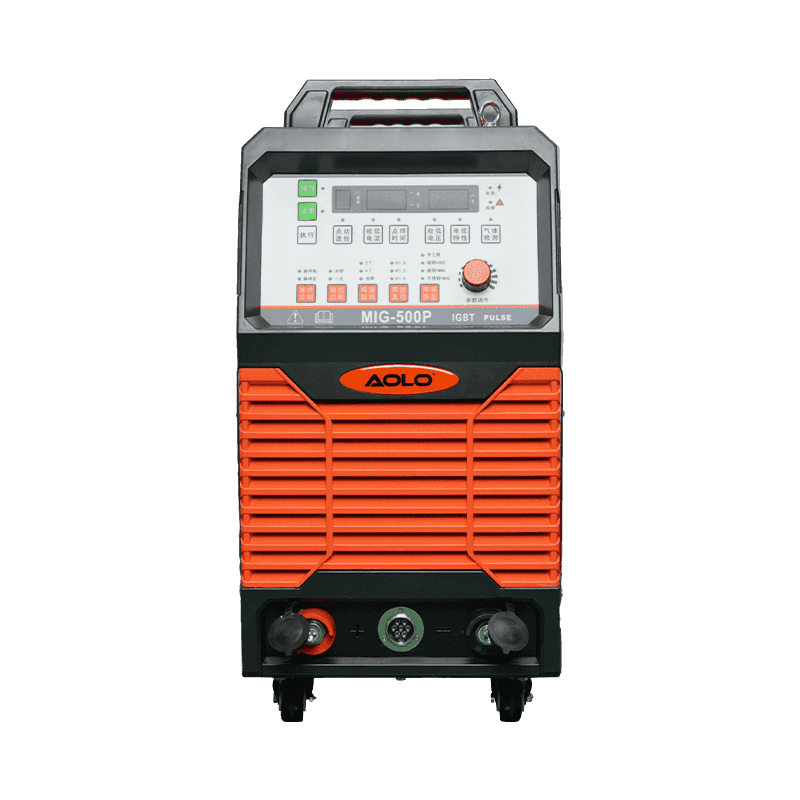
1、Rich functions, button selection facilitates parameter adjustment 2、...
See Details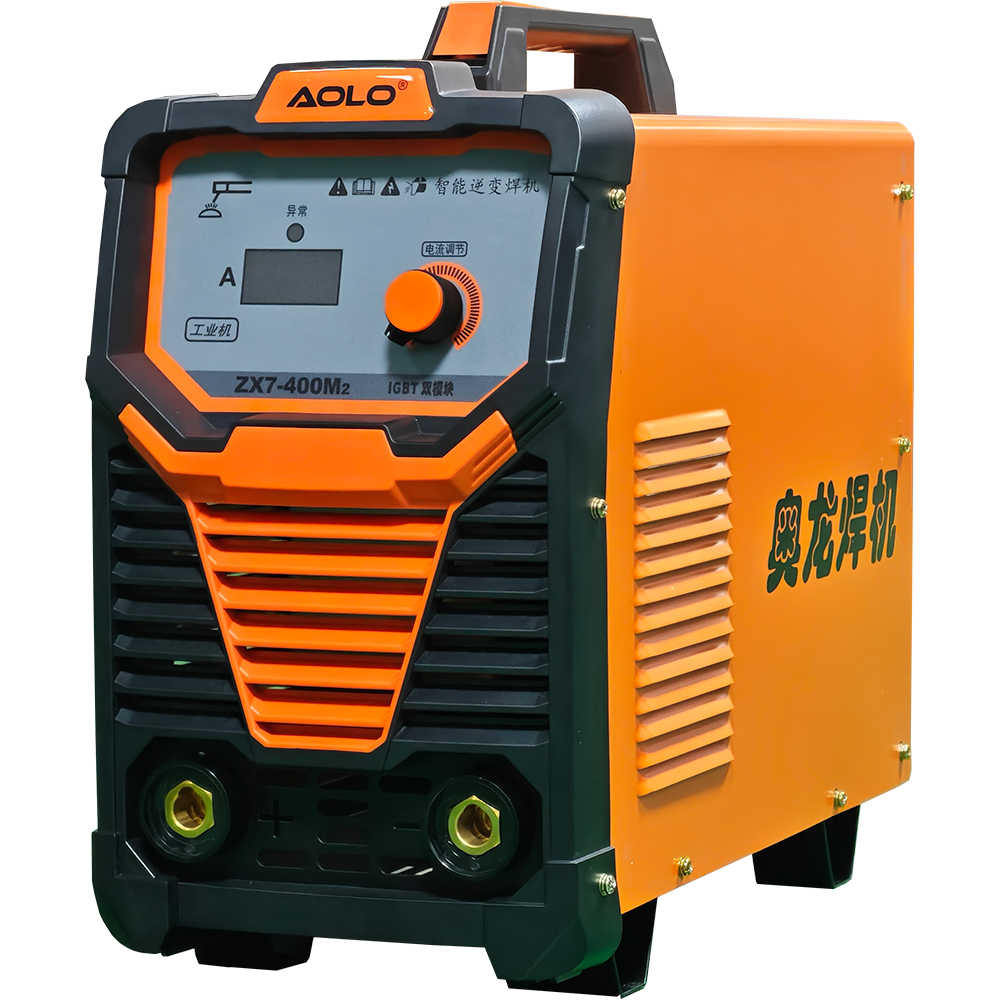
1、It can weld electrodes with a diameter of 5mm. 2、Fast arc starting, ...
See Details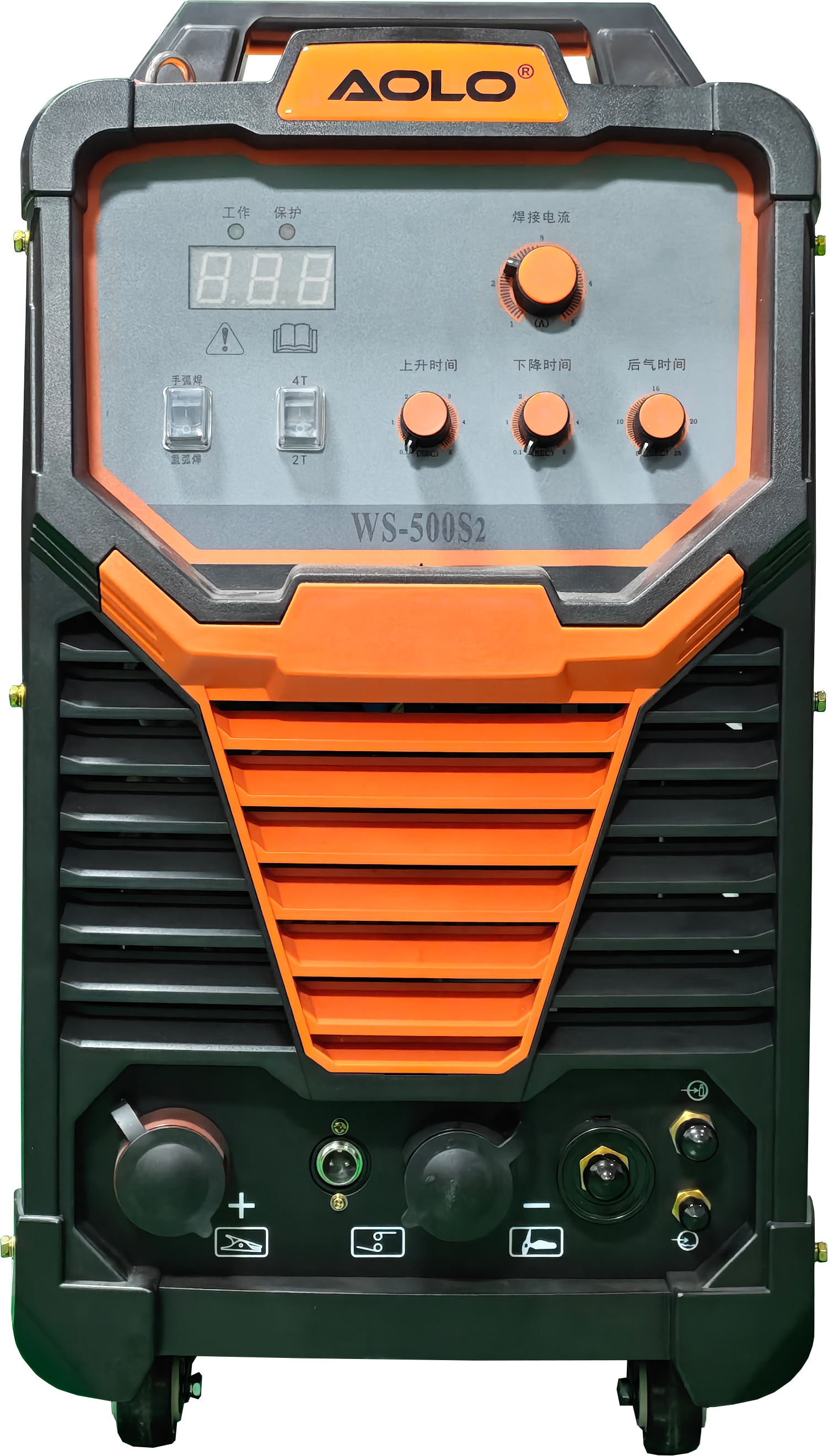
1、Easy arc starting, stable welding current, fast dynamic response spe...
See Details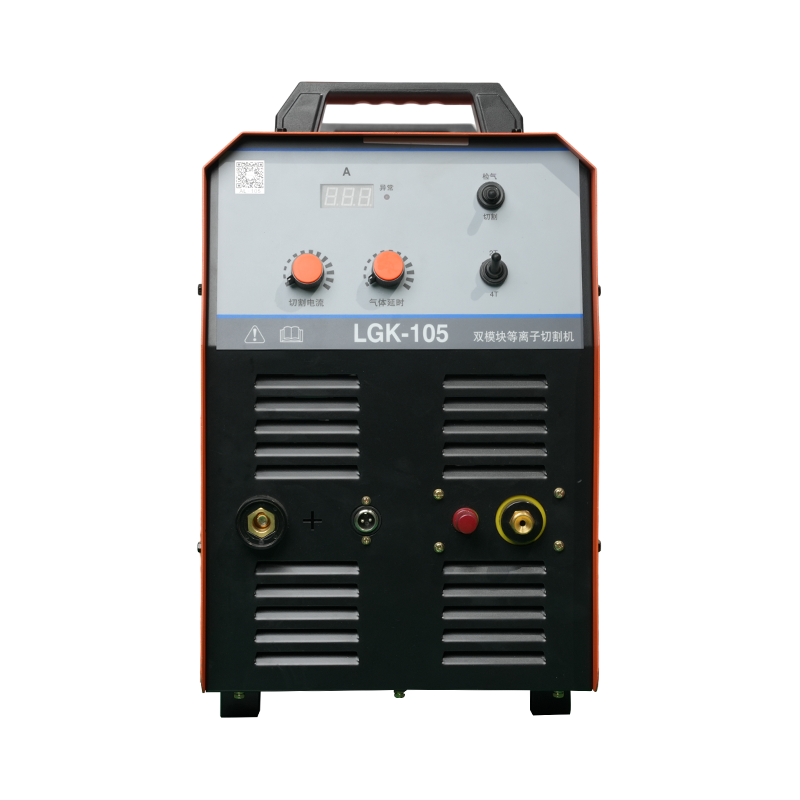
1、External air pump plasma cutting machine makes the whole machine lig...
See Details
1、Heavy duty industrial stud welding machine, suitable for ship constr...
See Details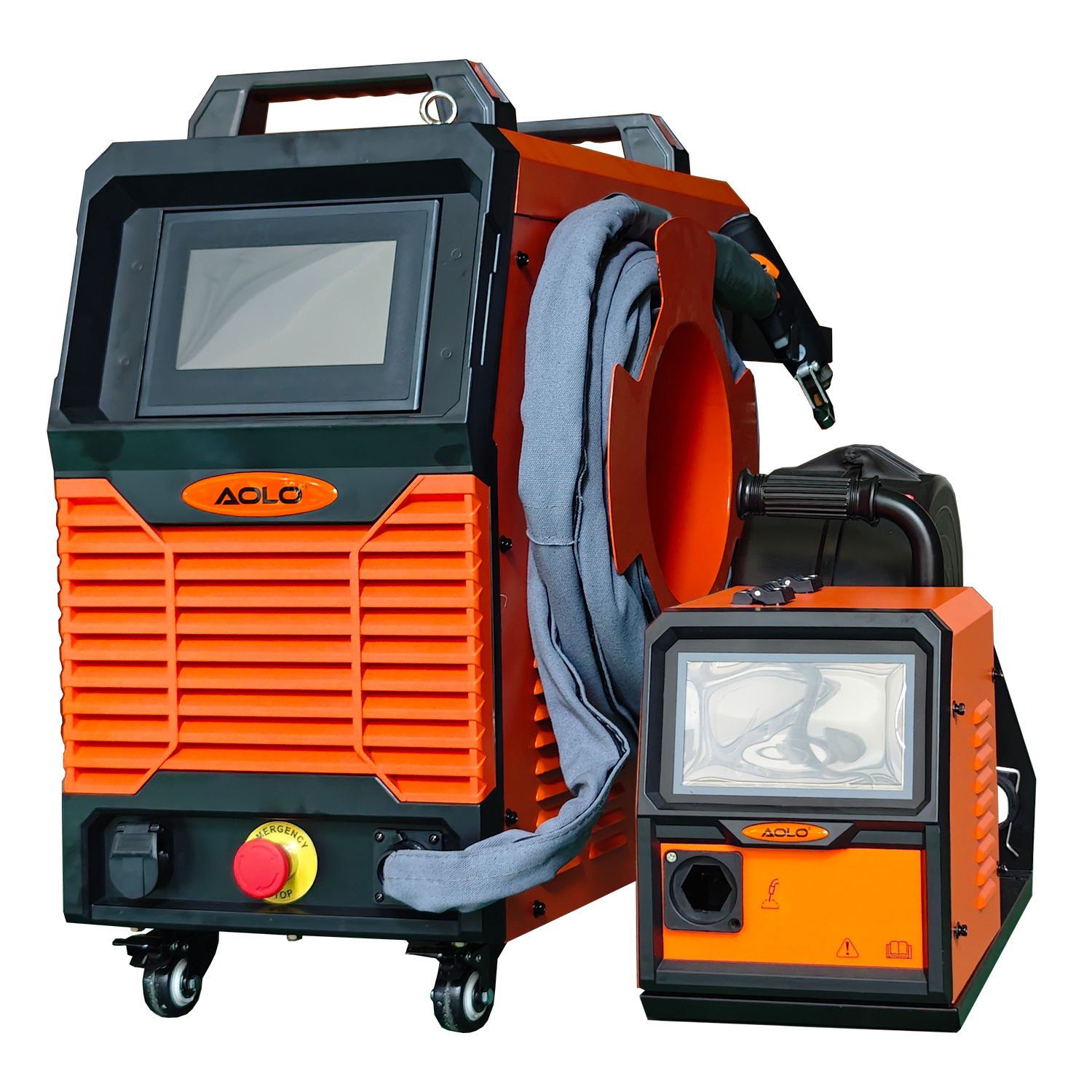
1、Air-cooled laser welding machine is smaller than water-cooled laser ...
See Details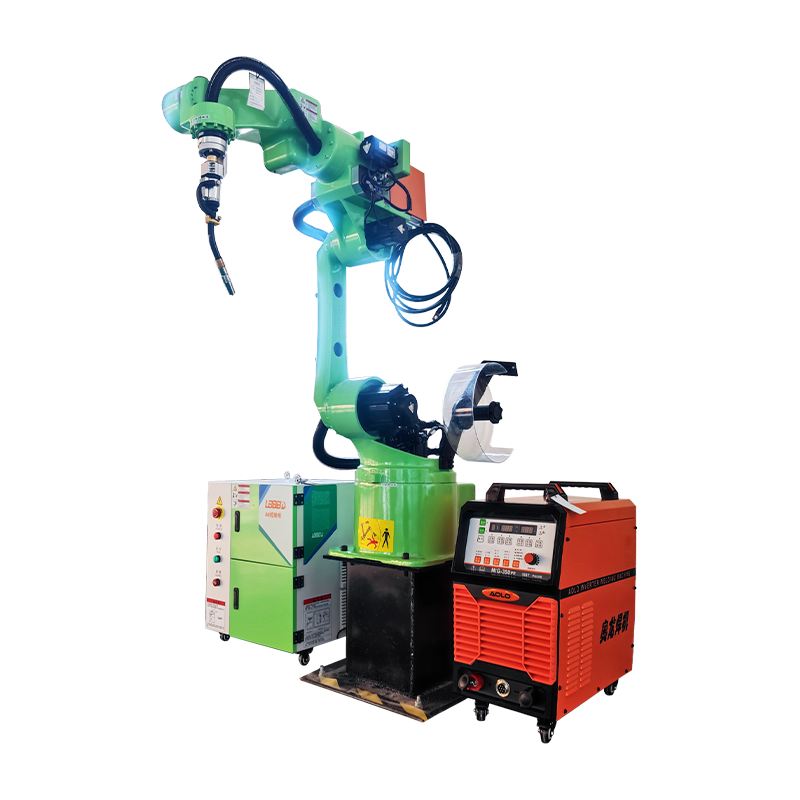
1、The robotic arm can be equipped with a gas shielded welding machine ...
See Details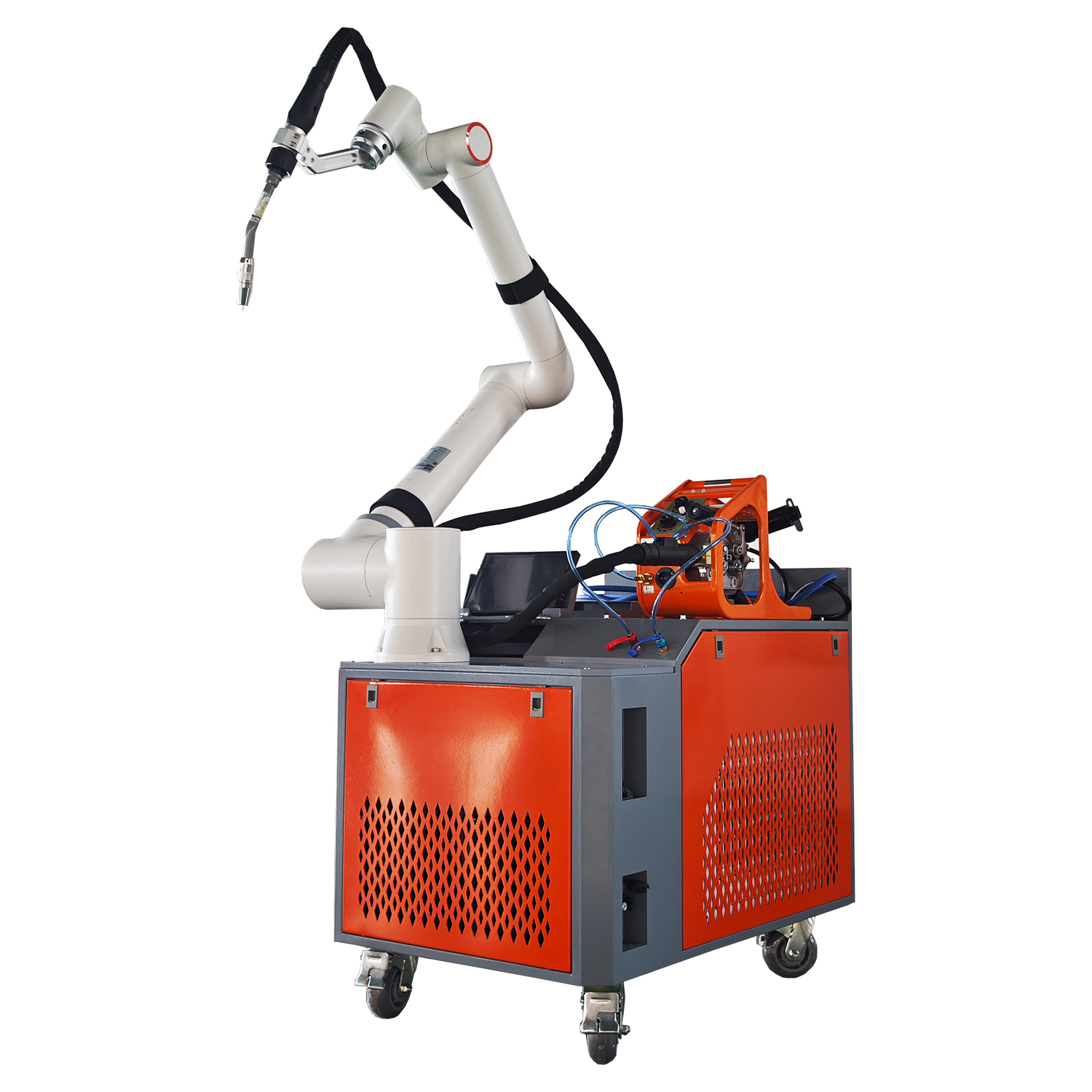
1. The welding machine communicates with the control pad, and all para...
See DetailsRequest for a call today


Tel: 4000707018

E-mail: aolohj@163.com

Add: Factory Building No. 5, Phase II, Pioneer Park, Economic Development Zone, Taizhou City, Jiangsu Province, China.
Copyright 2023 Jiangsu Aolong Electric Technology Co., Ltd. All Rights Reserved.
 Privacy Policy Industrial Welding Machine Manufacturers


Contact Us