


 English
 中文简体
中文简体 Español
 русский
NBC-315Y 220V/380V 300A IGBT Inverter Portable welder Built-in wire feeder 2T/4T MIG/MAG(GMAW)
Cat:Gas shielded welding machine
1、The machine adopts a phase-shifted full-bridge inverter main circuit...
See DetailsContent
Stud welding machines are specialized equipment designed to attach fasteners, such as metal studs, directly onto a base material through a high-current welding process. Widely used in construction, automotive, shipbuilding, and manufacturing industries, these machines streamline the welding process and significantly enhance production efficiency and precision.
The main advantages of stud welding machines come from their ability to deliver strong, uniform welds quickly, reduce manual labor, and maintain consistent quality. This makes them indispensable for large-scale or precision-dependent projects.
Stud welding machines operate by creating an electrical arc between the stud and the workpiece. The heat generated melts the stud base and a small area of the workpiece, allowing the stud to fuse directly to the surface once pressure is applied. The process ensures a strong metallurgical bond without the need for nuts, bolts, or additional fasteners.
Different types of stud welding machines, such as drawn arc, capacitor discharge, and short cycle models, offer versatility for various stud sizes, base materials, and thicknesses. Each type contributes to efficient operations and precise placement of fasteners.
One of the most significant advantages of stud welding machines is the improvement in production efficiency. Traditional fastening methods, such as drilling and bolting, are time-consuming and labor-intensive. Stud welding machines complete the attachment process in seconds, allowing high-volume production with minimal labor input.
Stud welding machines dramatically reduce the time required for each weld. A single stud can be welded in less than a second with automatic feed mechanisms, enabling rapid assembly of large components and panels. This efficiency is particularly beneficial in mass production environments where time savings translate into significant cost reductions.
By minimizing manual drilling, measuring, and bolting, stud welding machines reduce reliance on skilled labor for repetitive fastening tasks. Operators can manage multiple welds simultaneously, further enhancing productivity while maintaining safety standards.
Stud welding machines offer unparalleled precision in both stud placement and weld quality. Automated or semi-automated controls ensure consistent positioning, minimizing human error and misalignment. This consistency is essential for structural integrity, aesthetic requirements, and performance in engineering applications.
Modern stud welding machines use guides, clamps, and computerized positioning to ensure studs are aligned precisely according to design specifications. This precision reduces the need for post-weld adjustments and improves overall assembly quality.
The controlled arc and consistent pressure applied during welding result in uniform welds with predictable strength and durability. High-quality welds reduce the risk of stud loosening, failure under stress, and uneven surfaces, enhancing product reliability.
Stud welding machines are versatile and can be used on a variety of base materials, including steel, aluminum, and stainless steel. They can handle different stud sizes and types, from small threaded studs to large heavy-duty anchors, providing flexibility across multiple manufacturing scenarios.
This versatility allows manufacturers to standardize their welding process, reduce equipment changes, and achieve consistent quality across different product lines.
To highlight the efficiency and precision advantages, it is helpful to compare stud welding with traditional methods such as bolting, riveting, or manual welding.
| Feature | Stud Welding | Traditional Methods |
| Time per Fastener | <1 second | Several minutes |
| Labor Requirement | Low | High |
| Weld Quality | Uniform & Strong | Variable |
| Precision | High | Moderate |
Stud welding machines provide significant advantages in terms of production efficiency and precision. They enable rapid, consistent fastening, reduce labor costs, and ensure high-quality, uniform welds. Their versatility across materials and stud types further enhances operational efficiency.
By integrating stud welding machines into manufacturing and construction processes, companies can achieve faster production cycles, improved product quality, and reduced operational costs, making them an essential tool for modern industrial applications.
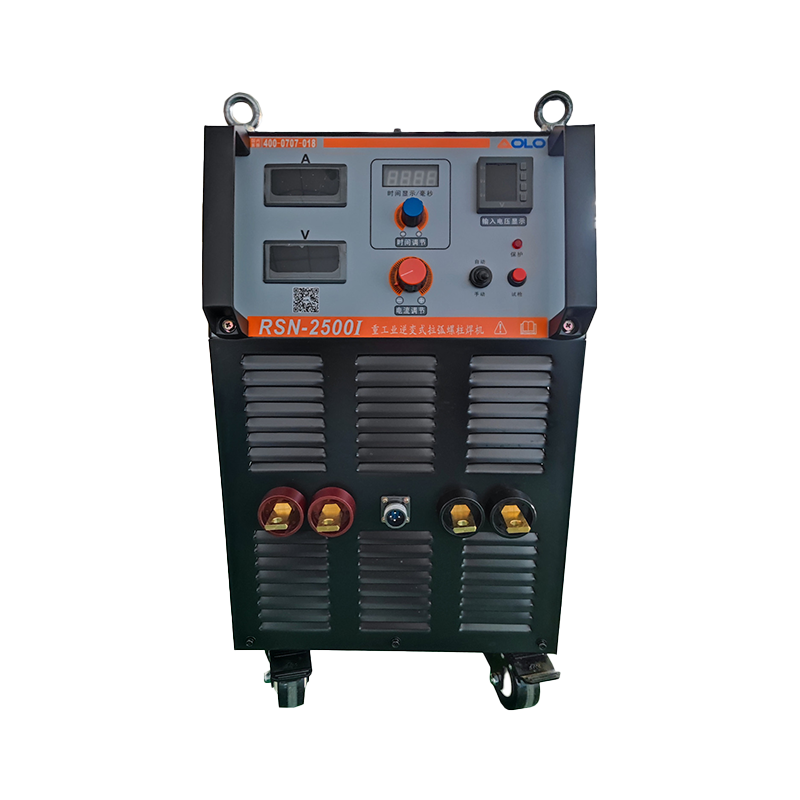
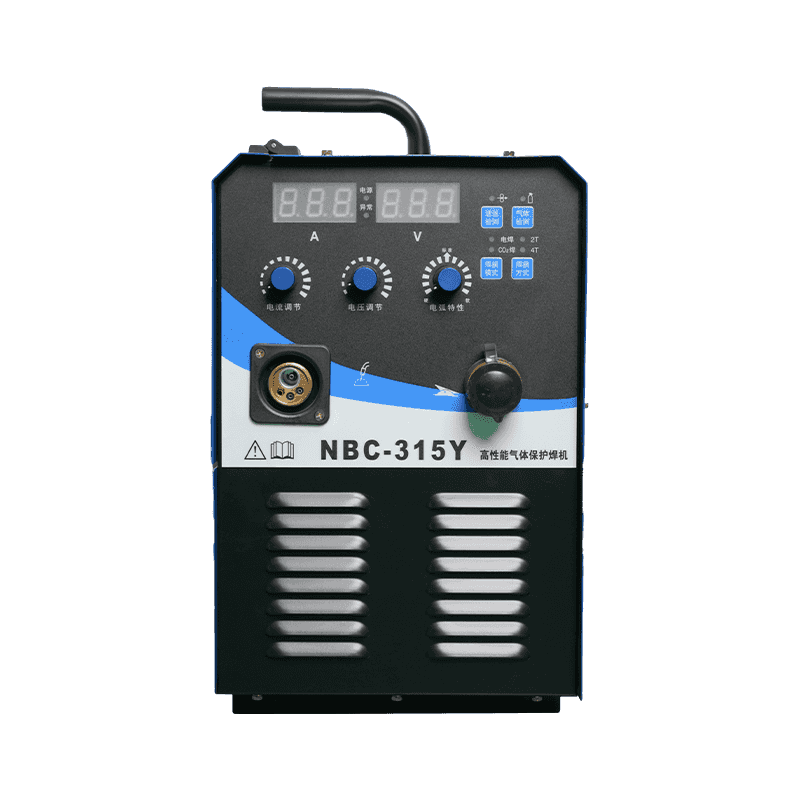
1、The machine adopts a phase-shifted full-bridge inverter main circuit...
See Details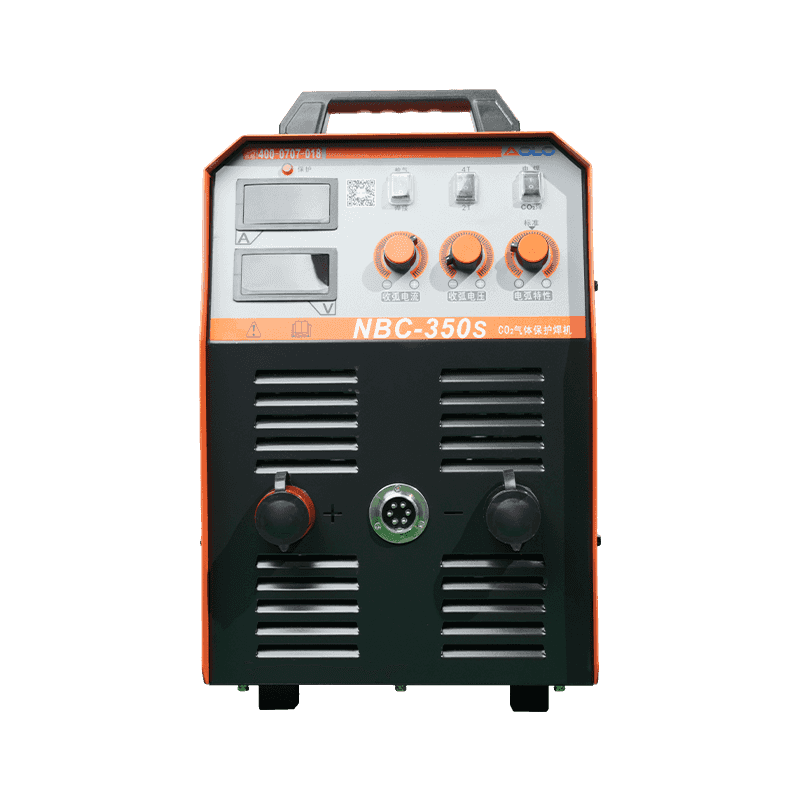
1、The welding machine is small and can be connected to a wire feeder. ...
See Details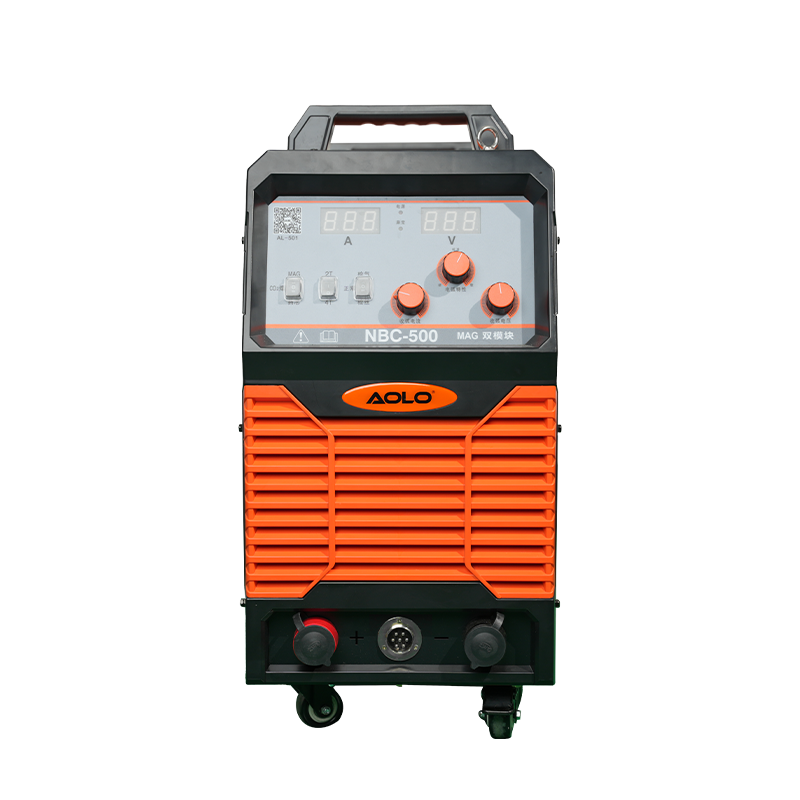
1、High load rate, stable output current for long-term welding. 2、MIG w...
See Details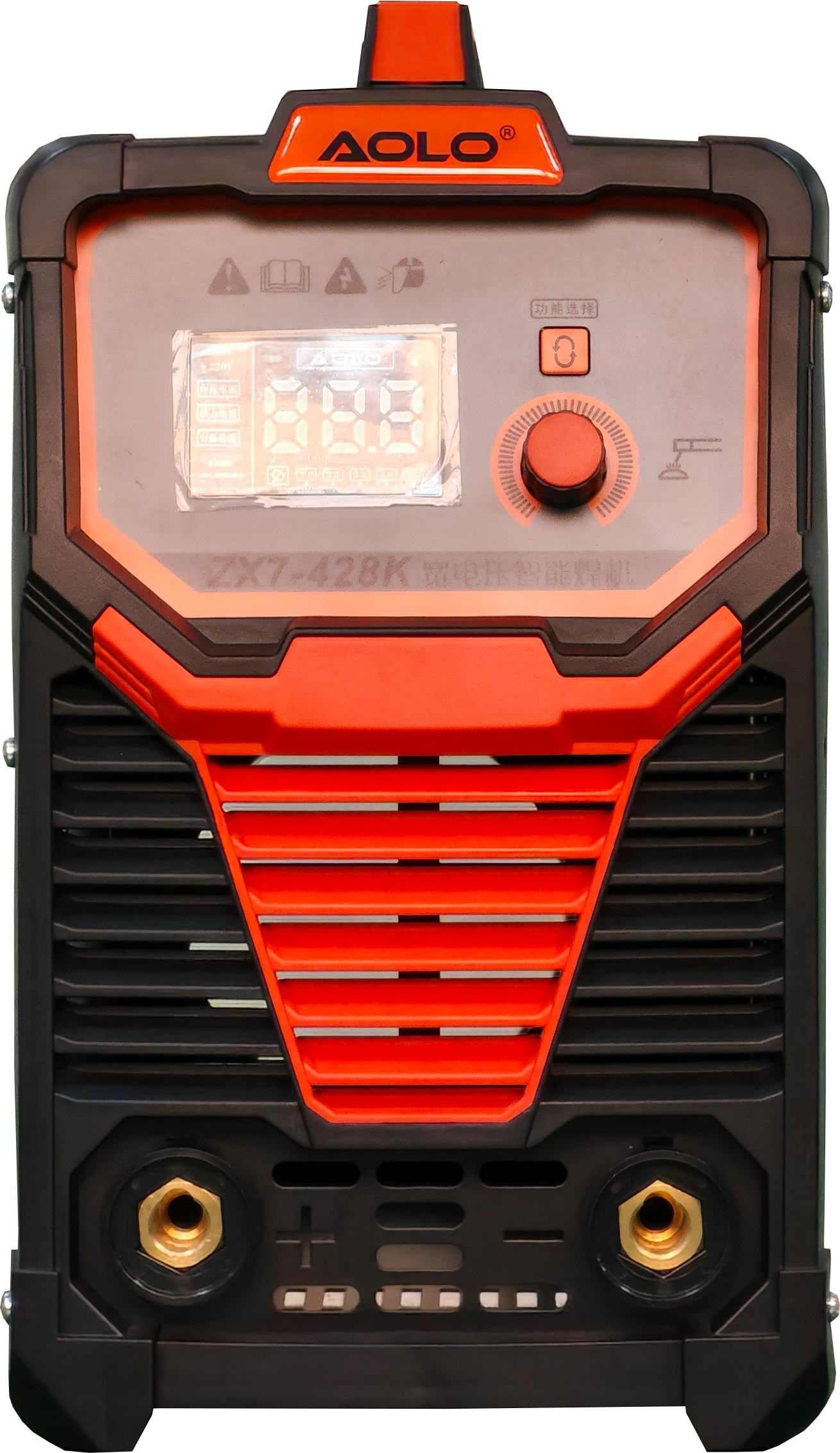
1、Small size, light weight, easy to carry, suitable for home use or sm...
See Details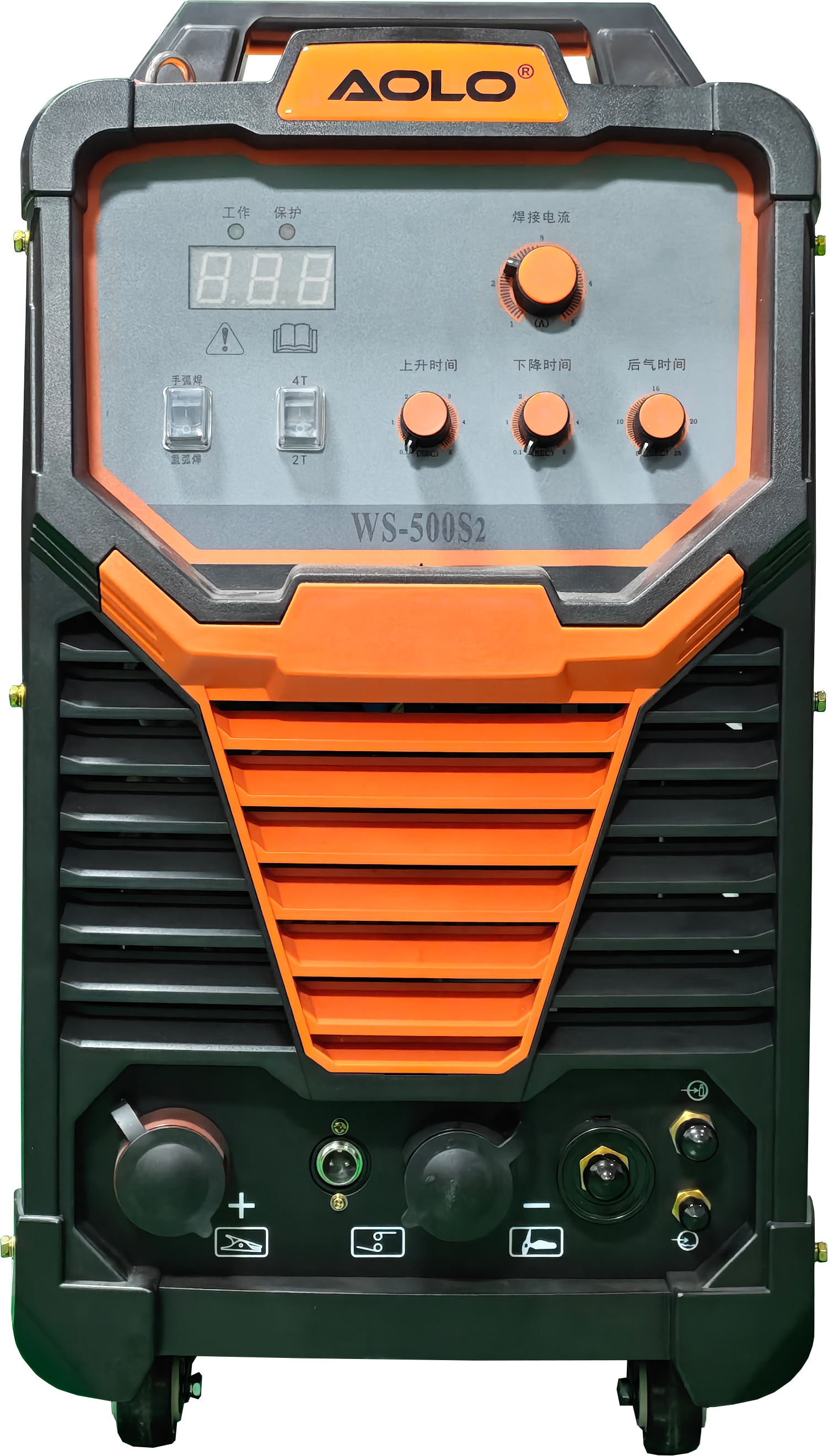
1、Easy arc starting, stable welding current, fast dynamic response spe...
See Details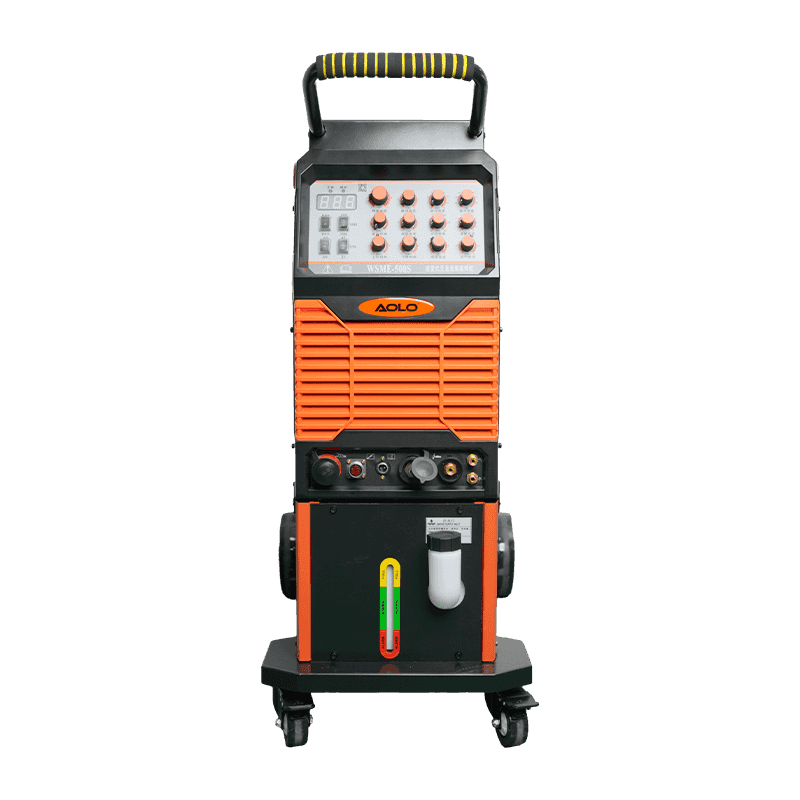
1、Heavy-duty industrial argon arc welding machine with rich parameter ...
See Details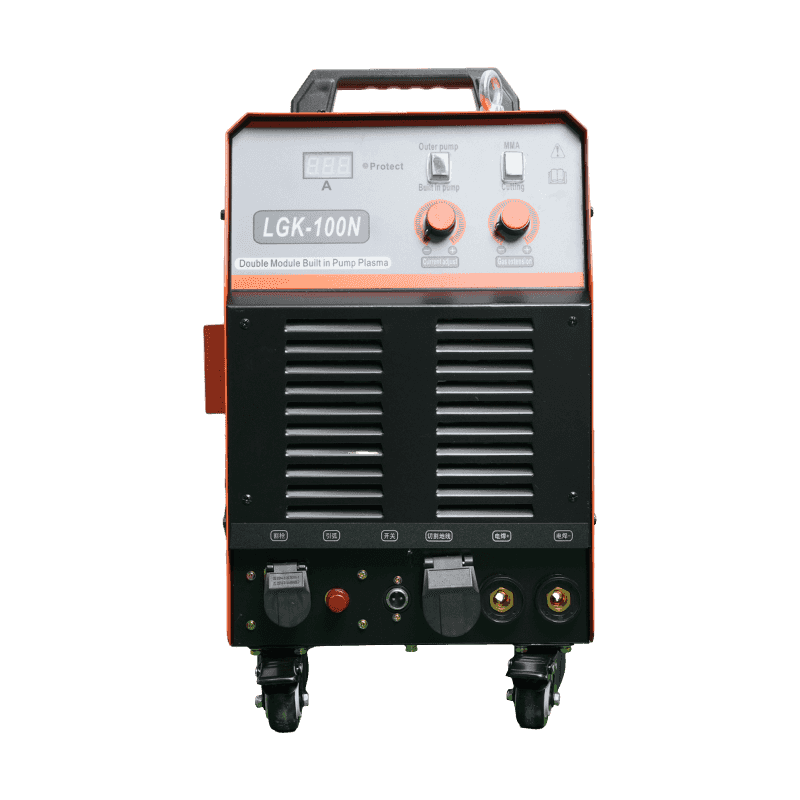
1、There are two modes of compressed air source, either a built-in air ...
See Details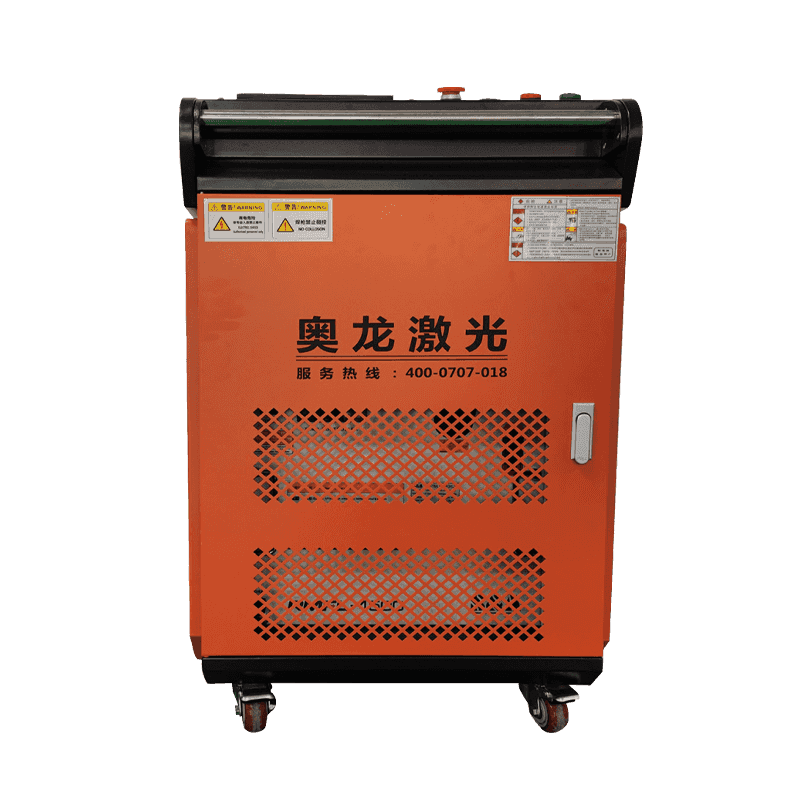
1、High-power laser welding machine, suitable for heavy-duty industrial...
See Details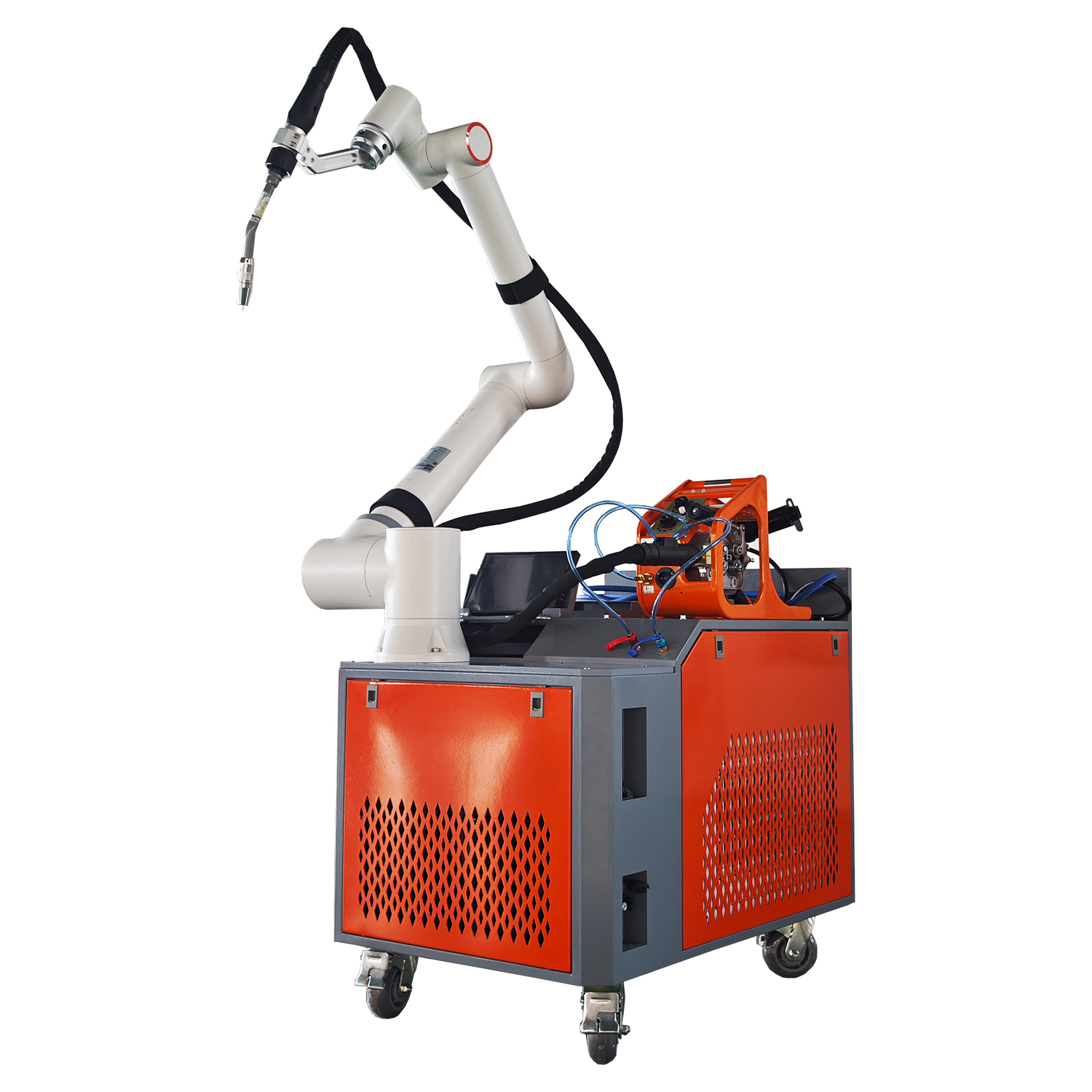
1. The welding machine communicates with the control pad, and all para...
See Details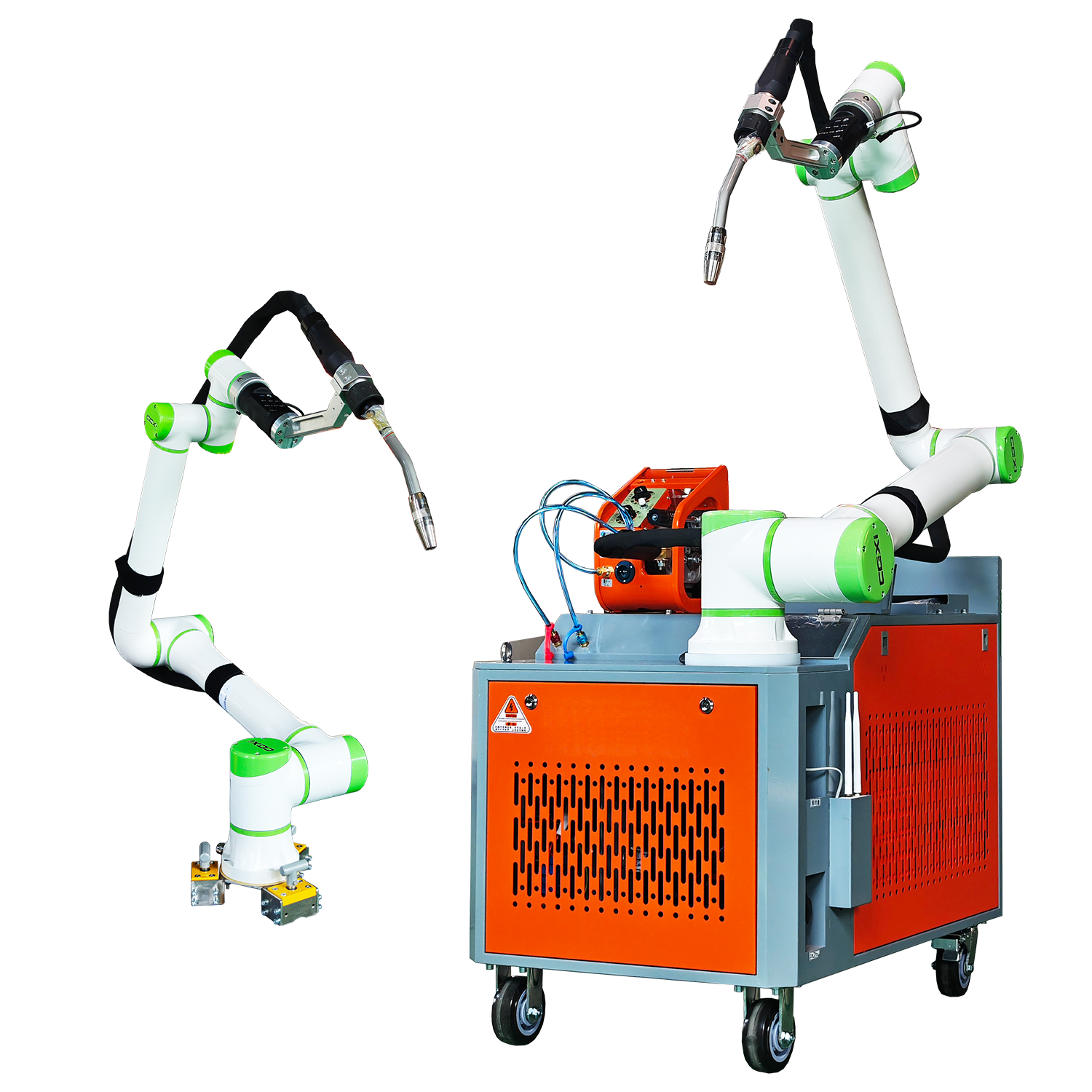
1. The welding machine communicates with the control pad, and all para...
See DetailsRequest for a call today


Tel: 4000707018

E-mail: aolohj@163.com

Add: Factory Building No. 5, Phase II, Pioneer Park, Economic Development Zone, Taizhou City, Jiangsu Province, China.
Copyright 2023 Jiangsu Aolong Electric Technology Co., Ltd. All Rights Reserved.
 Privacy Policy Industrial Welding Machine Manufacturers


Contact Us