


 English
 中文简体
中文简体 Español
 русский
NBC-315S/NBC-350S 380V 350A IGBT Inverter Portable welder 2T/4T MIG/MAG/MMA(GMAW/SMAW)
Cat:Gas shielded welding machine
1、The welding machine is small and can be connected to a wire feeder. ...
See DetailsAn argon arc welding machine, commonly known as a TIG (Tungsten Inert Gas) welding machine, is widely used for precision welding where high weld quality and clean joints are required. By using argon as a shielding gas, this welding method protects the molten weld pool from oxidation and contamination. As a result, argon arc welding machines are suitable for a wide range of metals, especially those that are sensitive to air exposure or require fine control. Understanding which materials can be welded with an argon arc welding machine helps manufacturers, fabricators, and maintenance teams choose the right process for their applications.
Content
Carbon steel and mild steel are among the most commonly welded materials using argon arc welding machines. TIG welding provides excellent control over heat input, which is particularly beneficial for thin steel sheets and precision components. The clean arc and stable weld pool result in smooth weld beads with minimal spatter, making post-weld finishing easier.
When welding carbon steel with an argon arc welding machine, filler material selection is important to match the base metal’s strength and carbon content. Pure argon shielding ensures a clean weld surface, reducing the risk of porosity and improving overall joint strength.
Stainless steel is one of the most popular materials welded with argon arc welding machines. Because stainless steel is sensitive to oxidation at high temperatures, the inert argon shielding gas plays a critical role in preserving corrosion resistance and surface appearance.
Argon arc welding allows precise control of the weld pool, making it ideal for thin-walled stainless steel pipes, food-grade equipment, medical devices, and decorative metal products. With proper technique, TIG welding produces bright, clean welds that often require little to no polishing.
Aluminum and its alloys are well-suited for argon arc welding machines, especially those with AC welding capability. Aluminum forms an oxide layer that melts at a much higher temperature than the base metal, and TIG welding with argon effectively breaks down this oxide layer while maintaining arc stability.
This process is widely used in industries such as automotive manufacturing, aerospace, shipbuilding, and custom fabrication. Argon arc welding enables strong, lightweight joints with good appearance and structural integrity.
Copper has excellent thermal and electrical conductivity, which makes it challenging to weld using many conventional methods. Argon arc welding machines, however, can handle copper and copper alloys by providing concentrated heat and stable arc control.
Applications include electrical components, heat exchangers, and plumbing systems. Preheating is often recommended when welding thicker copper sections to improve weld penetration and reduce the risk of cracking.
Titanium is highly reactive at elevated temperatures and must be protected from oxygen, nitrogen, and hydrogen during welding. Argon arc welding machines are ideal for titanium welding because they provide a fully inert environment when used with proper shielding techniques.
This material is commonly welded in aerospace, chemical processing, and medical industries. High-purity argon shielding ensures strong, contamination-free welds that maintain titanium’s mechanical properties and corrosion resistance.
Nickel and nickel-based alloys are often used in high-temperature and corrosive environments. Argon arc welding machines are suitable for these materials due to their precise heat control and clean welding characteristics.
Industries such as power generation, petrochemical processing, and marine engineering rely on TIG welding to produce reliable joints in nickel alloys without compromising material performance.
Magnesium and certain specialty alloys can also be welded using argon arc welding machines, although they require careful parameter control. These materials are lightweight but highly reactive, making argon shielding essential for preventing oxidation and combustion.
Proper training, clean base materials, and suitable filler rods are critical when working with these less common metals.
| Material | Suitability | Typical Applications |
| Carbon Steel | High | Structural parts, frames |
| Stainless Steel | Very High | Food equipment, piping |
| Aluminum | Very High | Automotive, aerospace |
| Copper | Medium | Electrical components |
| Titanium | Very High | Aerospace, medical |
An argon arc welding machine is a versatile and reliable solution for welding a wide variety of metals, from common steels to advanced alloys like titanium and nickel. Its ability to produce clean, precise, and high-quality welds makes it indispensable in industries that demand accuracy and durability. By understanding material compatibility and applying proper welding techniques, users can fully leverage the advantages of argon arc welding to meet both industrial and commercial requirements.
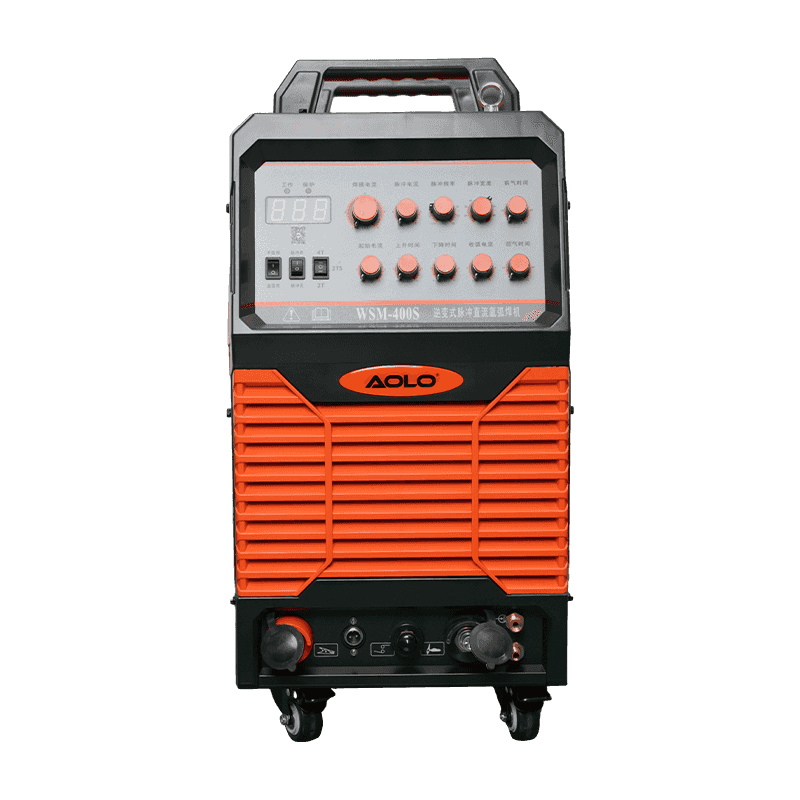
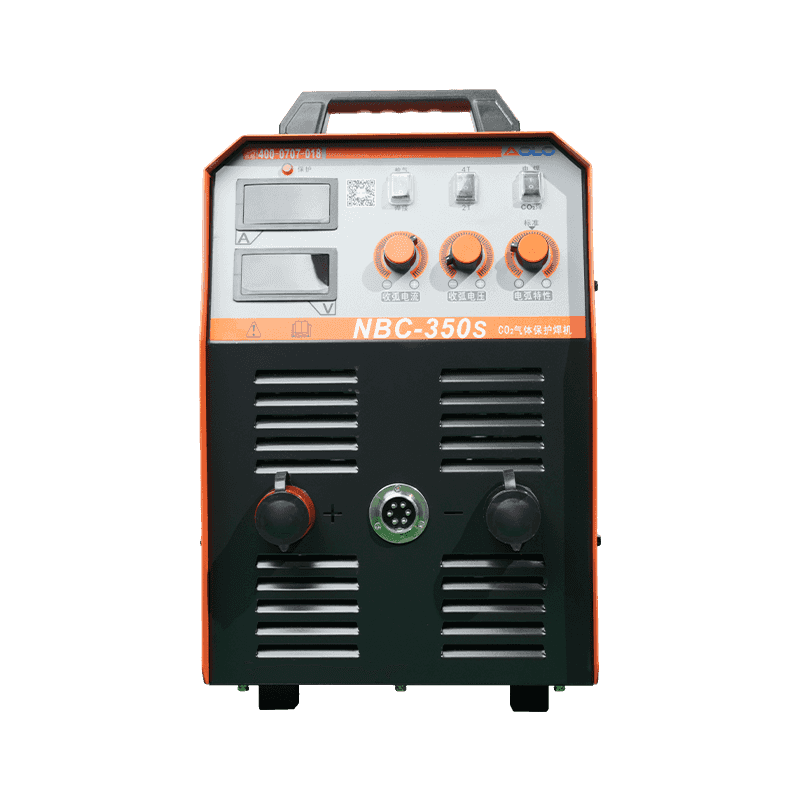
1、The welding machine is small and can be connected to a wire feeder. ...
See Details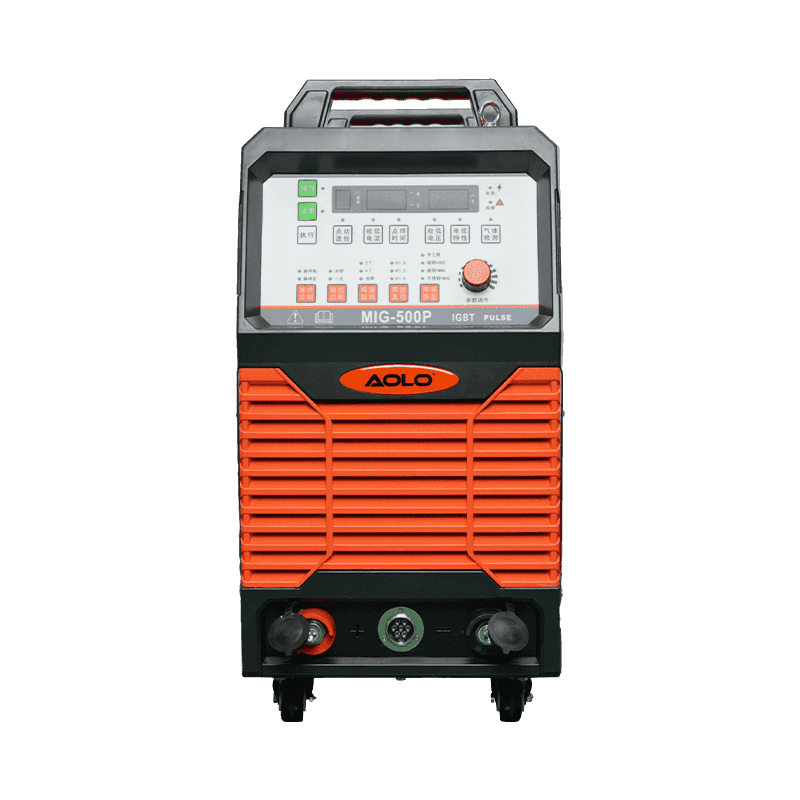
1、Rich functions, button selection facilitates parameter adjustment 2、...
See Details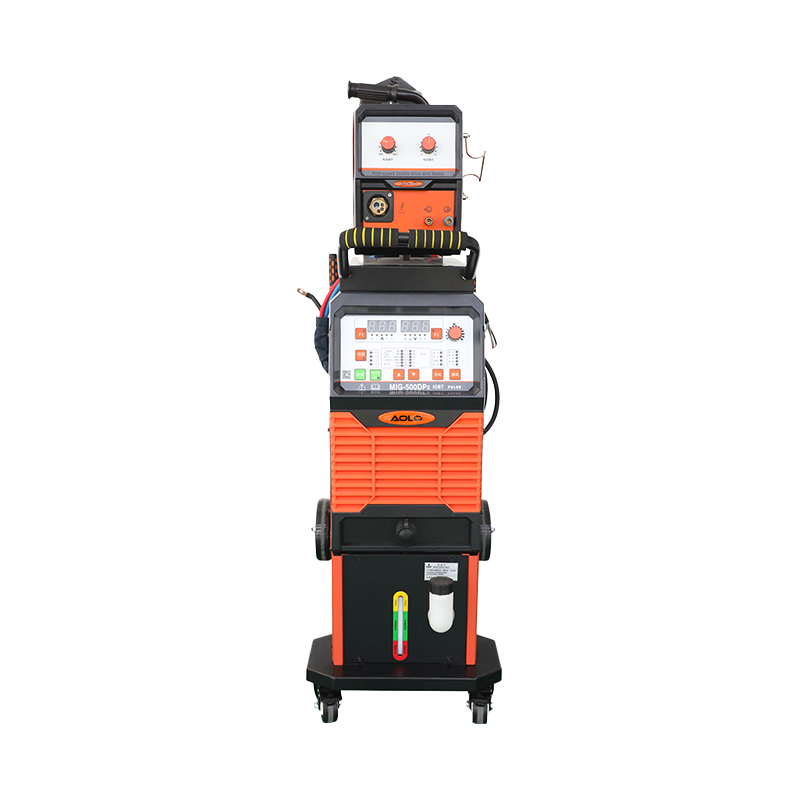
1、Manual argon arc welding with non-consumable electrode LIFTTIG; 2、Du...
See Details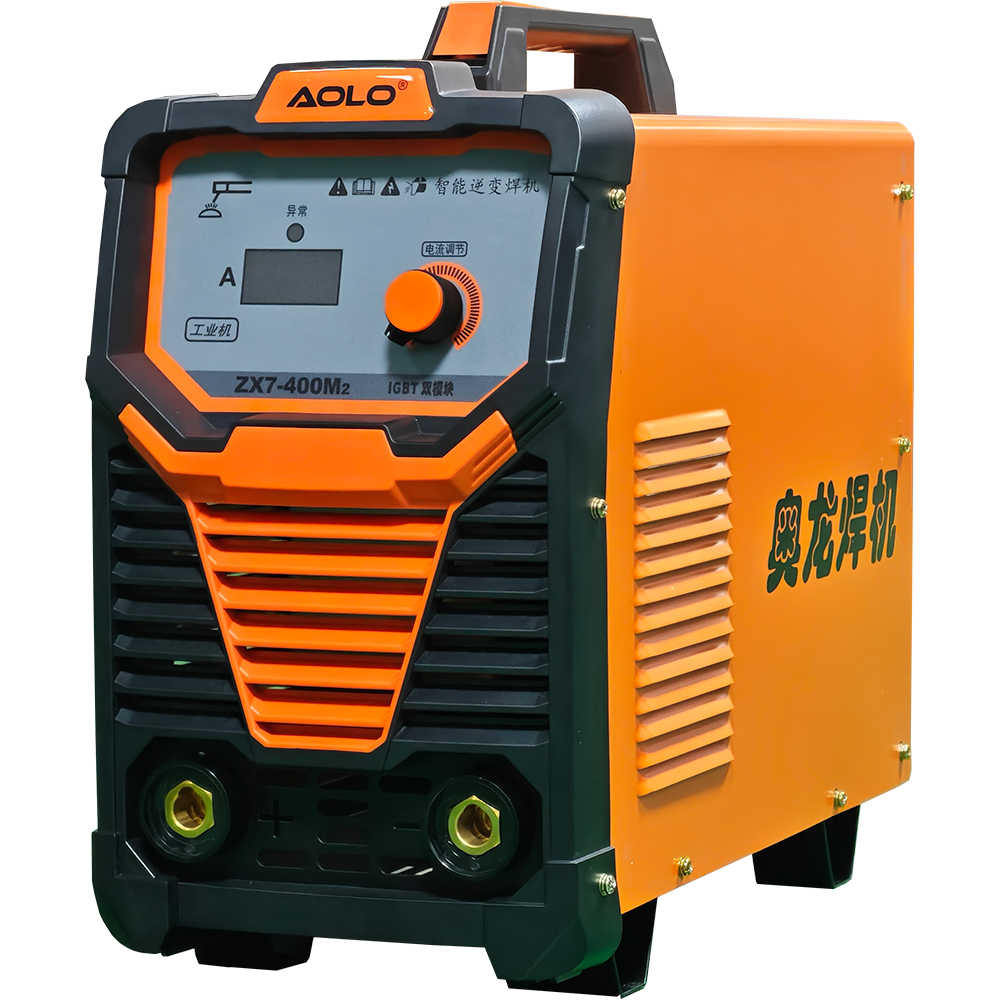
1、It can weld electrodes with a diameter of 5mm. 2、Fast arc starting, ...
See Details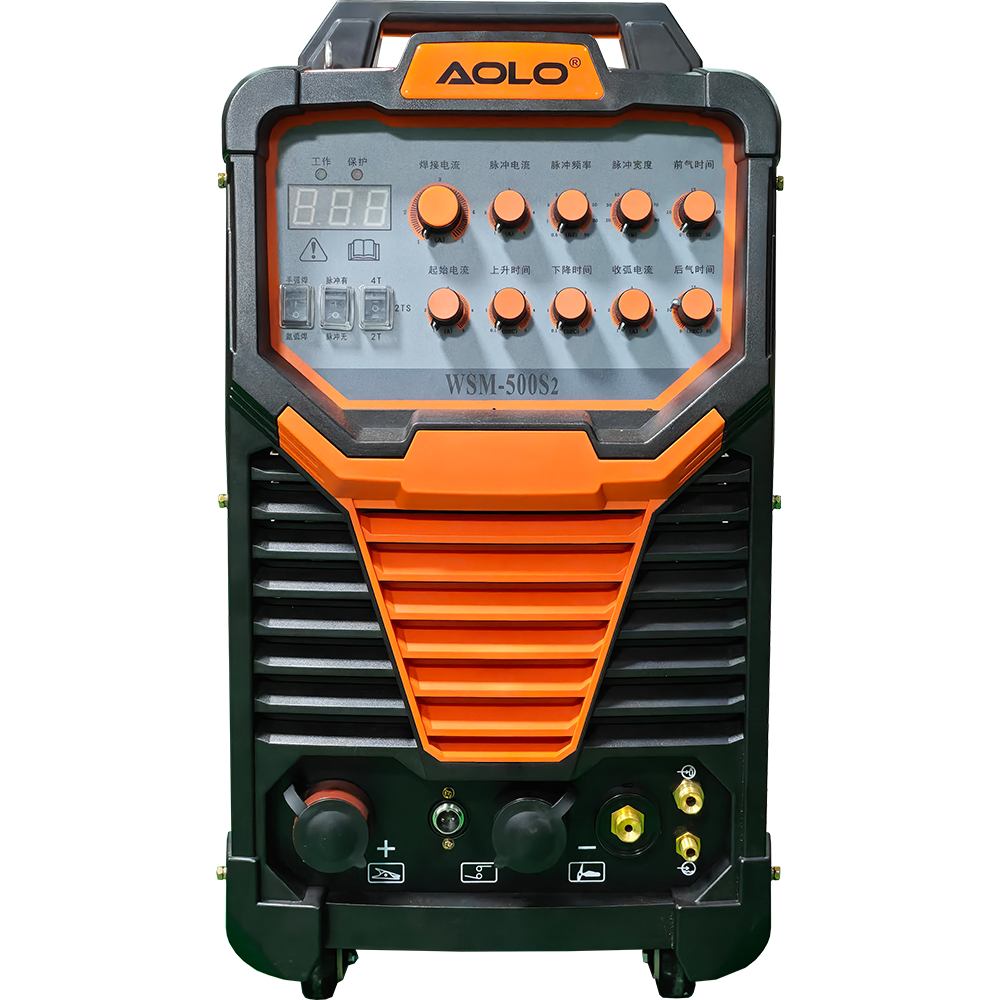
1、Pulse outputs a stable current-to-voltage ratio to control welding q...
See Details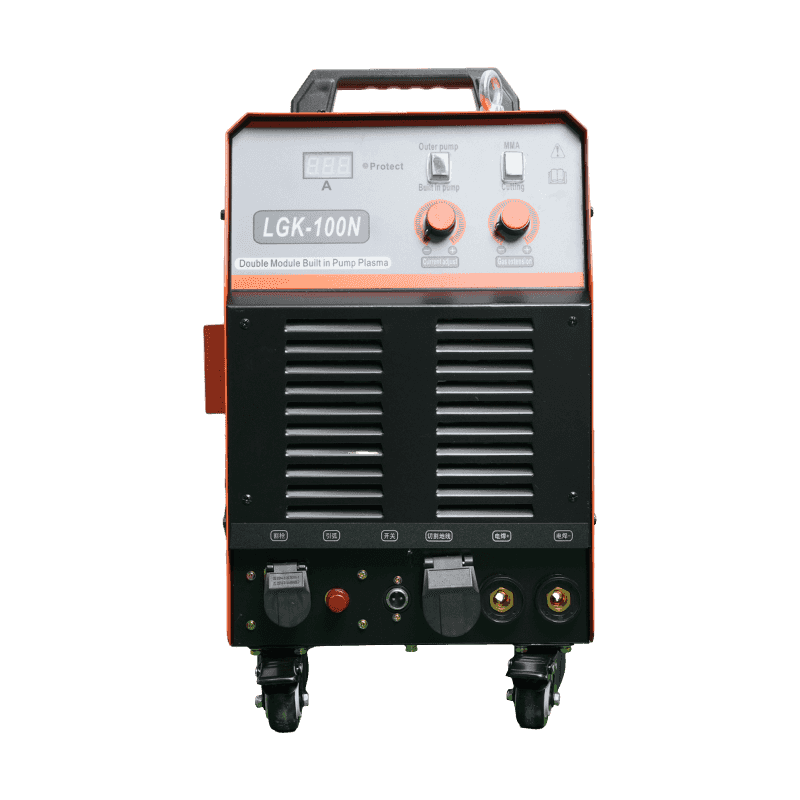
1、There are two modes of compressed air source, either a built-in air ...
See Details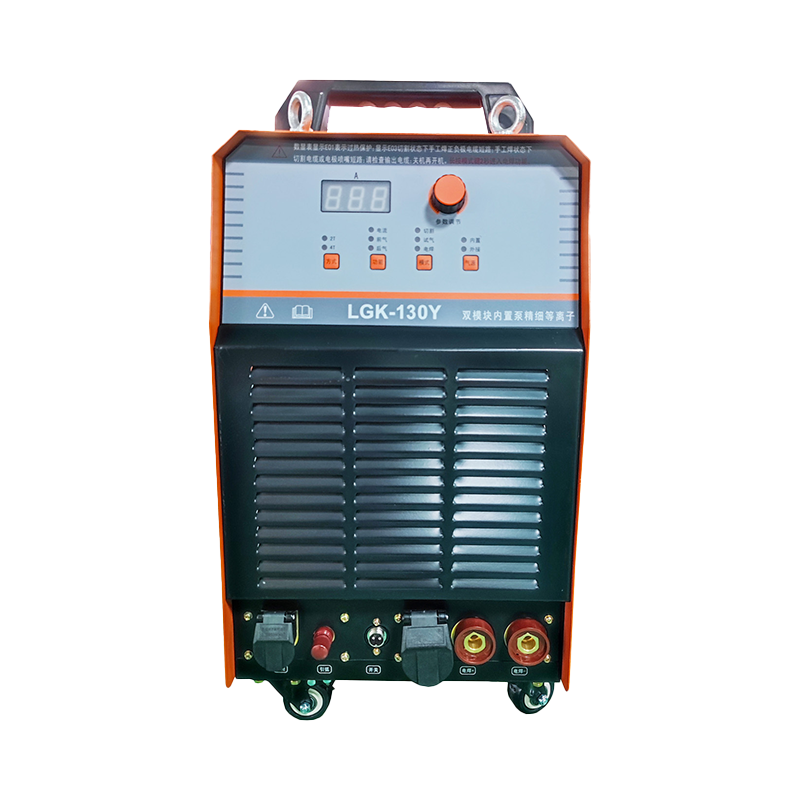
1、The arc energy is concentrated and stable, the cutting force is stro...
See Details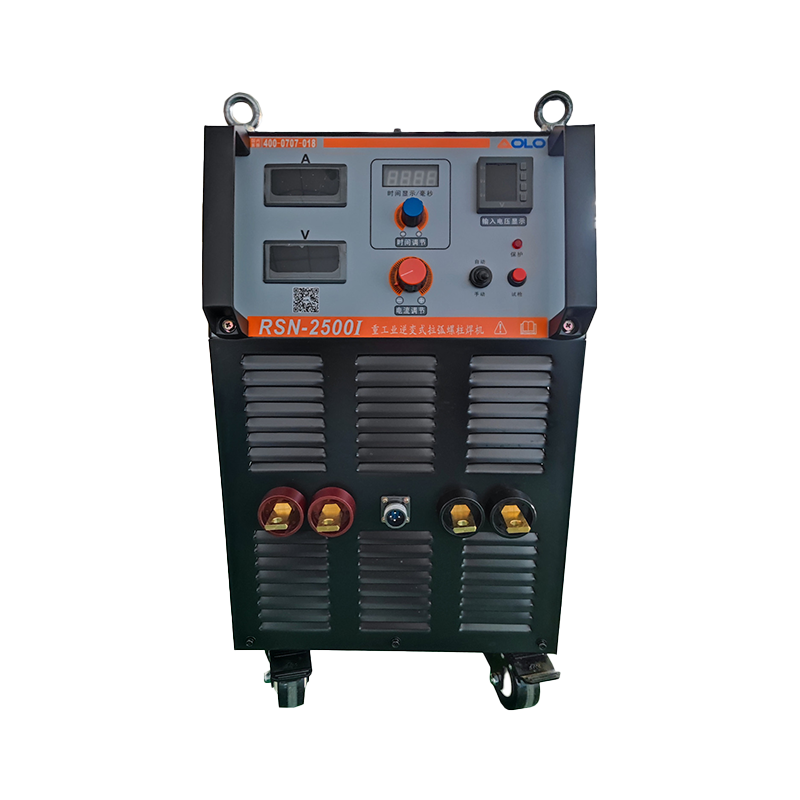
1、Heavy duty industrial stud welding machine, suitable for ship constr...
See Details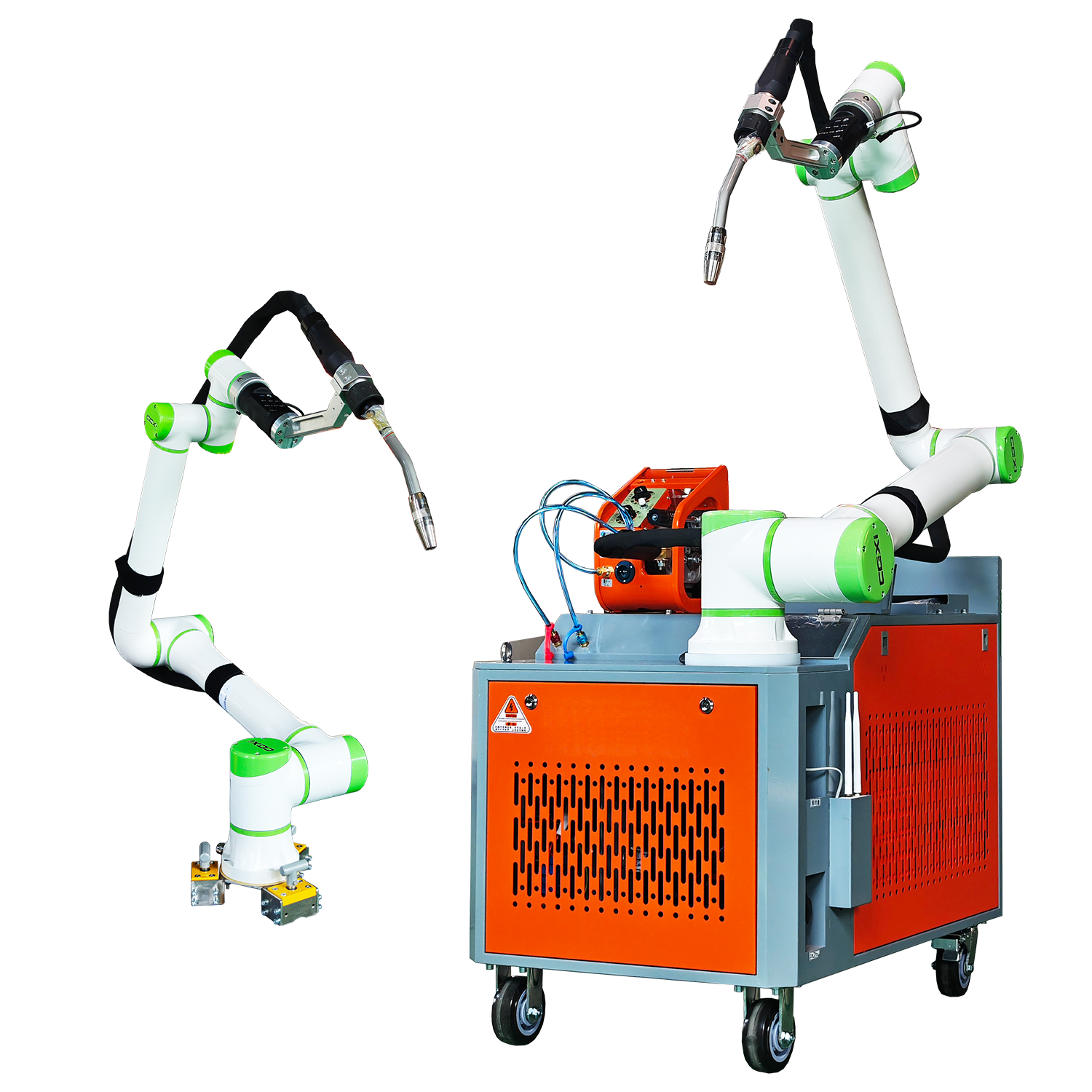
1. The welding machine communicates with the control pad, and all para...
See Details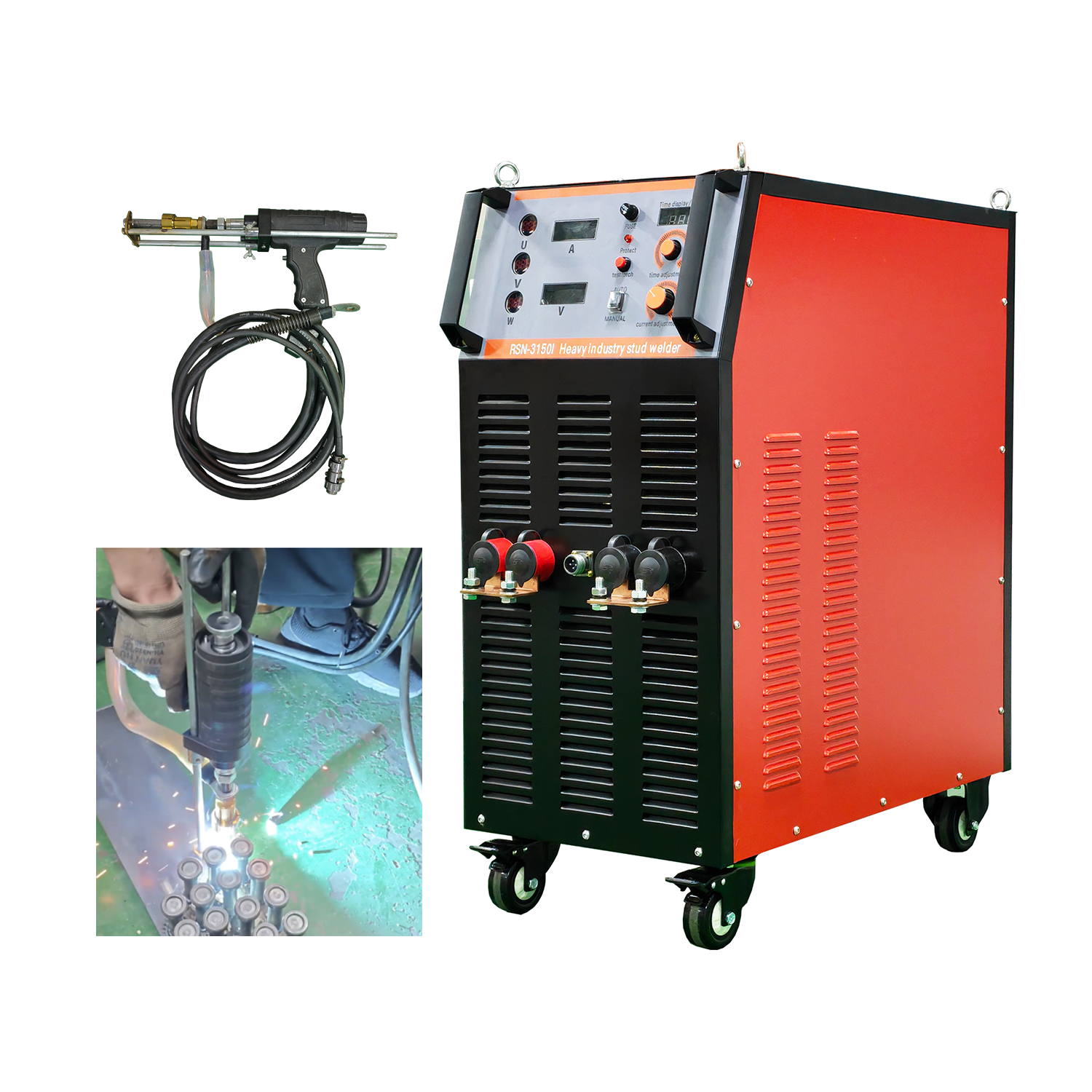
1、Heavy duty industrial stud welding machine, suitable for ship constr...
See DetailsRequest for a call today


Tel: 4000707018

E-mail: aolohj@163.com

Add: Factory Building No. 5, Phase II, Pioneer Park, Economic Development Zone, Taizhou City, Jiangsu Province, China.
Copyright 2023 Jiangsu Aolong Electric Technology Co., Ltd. All Rights Reserved.
 Privacy Policy Industrial Welding Machine Manufacturers


Contact Us