


 English
 中文简体
中文简体 Español
 русский
NBC-315Y 220V/380V 300A IGBT Inverter Portable welder Built-in wire feeder 2T/4T MIG/MAG(GMAW)
Cat:Gas shielded welding machine
1、The machine adopts a phase-shifted full-bridge inverter main circuit...
See DetailsContent
Manufacturing industries are under constant pressure to improve productivity while maintaining high and consistent product quality. As components become smaller, tolerances tighter, and materials more diverse, traditional welding methods often struggle to meet these requirements. Laser welding machines have emerged as a practical solution, offering high precision, repeatability, and automation compatibility that align well with modern production demands.
Rather than being a niche technology, laser welding machines are now widely adopted in automotive, electronics, medical devices, and metal fabrication. Their ability to deliver controlled heat input and precise weld seams directly addresses efficiency and quality challenges faced by manufacturers today.
Laser welding machines use a concentrated laser beam to generate intense heat at a specific point on the workpiece. This localized energy melts the material and creates a weld with minimal impact on surrounding areas. The process can be controlled with high accuracy, allowing manufacturers to achieve consistent results across large production volumes.
These machines can be configured for manual operation, semi-automation, or full integration into robotic production lines. This flexibility makes laser welding suitable for both small-batch customization and high-speed mass production.
One of the most significant advantages of laser welding machines is their speed. Compared to traditional arc or resistance welding, laser welding can complete joints in a fraction of the time. Faster cycle times directly increase throughput and reduce production bottlenecks.
In automated environments, laser welding machines operate continuously with minimal downtime. Their stable performance reduces the need for frequent adjustments, allowing manufacturers to maintain consistent production schedules and meet tight delivery deadlines.
Laser welds are typically clean and precise, requiring little to no post-weld finishing. The reduced need for grinding, polishing, or rework saves time and labor costs. This efficiency improvement is particularly valuable in industries where surface quality is critical.
Product quality is closely tied to heat management during welding. Excessive heat can cause distortion, material degradation, or weak joints. Laser welding machines offer precise control over heat input, minimizing thermal deformation and preserving material properties.
This level of control enables manufacturers to produce strong, uniform welds with consistent penetration depth. As a result, finished products meet strict quality standards and perform reliably in demanding applications.
Consistency is essential in large-scale manufacturing. Laser welding machines deliver repeatable results by maintaining stable welding parameters throughout the production run. This reduces defect rates and ensures uniform quality across thousands of identical components.
Laser welding machines can process a wide range of materials, including stainless steel, aluminum, carbon steel, titanium, and certain dissimilar metal combinations. This versatility allows manufacturers to explore new product designs without changing welding equipment.
Thin materials and delicate components benefit particularly from laser welding. The focused beam minimizes burn-through and enables precise joints that would be difficult or impossible to achieve with conventional welding methods.
To understand the efficiency and quality improvements offered by laser welding machines, it is helpful to compare them with traditional welding techniques.
| Aspect | Traditional Welding | Laser Welding Machines |
| Welding Speed | Moderate | High |
| Heat Affected Zone | Large | Minimal |
| Automation Compatibility | Limited | Excellent |
Laser welding machines integrate seamlessly with robotic arms, CNC systems, and smart factory platforms. This compatibility supports data-driven production, real-time monitoring, and predictive maintenance. As manufacturers adopt Industry 4.0 practices, laser welding becomes a natural fit.
Automated laser welding systems reduce dependence on manual labor, improving consistency and reducing human error. This not only boosts efficiency but also enhances workplace safety by limiting operator exposure to heat and fumes.
While laser welding machines often require a higher initial investment, their long-term operational benefits can outweigh the upfront cost. Reduced rework, lower material waste, and faster production cycles contribute to a favorable return on investment.
Maintenance requirements are generally predictable, and modern laser systems are designed for durability and stable performance. Over time, these factors help manufacturers control production costs and maintain competitive pricing.
Laser welding machines are widely used in automotive manufacturing for body components, battery systems, and exhaust parts. In electronics, they enable precise joining of small components without damaging sensitive materials. Medical device manufacturers rely on laser welding for clean, precise, and repeatable joints.
These real-world applications demonstrate that laser welding machines are not experimental tools but proven production assets that deliver measurable efficiency and quality improvements.
The ability of laser welding machines to improve both efficiency and product quality makes them a strategic investment for manufacturers planning long-term growth. As product designs become more complex and quality standards more demanding, precision welding technologies will play an increasingly important role.
Rather than replacing all traditional welding methods, laser welding machines complement existing processes by addressing applications where speed, accuracy, and consistency are critical. This balanced approach allows manufacturers to optimize production while maintaining high-quality outcomes.
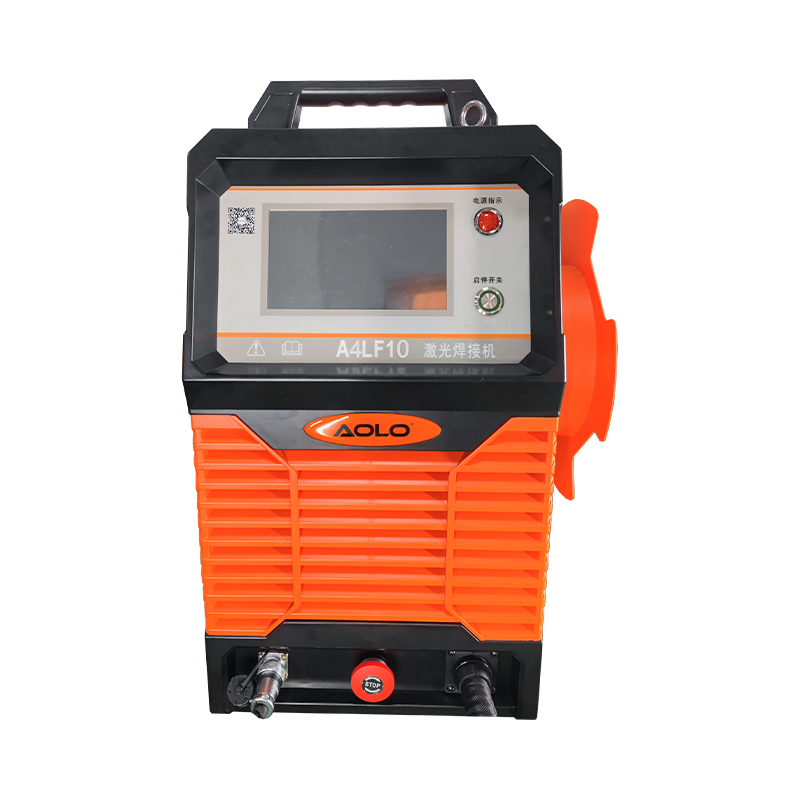
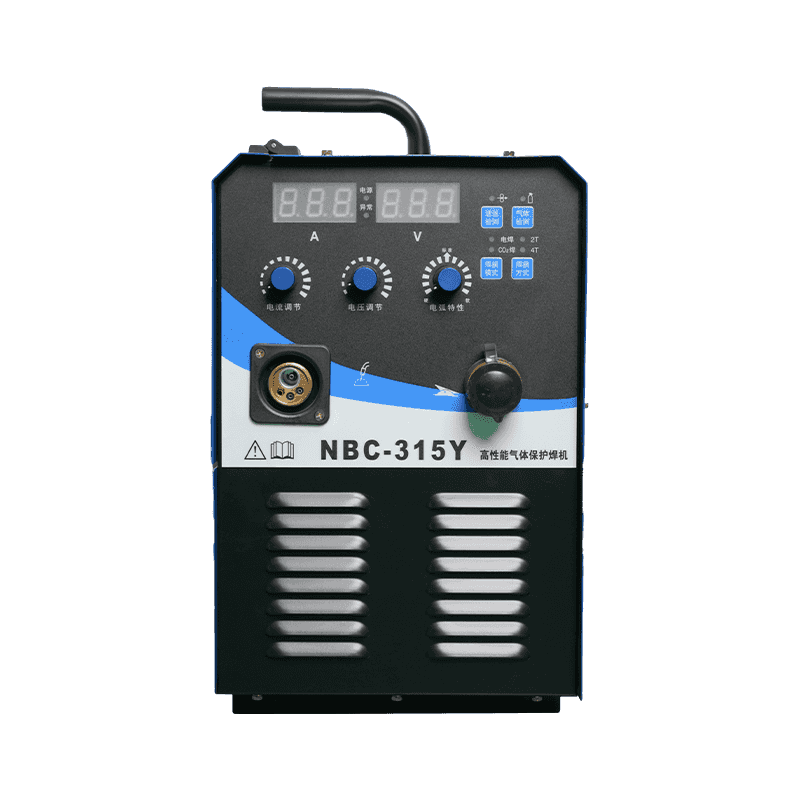
1、The machine adopts a phase-shifted full-bridge inverter main circuit...
See Details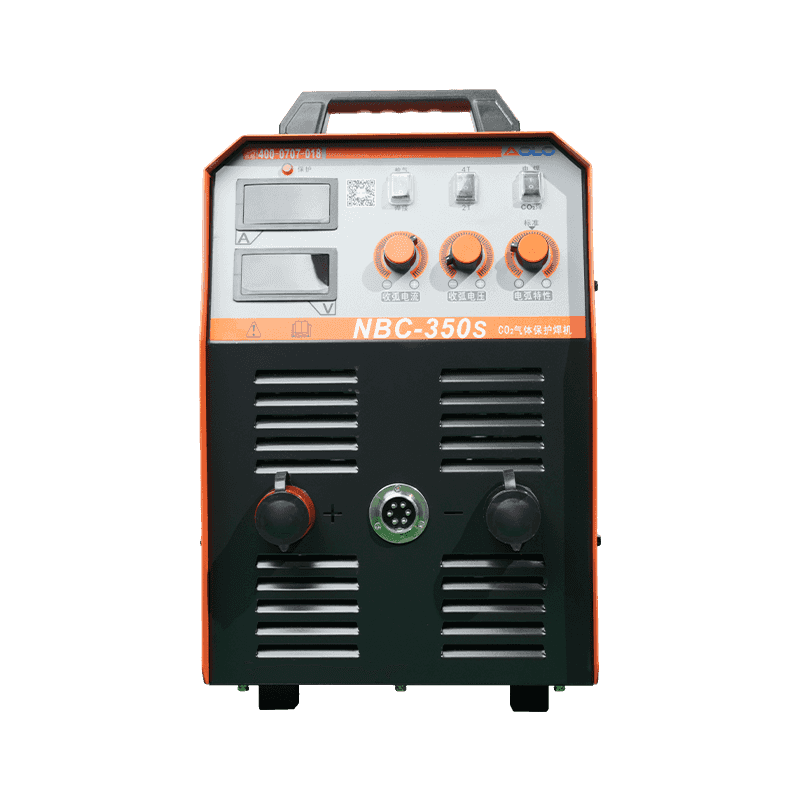
1、The welding machine is small and can be connected to a wire feeder. ...
See Details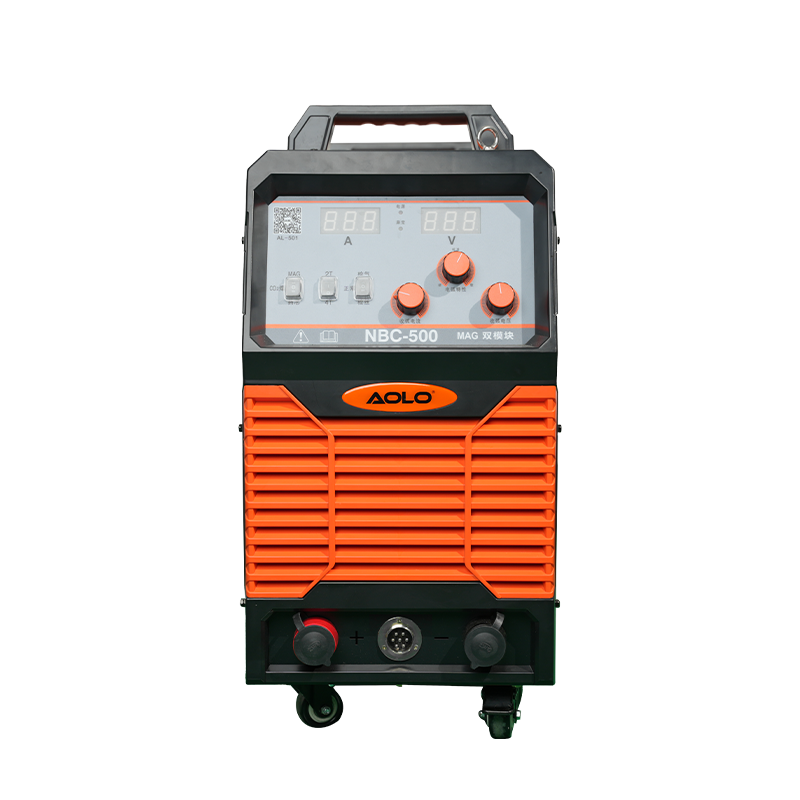
1、High load rate, stable output current for long-term welding. 2、MIG w...
See Details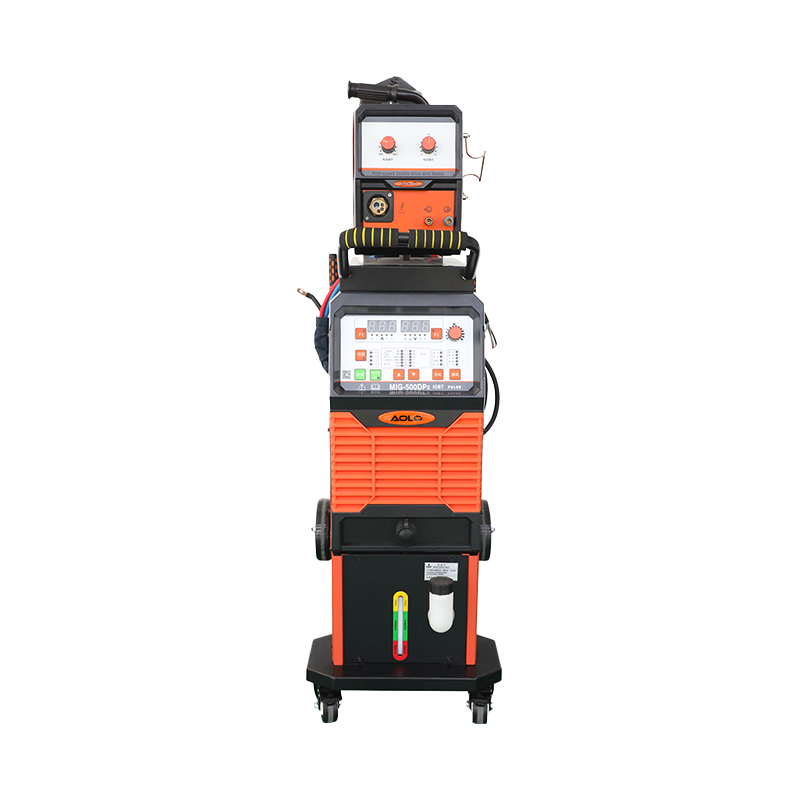
1、Manual argon arc welding with non-consumable electrode LIFTTIG; 2、Du...
See Details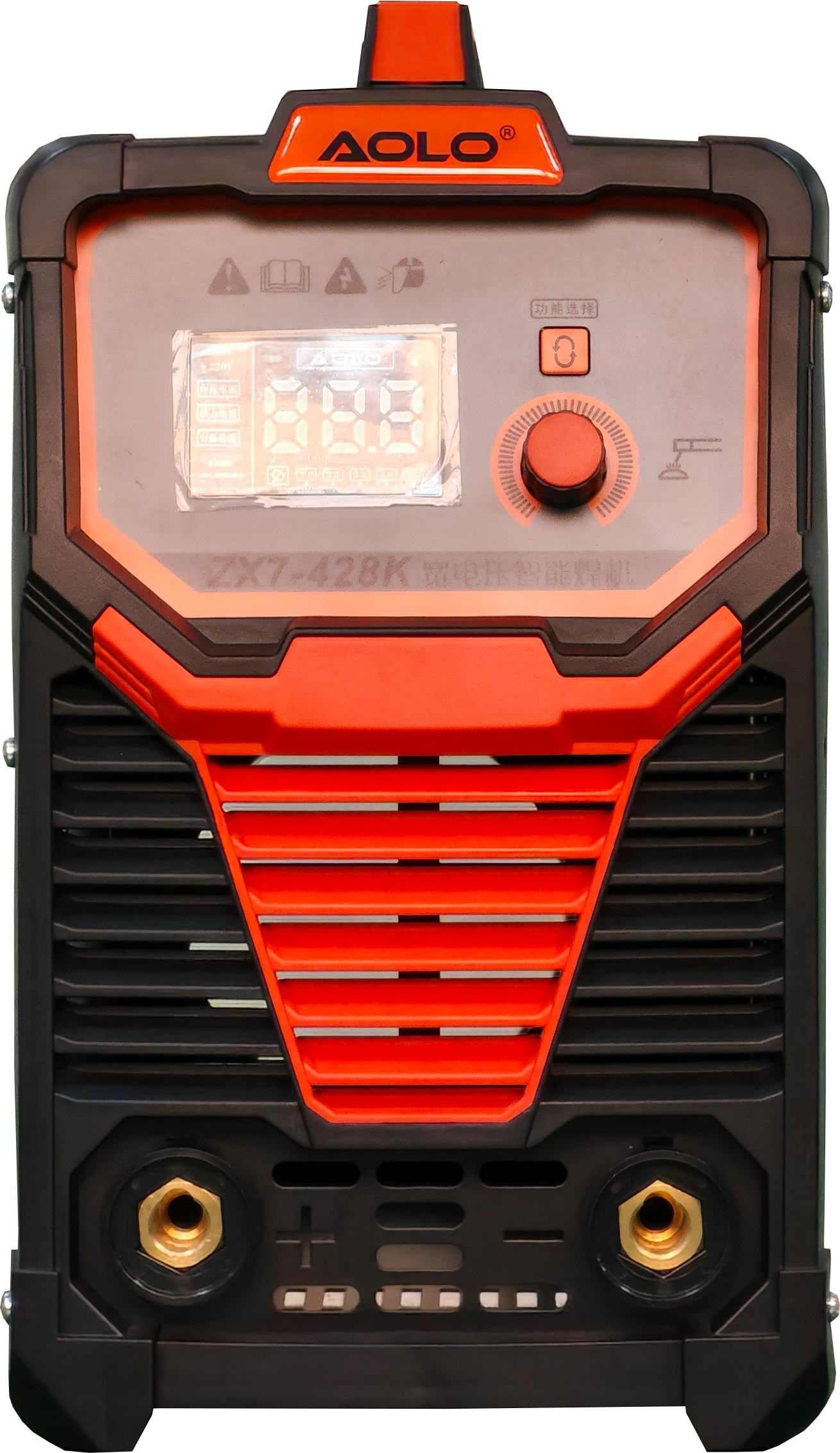
1、Small size, light weight, easy to carry, suitable for home use or sm...
See Details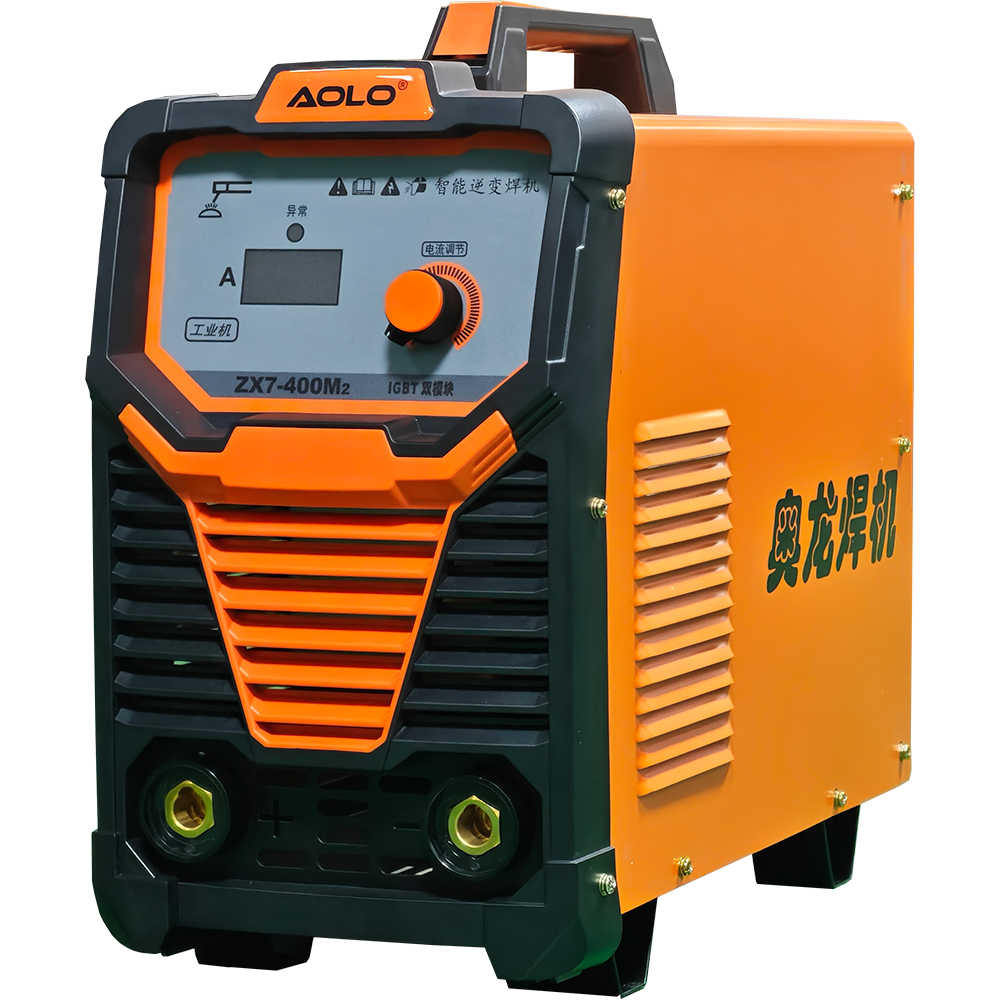
1、It can weld electrodes with a diameter of 5mm. 2、Fast arc starting, ...
See Details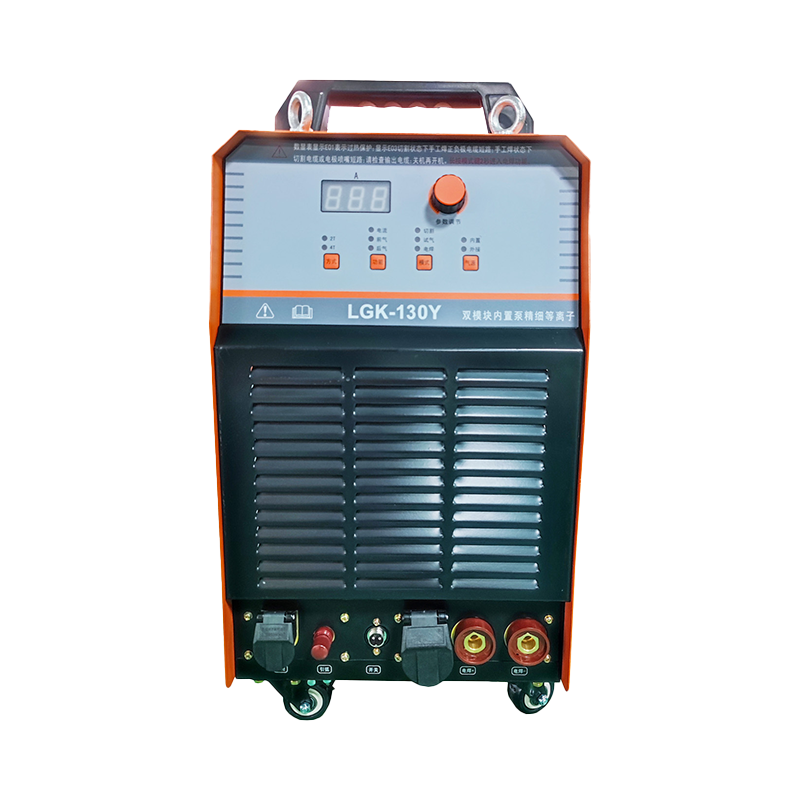
1、The arc energy is concentrated and stable, the cutting force is stro...
See Details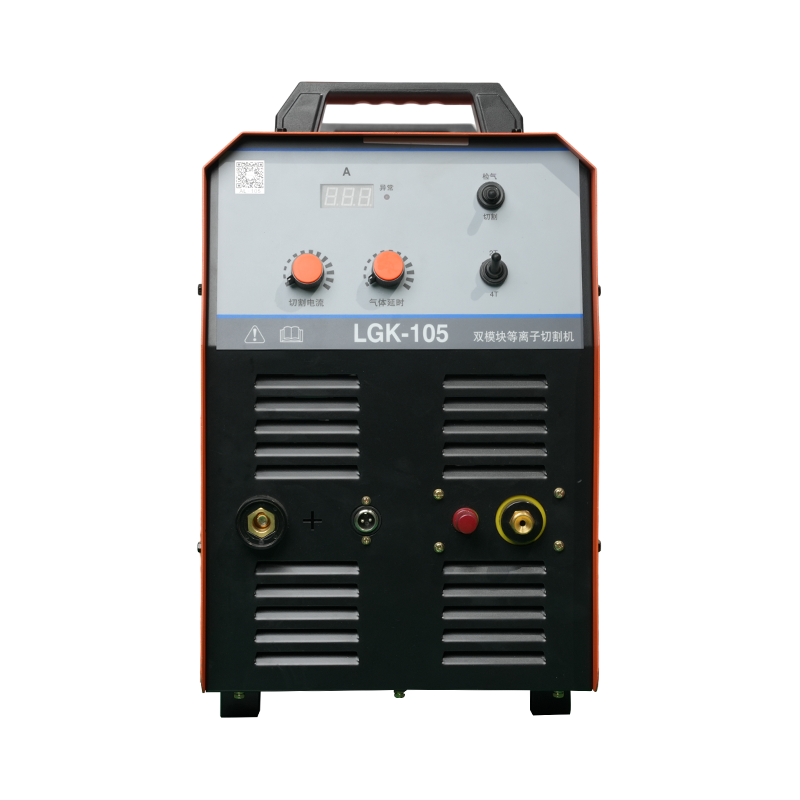
1、External air pump plasma cutting machine makes the whole machine lig...
See Details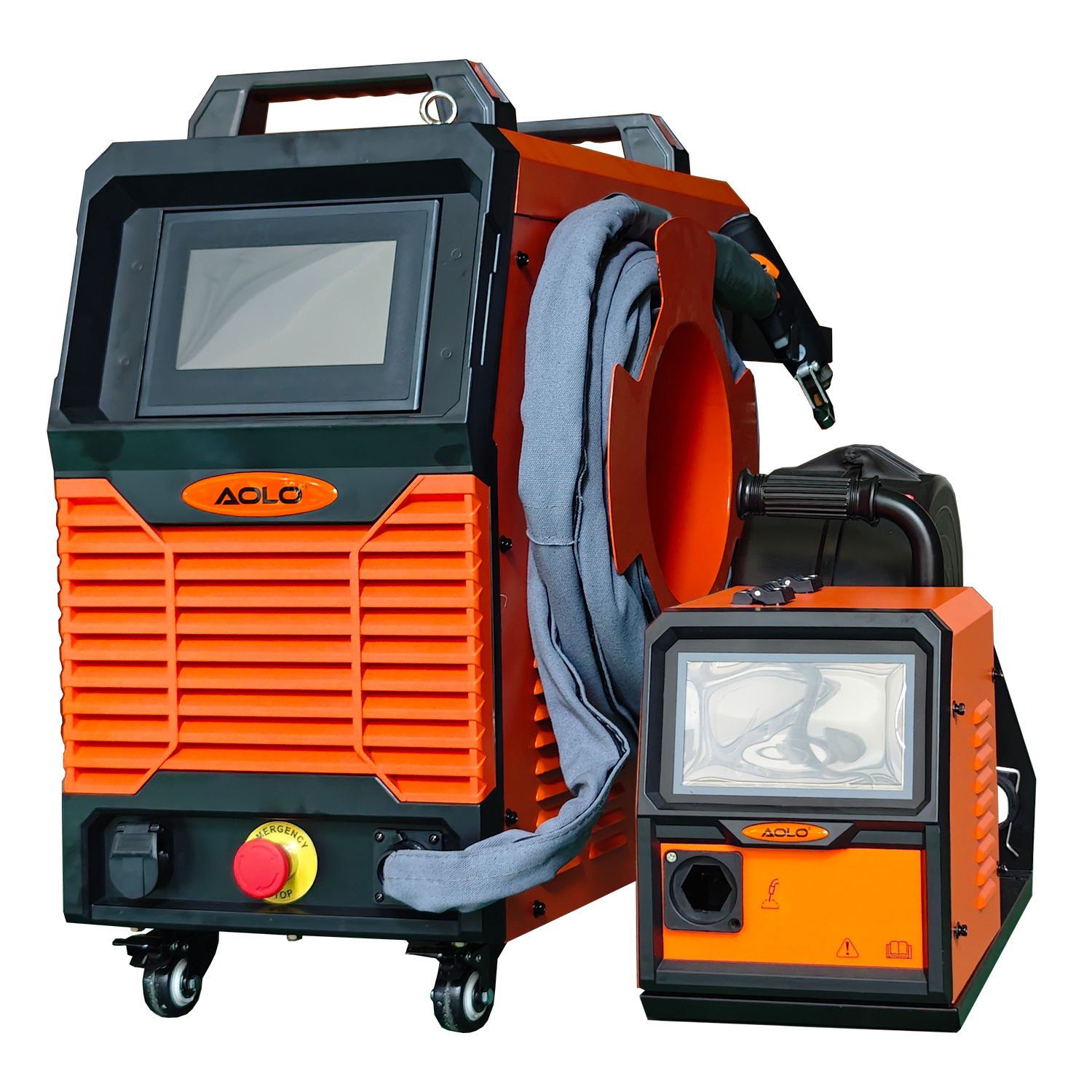
1、Air-cooled laser welding machine is smaller than water-cooled laser ...
See Details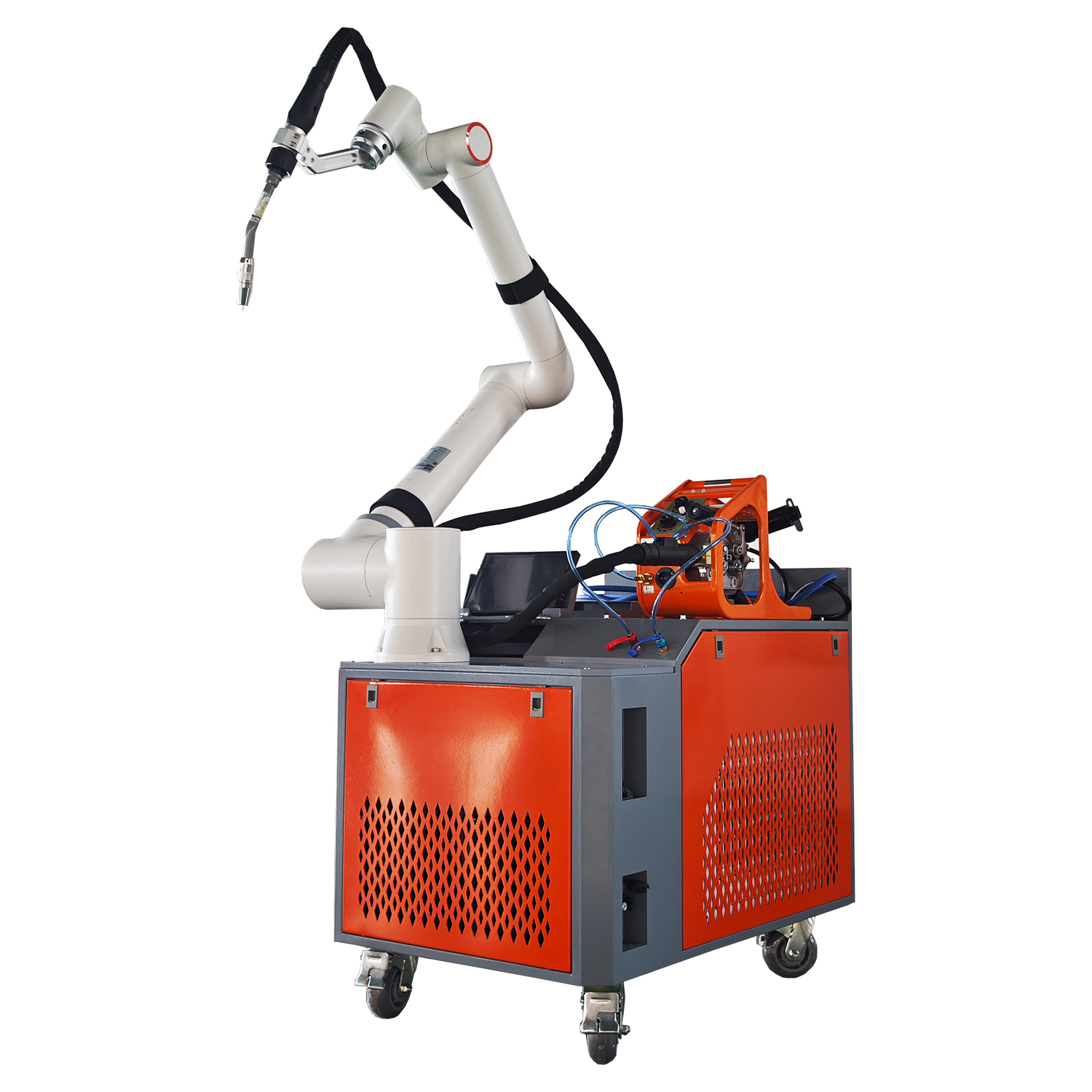
1. The welding machine communicates with the control pad, and all para...
See DetailsRequest for a call today


Tel: 4000707018

E-mail: aolohj@163.com

Add: Factory Building No. 5, Phase II, Pioneer Park, Economic Development Zone, Taizhou City, Jiangsu Province, China.
Copyright 2023 Jiangsu Aolong Electric Technology Co., Ltd. All Rights Reserved.
 Privacy Policy Industrial Welding Machine Manufacturers


Contact Us