Introduction to Robot Welding
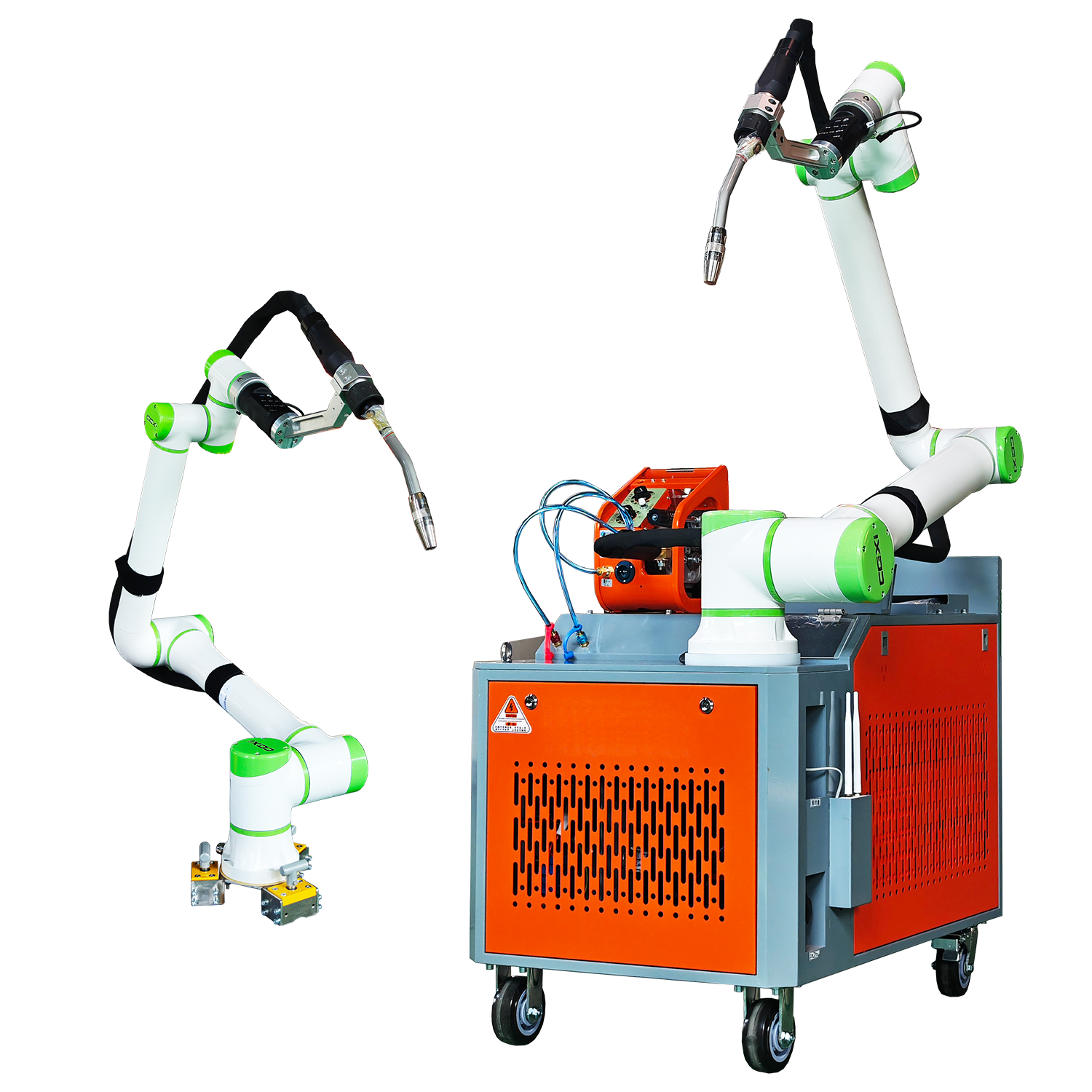
Robot welding has become a transformative technology in modern manufacturing. By automating the welding process, industries can achieve higher precision, consistent quality, and reduced dependency on manual labor. Labor-intensive welding tasks often involve repetitive motions and exposure to hazardous conditions, leading to both high costs and human error.
This article examines how robot welding reduces labor costs and minimizes errors, exploring technology, operational benefits, implementation strategies, and its impact on production efficiency and workplace safety.
Labor Cost Reduction Through Automation
Manual welding requires skilled labor, which is costly due to training, wages, and long-term employment commitments. Robot welding systems replace or complement human operators, performing repetitive tasks consistently without fatigue. This allows manufacturers to reduce the number of highly specialized welders required on the production line.
The return on investment (ROI) for robot welding is often achieved within a few years, depending on production volume and complexity. By deploying robots, companies can reduce overtime costs, minimize recruitment expenses, and increase overall production capacity.
Flexible Deployment Across Production Lines
Modern robotic welding systems can be programmed for multiple welding tasks, allowing manufacturers to deploy fewer robots across different stations. This flexibility reduces labor requirements and optimizes production scheduling without compromising efficiency.
Minimizing Human Error in Welding
Human welders are prone to mistakes due to fatigue, distraction, or inconsistent technique. Even minor deviations can lead to defects, requiring rework or causing safety issues. Robot welding eliminates these variations by following programmed paths and maintaining precise heat and speed control, ensuring consistent weld quality.
Errors such as undercutting, porosity, or misalignment are minimized, reducing material waste and improving the overall efficiency of the production process. Automated systems also collect data for quality analysis, helping manufacturers identify and address issues proactively.
Technological Advances Supporting Error Reduction
Robot welding leverages advanced technologies such as sensors, vision systems, and AI-driven control algorithms. Sensors monitor weld seam geometry, heat input, and electrode positioning, making real-time adjustments to maintain high precision.
Vision-guided systems allow robots to adapt to minor variations in part placement, further reducing errors and eliminating the need for manual inspection at every stage. These innovations ensure uniform welds across high-volume production runs.
Impact on Production Efficiency
Robot welding not only reduces labor costs and errors but also improves overall production efficiency. Automated systems operate continuously with minimal downtime, unlike human operators who require breaks or are subject to fatigue-related slowdowns.
Cycle times are reduced, throughput increases, and production schedules become more predictable. Manufacturers can respond to higher demand without proportional increases in labor, maximizing profitability.
- Consistent welding quality across all units
- Reduced rework and material waste
- Shorter production cycles
- Lower dependency on skilled labor
Cost-Benefit Analysis
While initial investment in robot welding systems can be substantial, the long-term savings in labor costs and reduced errors justify the expenditure. Automated systems lower operational costs through reduced waste, fewer defects, and decreased need for overtime.
A comparison table illustrates typical labor savings and error reduction in a high-volume manufacturing setting:
| Metric |
Manual Welding |
Robot Welding |
Impact |
| Labor Cost per Unit |
$15 |
$6 |
60% Reduction |
| Defect Rate |
5% |
1% |
80% Reduction |
| Production Time per Unit |
20 min |
12 min |
40% Faster |
Workplace Safety Improvements
Robot welding reduces exposure to hazardous conditions such as fumes, heat, and ultraviolet light, protecting human operators from occupational injuries. By automating high-risk tasks, factories achieve a safer work environment while minimizing potential costs associated with accidents and health hazards.
Safety enhancements further contribute to cost savings by reducing insurance premiums, compensations, and downtime caused by workplace incidents.
Challenges and Considerations
Despite clear benefits, implementing robot welding requires upfront capital investment, staff training for robot programming, and ongoing maintenance. Smaller manufacturers may find initial costs challenging, but long-term benefits typically outweigh the hurdles.
Careful integration planning ensures seamless operation alongside human workers, maximizing efficiency and minimizing disruptions during transition periods.
Conclusion: Reducing Costs and Errors with Robot Welding
Robot welding significantly reduces labor costs and errors, providing consistent quality, higher efficiency, and improved safety. With advanced sensors, AI controls, and flexible deployment, these systems are transforming industrial manufacturing worldwide.
By carefully selecting and maintaining robot welding systems, manufacturers can achieve substantial long-term savings while enhancing production output and workplace safety, making robotic automation a strategic investment for modern factories.



 English
 中文简体
中文简体 Español
 русский






Contact Us