


 English
 中文简体
中文简体 Español
 русский
NBC-315Y 220V/380V 300A IGBT Inverter Portable welder Built-in wire feeder 2T/4T MIG/MAG(GMAW)
Cat:Gas shielded welding machine
1、The machine adopts a phase-shifted full-bridge inverter main circuit...
See DetailsContent
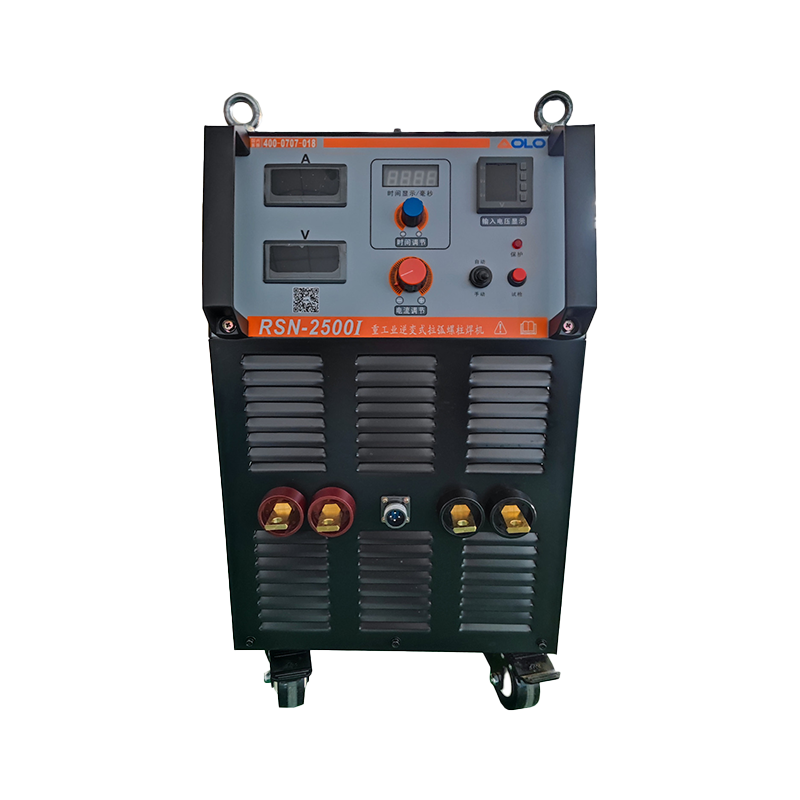
Stud welding machines are specialized tools designed to join metal studs or fasteners to a metal workpiece quickly and securely. Unlike traditional welding methods, stud welding machines create a high-strength connection without the need for nuts, bolts, or pre-drilled holes. This technology is widely used in manufacturing sectors where precision, efficiency, and durability are critical, such as automotive, construction, and shipbuilding industries.
Stud welding involves a process in which a metal stud is fused to a base metal using an electric arc. There are two main types of stud welding: arc stud welding and capacitor discharge (CD) stud welding. Understanding these principles is crucial for selecting the right machine and achieving optimal results.
Arc stud welding uses a high-current arc to melt the end of a stud and a portion of the base metal. The stud is then pressed into the molten pool, forming a strong metallurgical bond. This method is ideal for heavier studs and thicker base materials, offering excellent strength and structural integrity.
CD stud welding delivers a high-intensity pulse of electrical energy to weld the stud to the base metal almost instantaneously. This technique works best for small-diameter studs and thin materials, producing minimal heat and distortion. CD welding is commonly used for electronics, automotive panels, and appliance manufacturing.
A typical stud welding machine consists of several key components that work together to ensure precise and reliable welds. Understanding these components helps operators maintain performance and safety.
Stud welding machines are versatile tools with applications across multiple industries. Their ability to create secure and precise connections makes them invaluable for both structural and decorative components.
In construction, stud welding is widely used for attaching shear connectors, rebar studs, and framing components. The process improves structural integrity and reduces assembly time compared to mechanical fasteners.
Stud welding enables the attachment of various automotive parts, such as brackets, panels, and sensors, without deforming surrounding metal surfaces. High-speed production lines benefit from the efficiency and repeatability of stud welding machines.
Stud welding is essential in shipbuilding for attaching insulation fasteners, deck fittings, and structural supports. The strong metallurgical bond ensures durability under harsh marine conditions and heavy mechanical loads.
Stud welding machines offer numerous benefits over traditional fastening and welding methods, enhancing manufacturing efficiency and product quality.
Selecting the correct stud welding machine depends on material type, stud size, production volume, and application requirements. Factors to consider include:
Proper maintenance and adherence to safety protocols are essential for reliable stud welding operation. Key practices include:
| Aspect | Key Points |
| Welding Type | Arc welding for heavy studs, CD welding for thin materials |
| Materials | Steel, stainless steel, aluminum, alloys |
| Applications | Automotive, construction, shipbuilding, appliances |
| Advantages | Speed, precision, strength, minimal distortion |
| Maintenance | Regular inspection, clean equipment, follow PPE protocols |
| Machine Selection | Power, method, portability, automation, serviceability |
In conclusion, stud welding machines play a pivotal role in modern manufacturing by offering strong, precise, and efficient fastening solutions. Their versatility across industries, combined with speed and reliability, makes them essential tools for manufacturers aiming to enhance productivity and product quality.
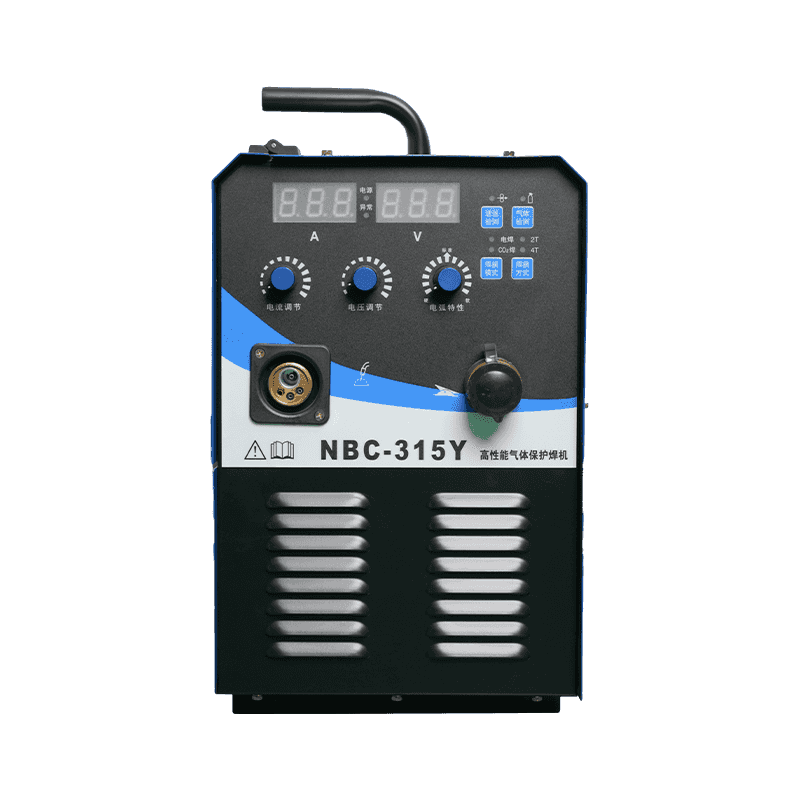
1、The machine adopts a phase-shifted full-bridge inverter main circuit...
See Details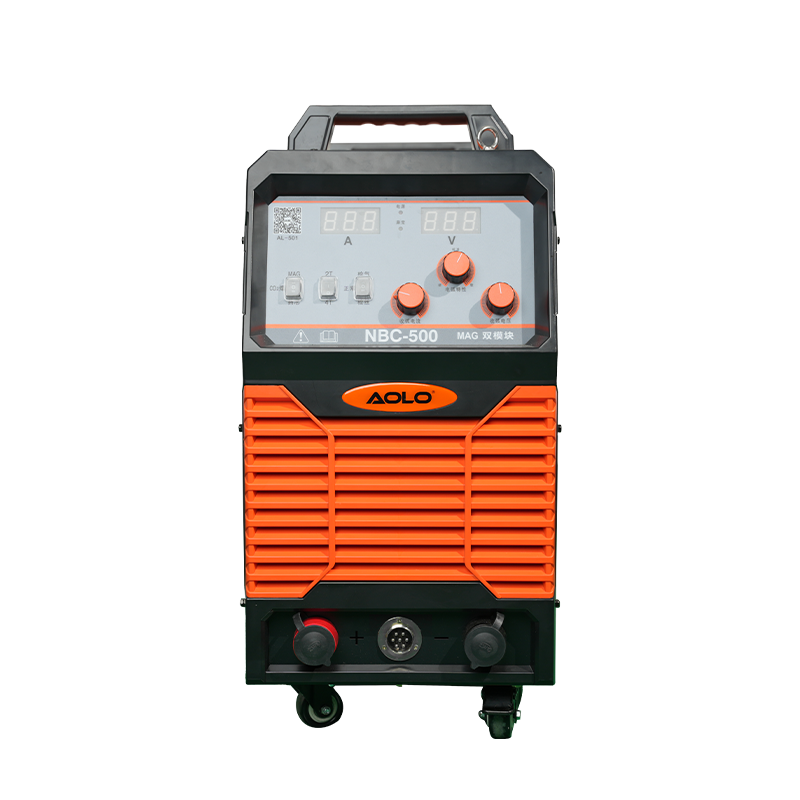
1、High load rate, stable output current for long-term welding. 2、MIG w...
See Details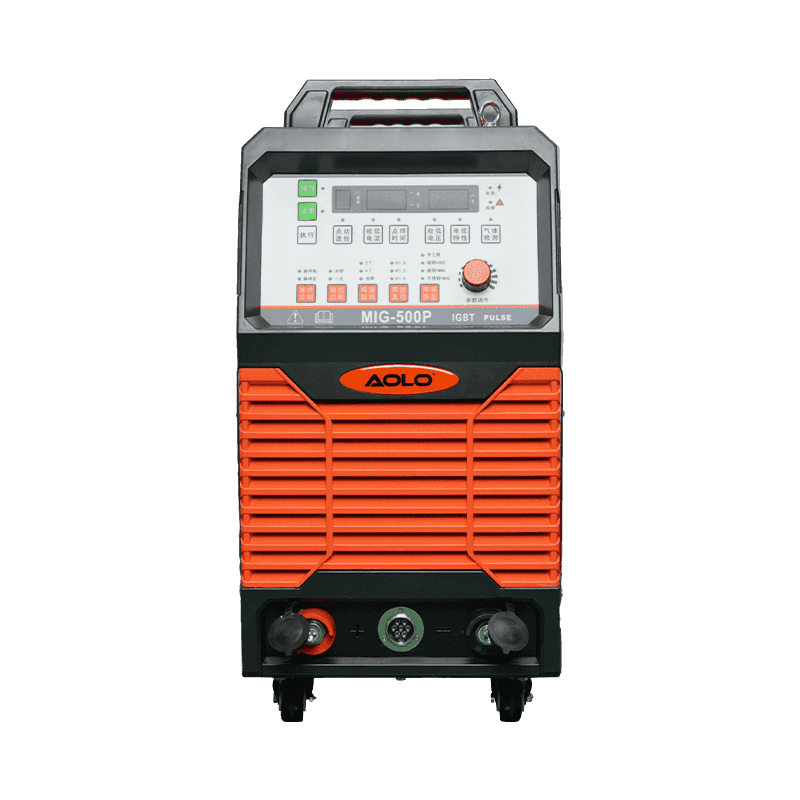
1、Rich functions, button selection facilitates parameter adjustment 2、...
See Details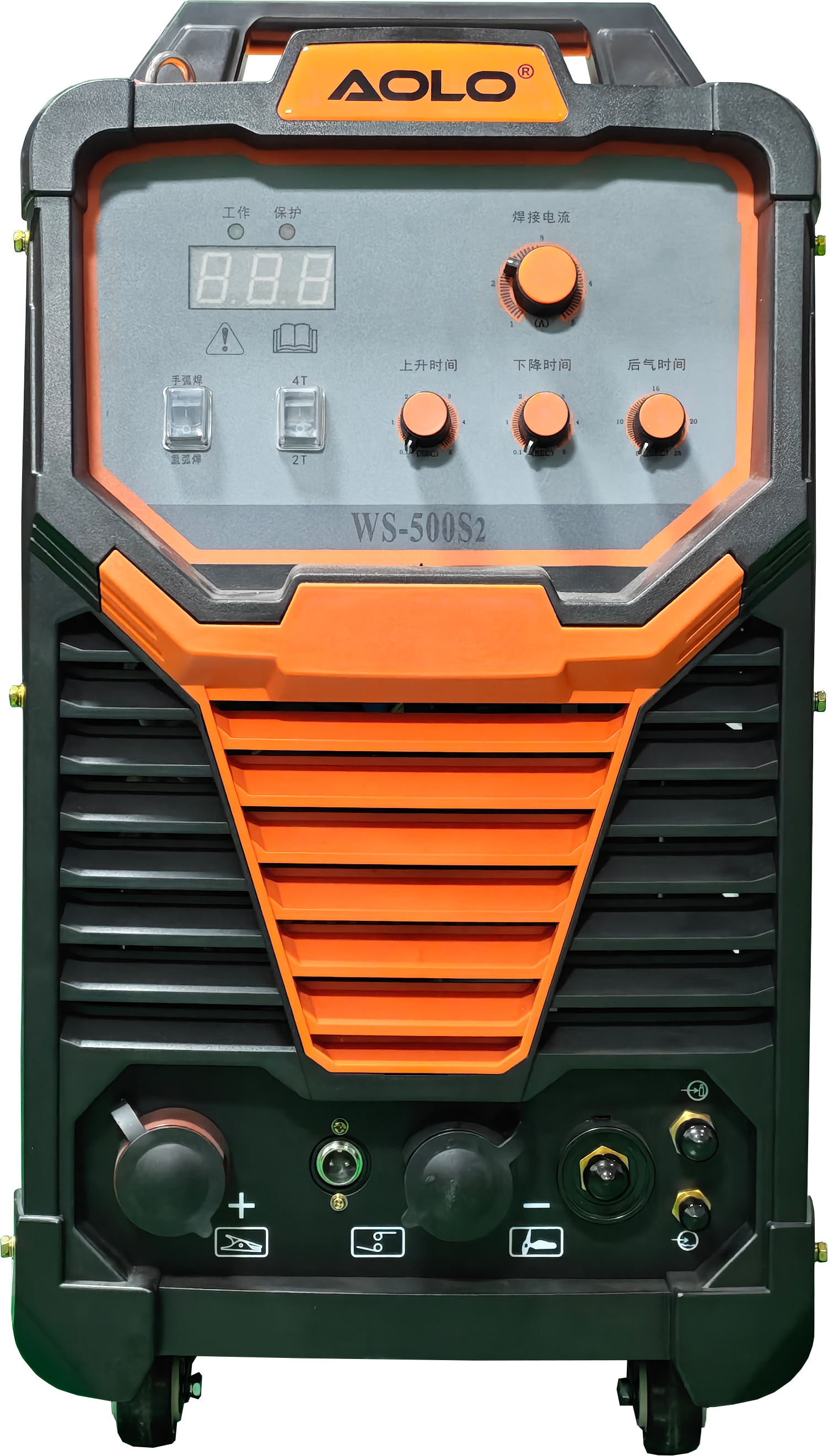
1、Easy arc starting, stable welding current, fast dynamic response spe...
See Details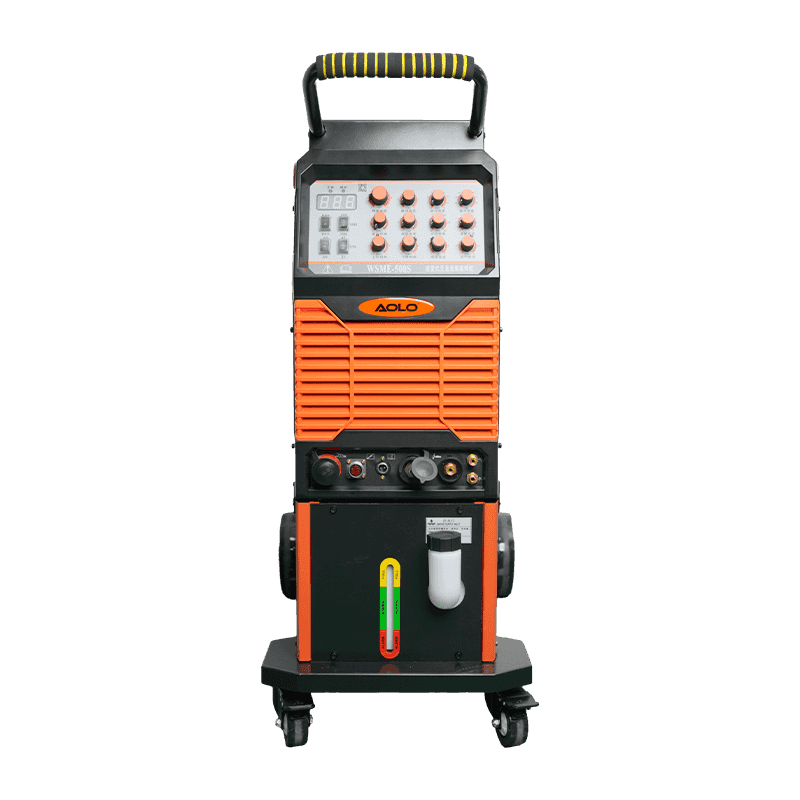
1、Heavy-duty industrial argon arc welding machine with rich parameter ...
See Details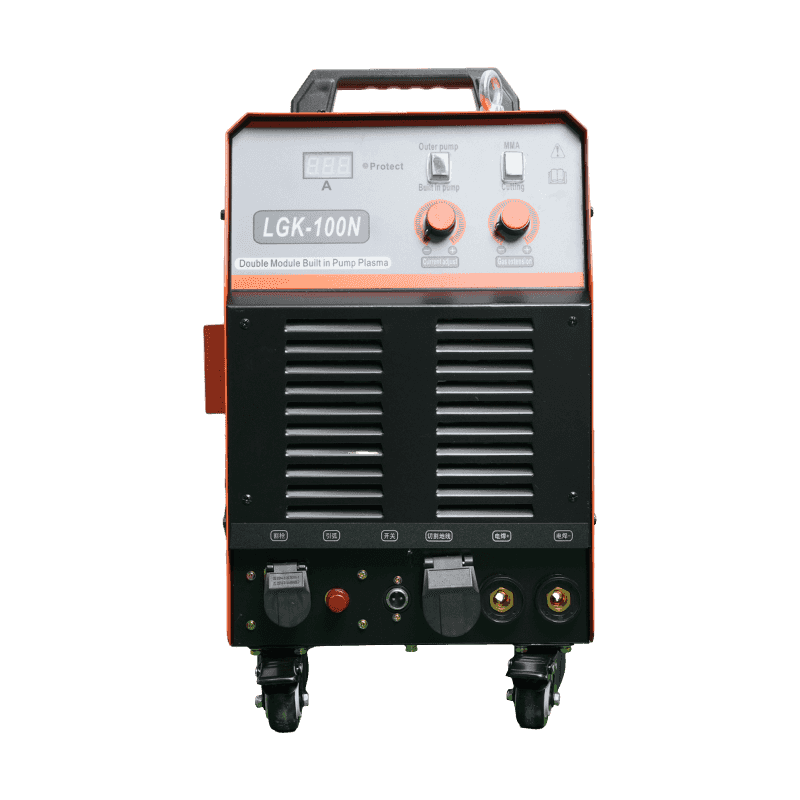
1、There are two modes of compressed air source, either a built-in air ...
See Details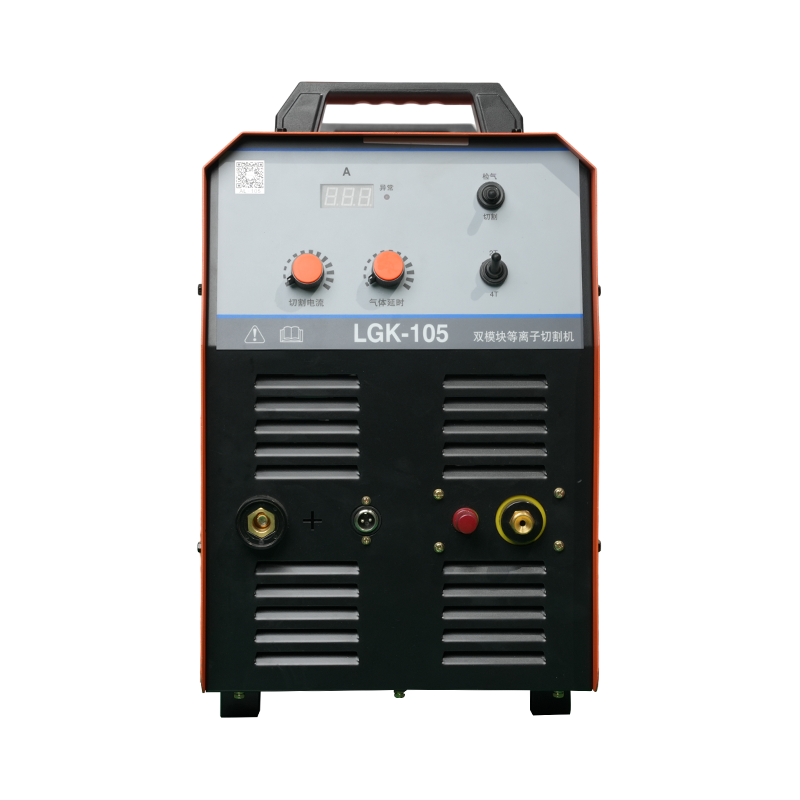
1、External air pump plasma cutting machine makes the whole machine lig...
See Details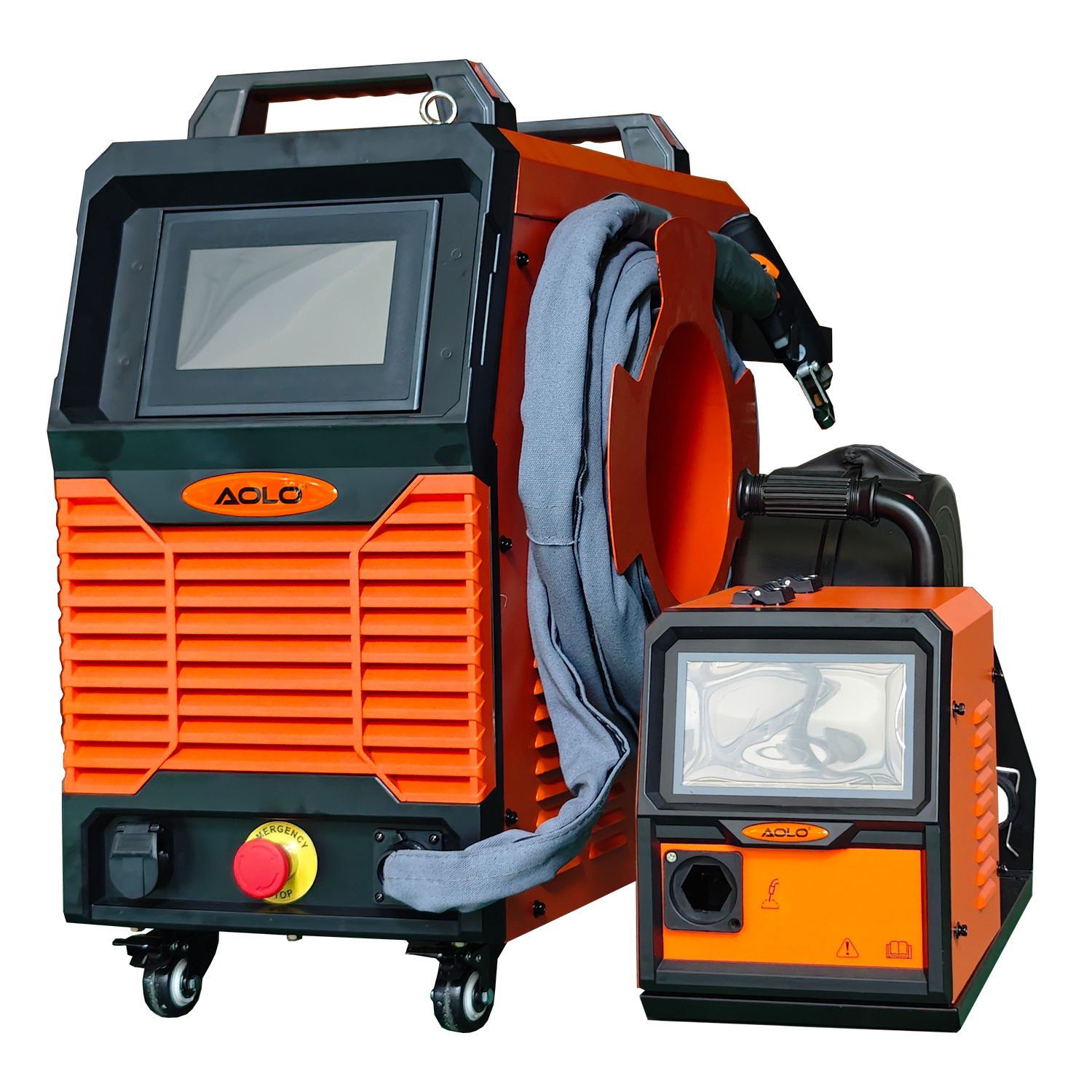
1、Air-cooled laser welding machine is smaller than water-cooled laser ...
See Details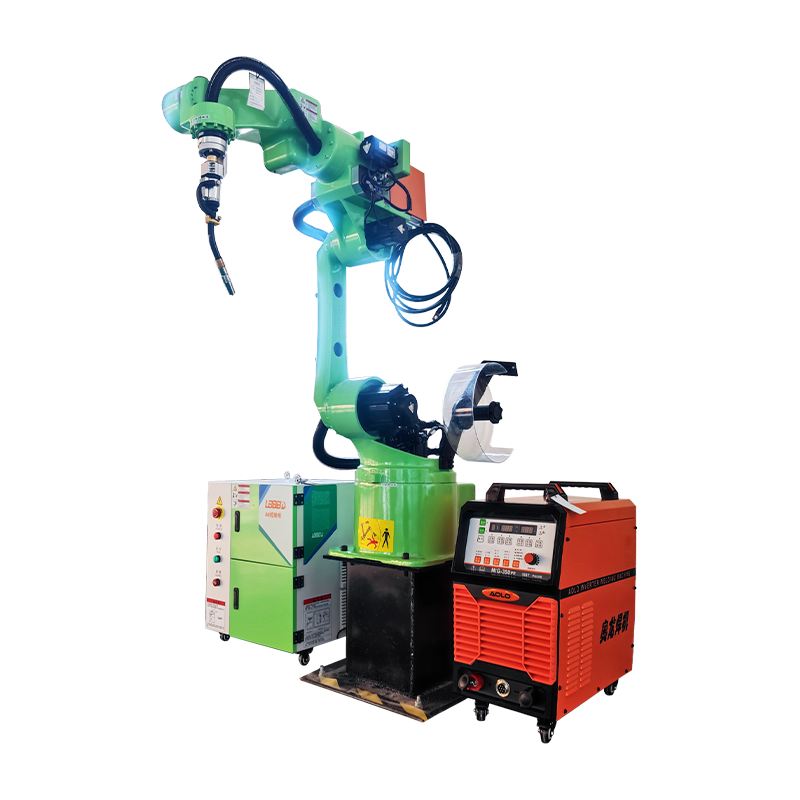
1、The robotic arm can be equipped with a gas shielded welding machine ...
See Details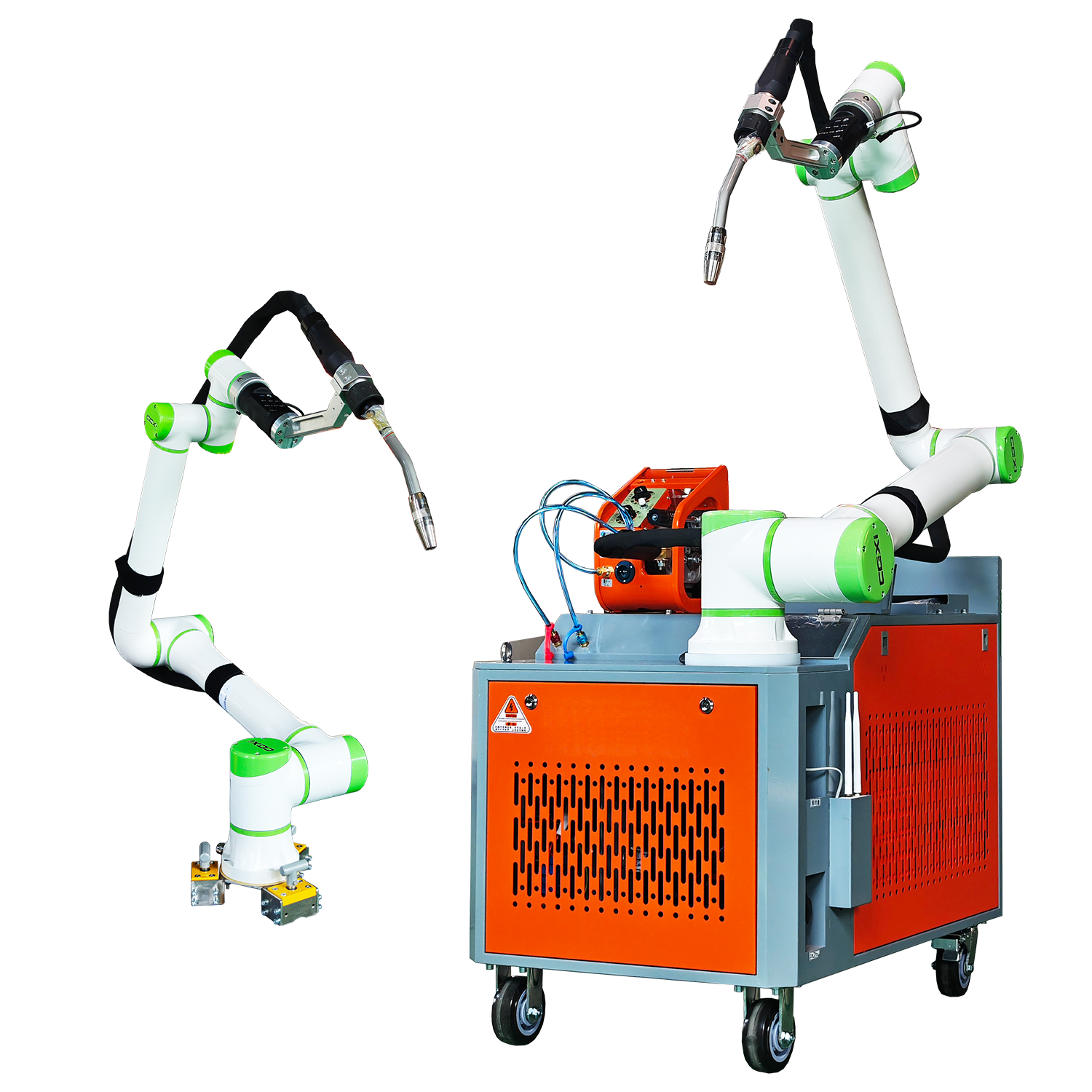
1. The welding machine communicates with the control pad, and all para...
See DetailsRequest for a call today


Tel: 4000707018

E-mail: aolohj@163.com

Add: Factory Building No. 5, Phase II, Pioneer Park, Economic Development Zone, Taizhou City, Jiangsu Province, China.
Copyright 2023 Jiangsu Aolong Electric Technology Co., Ltd. All Rights Reserved.
 Privacy Policy Industrial Welding Machine Manufacturers


Contact Us