


 English
 中文简体
中文简体 Español
 русский
NBC-315Y 220V/380V 300A IGBT Inverter Portable welder Built-in wire feeder 2T/4T MIG/MAG(GMAW)
Cat:Gas shielded welding machine
1、The machine adopts a phase-shifted full-bridge inverter main circuit...
See DetailsStud welding machines are widely used in metal fabrication, construction, and industrial manufacturing for their ability to attach fasteners, studs, or threaded components to a variety of metal surfaces. While traditionally employed on medium to thick metals, many users wonder whether thin sheet metal can be safely and effectively welded using a stud welding machine. Understanding the capabilities, techniques, and considerations is crucial for both industrial and DIY applications.
Content
A stud welding machine works by joining a metal stud or fastener to a base metal surface through either arc stud welding or capacitor discharge (CD) stud welding. The process generally involves:
There are two main types of stud welding suitable for different materials and thicknesses:
Choosing the correct stud welding type is critical when working with thin sheet metal.
Welding thin sheet metal presents several challenges:
To weld thin metal safely, the welding process must be carefully controlled, including arc duration, stud size, and welding power.
CD stud welding is particularly suitable for thin sheet metal due to several features:
These properties make CD stud welding machines a reliable solution for thin sheet metal in automotive panels, appliance manufacturing, and electronics enclosures.
To successfully weld thin sheet metal using a stud welding machine, the following best practices should be followed:
Following these practices ensures strong, reliable welds without damaging the thin sheet metal.
Stud welding machines are widely used for thin sheet metal applications across various industries:
These applications highlight the versatility and precision of modern stud welding machines in working with delicate materials.
Despite their advantages, welding thin sheet metal with stud welding machines requires attention to:
Selecting the right machine and technique, combined with careful operation, mitigates these limitations.
Yes, stud welding machines can weld thin sheet metal effectively, especially when using capacitor discharge (CD) stud welding technology. By providing precise energy control, short weld duration, and minimal heat input, CD stud welding allows safe and reliable attachment of studs to thin sheets without burn-through, distortion, or weakening of the metal.
With proper machine selection, power adjustment, and best practices, stud welding machines are highly versatile tools for industries like automotive, electronics, appliance manufacturing, and architectural metalwork, providing strong, clean, and durable welds on thin sheet metal.
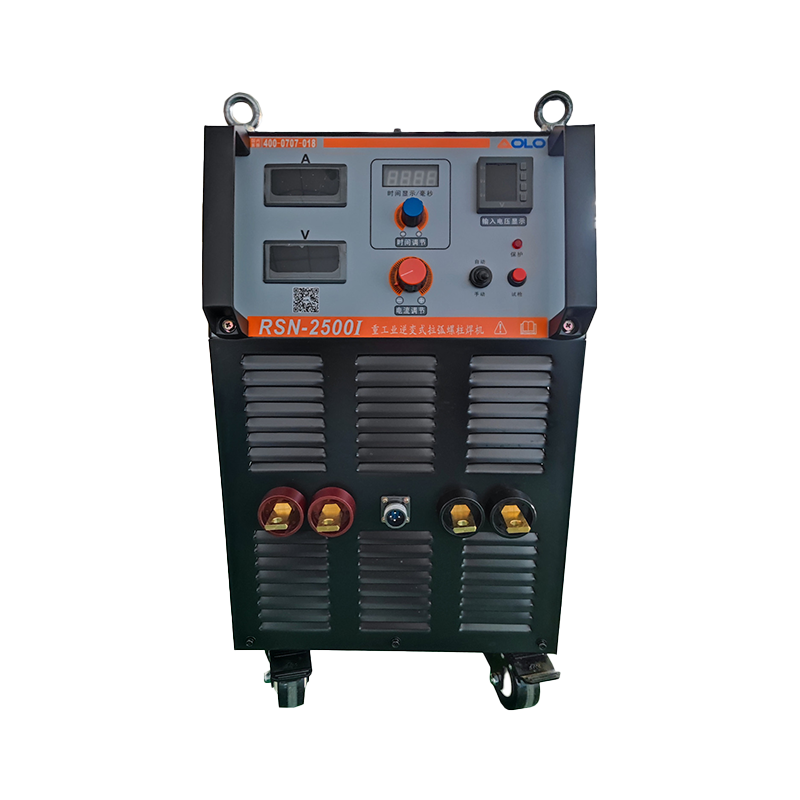
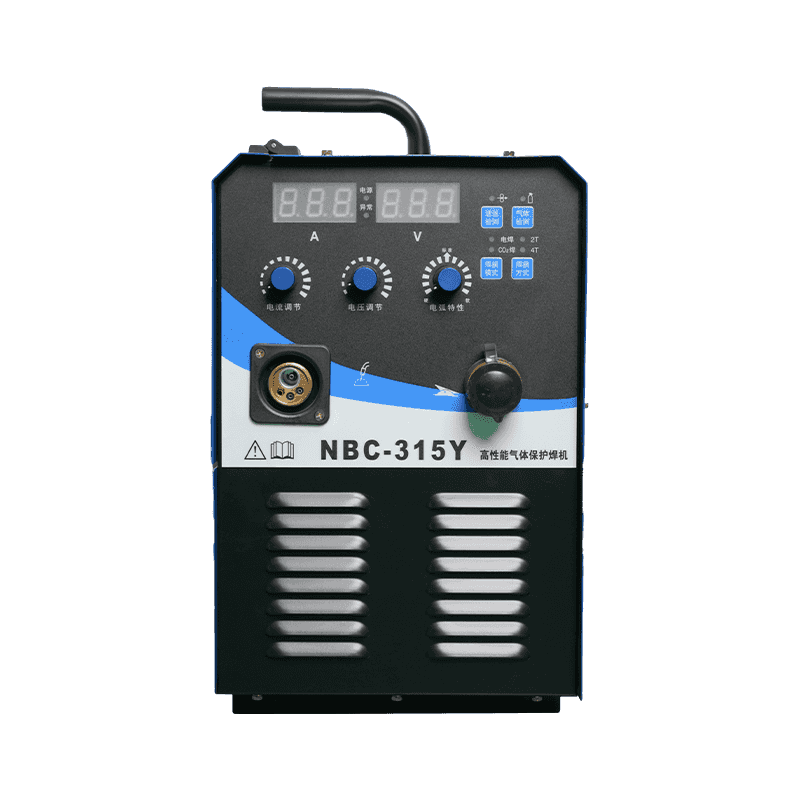
1、The machine adopts a phase-shifted full-bridge inverter main circuit...
See Details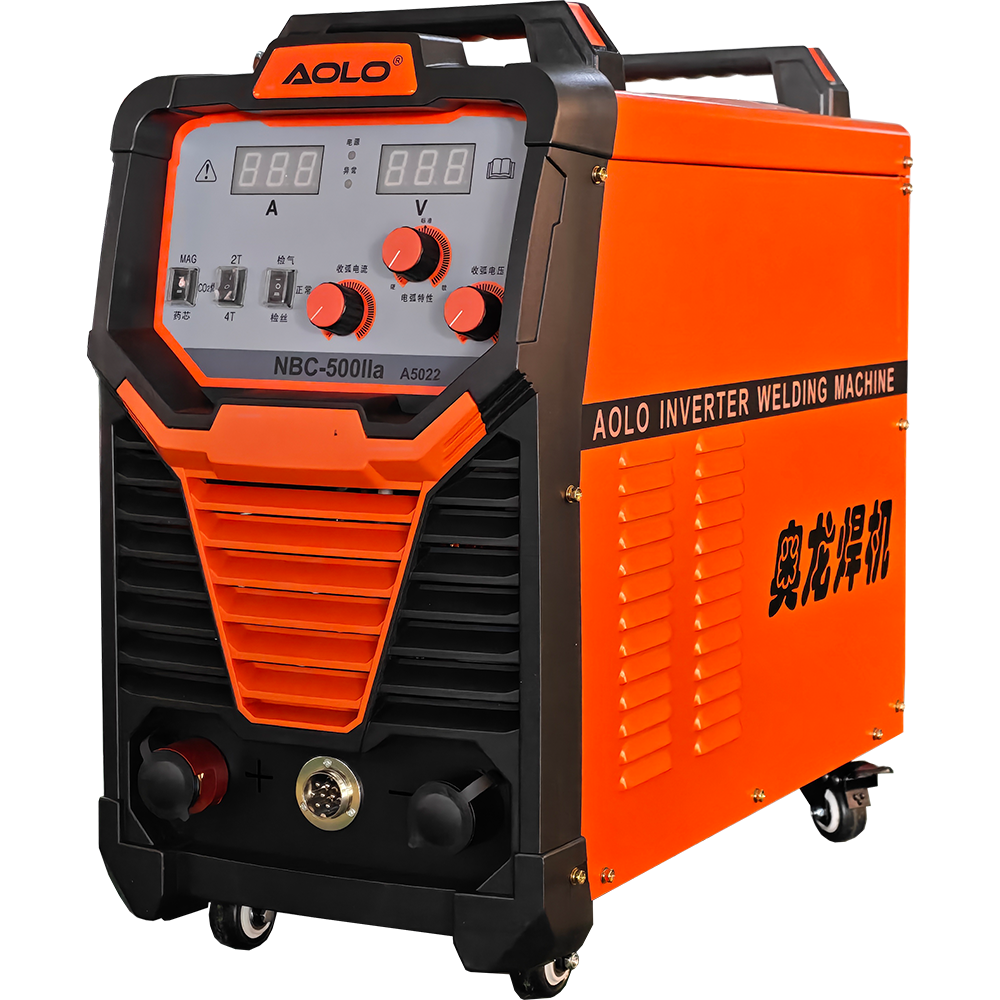
1、High-selling gas-shielded welder with a good price/performance ratio...
See Details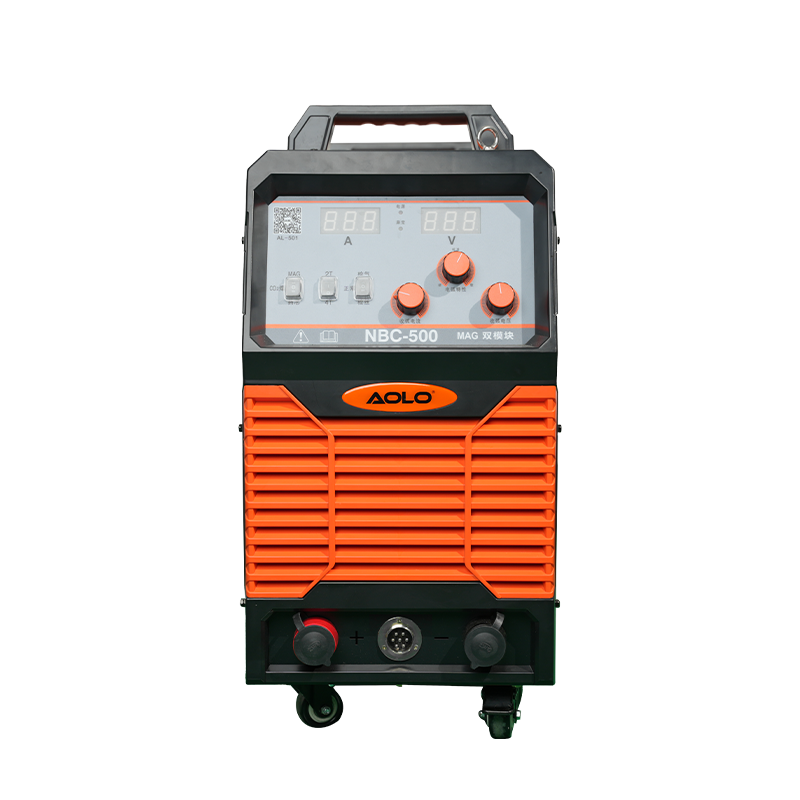
1、High load rate, stable output current for long-term welding. 2、MIG w...
See Details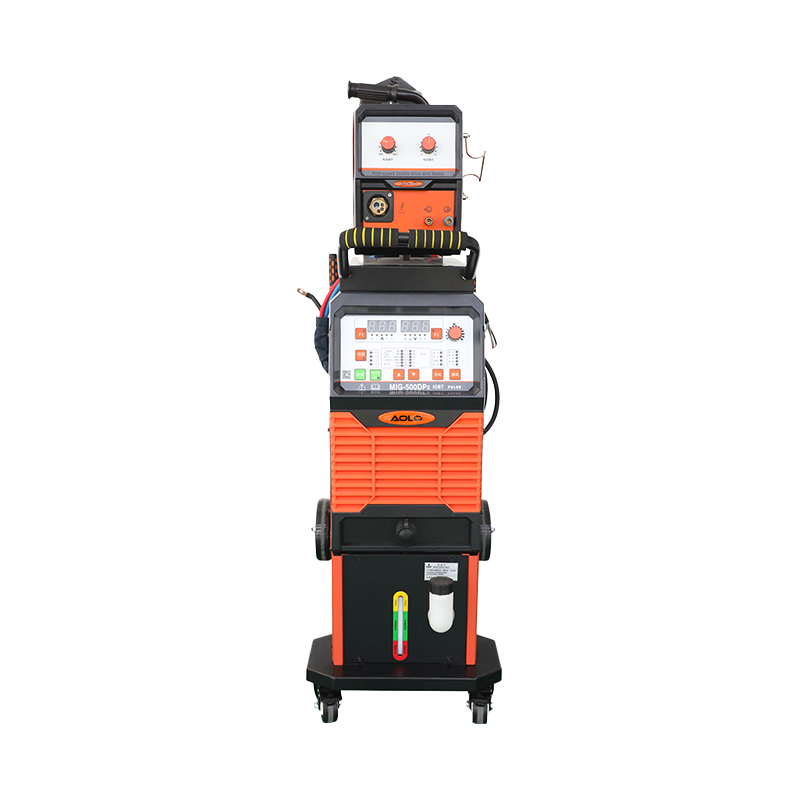
1、Manual argon arc welding with non-consumable electrode LIFTTIG; 2、Du...
See Details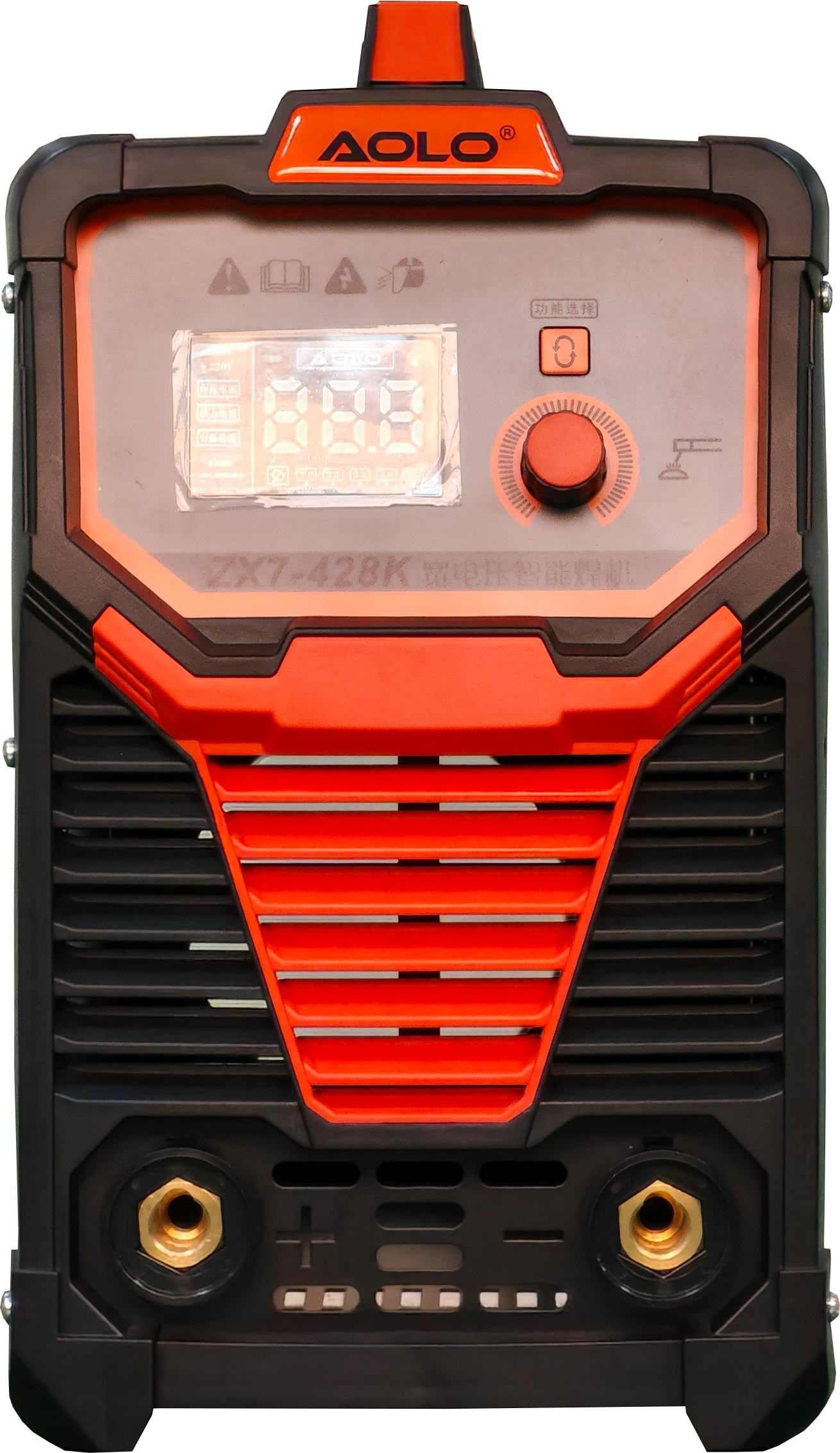
1、Small size, light weight, easy to carry, suitable for home use or sm...
See Details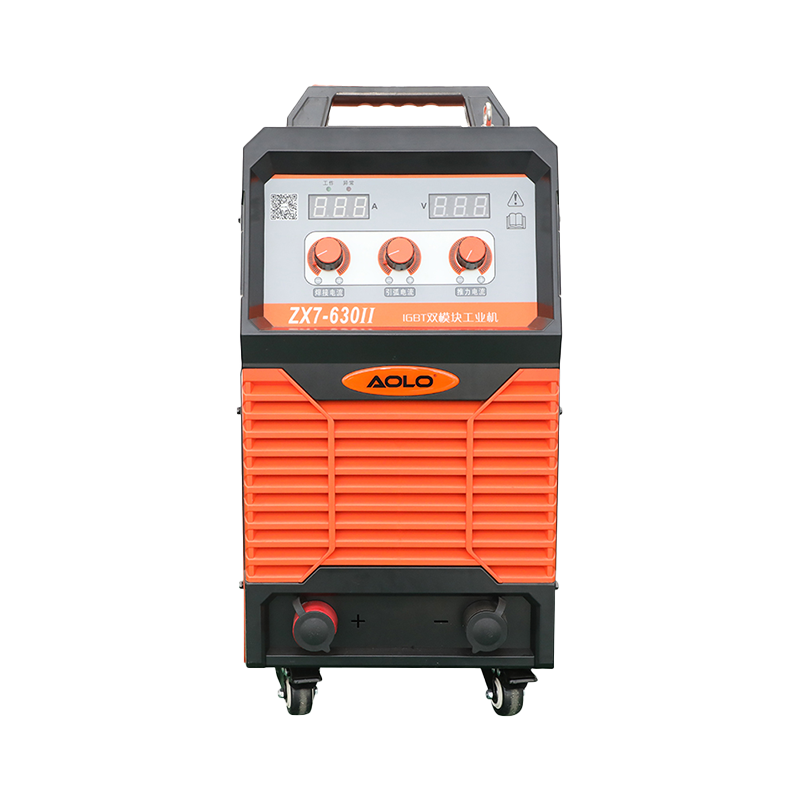
1、Heavy industrial manual welding machine, Can be used for carbon arc ...
See Details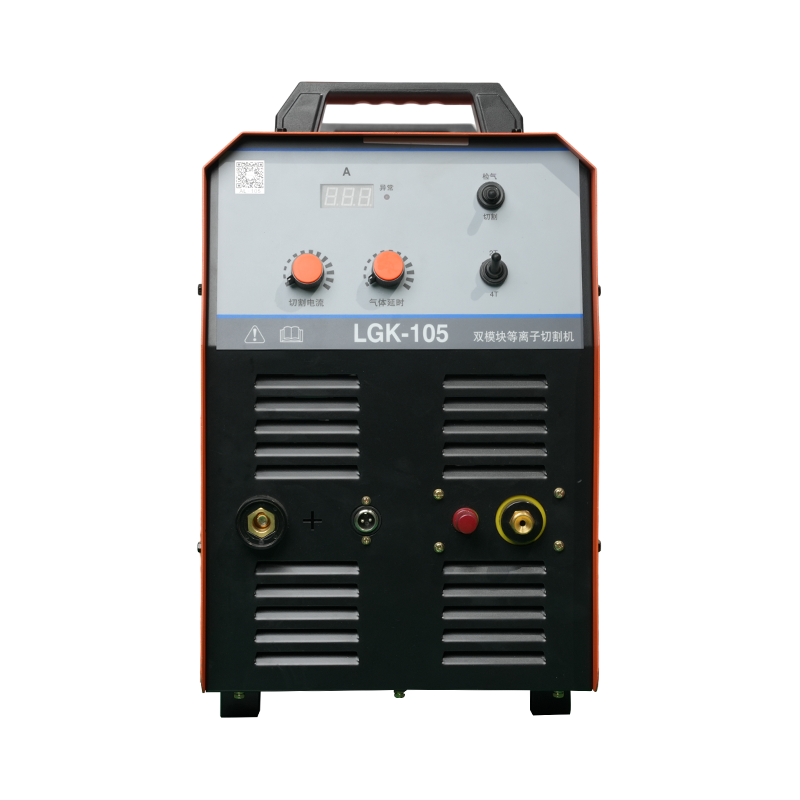
1、External air pump plasma cutting machine makes the whole machine lig...
See Details
1、Heavy duty industrial stud welding machine, suitable for ship constr...
See Details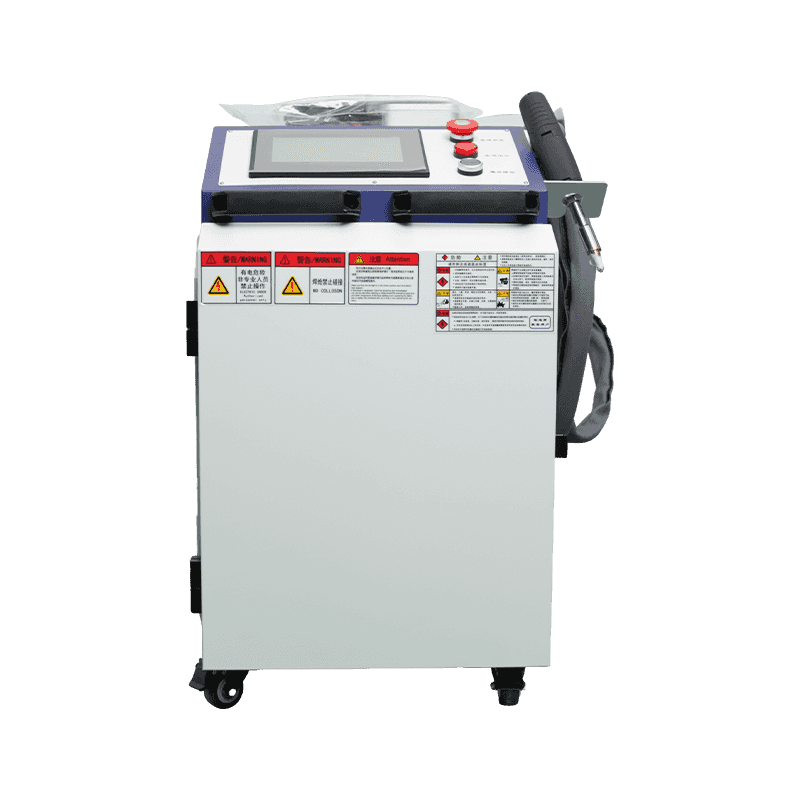
1、This is a 3 in 1 laser welding machine with welding, cleaning and cu...
See Details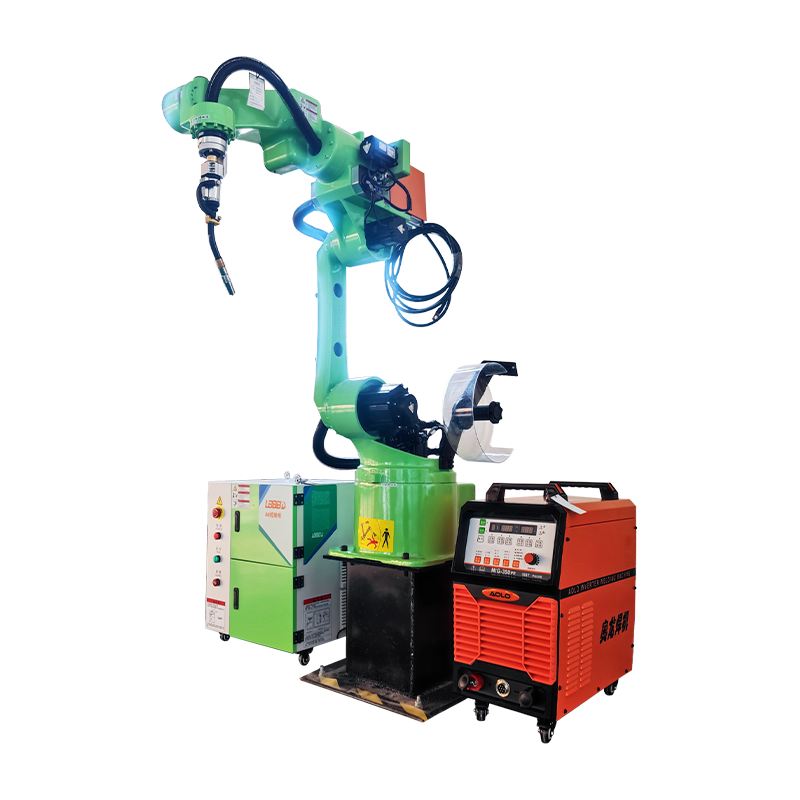
1、The robotic arm can be equipped with a gas shielded welding machine ...
See DetailsRequest for a call today


Tel: 4000707018

E-mail: aolohj@163.com

Add: Factory Building No. 5, Phase II, Pioneer Park, Economic Development Zone, Taizhou City, Jiangsu Province, China.
Copyright 2023 Jiangsu Aolong Electric Technology Co., Ltd. All Rights Reserved.
 Privacy Policy Industrial Welding Machine Manufacturers


Contact Us