


 English
 中文简体
中文简体 Español
 русский
NBC-315Y 220V/380V 300A IGBT Inverter Portable welder Built-in wire feeder 2T/4T MIG/MAG(GMAW)
Cat:Gas shielded welding machine
1、The machine adopts a phase-shifted full-bridge inverter main circuit...
See DetailsArgon arc welding machines, also known as TIG (Tungsten Inert Gas) welding machines, are widely used in industries requiring precise, high-quality welds. They are ideal for welding stainless steel, aluminum, and other non-ferrous metals. While these machines offer excellent control and clean welds, a common question arises among operators and maintenance personnel: Is an argon arc welding machine troublesome to maintain? The answer is nuanced—it depends on the machine’s design, usage, and maintenance practices.
Content
An argon arc welding machine uses a non-consumable tungsten electrode to produce the weld. An inert gas, usually argon, shields the weld area from atmospheric contamination, ensuring a clean and strong joint. Unlike simpler welding machines, argon arc welders have multiple components that require careful monitoring, including:
Because of these components, maintenance may seem more complex than other welding methods, but understanding each part’s role simplifies the process.
Tungsten Electrode Care
The tungsten electrode must be regularly inspected and sharpened to maintain proper arc stability. Contaminated or rounded electrodes can produce inconsistent welds, spatter, and defects. Replacing worn electrodes is straightforward, but regular checks are essential.
Gas Flow System
Argon gas flow must remain steady and clean. Regulators, hoses, and connections should be checked frequently for leaks or blockages. A malfunctioning gas system can lead to porosity in welds, which compromises quality.
Torch Maintenance
The torch, including the nozzle and collet, needs regular cleaning. Spatter buildup can reduce gas coverage and affect weld appearance. For water-cooled torches, checking coolant levels and ensuring hoses are intact is crucial.
Power Supply and Controls
The machine’s power source and electronic controls require periodic inspection. Loose connections, damaged cables, or worn switches can cause operational issues or safety hazards. Ensuring the machine is powered down and unplugged during inspection is essential.
Cooling System
Some argon arc machines feature integrated cooling systems. Maintaining proper coolant levels, inspecting hoses, and ensuring fans are operational helps prevent overheating and prolongs machine lifespan.
Although argon arc welding machines may seem complex, following proper maintenance routines keeps them reliable and reduces the chance of costly repairs:
Argon arc welding machines offer benefits that outweigh their maintenance requirements:
While maintenance may be more detailed than simpler welding machines, these benefits justify the effort. Regular care also prevents downtime and costly repairs.
Some users believe that argon arc welding machines are “troublesome” because of the multiple components involved. In reality, routine maintenance is straightforward once operators understand the machine. With consistent care, most tasks take only a few minutes, such as checking gas connections, cleaning the torch, or sharpening the electrode. The perception of difficulty often arises from neglect or lack of familiarity rather than the machine’s inherent complexity.
So, is an argon arc welding machine troublesome to maintain? Not necessarily. While these machines require more attention than simpler welding types, the maintenance tasks are manageable, straightforward, and predictable. By following a regular maintenance schedule, keeping components clean, and monitoring consumables like electrodes and gas supplies, operators can ensure consistent performance and longevity.
Ultimately, the precision, versatility, and high-quality welds provided by argon arc welding machines far outweigh the modest effort required for maintenance. With proper care, these machines remain reliable and efficient, making them a valuable investment for industrial, commercial, and even advanced hobbyist applications.
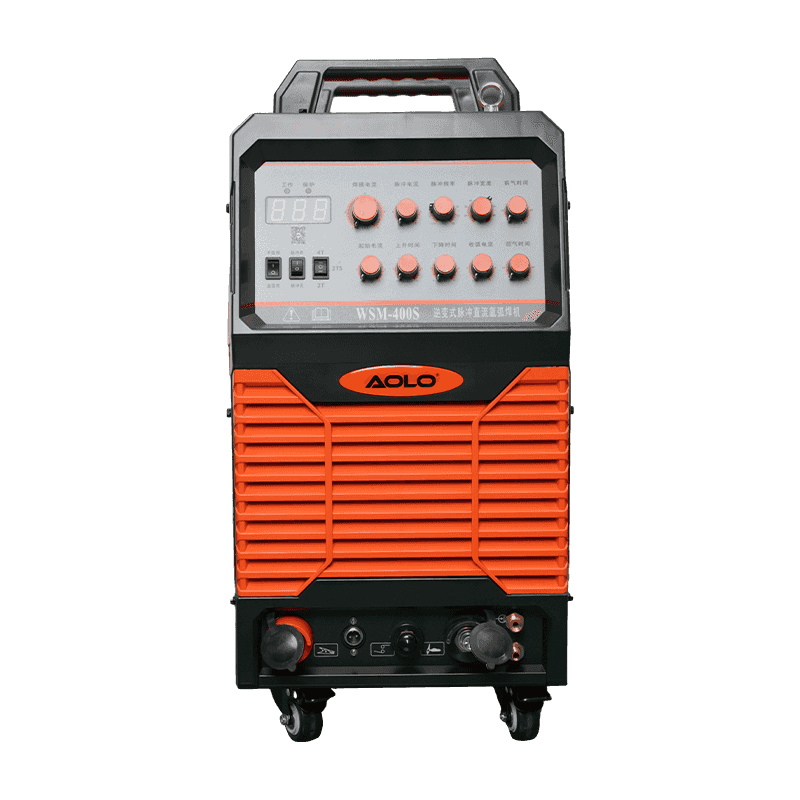
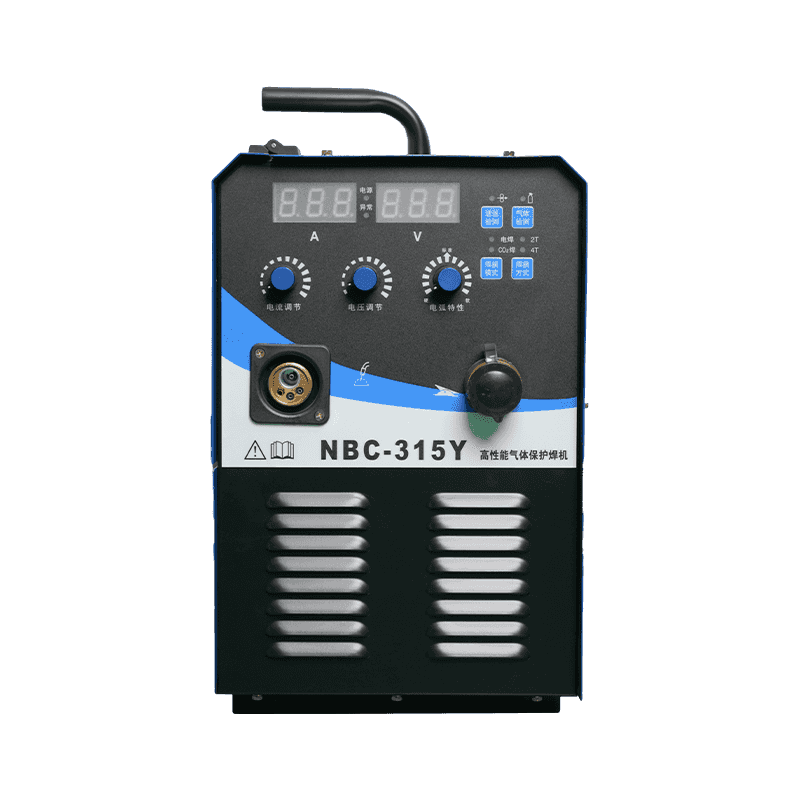
1、The machine adopts a phase-shifted full-bridge inverter main circuit...
See Details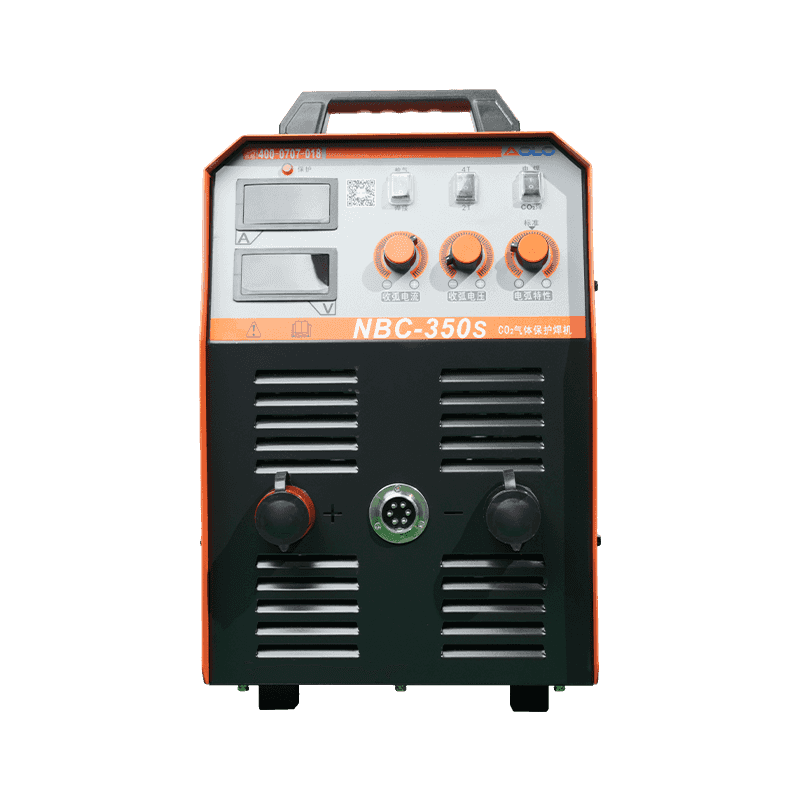
1、The welding machine is small and can be connected to a wire feeder. ...
See Details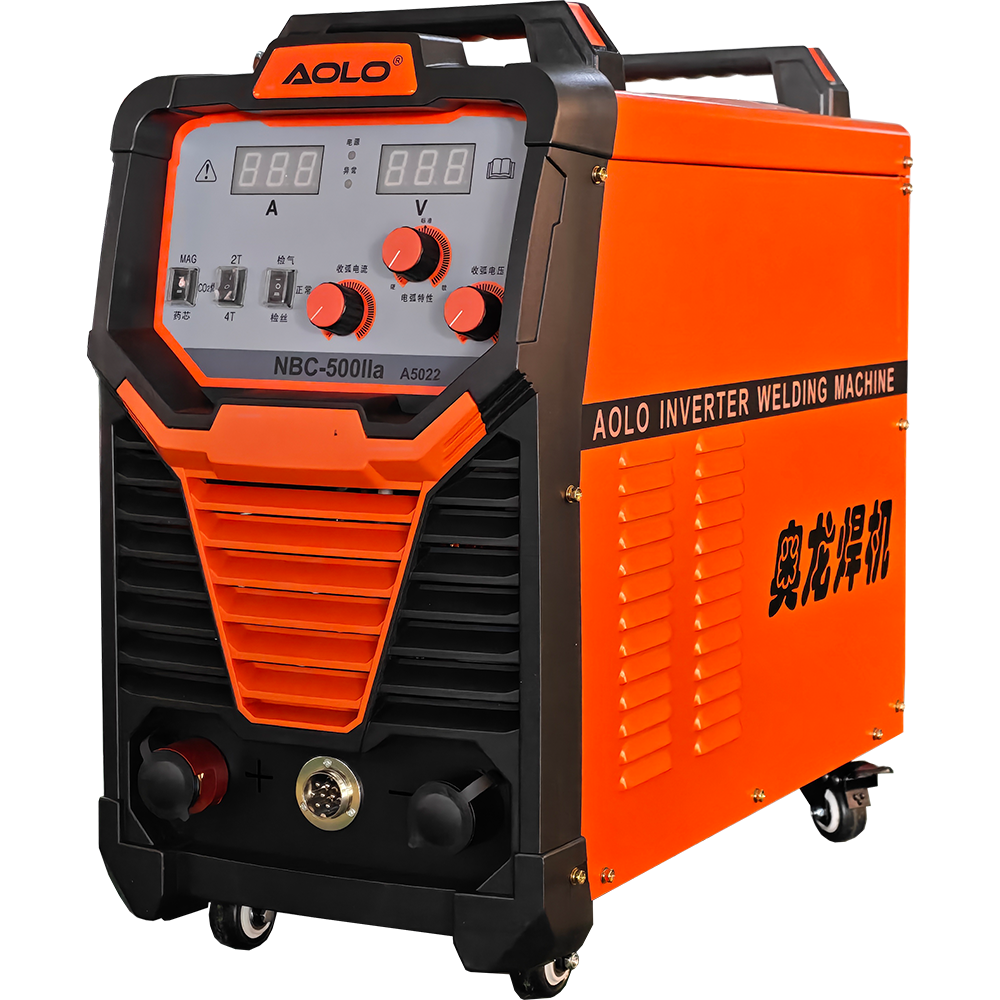
1、High-selling gas-shielded welder with a good price/performance ratio...
See Details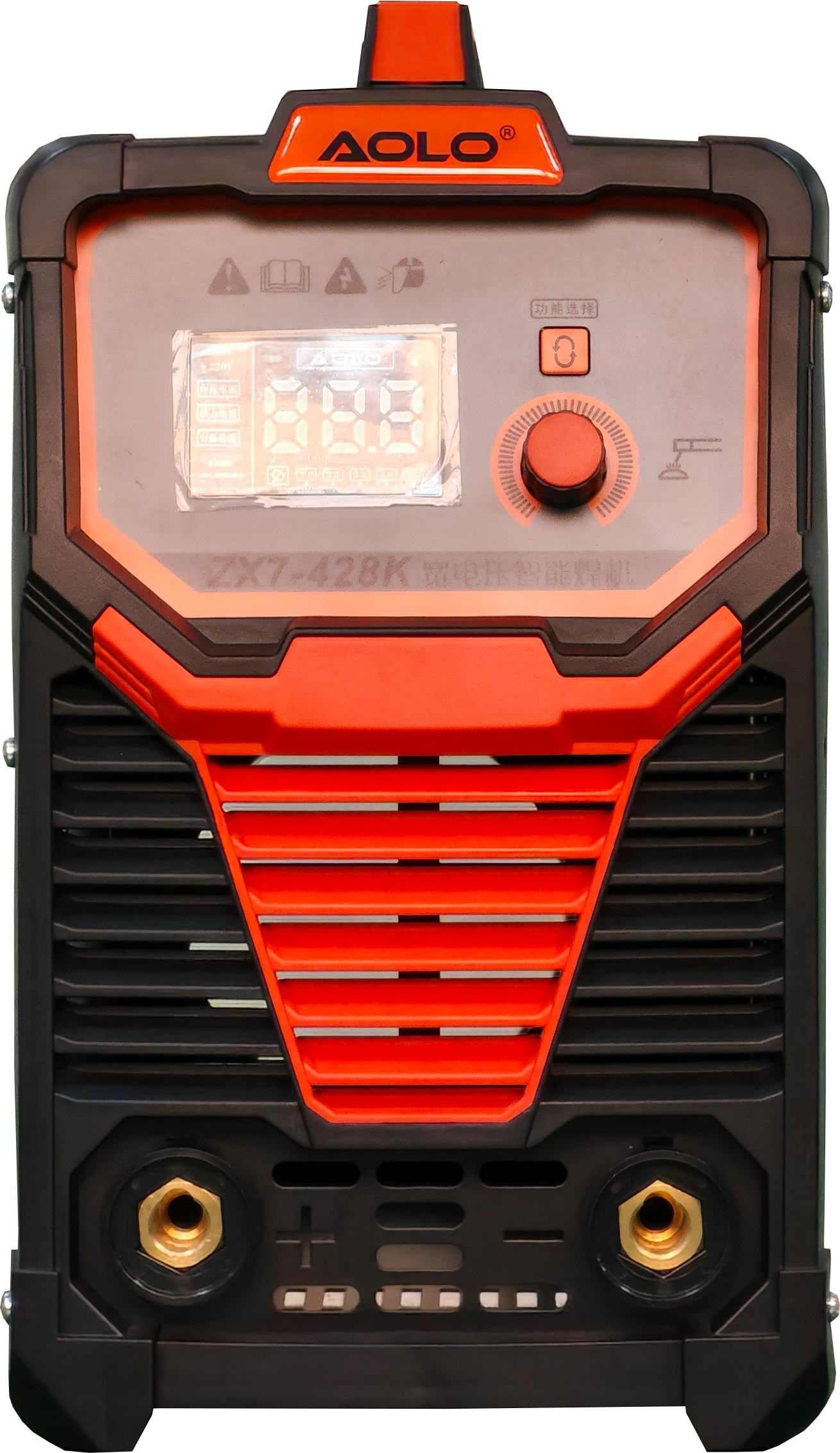
1、Small size, light weight, easy to carry, suitable for home use or sm...
See Details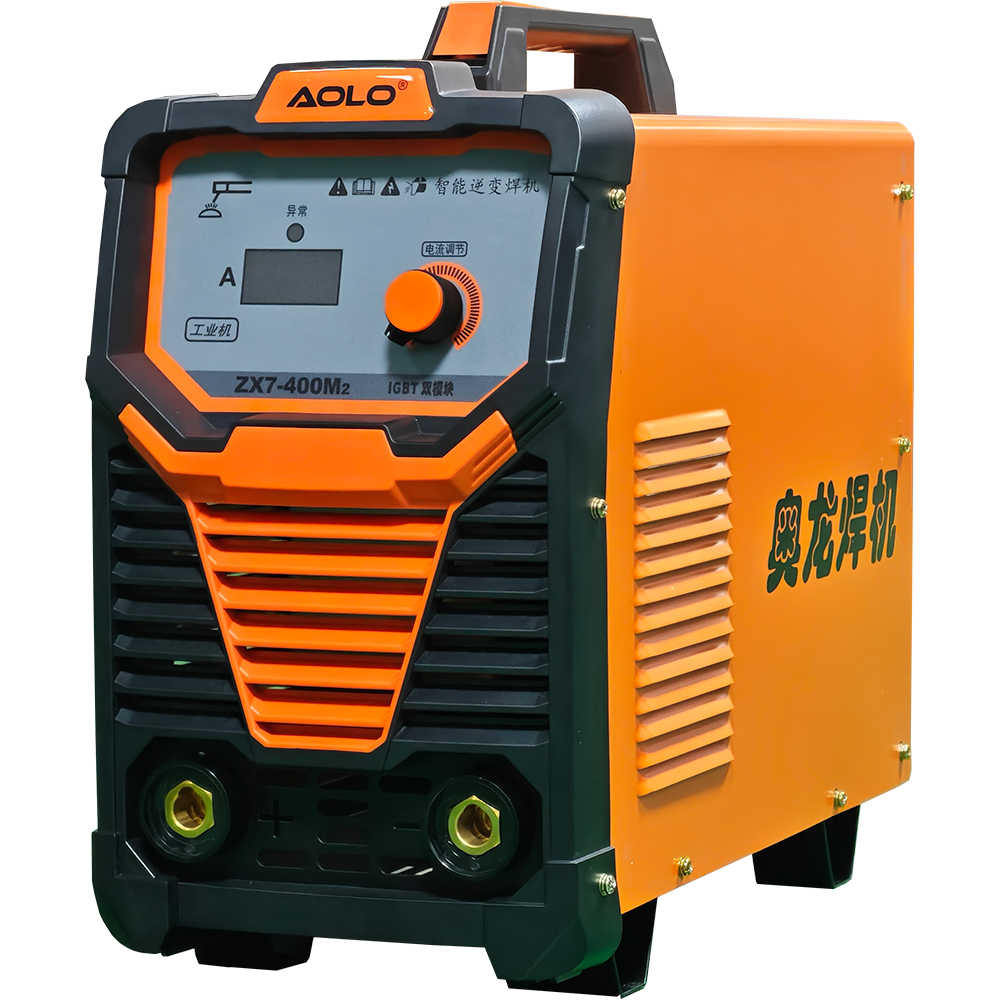
1、It can weld electrodes with a diameter of 5mm. 2、Fast arc starting, ...
See Details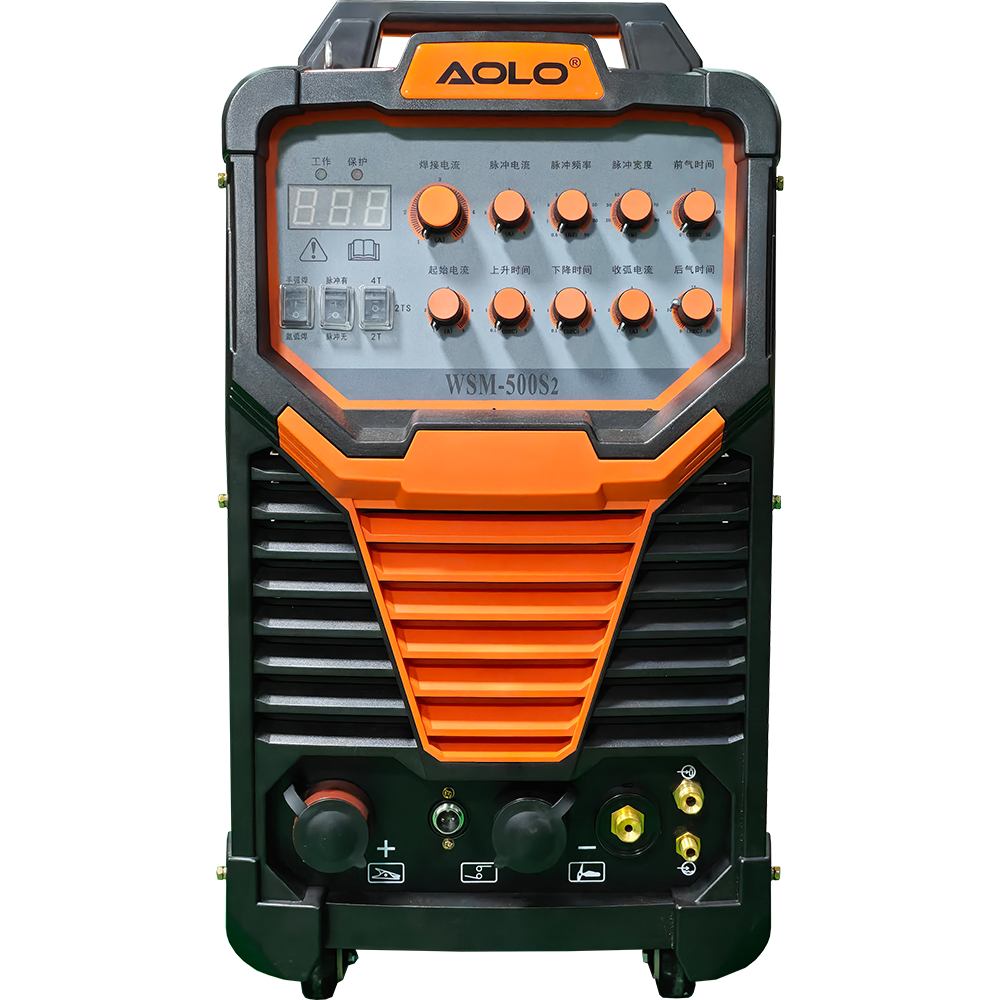
1、Pulse outputs a stable current-to-voltage ratio to control welding q...
See Details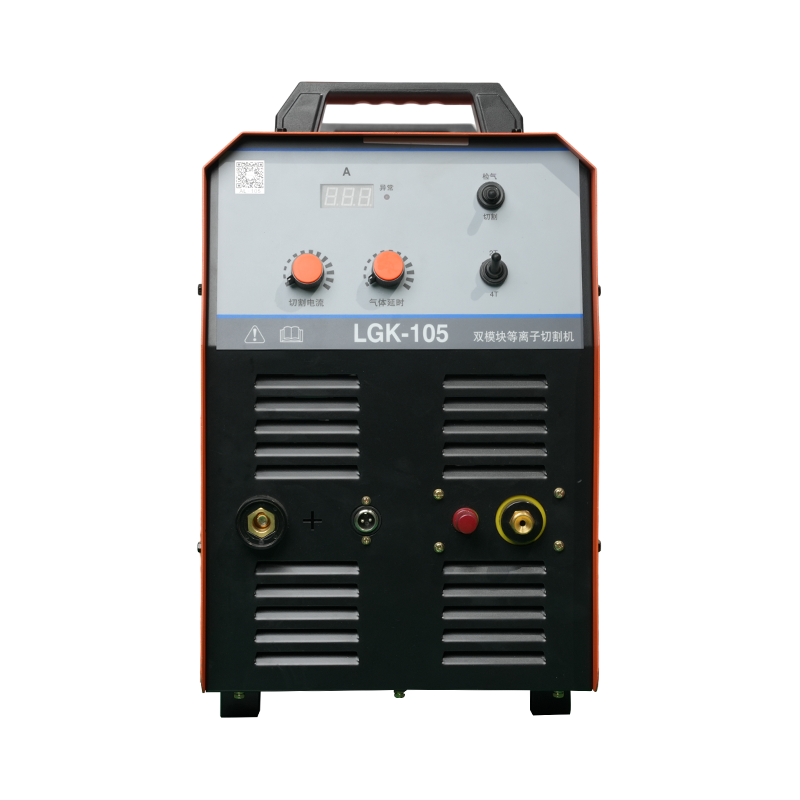
1、External air pump plasma cutting machine makes the whole machine lig...
See Details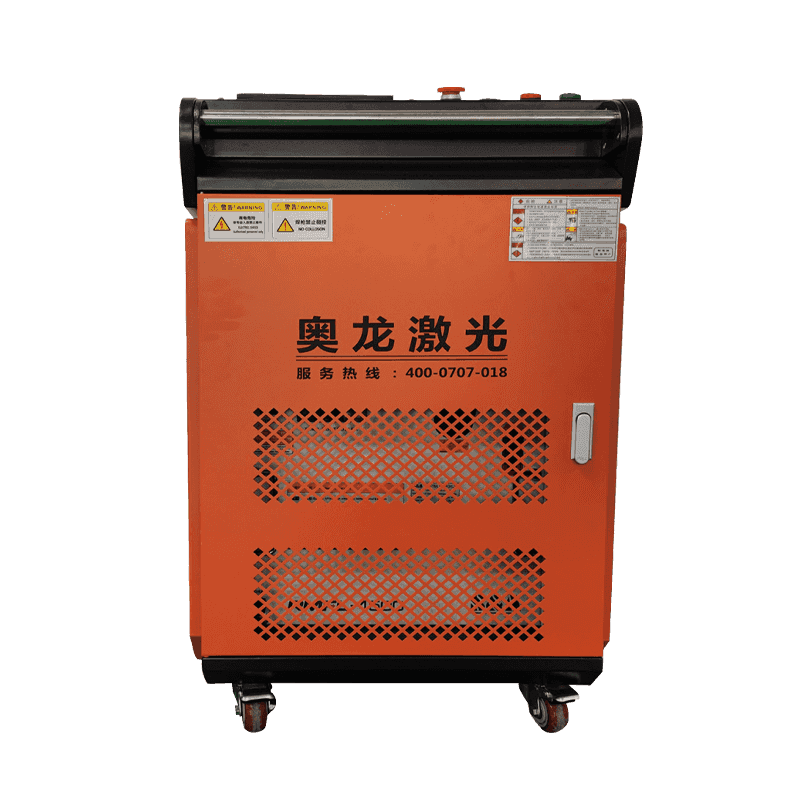
1、High-power laser welding machine, suitable for heavy-duty industrial...
See Details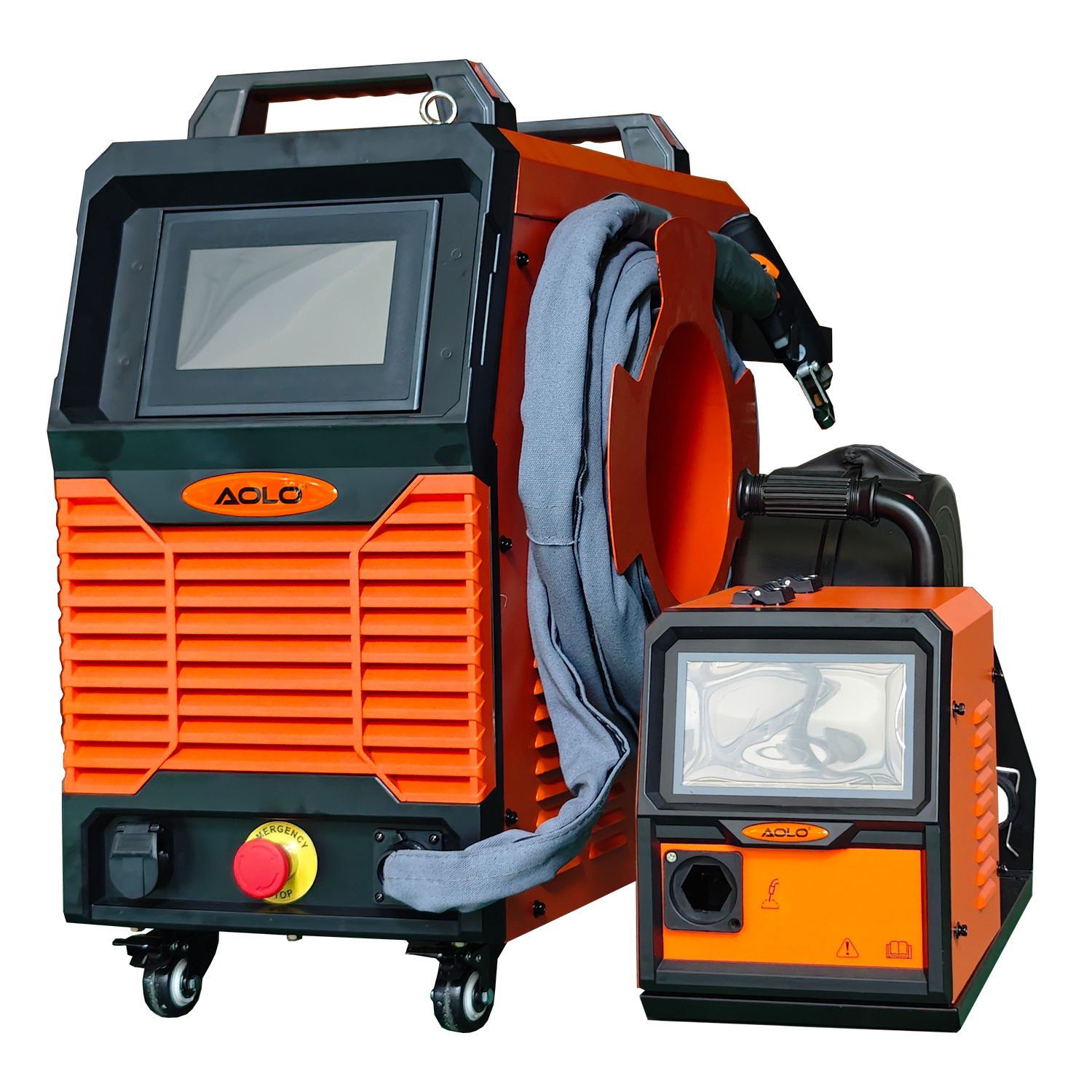
1、Air-cooled laser welding machine is smaller than water-cooled laser ...
See Details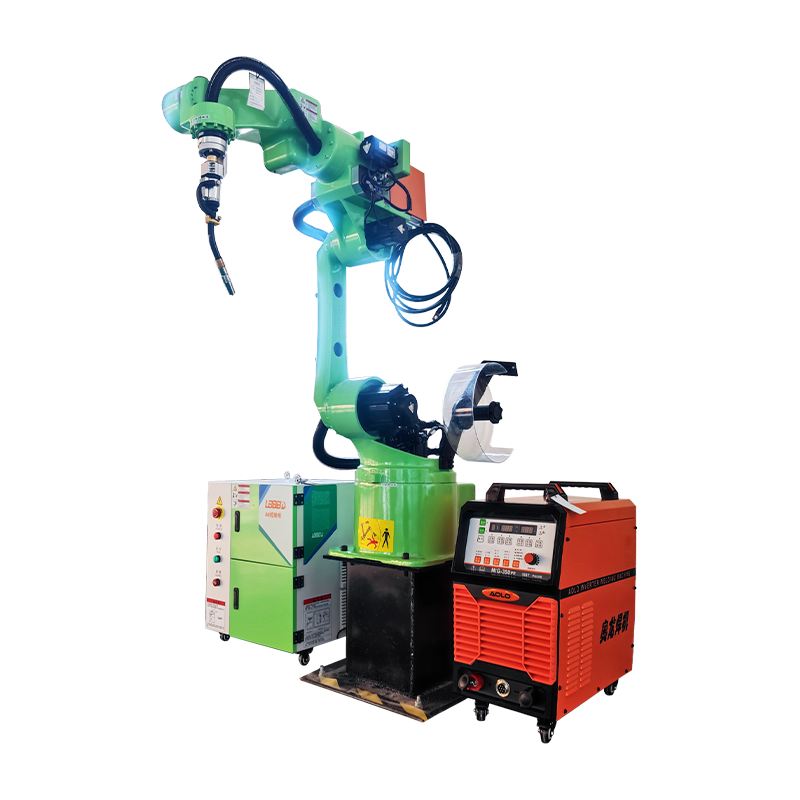
1、The robotic arm can be equipped with a gas shielded welding machine ...
See DetailsRequest for a call today


Tel: 4000707018

E-mail: aolohj@163.com

Add: Factory Building No. 5, Phase II, Pioneer Park, Economic Development Zone, Taizhou City, Jiangsu Province, China.
Copyright 2023 Jiangsu Aolong Electric Technology Co., Ltd. All Rights Reserved.
 Privacy Policy Industrial Welding Machine Manufacturers


Contact Us