


 English
 中文简体
中文简体 Español
 русский
NBC-315Y 220V/380V 300A IGBT Inverter Portable welder Built-in wire feeder 2T/4T MIG/MAG(GMAW)
Cat:Gas shielded welding machine
1、The machine adopts a phase-shifted full-bridge inverter main circuit...
See DetailsContent
MMA (Manual Metal Arc) welding machines, also known as stick welding machines, are widely used in construction, repair, and manufacturing industries. Their versatility allows welding on various metals and thicknesses. However, achieving stable arcs and high welding efficiency requires proper understanding of machine settings, electrode selection, and operator technique.
Welding stability refers to maintaining a consistent arc and smooth metal deposition without excessive spatter or interruptions. Stable welding ensures strong joints, reduces defects, and improves overall productivity.
Several factors influence MMA arc stability:
Proper machine settings are crucial for stable arcs and efficient welding.
Selecting the correct current is essential. Low currents can cause arc instability and poor penetration, while high currents increase spatter and electrode burnout. Manufacturers provide recommended current ranges based on electrode diameter, which should be strictly followed.
Although MMA machines are primarily current-controlled, some inverter-based models allow minor voltage adjustments. Maintaining an appropriate arc length and stable voltage helps minimize spatter and prevents arc extinction.
Electrode choice significantly affects welding stability and efficiency.
Different electrodes are designed for specific metals and positions. For example, rutile electrodes provide smooth arcs and low spatter, making them suitable for beginners or vertical welding. Cellulose electrodes penetrate deeper and work well for outdoor or vertical-down positions.
Moisture absorption in electrodes causes arc instability and porosity. Proper storage in dry cabinets and handling to avoid contamination is essential for maintaining stable arcs and high-quality welds.
The operator’s technique plays a major role in welding stability and efficiency.
Maintaining the correct electrode angle ensures consistent arc length and even metal deposition. The travel speed must match the electrode type and current setting; too fast can cause undercutting, too slow may lead to excessive heat buildup and spatter.
A stable arc starts with correct striking techniques. Avoid scratching the electrode excessively, and maintain a controlled short arc to prevent sticking or erratic welding.
Operator ergonomics and workpiece support reduce fatigue and improve welding control. Proper clamps and positioning help maintain consistent arc length and welding speed.
Environmental factors can affect welding stability. Drafts, wind, and humidity disrupt the arc and cooling rate. Using windshields for outdoor welding and maintaining clean, dry work areas helps maintain consistent welding conditions.
Regular machine maintenance ensures efficient and stable operation.
| Parameter | Optimal Range | Effect on Stability |
| Current | Based on electrode size | Controls penetration and arc smoothness |
| Arc Length | 2–4 mm (typical) | Prevents sticking and spatter |
| Travel Speed | Depends on metal thickness | Ensures even deposition and stable arc |
Improving MMA welding stability and efficiency requires a combination of correct machine settings, electrode selection, operator technique, and proper maintenance. Attention to environmental conditions and consistent practice ensures strong, high-quality welds with minimal defects. By following these practical tips, operators can achieve reliable, efficient, and safe MMA welding performance across a wide range of applications.
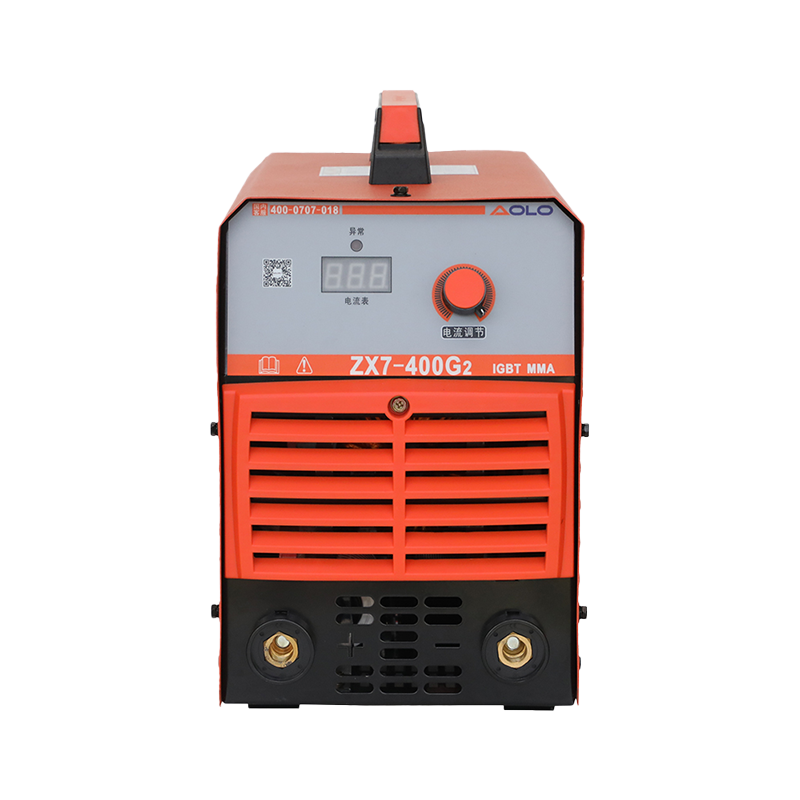
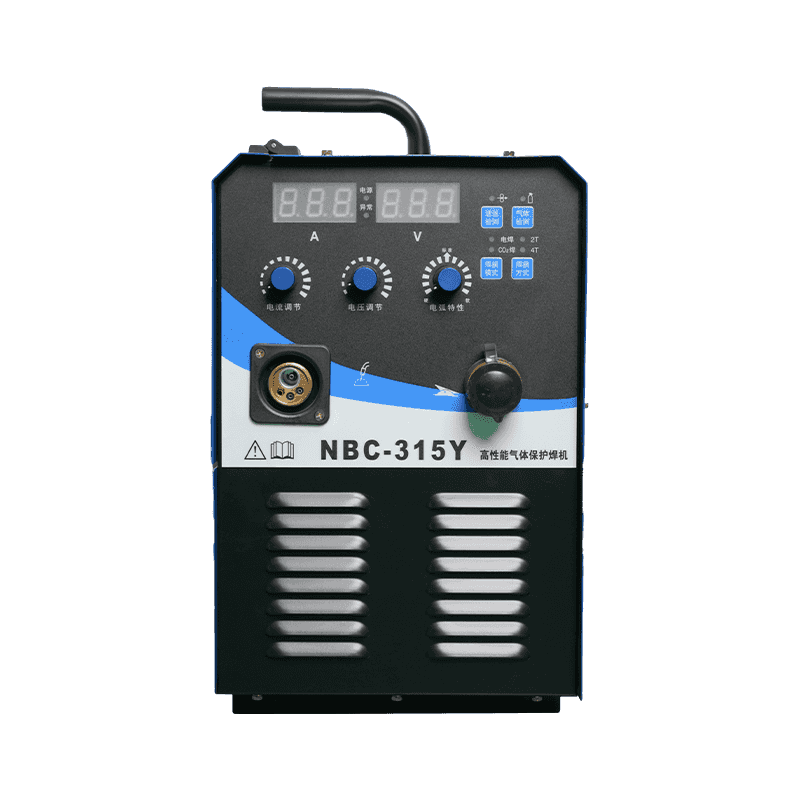
1、The machine adopts a phase-shifted full-bridge inverter main circuit...
See Details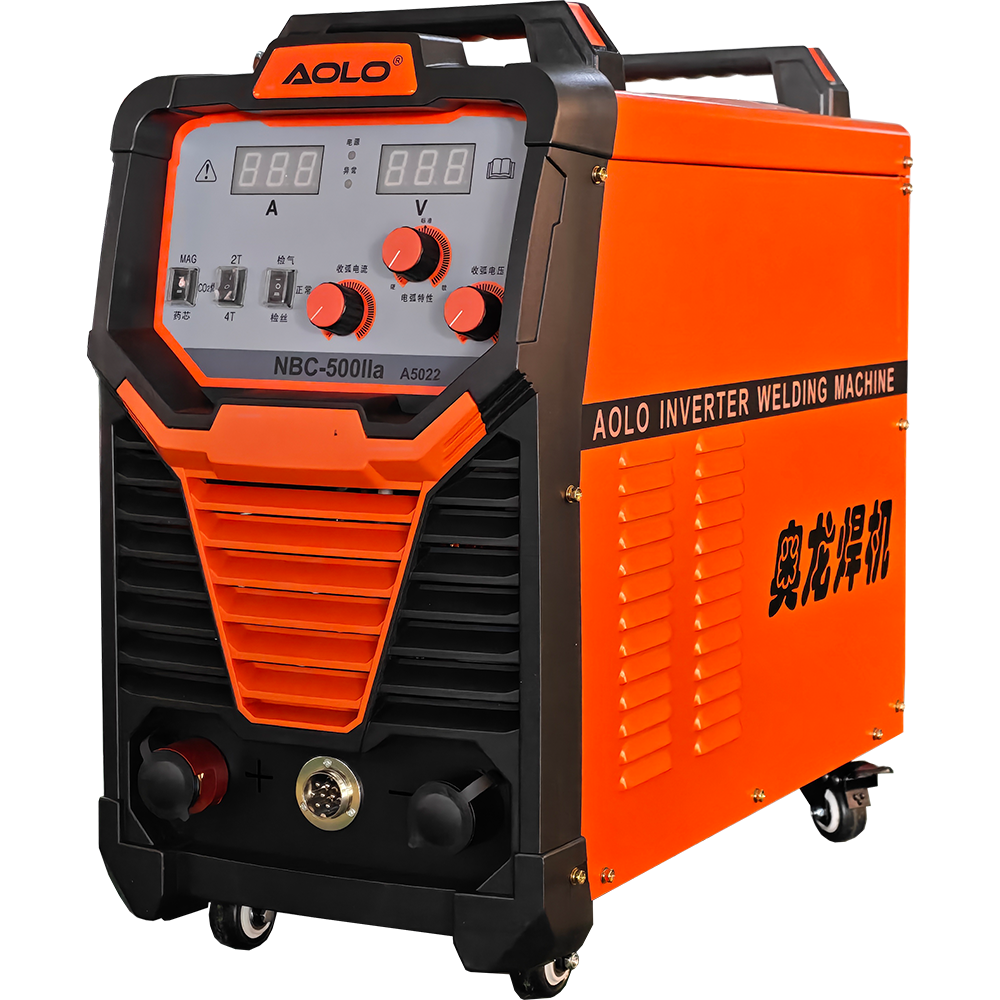
1、High-selling gas-shielded welder with a good price/performance ratio...
See Details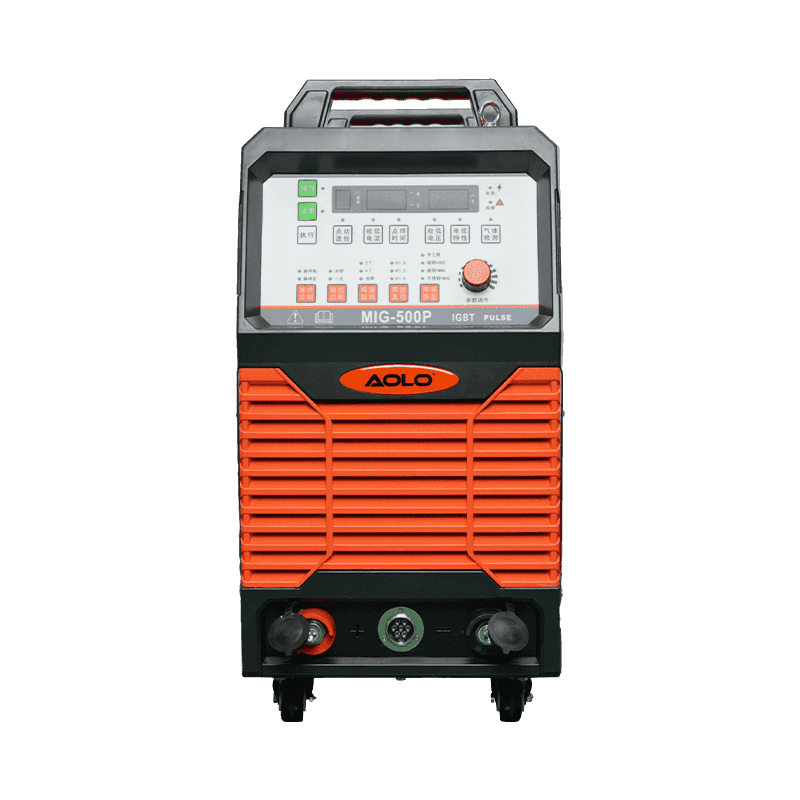
1、Rich functions, button selection facilitates parameter adjustment 2、...
See Details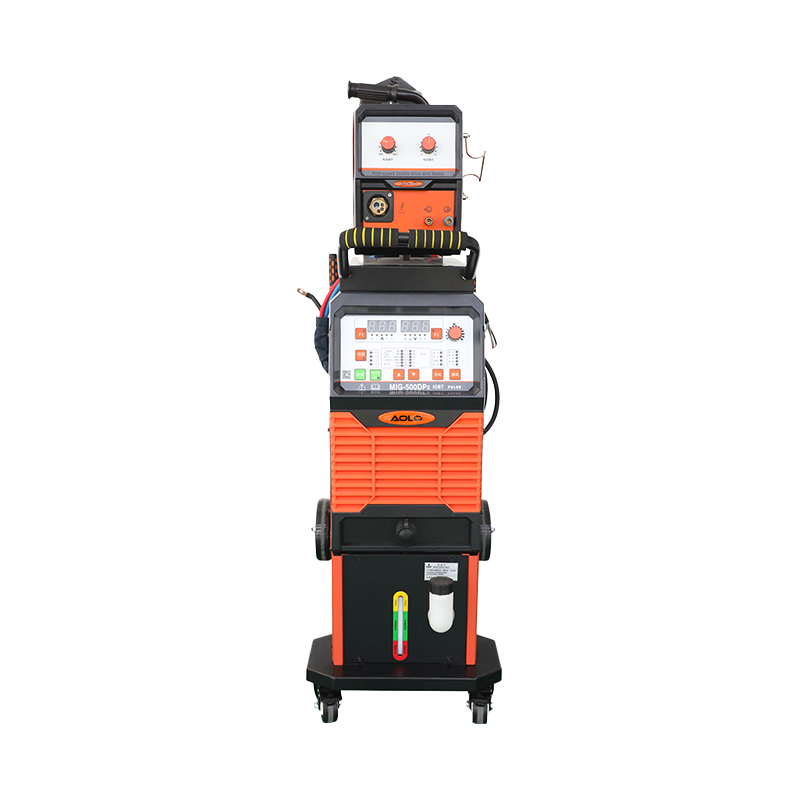
1、Manual argon arc welding with non-consumable electrode LIFTTIG; 2、Du...
See Details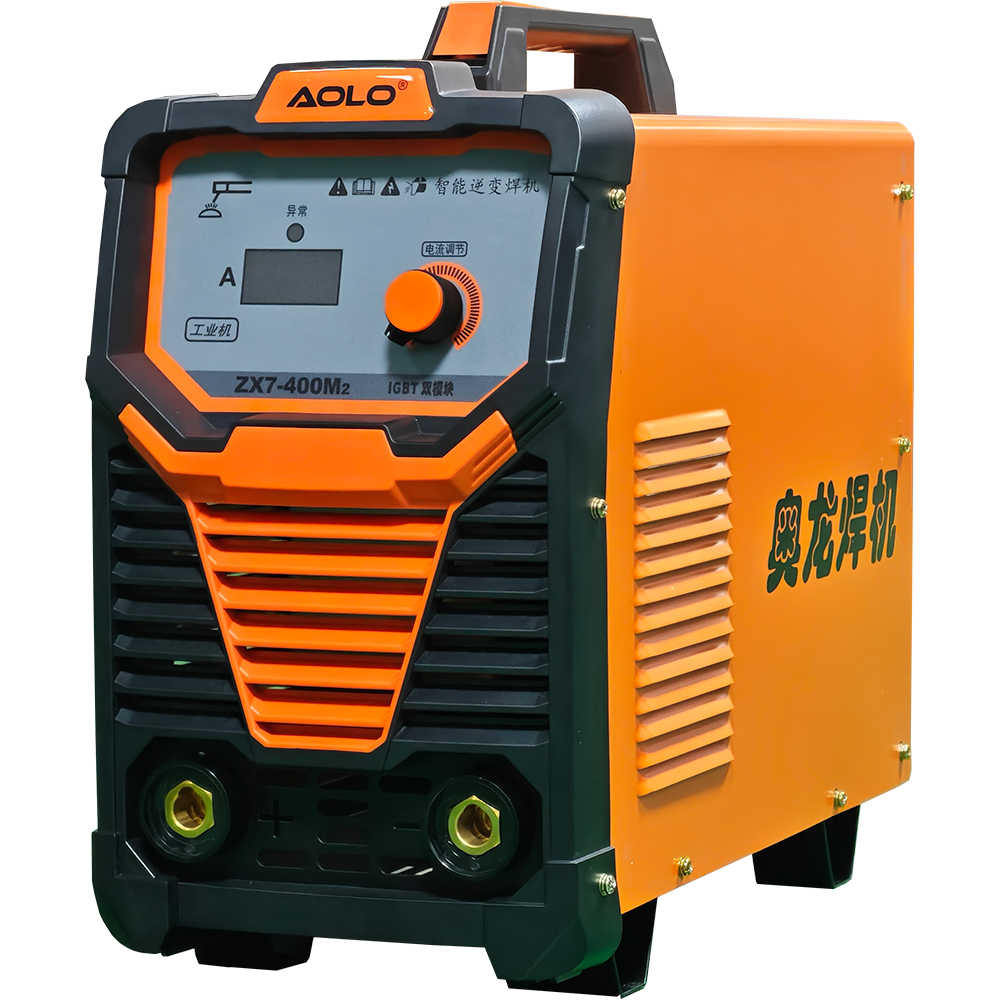
1、It can weld electrodes with a diameter of 5mm. 2、Fast arc starting, ...
See Details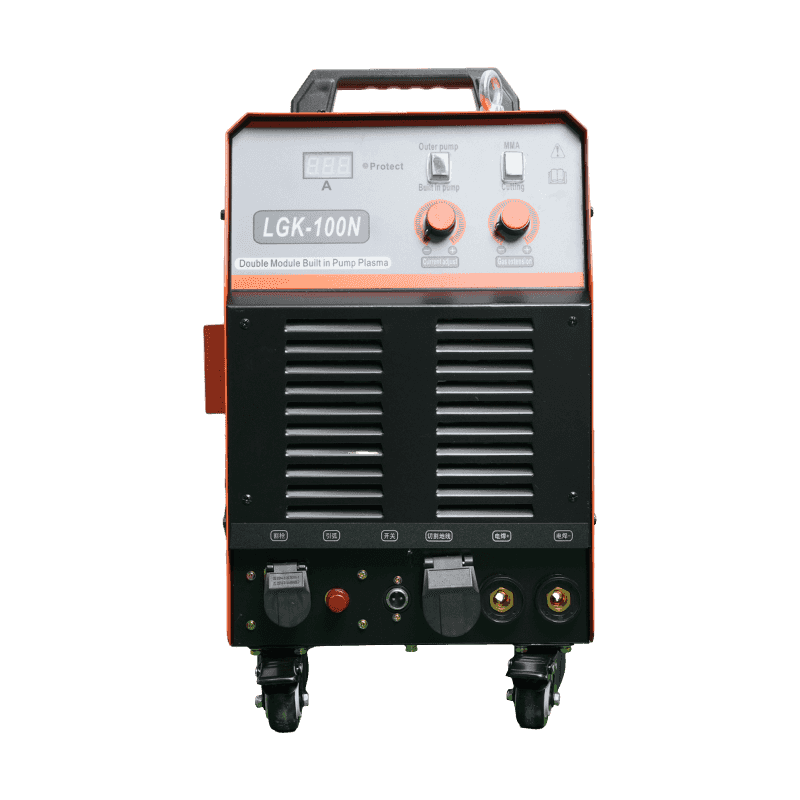
1、There are two modes of compressed air source, either a built-in air ...
See Details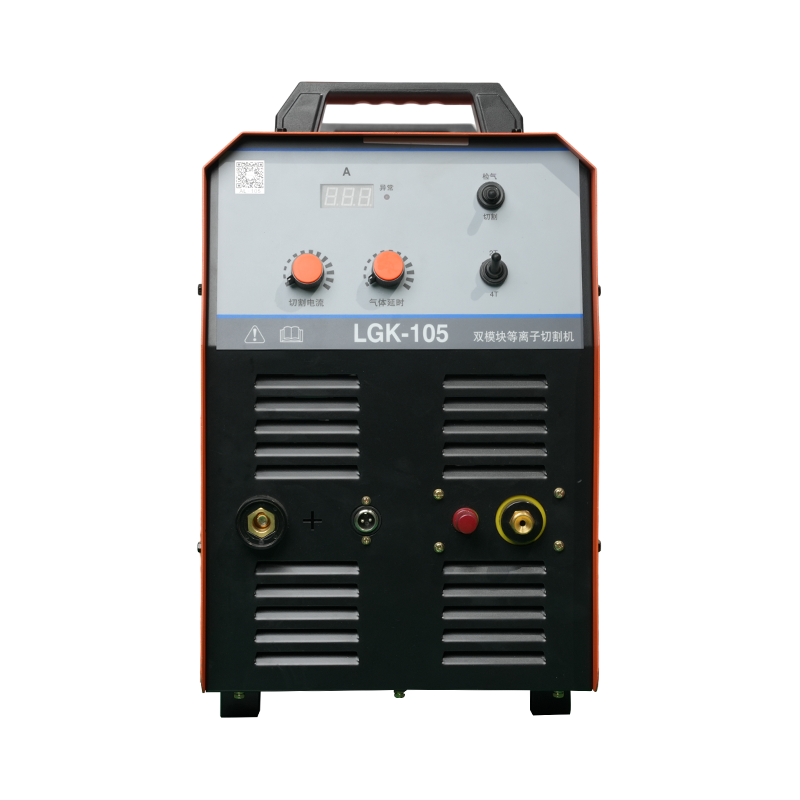
1、External air pump plasma cutting machine makes the whole machine lig...
See Details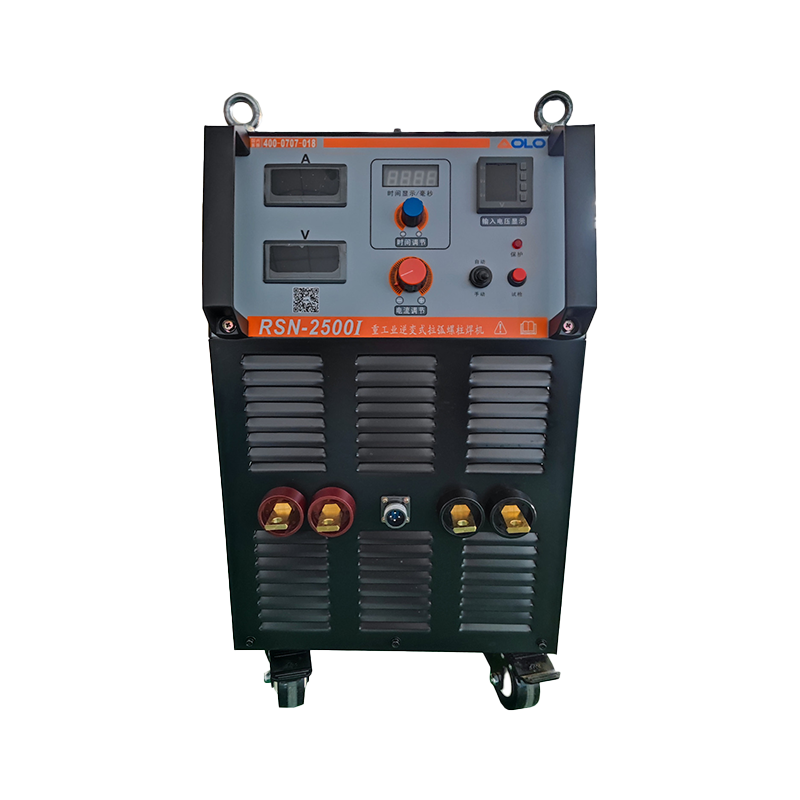
1、Heavy duty industrial stud welding machine, suitable for ship constr...
See Details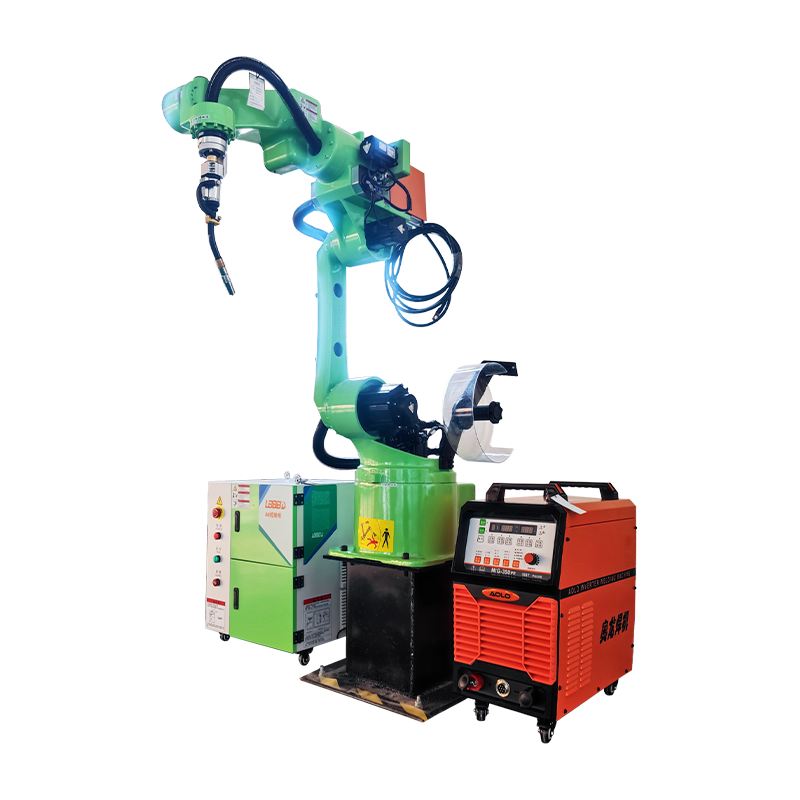
1、The robotic arm can be equipped with a gas shielded welding machine ...
See Details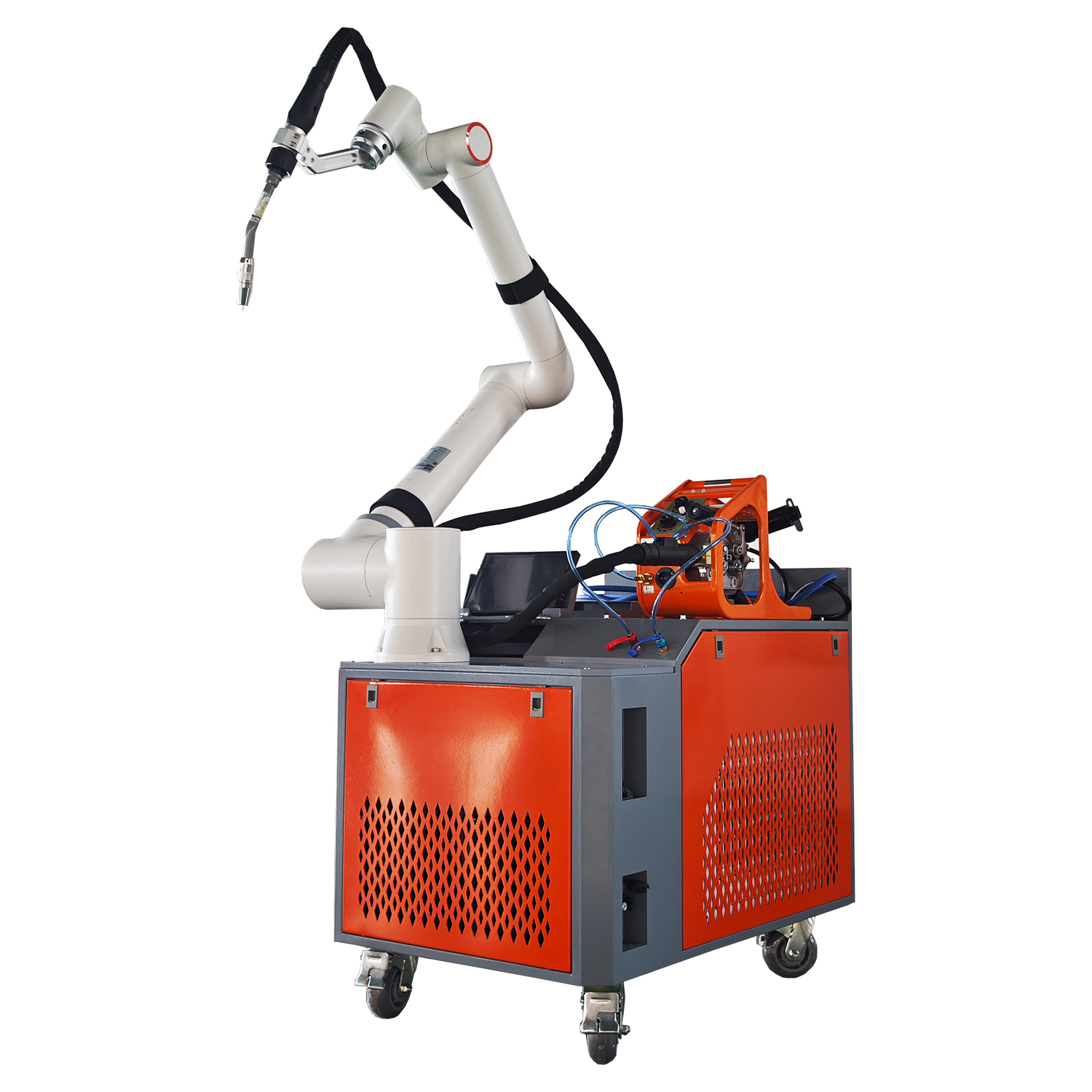
1. The welding machine communicates with the control pad, and all para...
See DetailsRequest for a call today


Tel: 4000707018

E-mail: aolohj@163.com

Add: Factory Building No. 5, Phase II, Pioneer Park, Economic Development Zone, Taizhou City, Jiangsu Province, China.
Copyright 2023 Jiangsu Aolong Electric Technology Co., Ltd. All Rights Reserved.
 Privacy Policy Industrial Welding Machine Manufacturers


Contact Us